— Ideas & inspiration
House composition
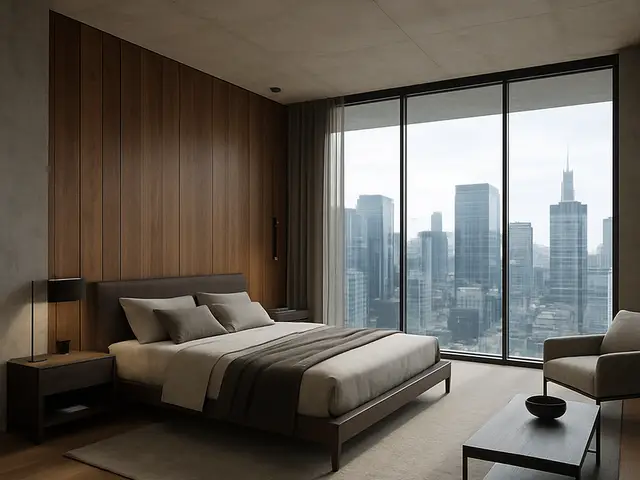
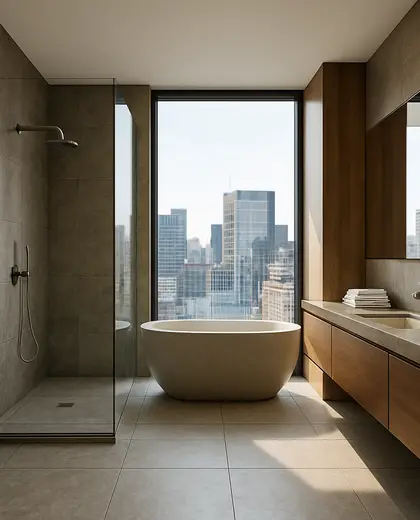
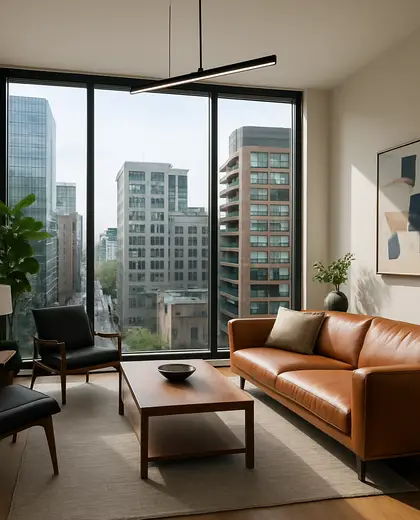
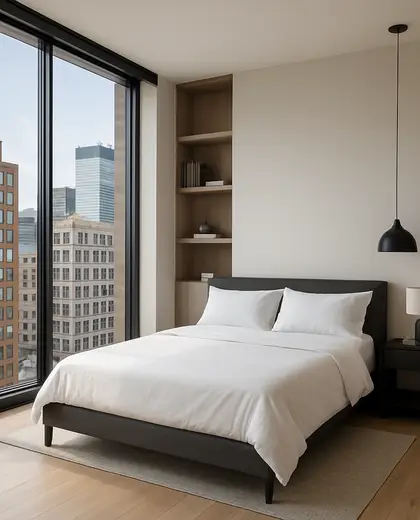
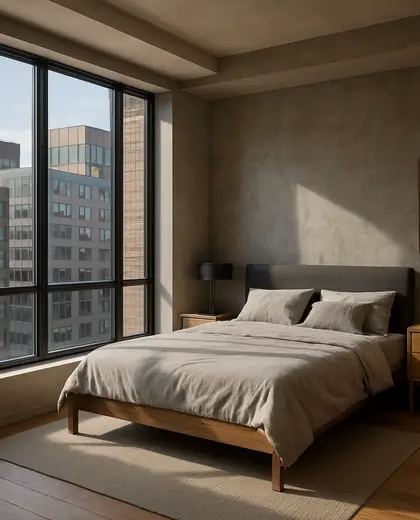
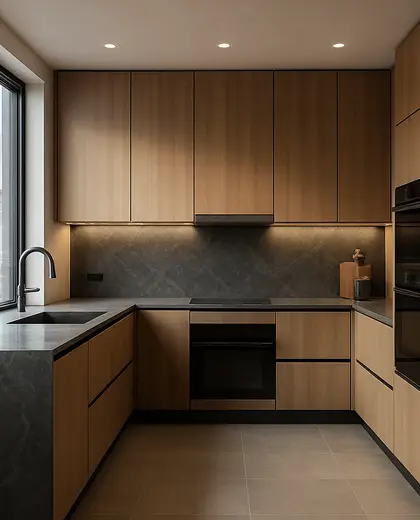
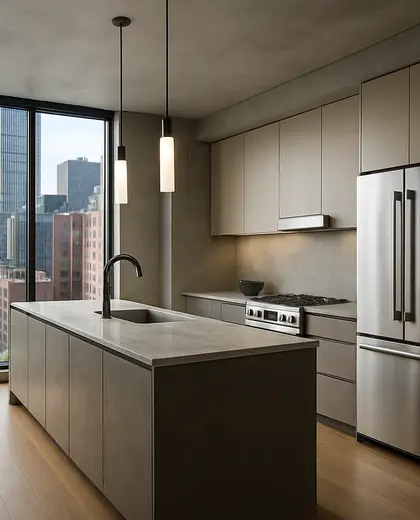
A house composition is typically defined by a clear domestic form, usually a pitched or flat roof, a strong primary volume, and a readable relationship between solid walls and openings. It often uses familiar residential materials such as brick, timber, stucco, stone, concrete, and painted metal, with a restrained palette shaped by the site and climate. The composition usually balances privacy and light through windows, porches, terraces, and a straightforward entry sequence.
- house
— References
References to explore
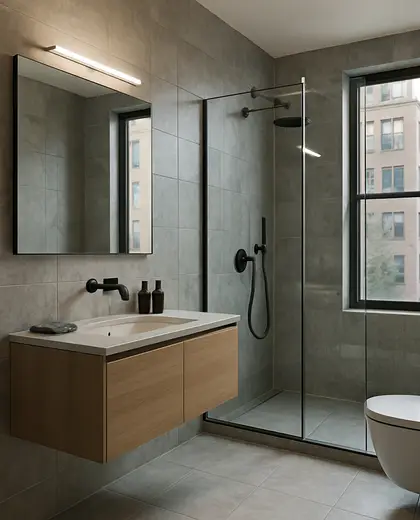
What makes a house composition different from other building types?
It usually centers on a clear residential scale, a visible front entry, and a layout that balances privacy, daylight, and outdoor connection.
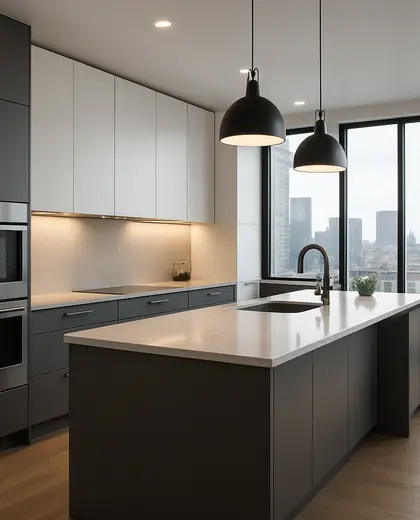
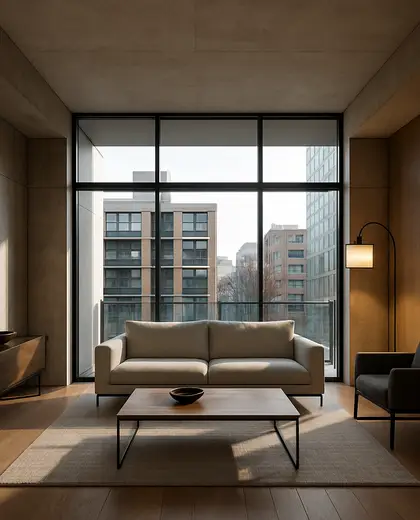
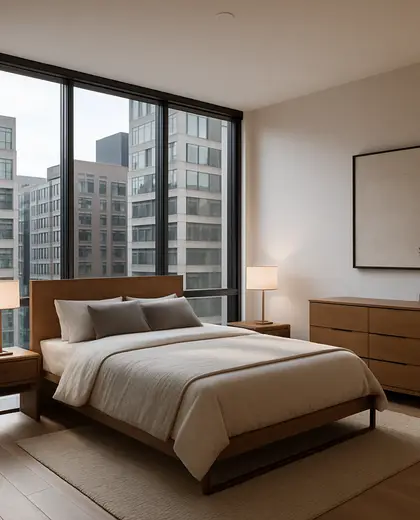
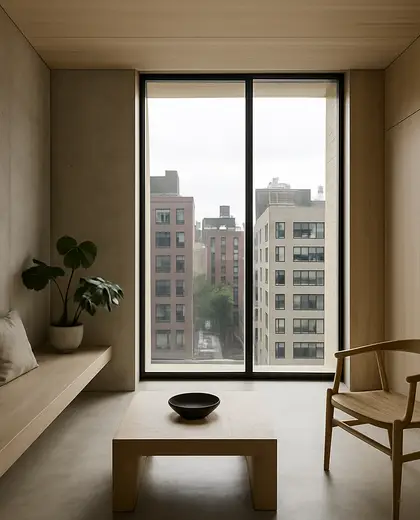
Can a house composition be modern or traditional?
Yes. The same composition can read as modern with flat planes and minimal detailing, or traditional with pitched roofs, masonry, and more defined trim.

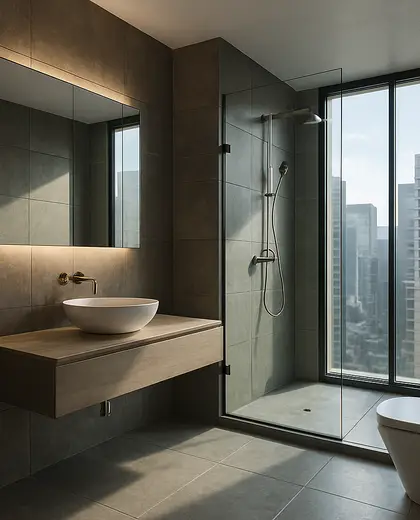
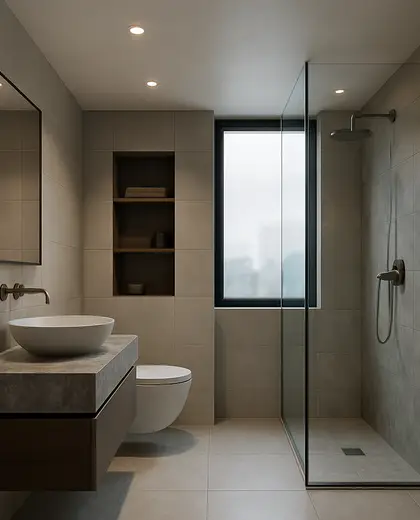
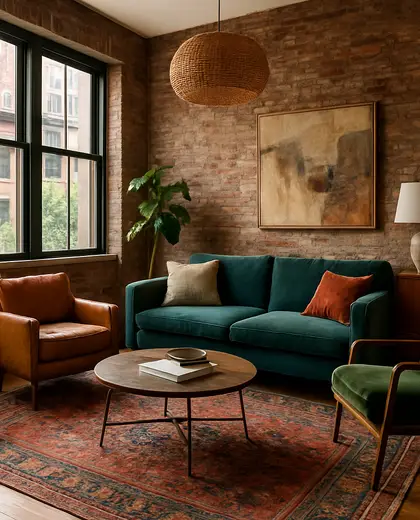
What should I look for when choosing materials for a house composition?
Look for durability, maintenance, and how the materials will age in your climate. It also helps to choose finishes that match the roof form, window proportions, and the surrounding site.
— The style
What defines it
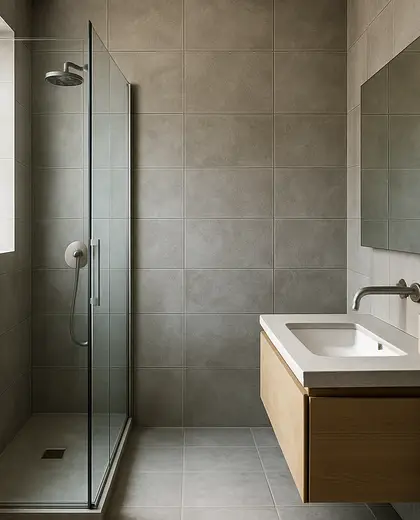
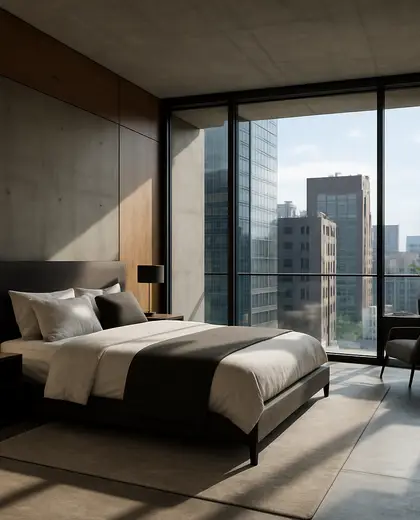
Brick, timber cladding, stucco, stone, concrete, and metal are common, often combined with glass for larger openings.
Most house compositions rely on muted neutrals, warm earth tones, white or off-white walls, natural wood, and dark roof accents.
It pairs well with landscaping, fencing, porches, patios, driveways, and simple exterior lighting to complete the domestic setting.
— Professionals
Who has already built it
- pavitar guptaarchitects · Ambala · 6 projectsView profile →
- pavit ceramics pvt ltdceramic manufacturers · Ahmedabad · 2 projectsView profile →
- nikitha kumananinterior designers · 6 projectsView profile →
- Bristolfurniture sellers · Bangalore · 6 projectsView profile →
— Explore
Keep exploring
— Questions
Frequently asked questions
What makes a house composition different from other building types?
It usually centers on a clear residential scale, a visible front entry, and a layout that balances privacy, daylight, and outdoor connection.
Can a house composition be modern or traditional?
Yes. The same composition can read as modern with flat planes and minimal detailing, or traditional with pitched roofs, masonry, and more defined trim.
What should I look for when choosing materials for a house composition?
Look for durability, maintenance, and how the materials will age in your climate. It also helps to choose finishes that match the roof form, window proportions, and the surrounding site.