— Ideas & inspiration
A house sheltered by forest
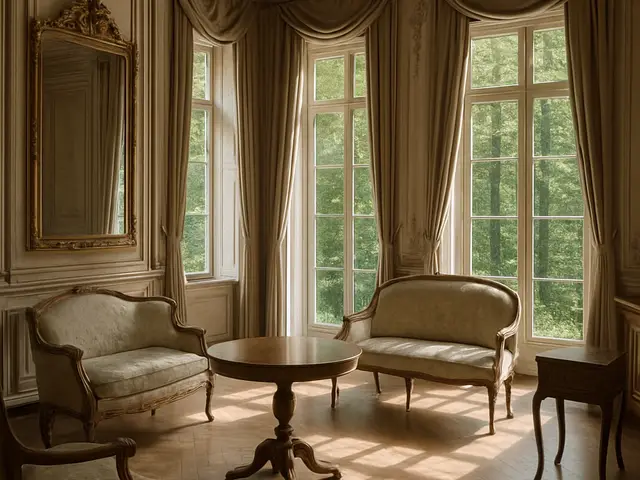
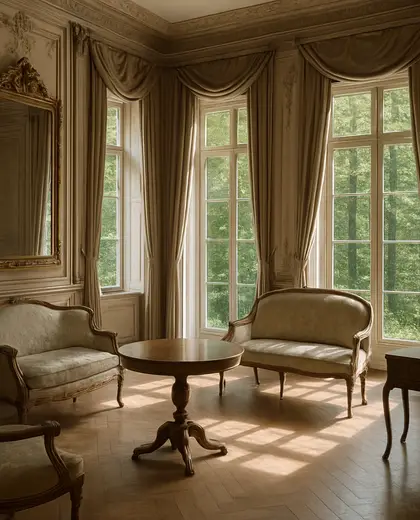
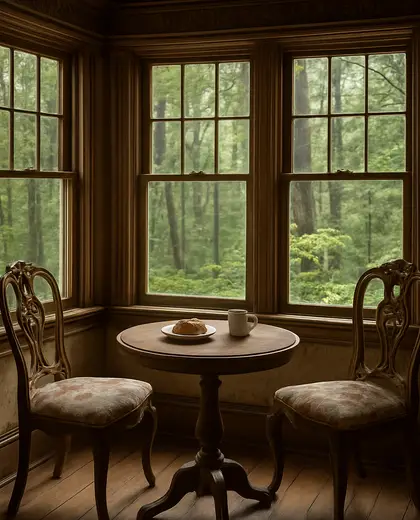
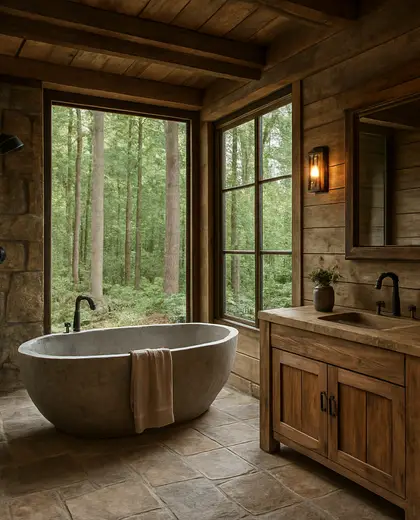
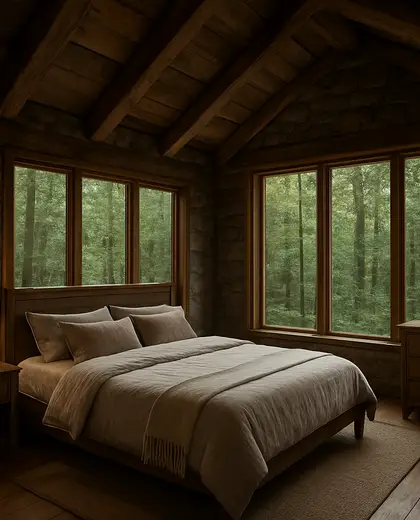
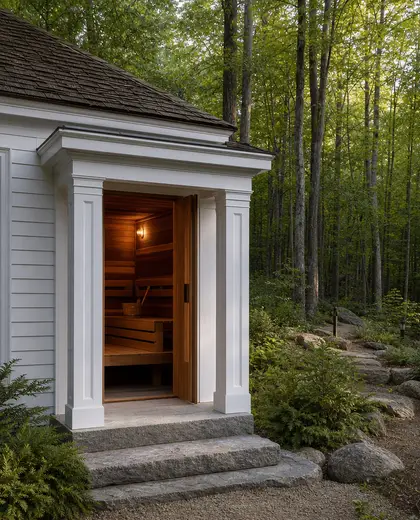
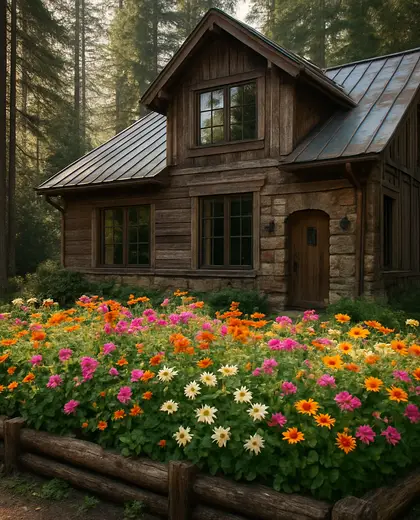
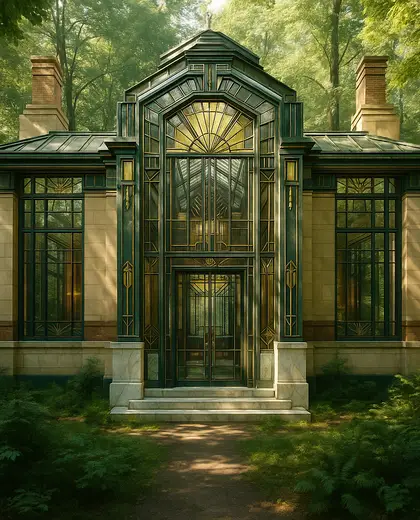
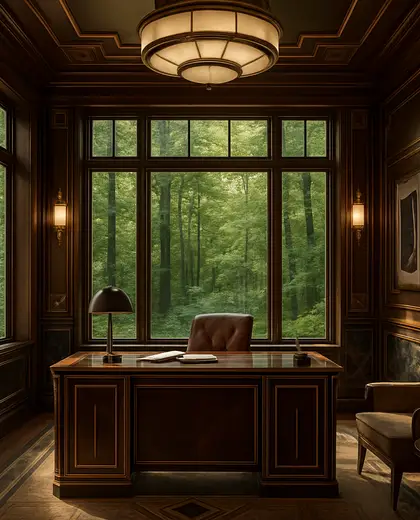
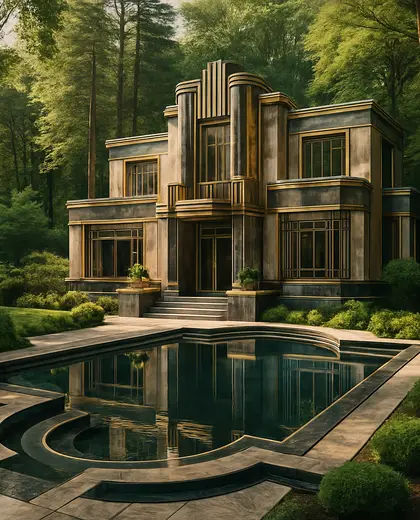
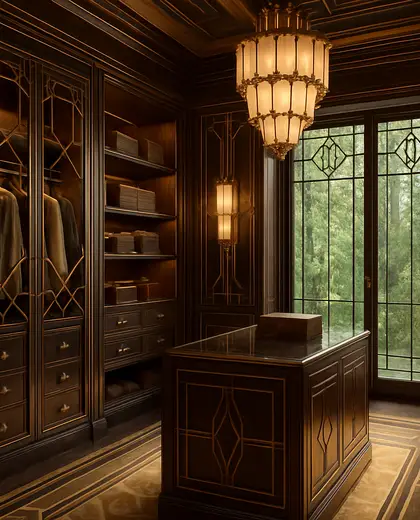
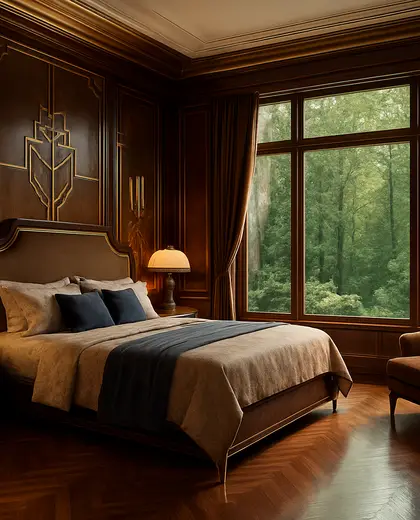
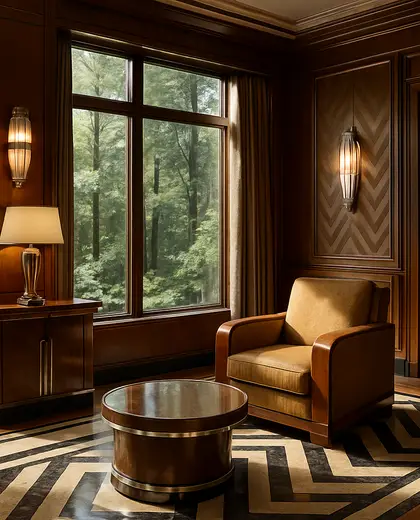
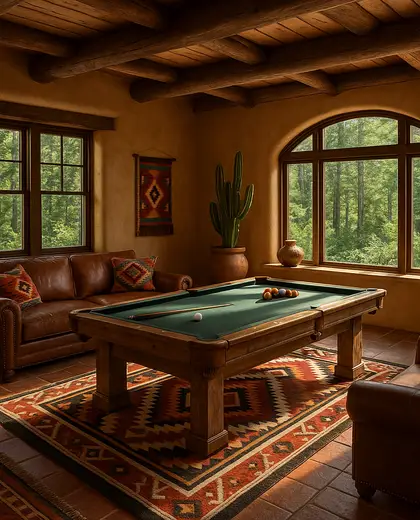
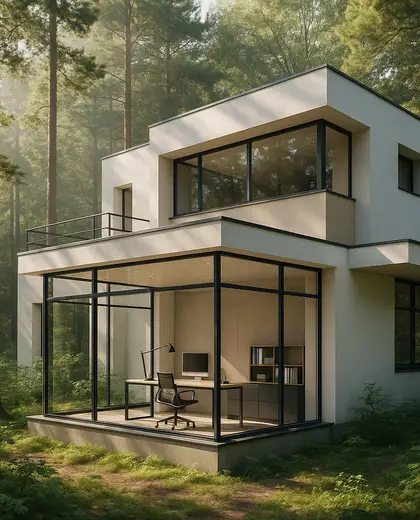
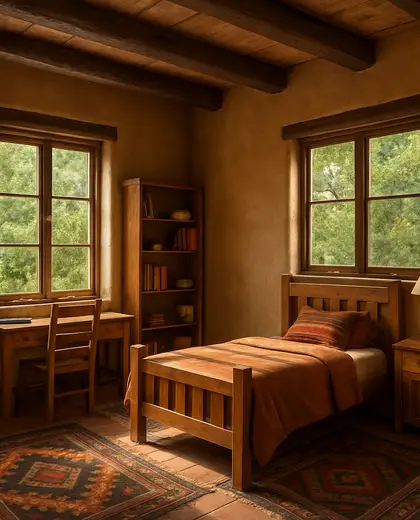
This composition is defined by a dwelling set into dense trees, with natural materials such as timber, stone, and glass used to blur the edge between interior and exterior. The palette is usually earthy and subdued, with deep greens, warm browns, charcoal, and weathered neutrals. Large openings, shaded terraces, and low-impact forms help the house feel rooted in the landscape.
- house
- forest
— References
References to explore
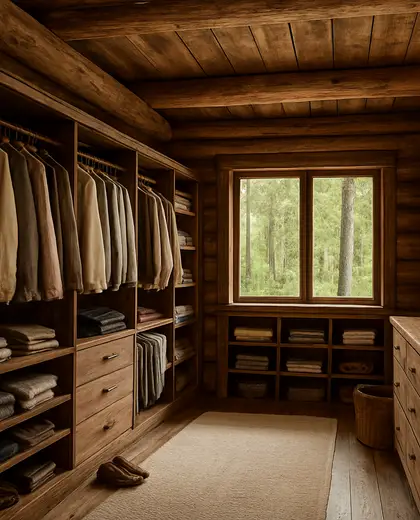
How do I make a house feel connected to the forest without overbuilding?
Use a simple massing, limit the footprint, and let the site guide orientation, views, and outdoor spaces. Materials and detailing should stay quiet so the trees remain the main feature.
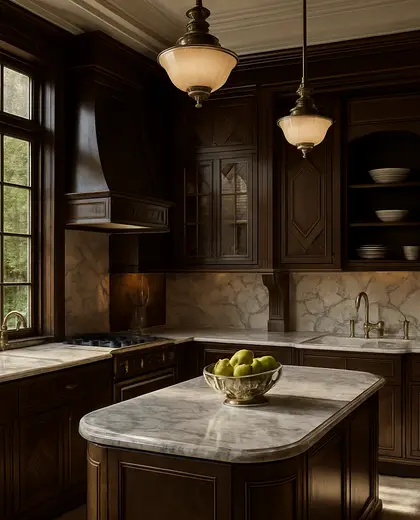
What materials work best for a forest house?
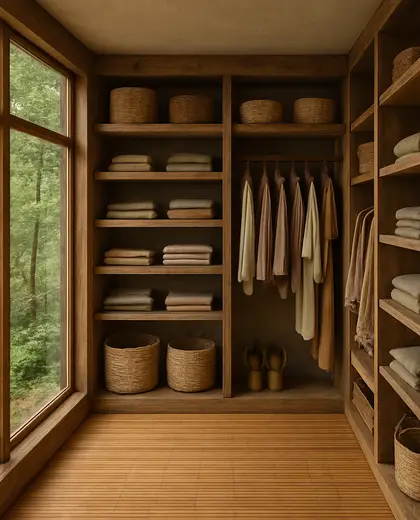
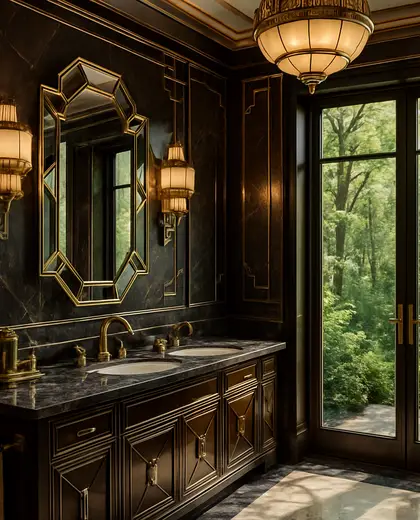
Wood, stone, and glass are the most common choices because they age naturally and sit comfortably in a wooded setting. Dark metal accents can help the building recede into the background.
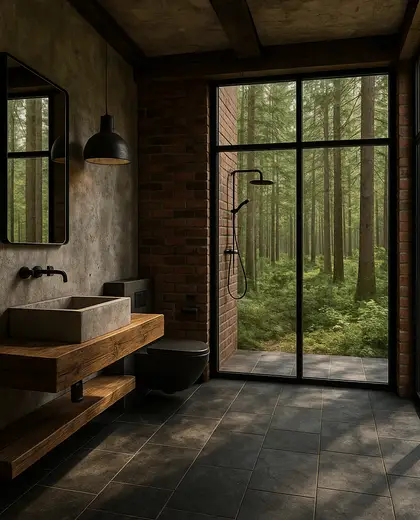
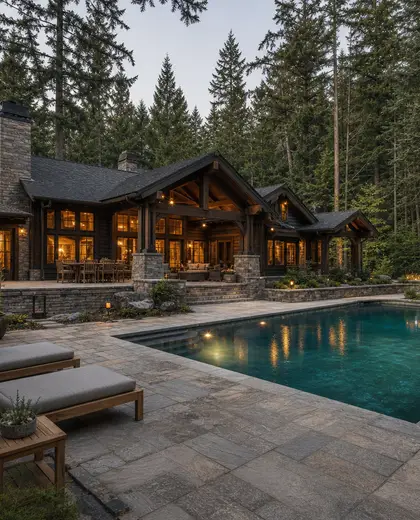
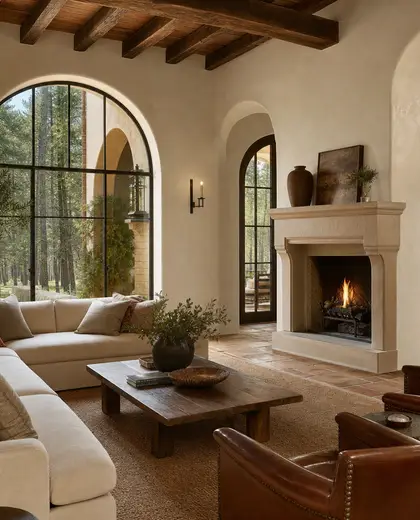
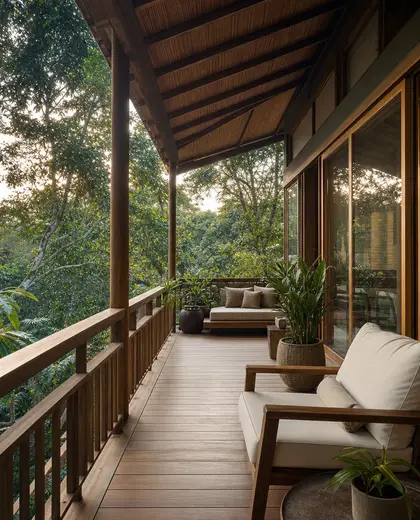
Should the interior colors match the forest exterior?
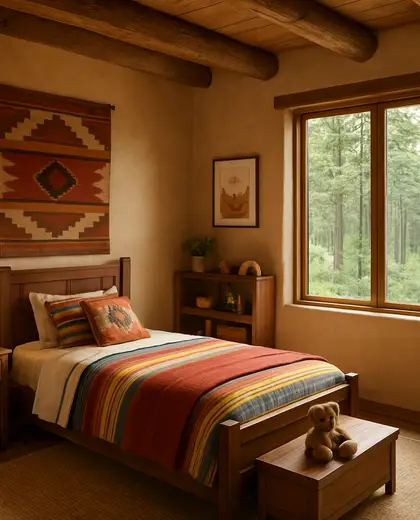
Not exactly, but the interior usually works best with the same restrained mood. Warm wood, soft neutrals, and a few deeper accents keep the connection without making the space feel themed.
— The style
What defines it
Timber, stone, glass, and sometimes dark metal or concrete are common to echo the surrounding woodland.
Muted greens, browns, mossy tones, charcoal, and soft natural neutrals create a calm forest connection.
A compact house form, generous glazing, covered outdoor spaces, and landscape-first planning.
— Professionals
Who has already built it
- praveen kumar singh3d renderers · Ranchi · 6 projectsView profile →
- origin architectsarchitects · 6 projectsView profile →
- mawar electrical serviceselectricians · Bengaluru · 1 projectsView profile →
- anurag vermainterior designers · 6 projectsView profile →
— Explore
Keep exploring
— Questions
Frequently asked questions
How do I make a house feel connected to the forest without overbuilding?
Use a simple massing, limit the footprint, and let the site guide orientation, views, and outdoor spaces. Materials and detailing should stay quiet so the trees remain the main feature.
What materials work best for a forest house?
Wood, stone, and glass are the most common choices because they age naturally and sit comfortably in a wooded setting. Dark metal accents can help the building recede into the background.
Should the interior colors match the forest exterior?
Not exactly, but the interior usually works best with the same restrained mood. Warm wood, soft neutrals, and a few deeper accents keep the connection without making the space feel themed.