— Ideas & inspiration
A sustainable house with a grounded, low-impact character
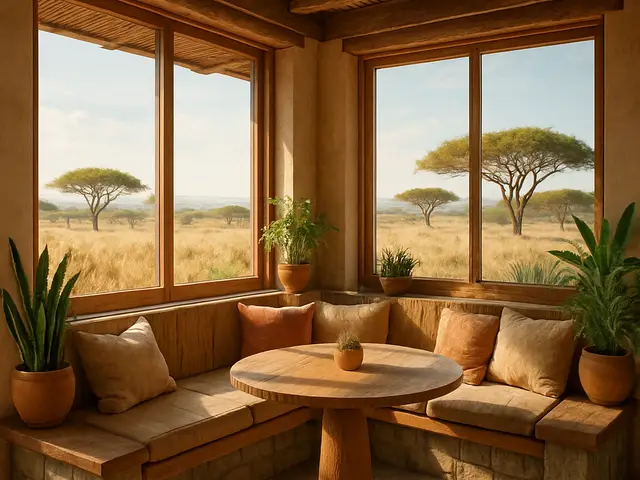
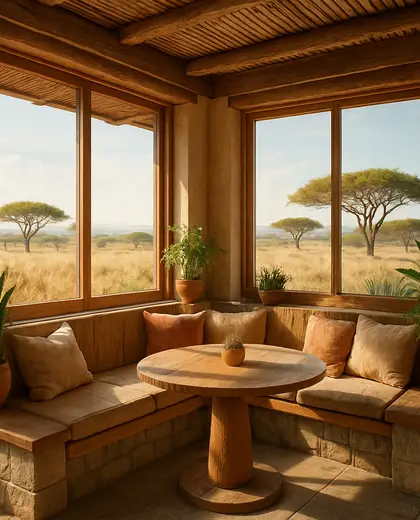
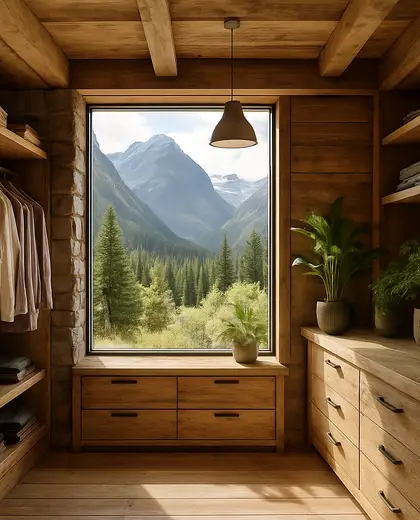
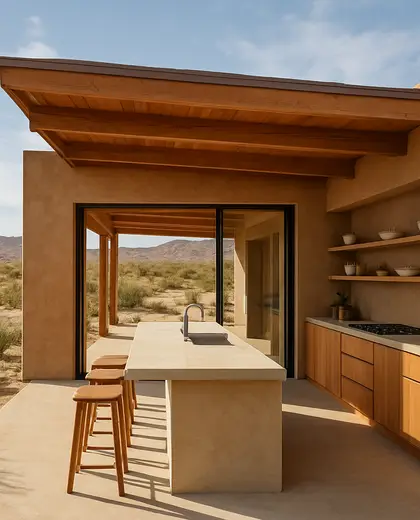
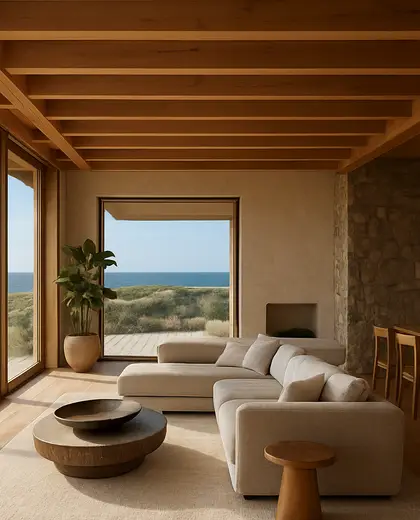
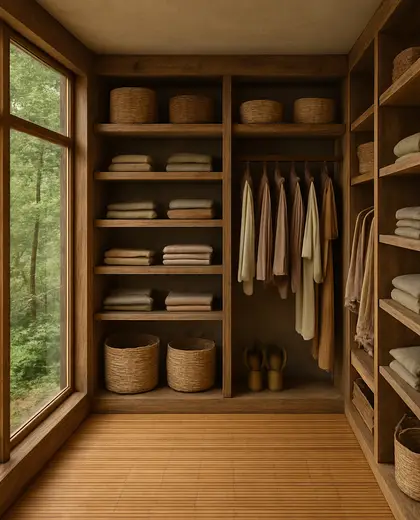
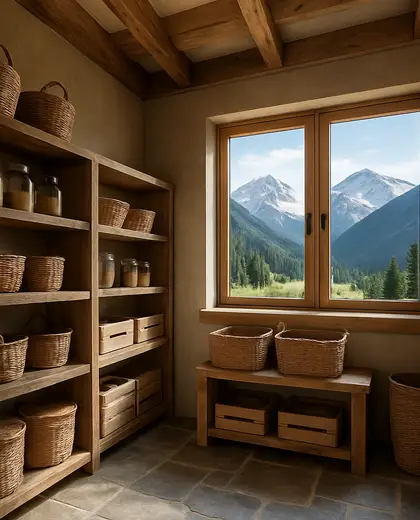
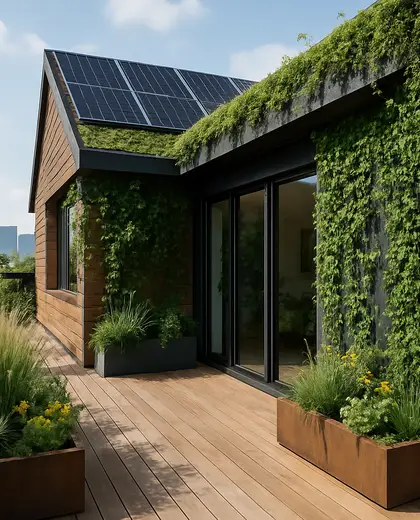
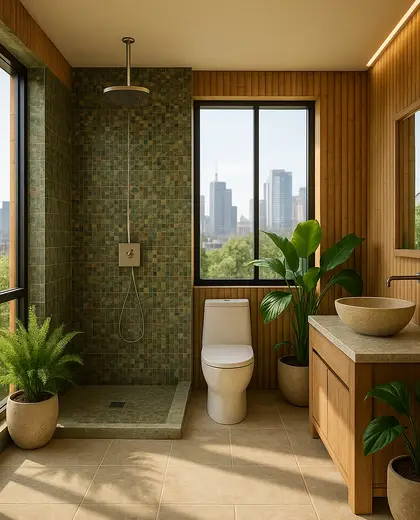
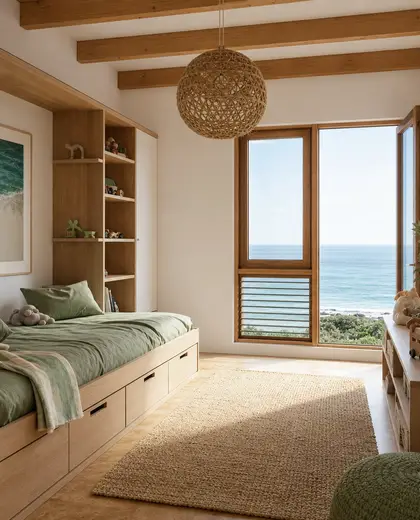
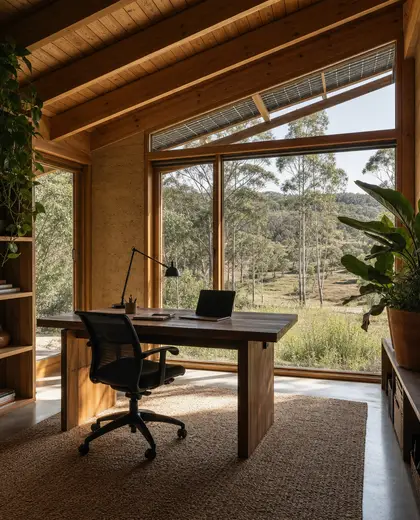
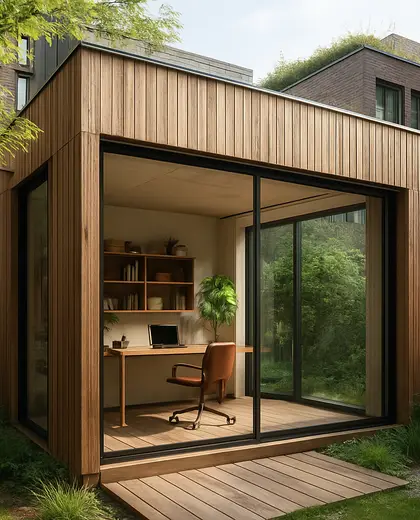
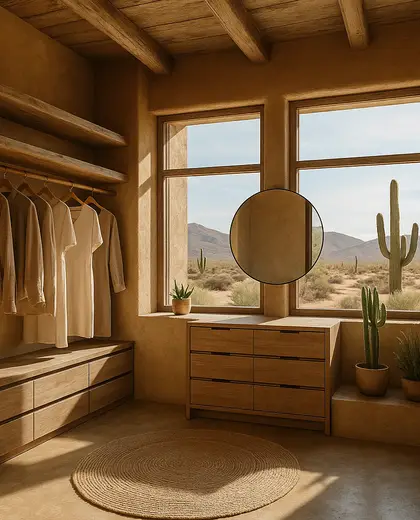
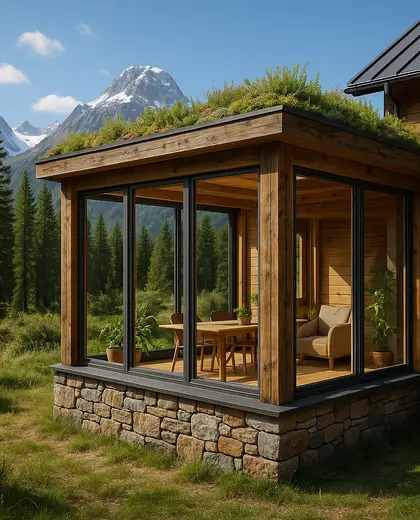
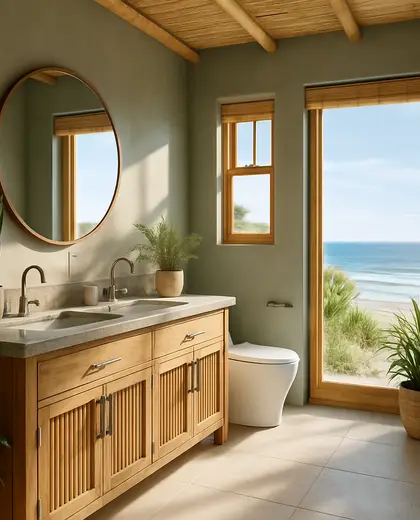
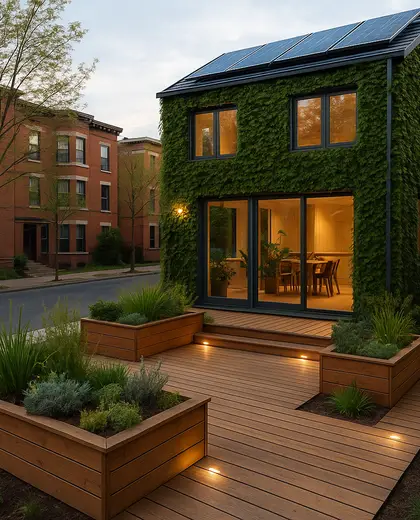
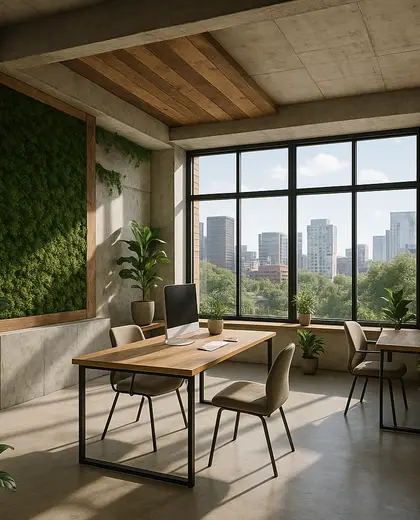
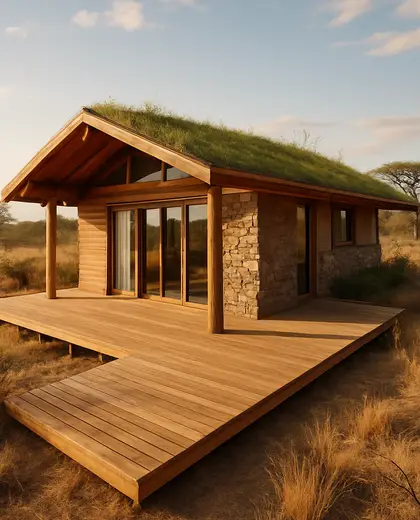
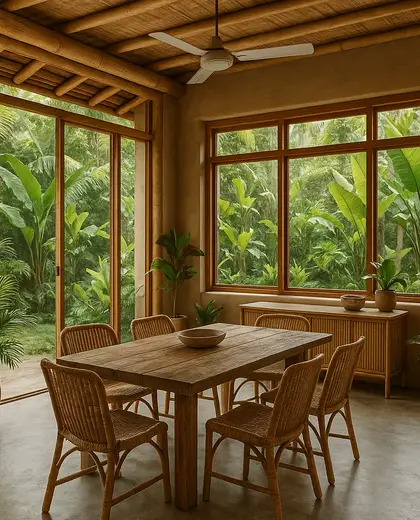
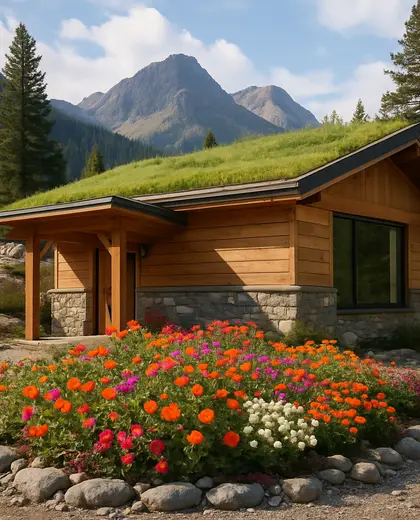
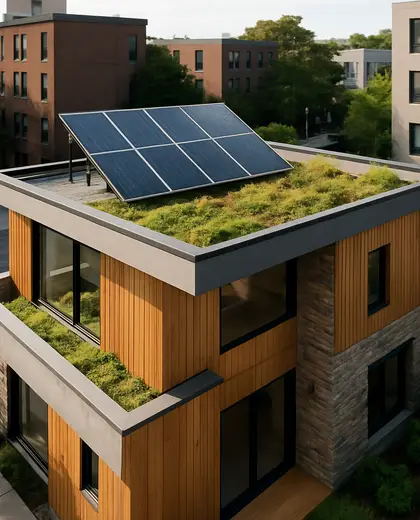
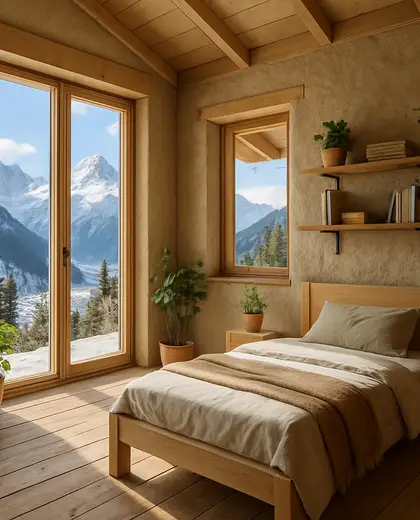
This composition is defined by durable, low-impact materials such as timber, lime plaster, recycled brick, and fiber-cement or metal cladding. The palette stays natural and restrained, with earthy browns, muted greens, soft whites, and warm grays. Its defining elements are shaded openings, efficient insulation, passive ventilation, and simple volumes that reduce energy use and visual excess.
- house
- sustainable
— References
References to explore
What makes a house feel sustainable without looking technical?
It usually comes from simple forms, natural finishes, and careful window placement rather than visible equipment. Shading, insulation, and ventilation can be integrated into the architecture so the house still feels calm and domestic.
Which materials work best for this style?
Materials with low embodied impact and long service life work well, especially timber, recycled brick, lime plaster, and durable cladding. The best choice depends on climate, maintenance expectations, and local availability.
— The style
What defines it
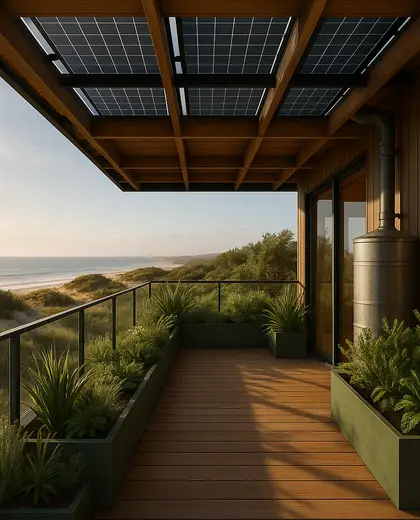
Timber structure, recycled or locally sourced brick, lime-based finishes, natural insulation, and long-life exterior cladding.
Earth tones, soft neutrals, muted green accents, and finishes with matte, weathered, or lightly textured surfaces.
Passive design, daylight control, rainwater harvesting, solar-ready roofs, and compact floor plans.
— Professionals
Who has already built it
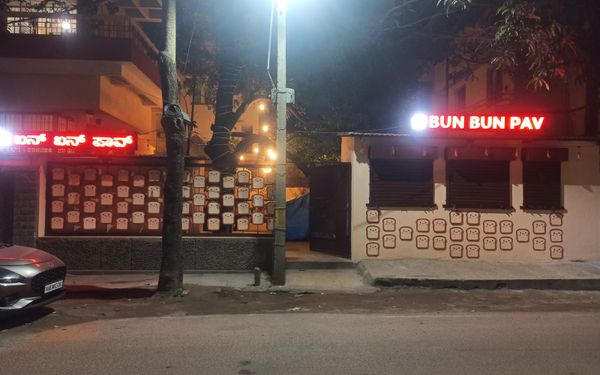

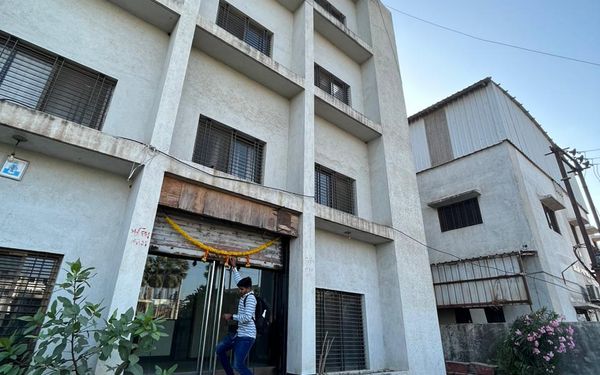

- mawar electrical serviceselectricians · Bengaluru · 1 projectsView profile →
- the achievers archsmart home professionals · Delhi · 1 projectsView profile →
- home interior decoratorscarpenters · Rampur · 3 projectsView profile →
- pavit ceramics pvt ltdceramic manufacturers · Ahmedabad · 2 projectsView profile →
— Explore
Keep exploring
— ARTICLES
Related reading
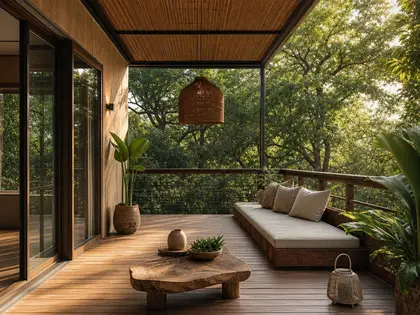
deck trends to know for a smarter, cleaner outdoor upgrade
A practical look at the latest deck trends in materials, colours, layout and tech, plus what is fading and easy ways to refresh without a full rebuild.
Read article →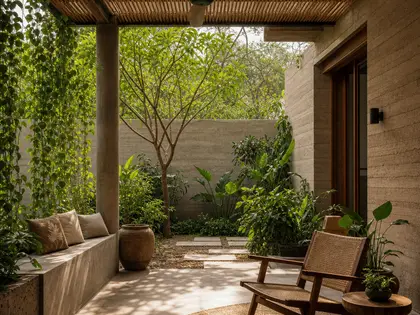
5 practical patio tips for a cooler, easier outdoor space
Simple, India-friendly patio ideas to make your outdoor area cooler, cleaner and more usable through the year.
Read article →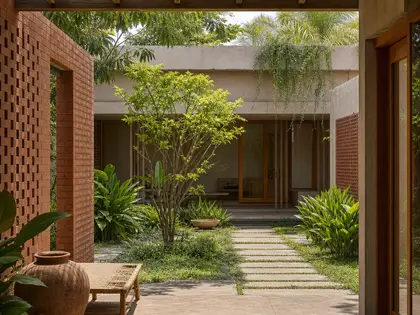
5 courtyard mistakes that spoil a beautiful outdoor room
Avoid the most common courtyard planning errors with practical, India-friendly tips for shade, drainage, paving, planting and low-maintenance comfort.
Read article →— Questions
Frequently asked questions
What makes a house feel sustainable without looking technical?
It usually comes from simple forms, natural finishes, and careful window placement rather than visible equipment. Shading, insulation, and ventilation can be integrated into the architecture so the house still feels calm and domestic.
Which materials work best for this style?
Materials with low embodied impact and long service life work well, especially timber, recycled brick, lime plaster, and durable cladding. The best choice depends on climate, maintenance expectations, and local availability.
Can a sustainable house still feel warm and inviting?
Yes. Warmth often comes from wood surfaces, textured plaster, natural light, and a limited palette that avoids harsh contrasts. These choices help the house feel comfortable while staying efficient.