— Ideas & inspiration
A house shaped by the coast
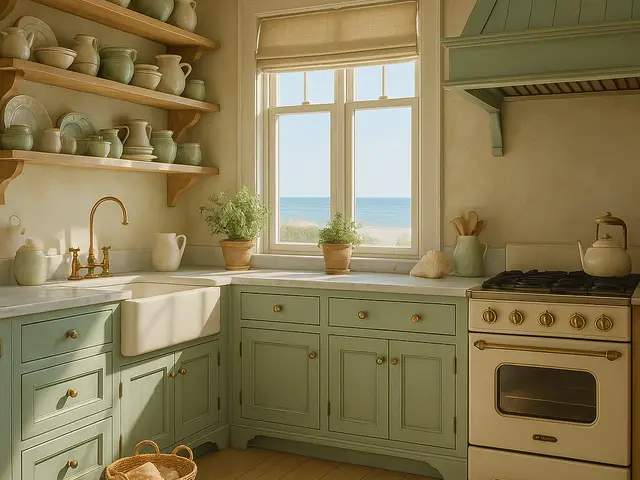
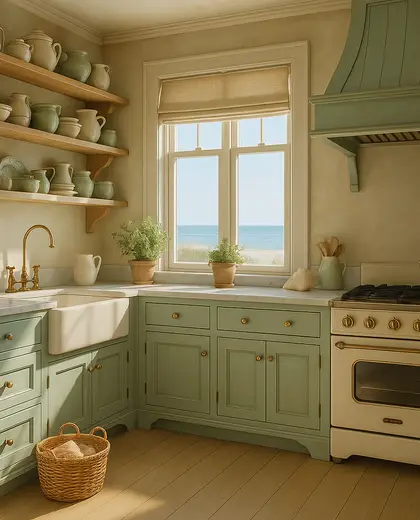
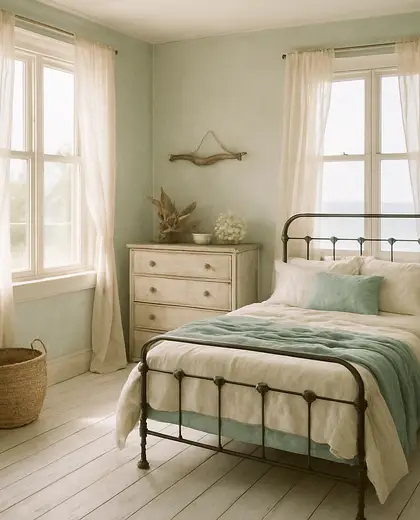
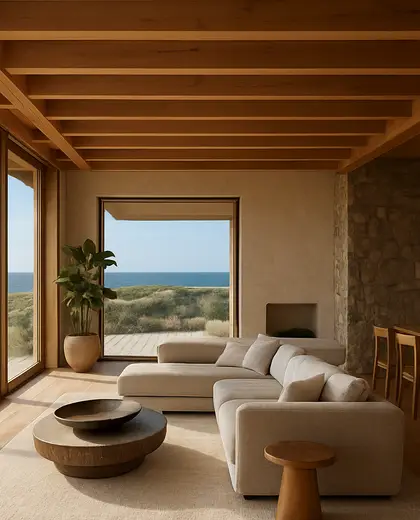
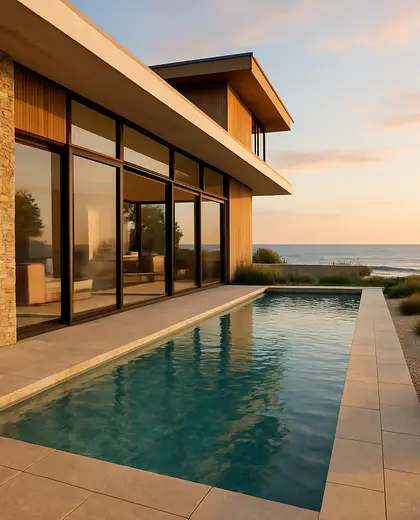
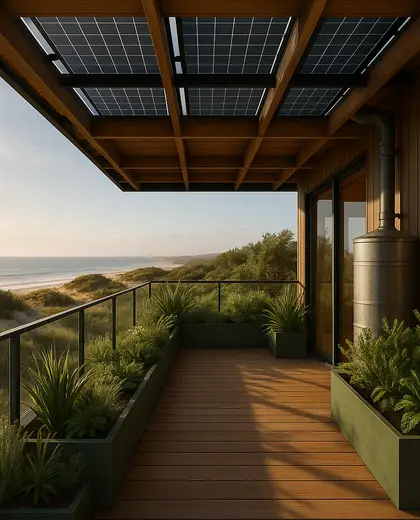
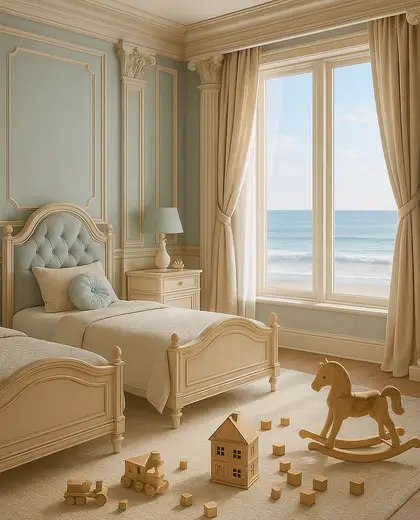
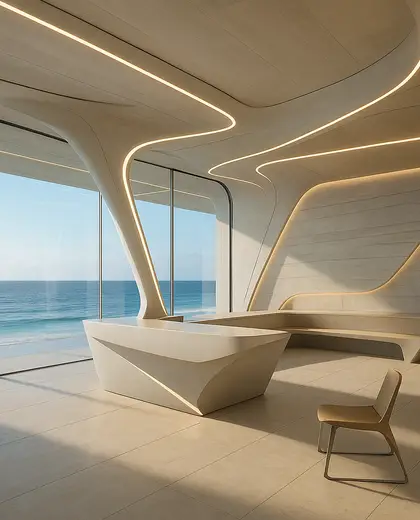
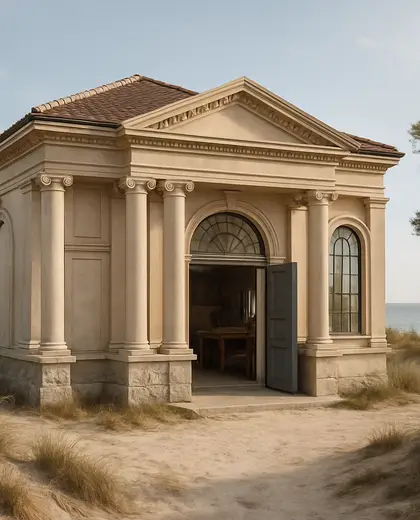
A coastal house is defined by light, salt-tolerant materials, and a plan that opens toward views, breezes, and outdoor living. Typical finishes include weathered wood, stone, stucco, painted timber, and large windows or shutters, with a palette drawn from sand, white, driftwood, and sea tones. The architecture often combines sheltered terraces, pitched or low-slung roofs, and durable details that can handle wind, humidity, and direct sun.
- house
- coastal
— References
References to explore
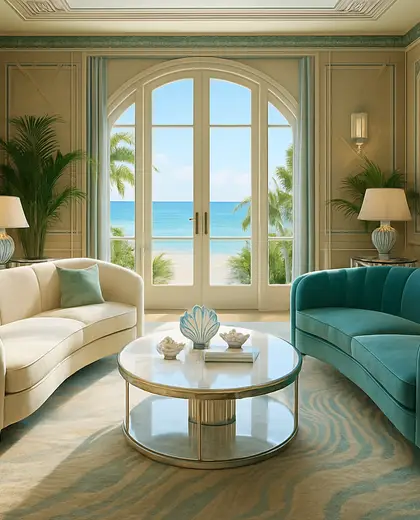
How do I make a house feel coastal without looking themed?
Use restrained colors, natural textures, and simple forms rather than nautical decor. Focus on light, ventilation, and materials that age well near salt and humidity.
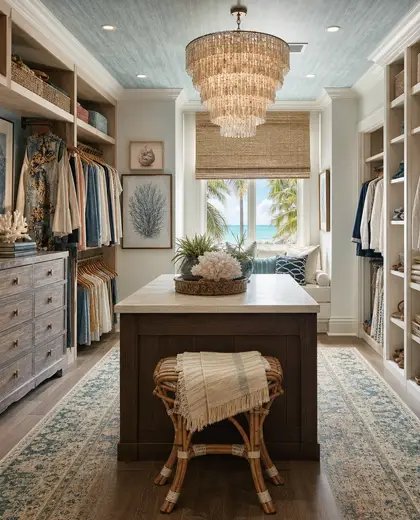
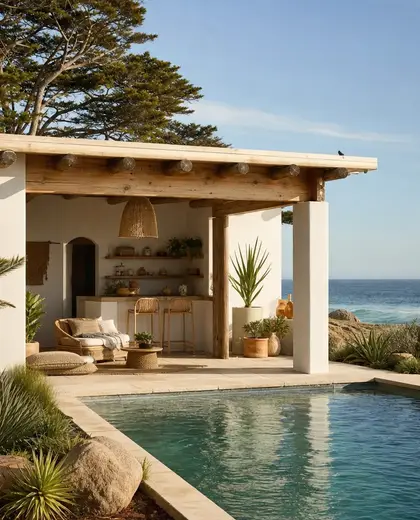
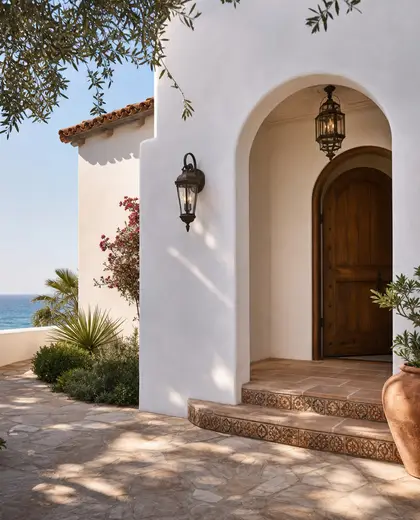
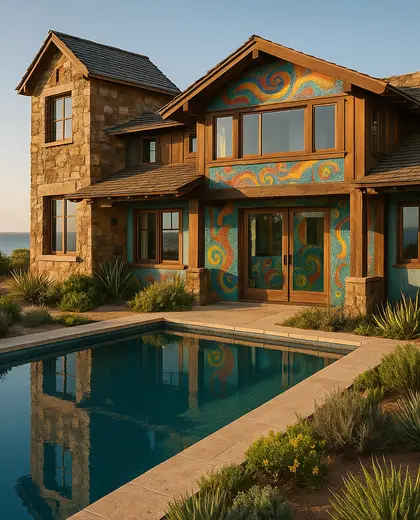
What exterior materials work best for a coastal house?
Choose finishes that can stand up to moisture, sun, and wind, such as stucco, treated wood, fiber cement, stone, and marine-grade metal details. The best mix depends on your local climate and maintenance preferences.
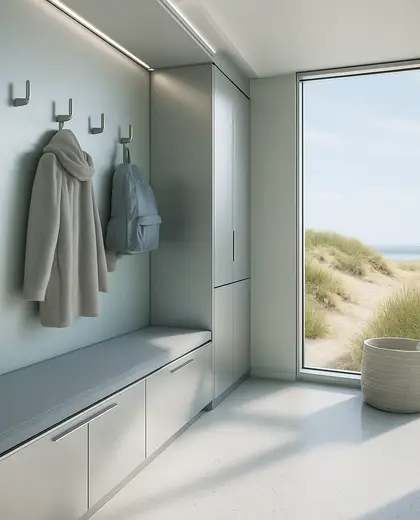
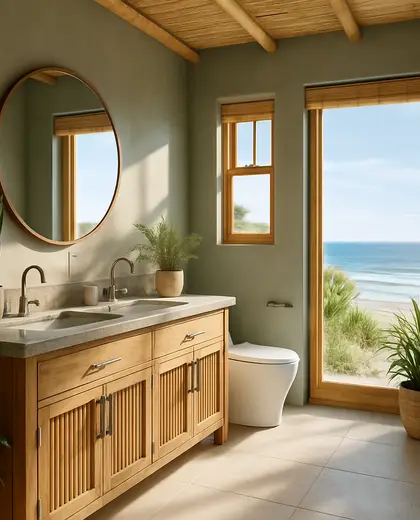
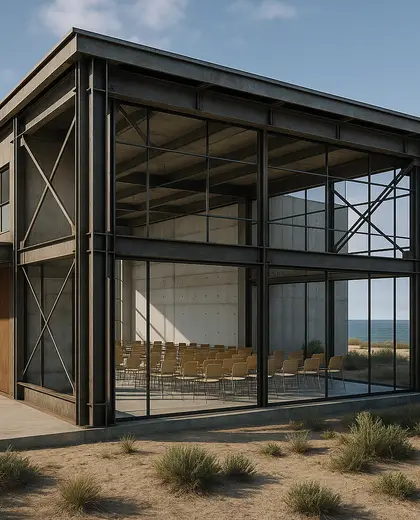
Can a coastal house work far from the beach?
Yes. The style is more about openness, light, and relaxed materials than a literal seaside location. You can adapt it to inland sites by using the same palette and spatial ideas.

— The style
What defines it
Weather-resistant wood, stucco, stone, metal roofing, and corrosion-resistant hardware are common choices.
Soft whites, sand, pale gray, weathered blue, and muted green create the coastal look.
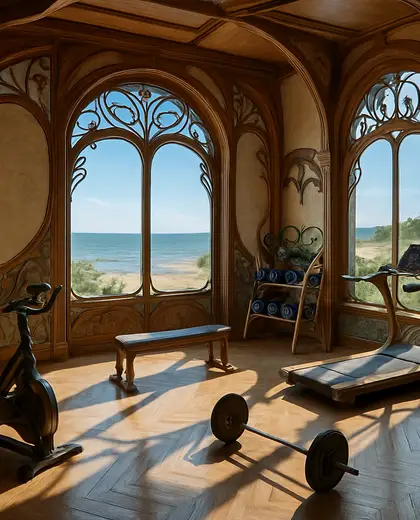
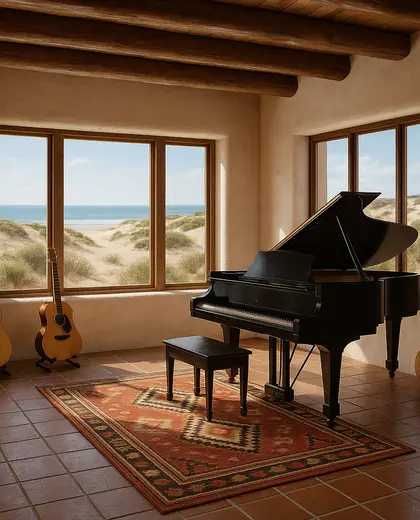
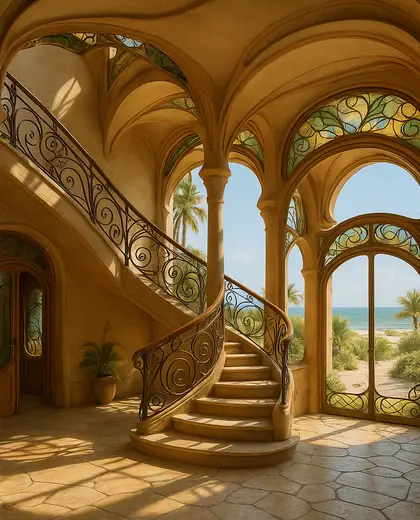
Open-plan living, indoor-outdoor transitions, porches, decks, and large glazed openings toward the water or horizon.
— Professionals
Who has already built it
- wanderlust architectsarchitects · Jaipur · 8 projectsView profile →
- Bristolfurniture sellers · Bangalore · 6 projectsView profile →
- FurnitureRootsfurniture makers · Jodhpur · 6 projectsView profile →
- Bakajoiners · Chennai · 5 projectsView profile →
— Explore
Keep exploring
— Questions
Frequently asked questions
How do I make a house feel coastal without looking themed?
Use restrained colors, natural textures, and simple forms rather than nautical decor. Focus on light, ventilation, and materials that age well near salt and humidity.
What exterior materials work best for a coastal house?
Choose finishes that can stand up to moisture, sun, and wind, such as stucco, treated wood, fiber cement, stone, and marine-grade metal details. The best mix depends on your local climate and maintenance preferences.
Can a coastal house work far from the beach?
Yes. The style is more about openness, light, and relaxed materials than a literal seaside location. You can adapt it to inland sites by using the same palette and spatial ideas.