— Ideas & inspiration
Master bedroom
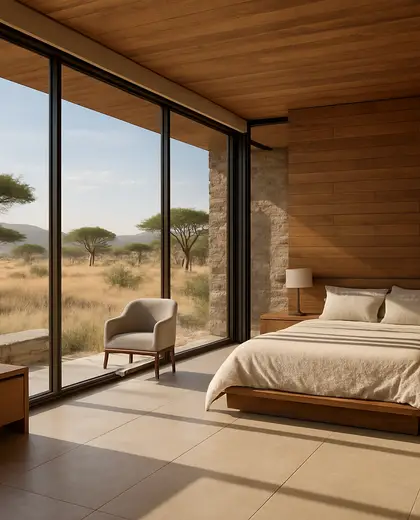
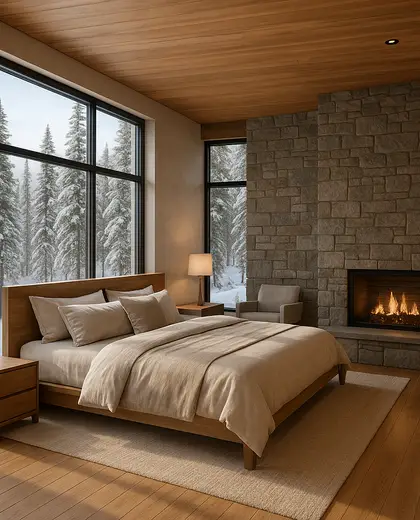
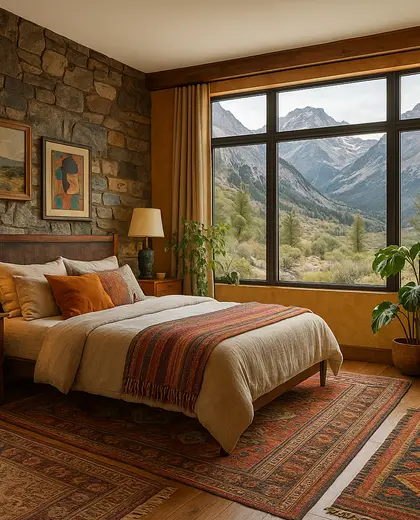
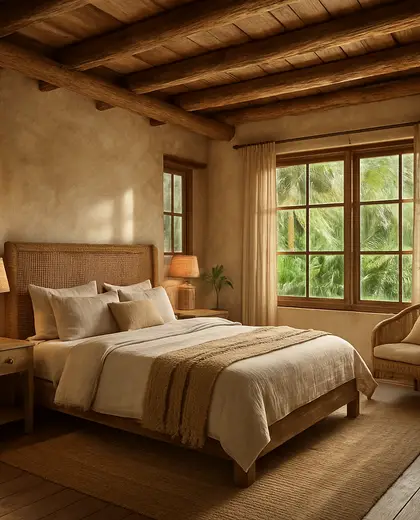
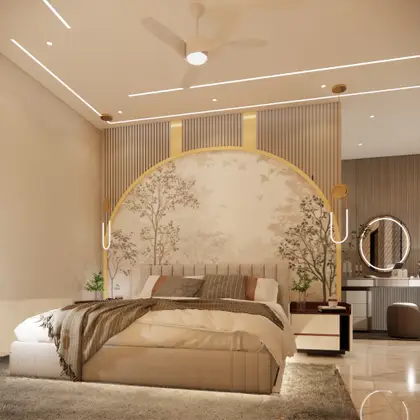
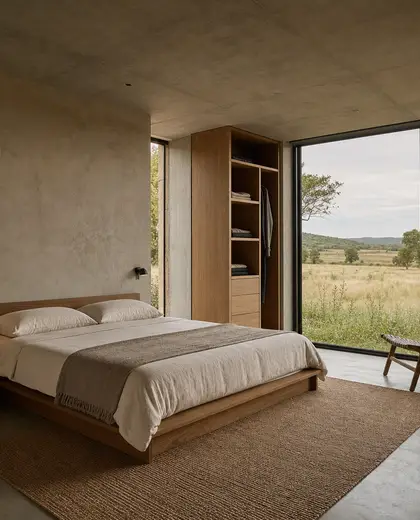
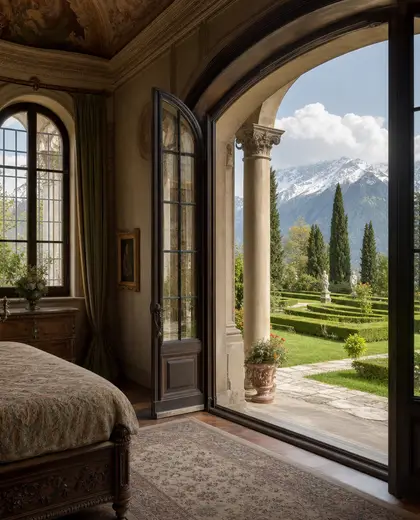
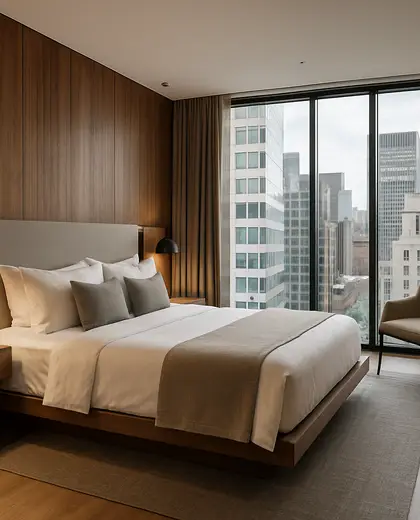
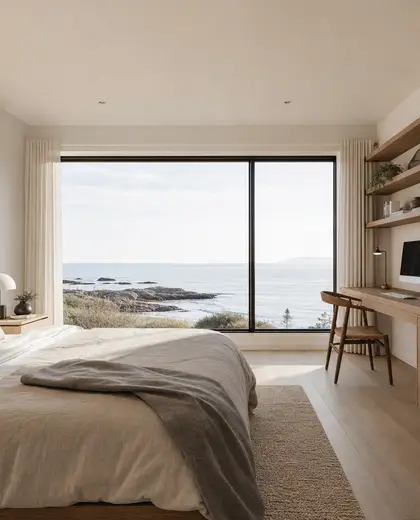
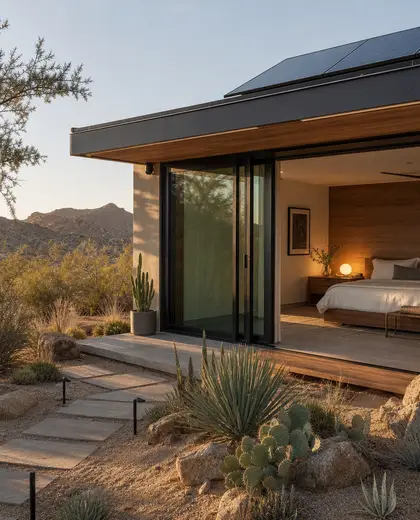
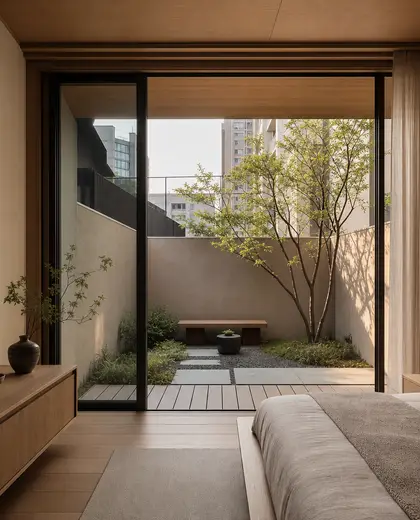
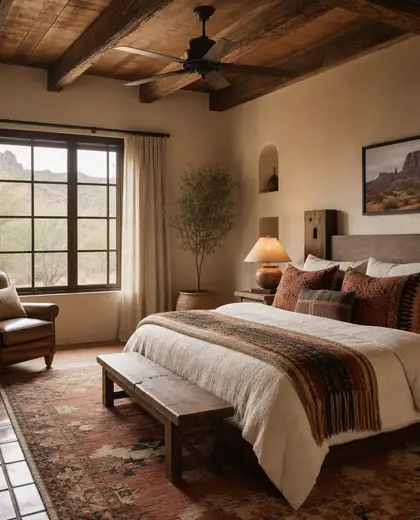
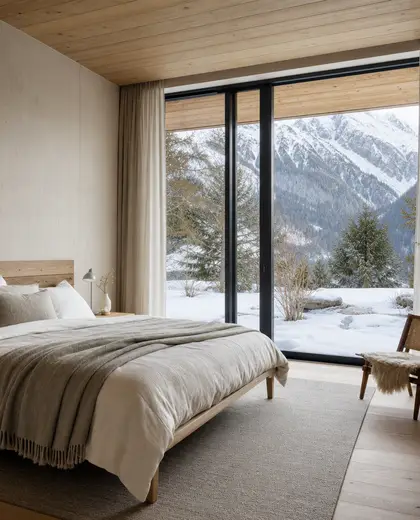
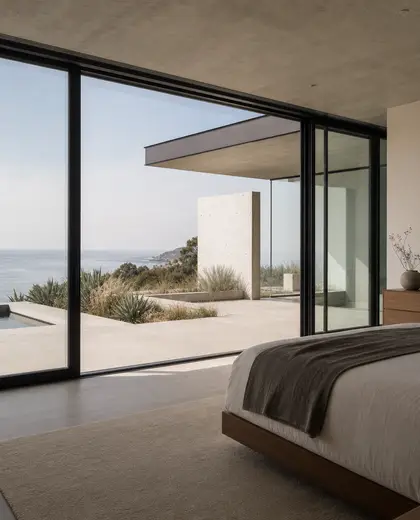
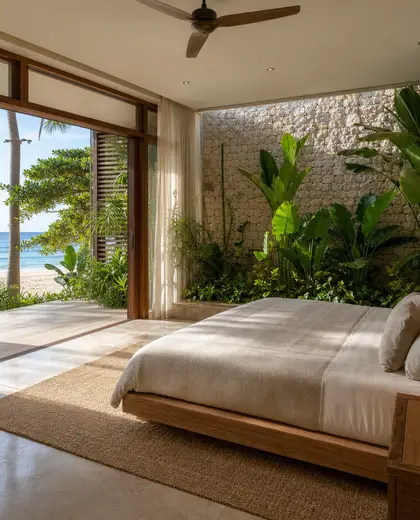
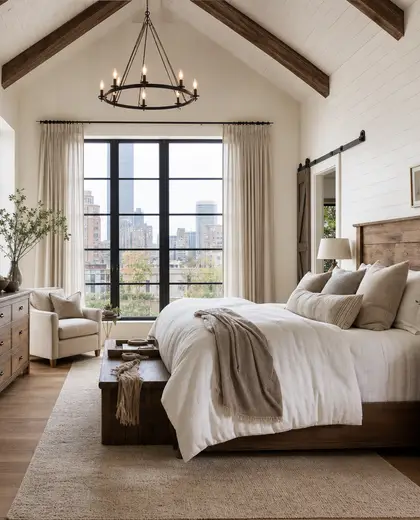
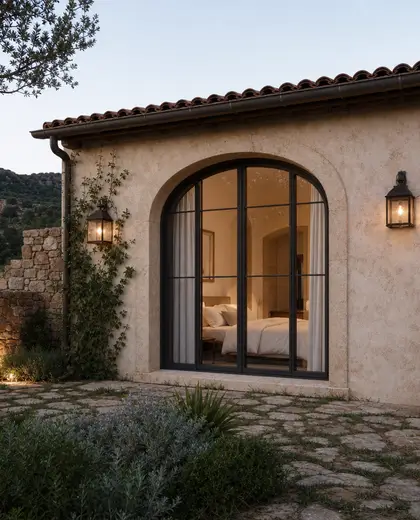
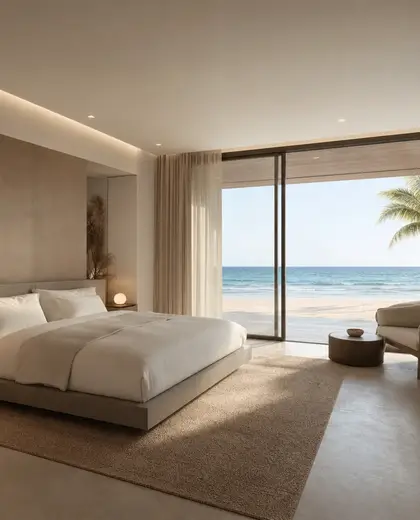
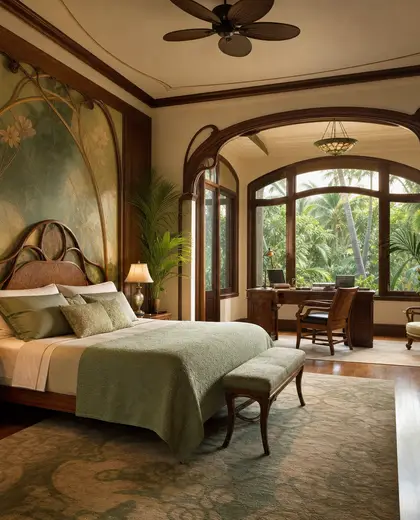
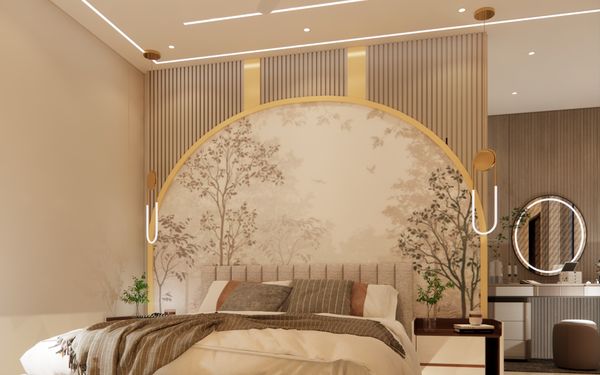
A master bedroom is defined by a calm, primary sleeping space with a larger bed, clear circulation, and a comfortable balance of privacy and storage. It typically uses soft, layered materials such as wood, upholstered textiles, linen, and painted or plastered walls, with lighting that supports both rest and reading. The look is usually quiet and restrained, built around a grounded bed wall, full-height wardrobes, and a few carefully chosen accents.
- master bedroom

— References
References to explore
What makes a room read as a master bedroom instead of a regular bedroom?
It is usually the primary bedroom in the home, with more generous proportions, dedicated storage, and a layout that prioritizes comfort and privacy.
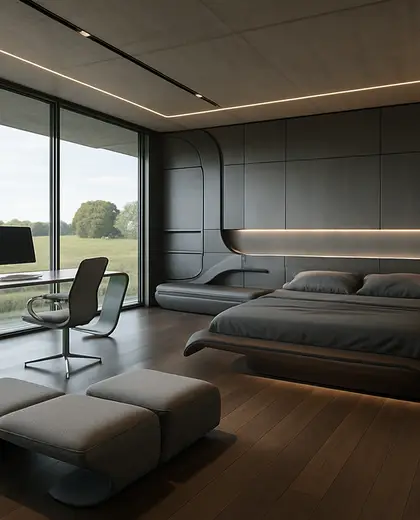
What materials work best in a master bedroom?
Soft, quiet materials usually work best: timber, fabric upholstery, linen, wool, carpet, and painted walls. Hard surfaces can be included, but they are typically balanced with warmer textures.
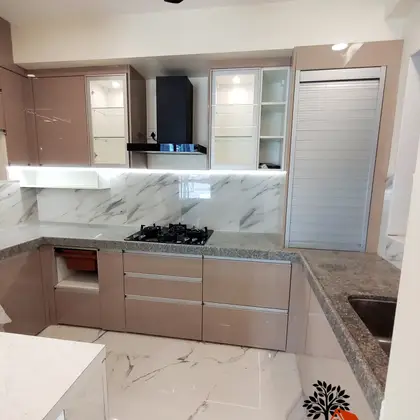
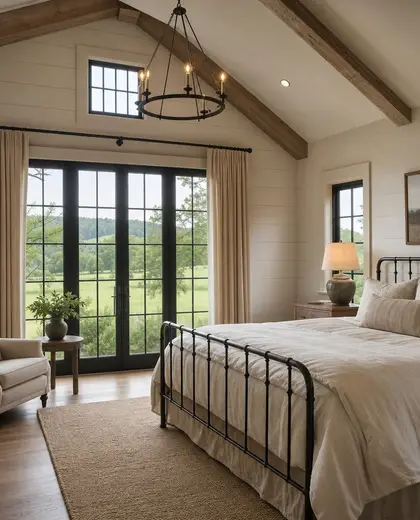
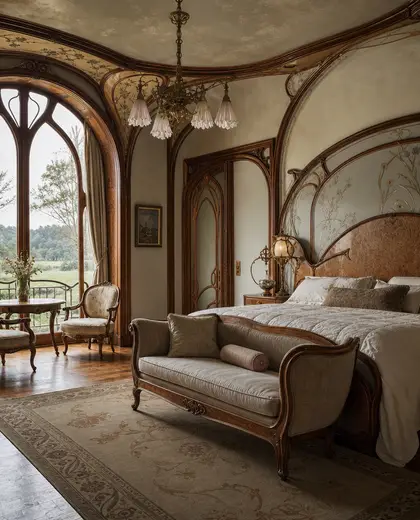
How should a master bedroom connect to the rest of the home?
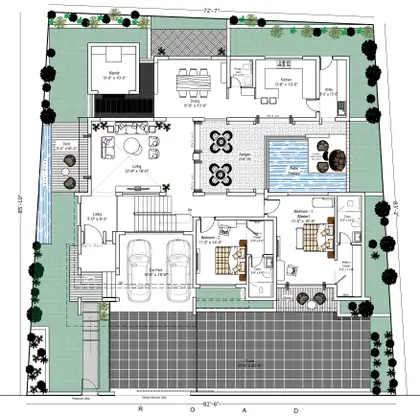
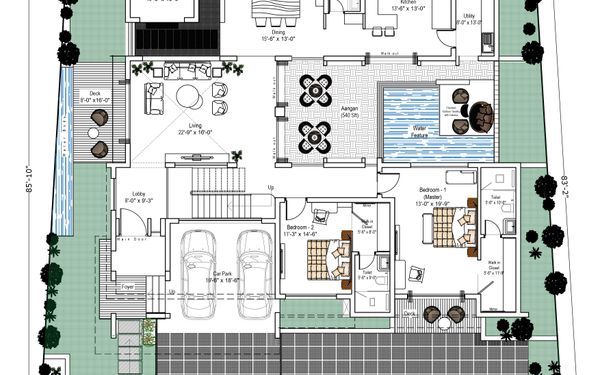
It should feel more private and calmer than shared spaces, with controlled light, simple circulation, and access to nearby functions such as an ensuite or closet if the plan allows.



— The style
What defines it
Common finishes include timber, upholstered headboards, linen bedding, carpet or wood flooring, matte paint, and occasional stone or metal details.
Neutral and low-contrast palettes are most common: white, warm beige, taupe, sand, greige, soft grey, with deeper accent tones used sparingly.
Often paired with an ensuite bathroom, walk-in wardrobe, reading nook, blackout curtains, and layered lighting for a more complete suite.
— Professionals
Who has already built it



- Bristolfurniture sellers · Bangalore · 6 projectsView profile →
- FurnitureRootsfurniture makers · Jodhpur · 6 projectsView profile →
- Bakajoiners · Chennai · 5 projectsView profile →
- Natural Veneersbuilding material distributors · Mumbai · 4 projectsView profile →
— Questions
Frequently asked questions
What makes a room read as a master bedroom instead of a regular bedroom?
It is usually the primary bedroom in the home, with more generous proportions, dedicated storage, and a layout that prioritizes comfort and privacy.
What materials work best in a master bedroom?
Soft, quiet materials usually work best: timber, fabric upholstery, linen, wool, carpet, and painted walls. Hard surfaces can be included, but they are typically balanced with warmer textures.
How should a master bedroom connect to the rest of the home?
It should feel more private and calmer than shared spaces, with controlled light, simple circulation, and access to nearby functions such as an ensuite or closet if the plan allows.