— Ideas & inspiration
Industrial composition
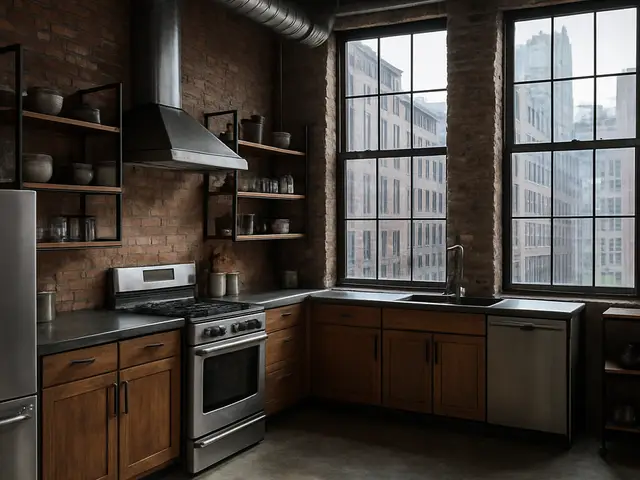
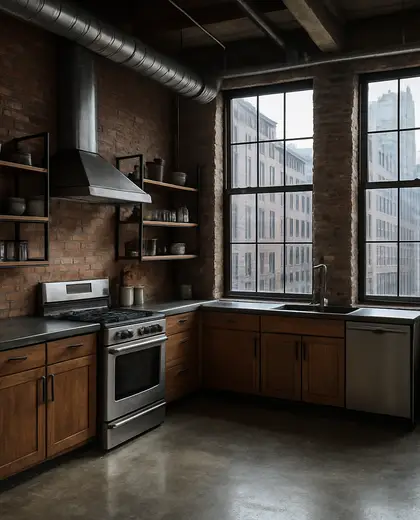
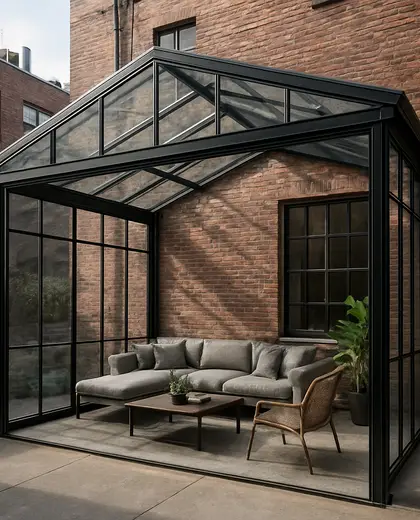
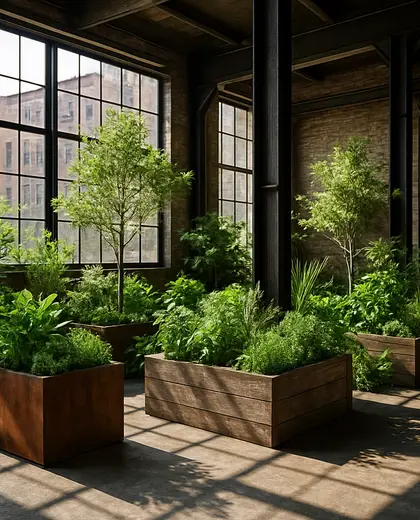
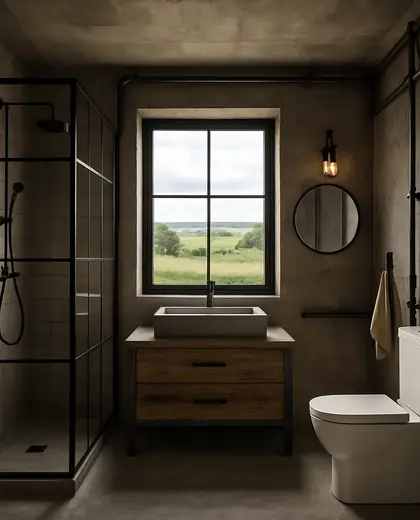
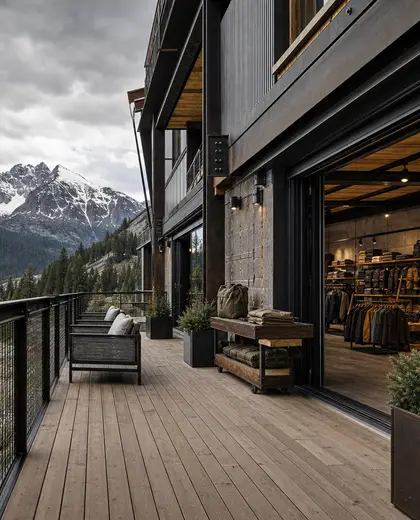
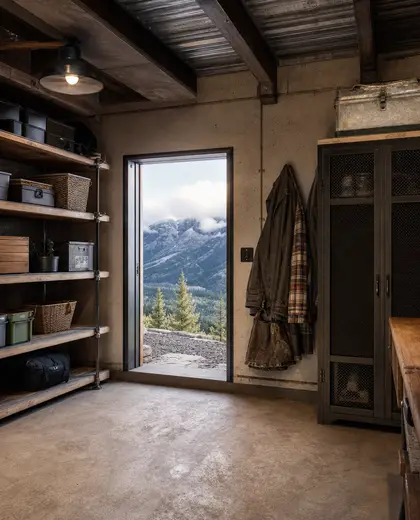
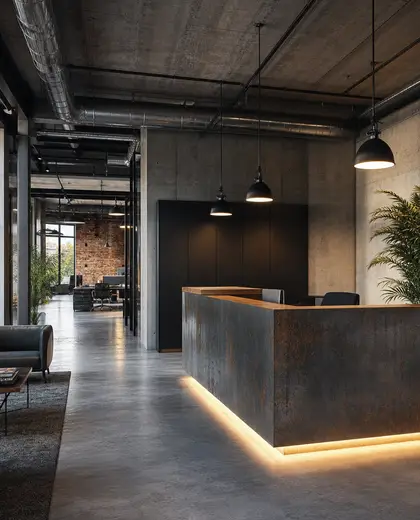
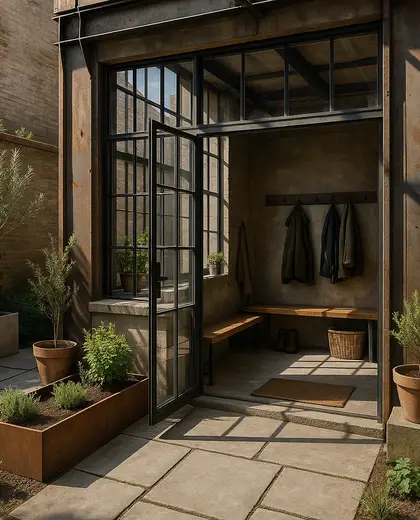
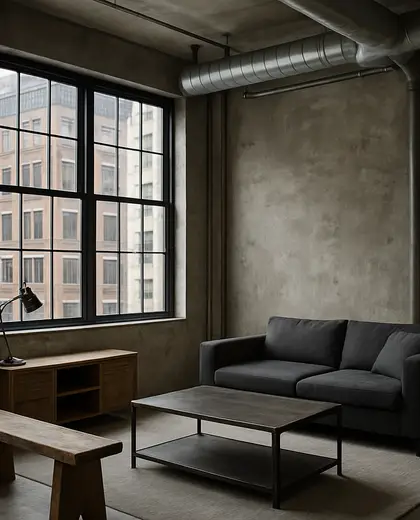
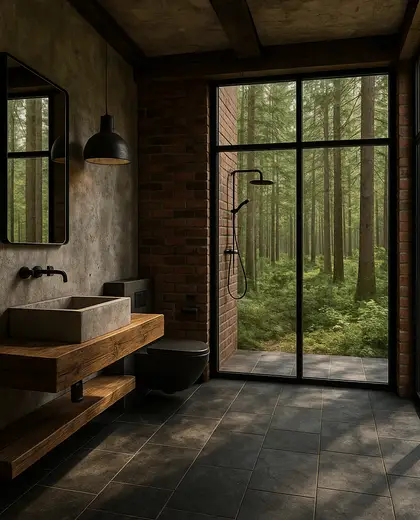
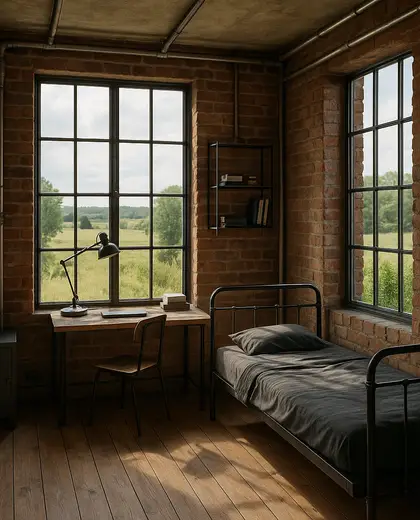
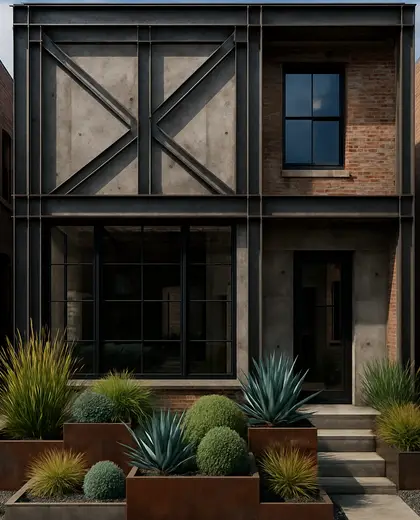
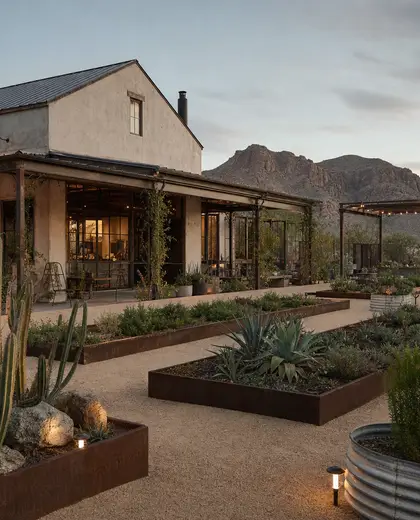
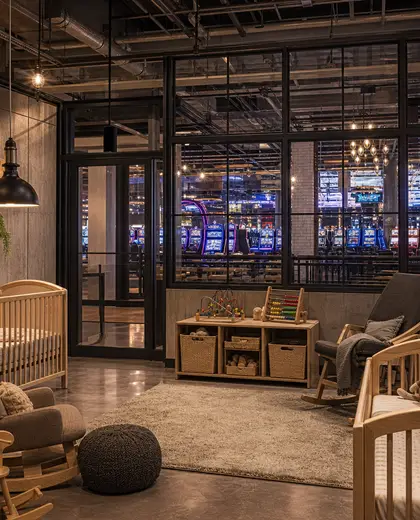
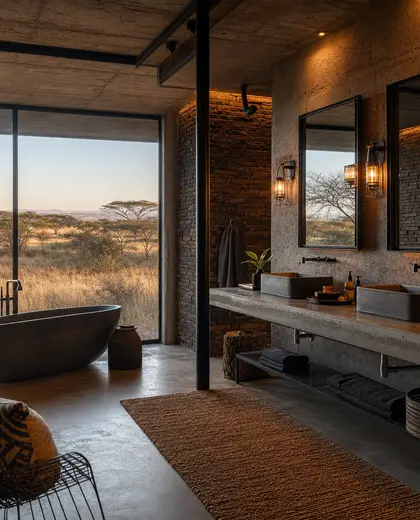
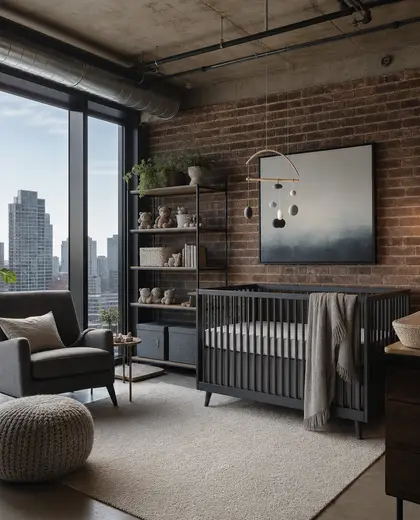
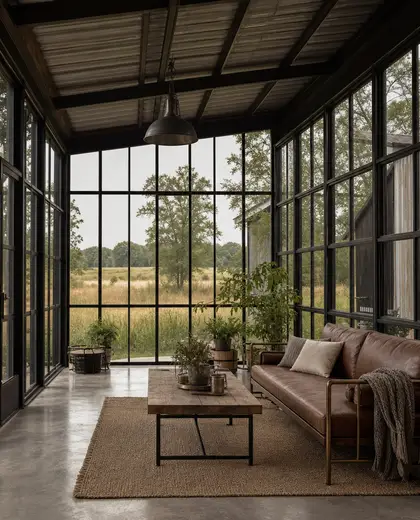
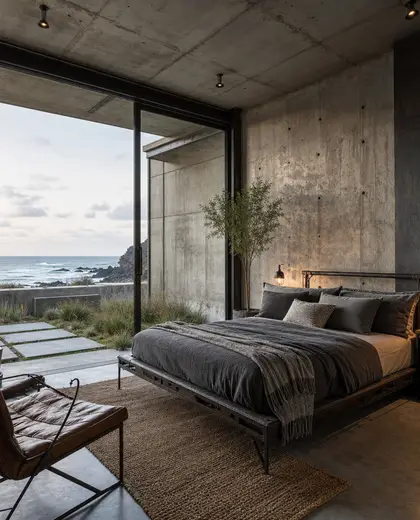
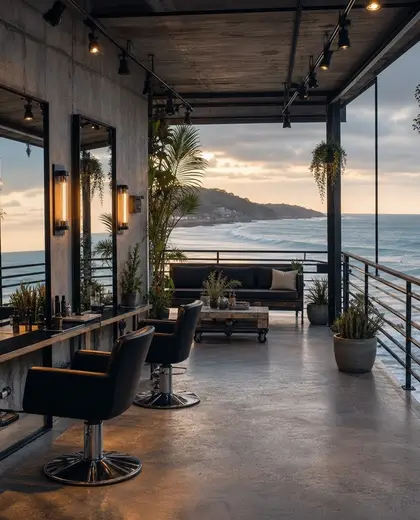
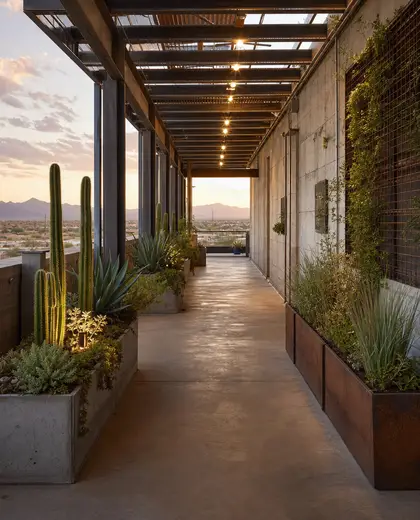
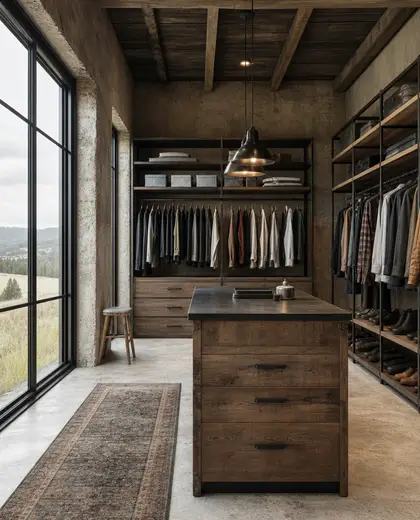
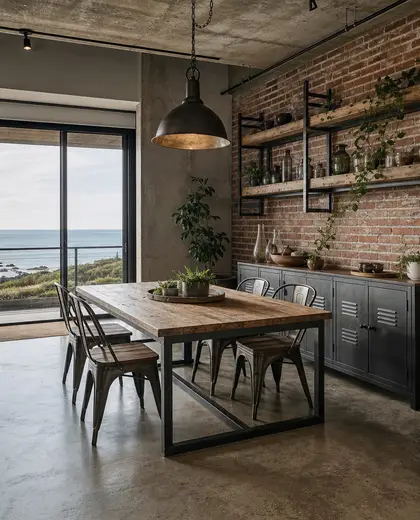
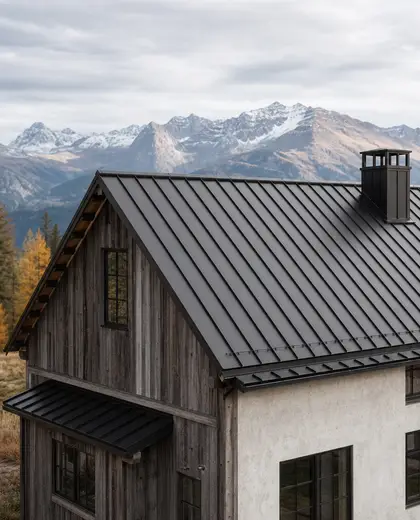
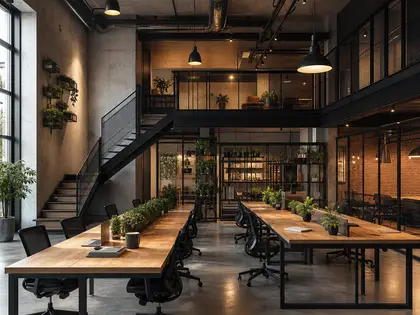
Industrial composition is defined by exposed structural and service elements, such as brick, concrete, steel, and visible ductwork. The palette is usually muted and utilitarian, built around grays, blacks, browns, and weathered finishes. It often includes factory-inspired details like metal-framed glazing, open shelving, and reclaimed wood to soften the harder surfaces.
- industrial
— References
References to explore
Does industrial design have to look cold or unfinished?
No. It can feel balanced and comfortable when you add warmer woods, soft textiles, and layered lighting. The exposed structure stays visible, but the room does not need to feel stark.
What kind of spaces suit industrial composition best?
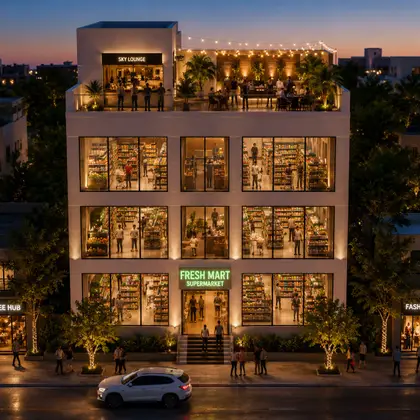
It works especially well in open-plan apartments, lofts, renovated warehouses, and modern homes with high ceilings or large windows. Smaller rooms can still use the style if the materials and colors are kept restrained.
Can industrial style be mixed with other styles?
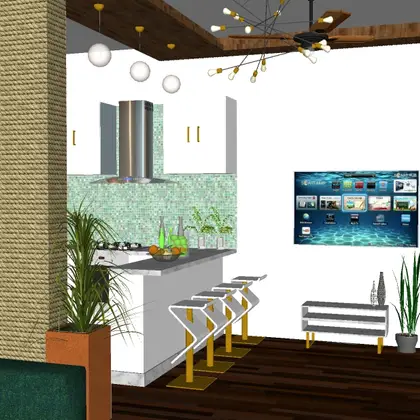
Yes. It often blends with modern, Scandinavian, or rustic elements. The key is to keep the industrial materials and darker accents as the backbone while softening the space with simpler furnishings.
— The style
What defines it
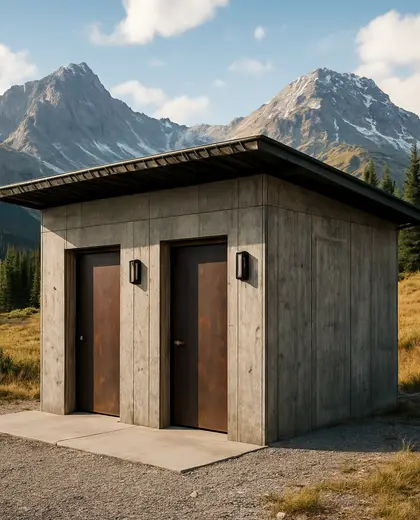
Raw concrete, exposed brick, blackened steel, iron, glass, and reclaimed wood are the core materials.
The palette stays neutral and grounded: charcoal, graphite, warm gray, rust, brown, and matte black, with occasional worn wood tones.
It pairs well with loft layouts, minimalist furniture, vintage pieces, and warmer textures like leather, wool, and timber.
— Professionals
Who has already built it




- Bristolfurniture sellers · Bangalore · 6 projectsView profile →
- FurnitureRootsfurniture makers · Jodhpur · 6 projectsView profile →
- Bakajoiners · Chennai · 5 projectsView profile →
- Natural Veneersbuilding material distributors · Mumbai · 4 projectsView profile →
— Questions
Frequently asked questions
Does industrial design have to look cold or unfinished?
No. It can feel balanced and comfortable when you add warmer woods, soft textiles, and layered lighting. The exposed structure stays visible, but the room does not need to feel stark.
What kind of spaces suit industrial composition best?
It works especially well in open-plan apartments, lofts, renovated warehouses, and modern homes with high ceilings or large windows. Smaller rooms can still use the style if the materials and colors are kept restrained.
Can industrial style be mixed with other styles?
Yes. It often blends with modern, Scandinavian, or rustic elements. The key is to keep the industrial materials and darker accents as the backbone while softening the space with simpler furnishings.