— Ideas & inspiration
Apartment interior design
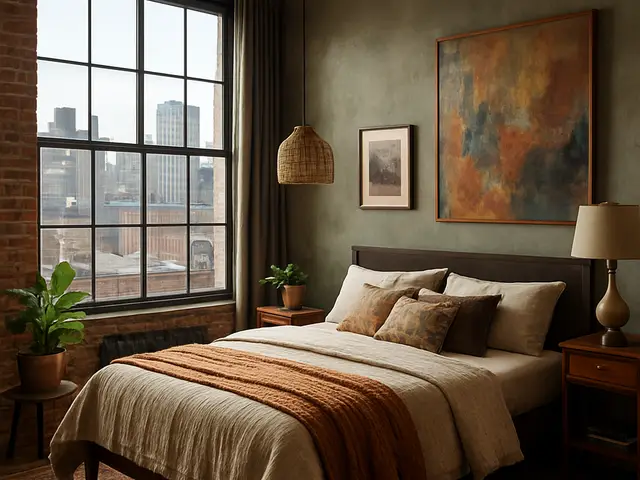
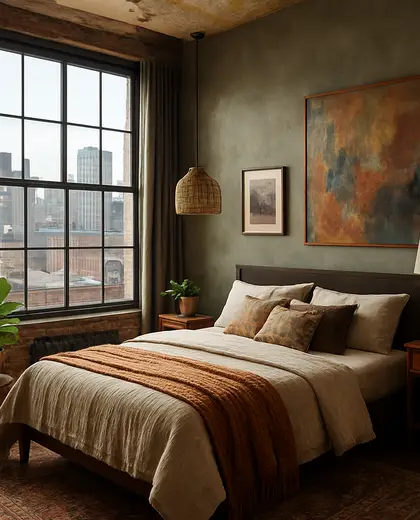
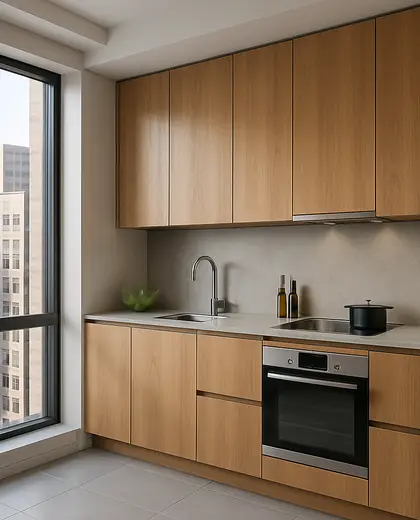
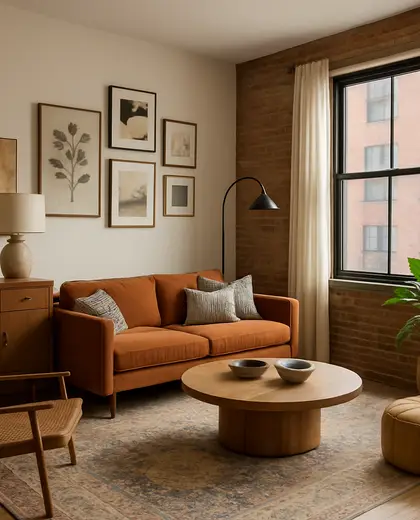
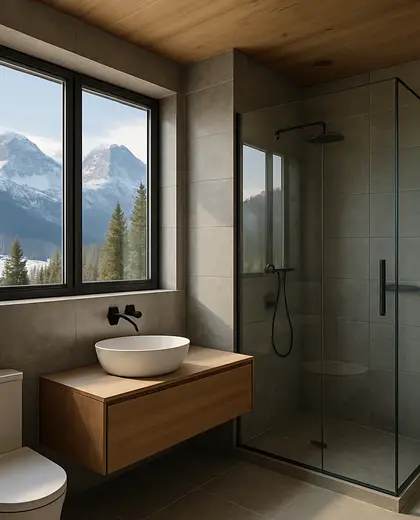
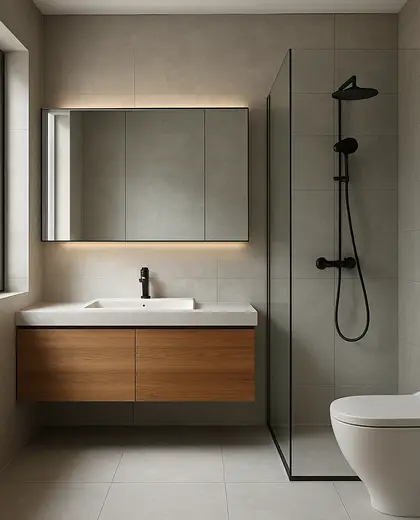
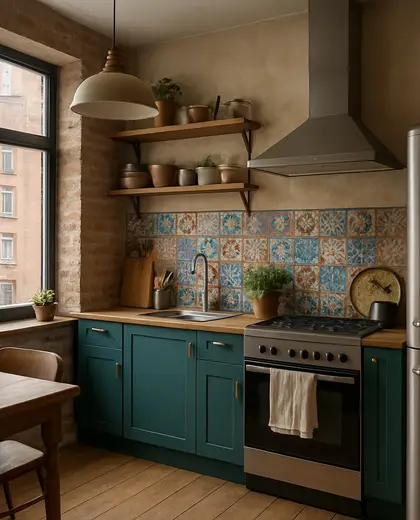
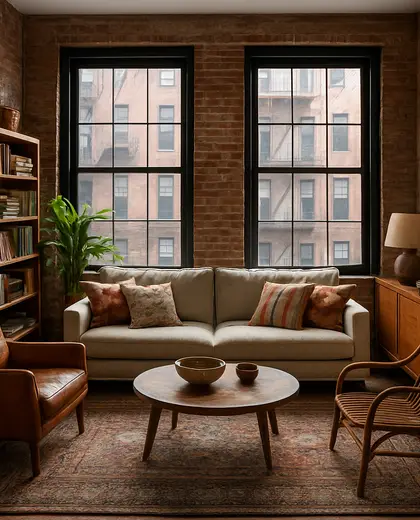
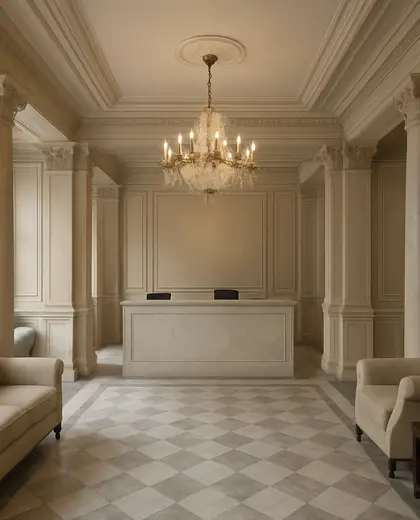
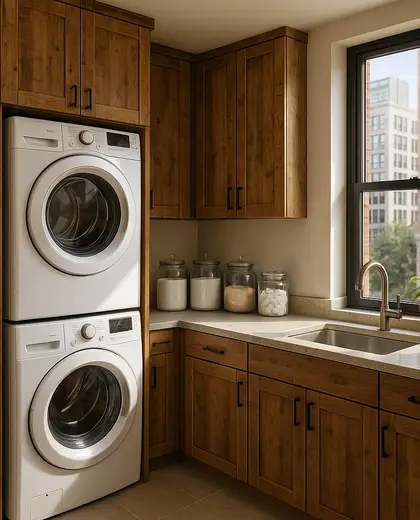
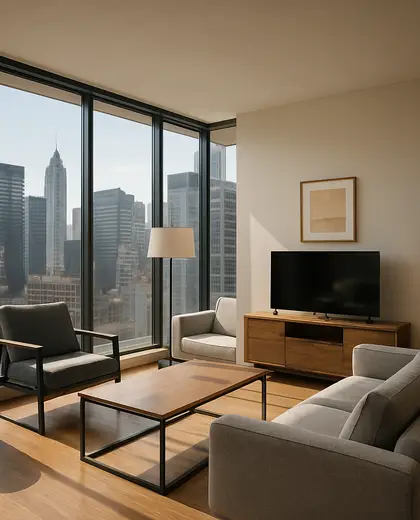
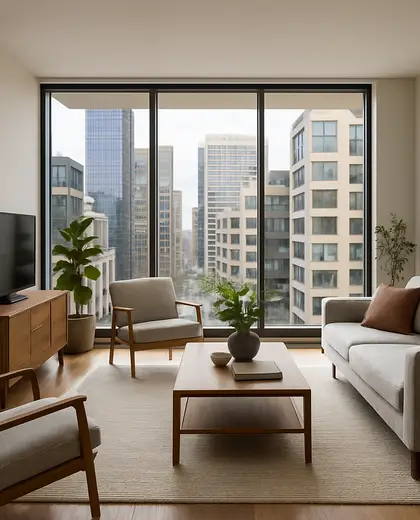
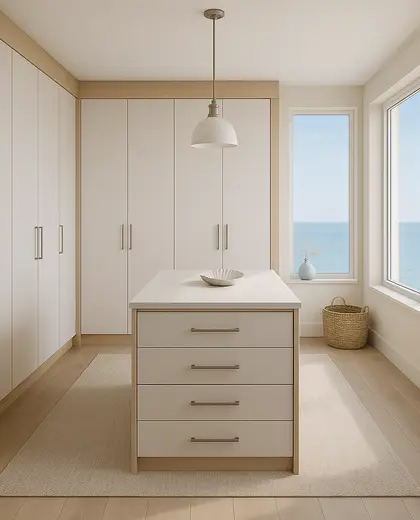
Apartment composition is defined by efficient planning, compact proportions, and durable finishes suited to everyday use. Typical materials include painted drywall, engineered wood or laminate flooring, stone or porcelain surfaces, metal details, and built-in storage. The palette is usually light and neutral, with warm wood tones and occasional darker accents to keep small rooms feeling open.
- apartment
— References
References to explore
What makes an apartment composition different from a house interior?
It usually focuses more on space-saving layouts, visual continuity, and storage built into walls or cabinetry, since floor area is limited.
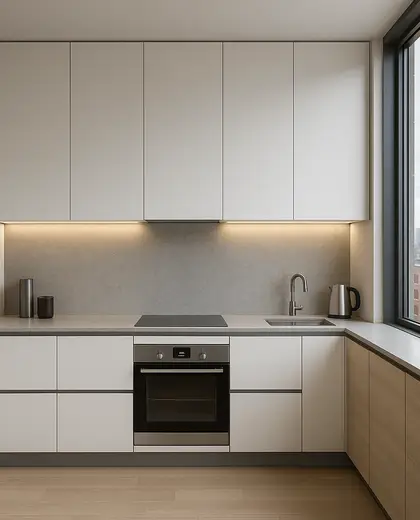
Which materials are best for an apartment?
Materials that handle frequent use and make the space feel lighter are common, such as engineered wood, porcelain, quartz or stone-look surfaces, and washable wall finishes.
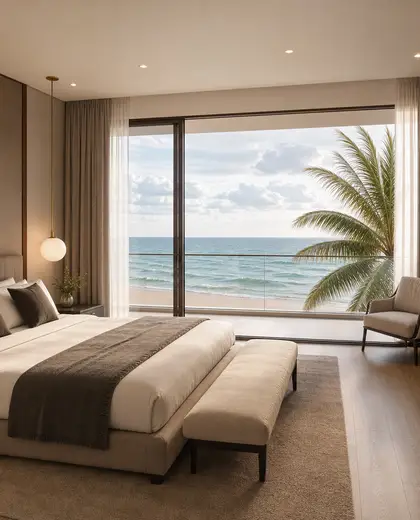
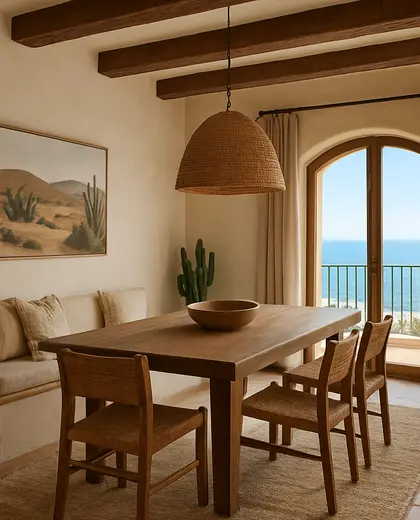
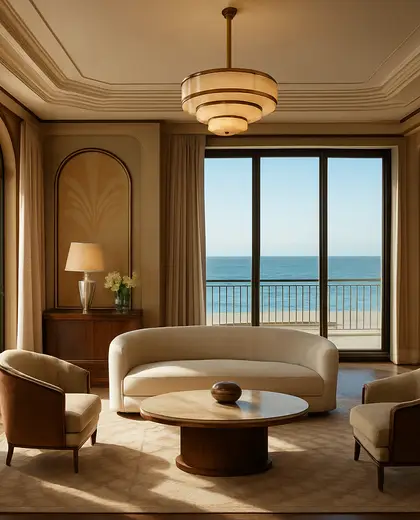
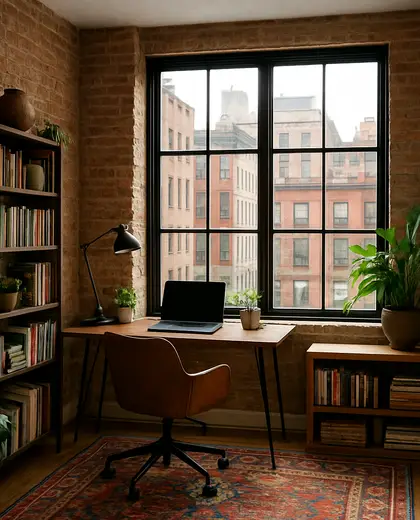
Can an apartment composition feel warm, or does it have to be minimal?
It can be warm as long as the warmth comes from texture, wood tones, soft fabrics, and lighting rather than heavy visual clutter.
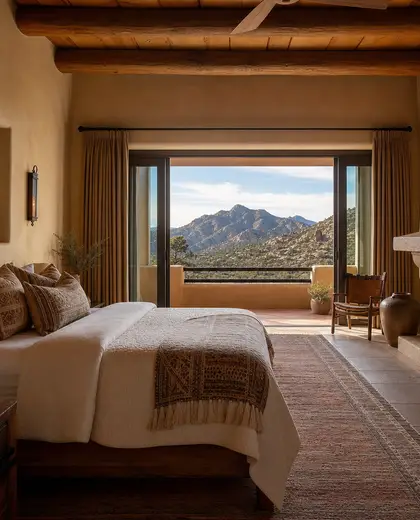
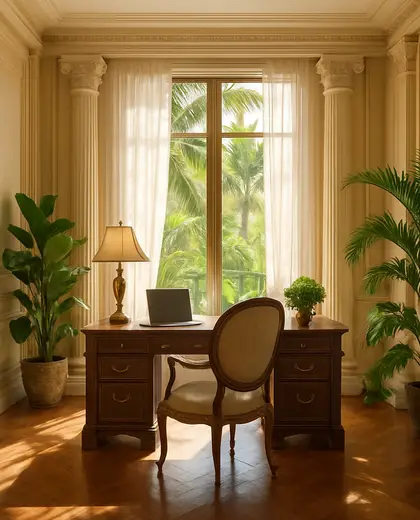
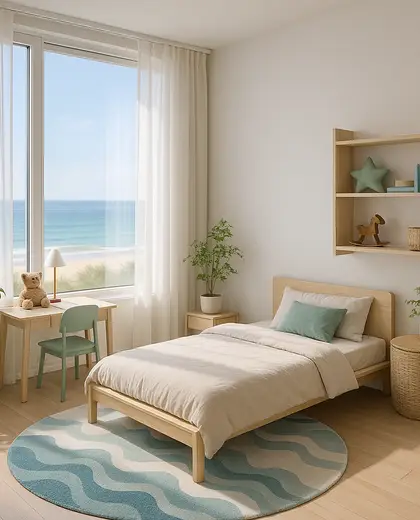
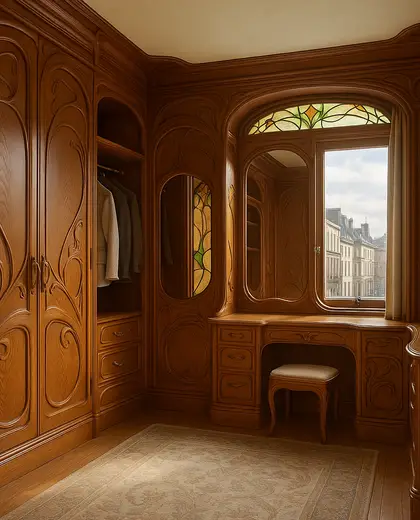
— The style
What defines it
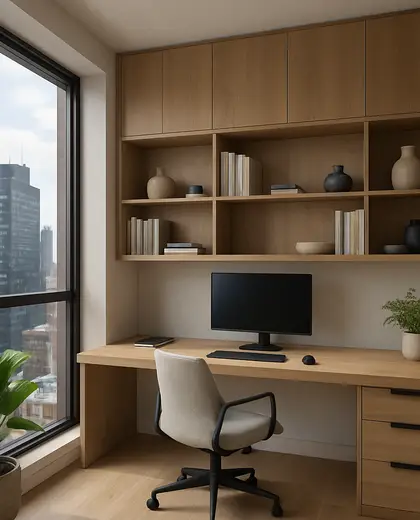
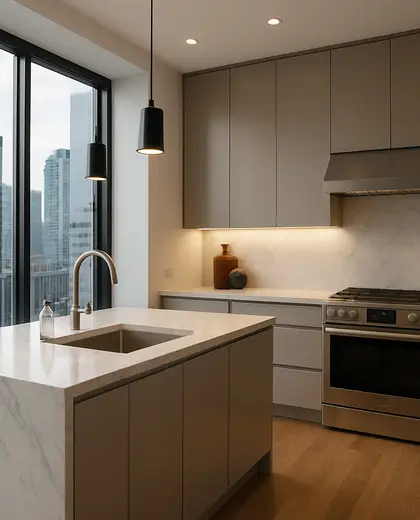
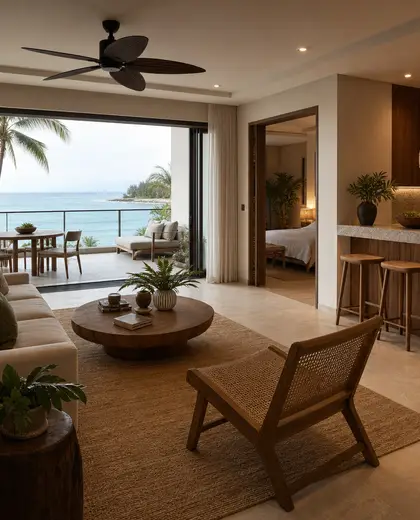
Painted walls, engineered wood, porcelain tile, glass, metal, and built-in millwork are common because they are practical and easy to maintain.
Soft whites, greiges, pale oak, charcoal, and muted earth tones help brighten the space and make room transitions feel calm.
Works well with compact furniture, integrated storage, slim-profile lighting, and flexible layouts that separate sleeping, living, and working zones.
— Professionals
Who has already built it
- nikitha kumananinterior designers · 6 projectsView profile →
- urban arch studioarchitects · 19 projectsView profile →
- Bristolfurniture sellers · Bangalore · 6 projectsView profile →
- FurnitureRootsfurniture makers · Jodhpur · 6 projectsView profile →
— Questions
Frequently asked questions
What makes an apartment composition different from a house interior?
It usually focuses more on space-saving layouts, visual continuity, and storage built into walls or cabinetry, since floor area is limited.
Which materials are best for an apartment?
Materials that handle frequent use and make the space feel lighter are common, such as engineered wood, porcelain, quartz or stone-look surfaces, and washable wall finishes.
Can an apartment composition feel warm, or does it have to be minimal?
It can be warm as long as the warmth comes from texture, wood tones, soft fabrics, and lighting rather than heavy visual clutter.