— Ideas & inspiration
Scandinavian composition
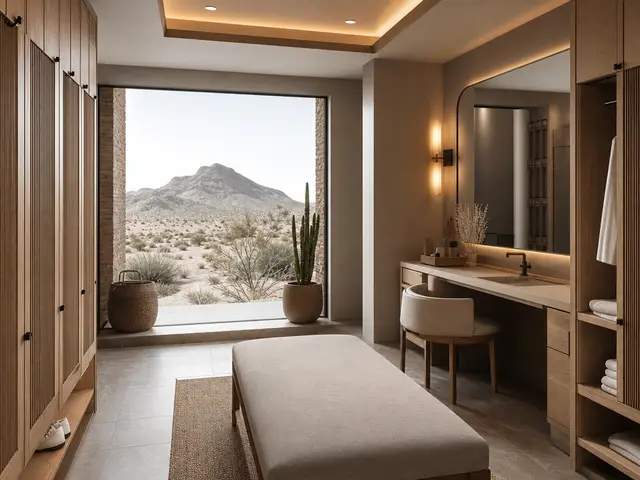
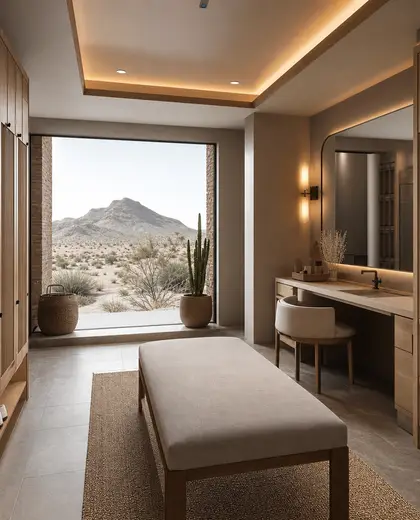
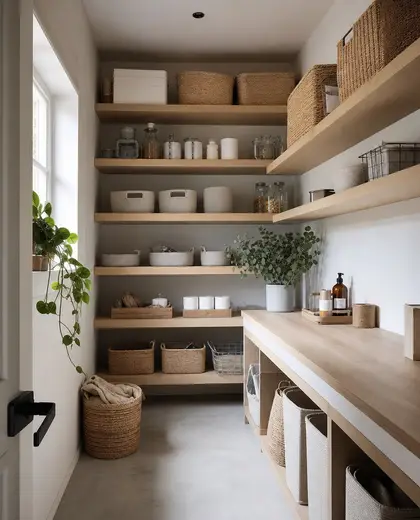
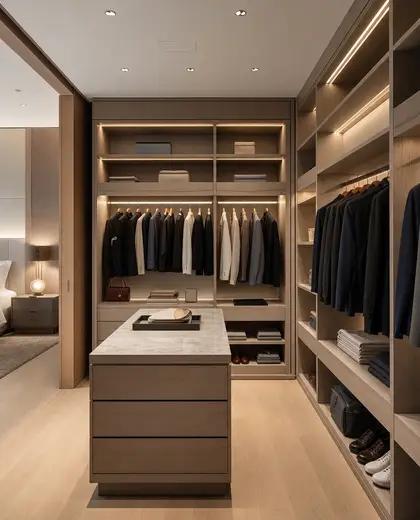
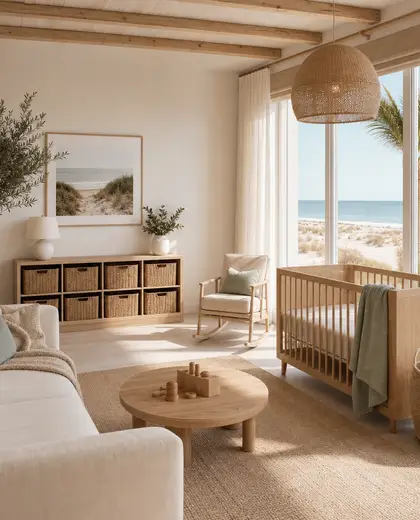
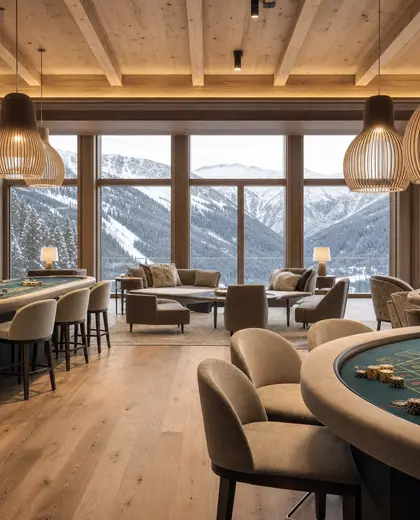
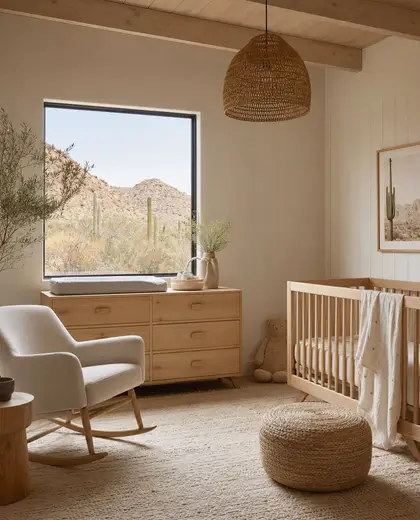
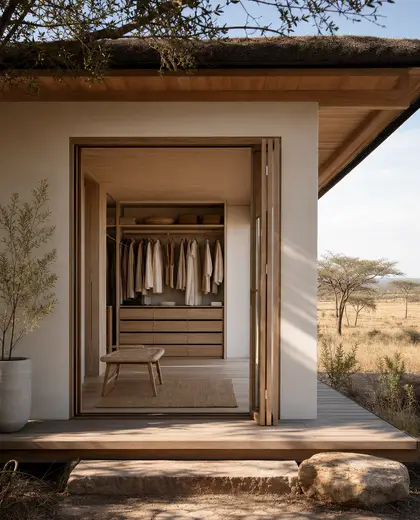
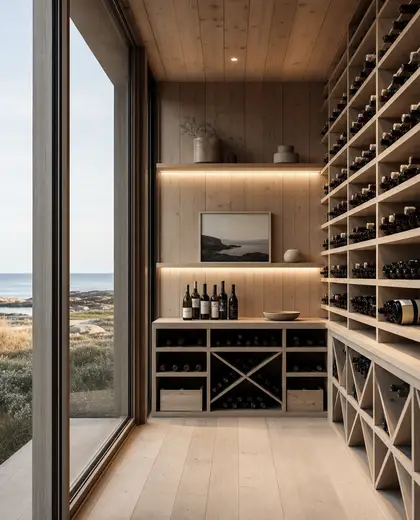
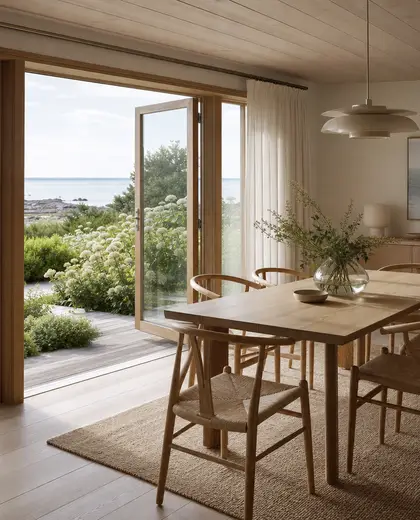
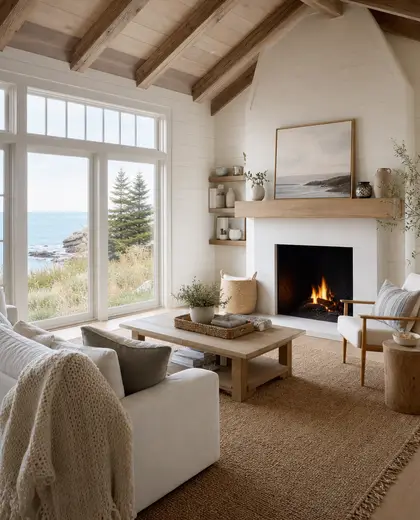
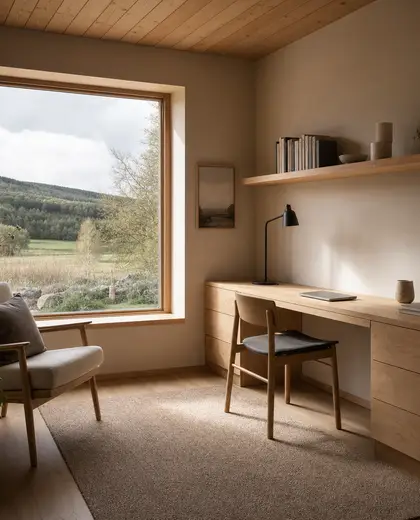
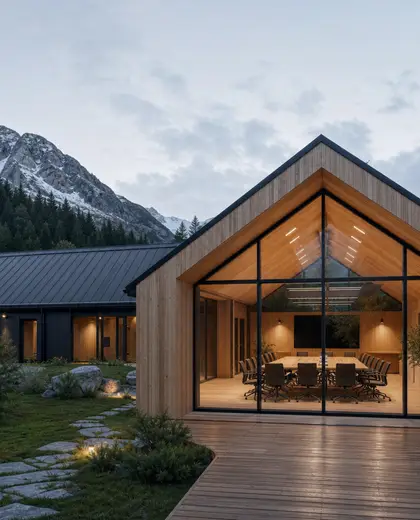
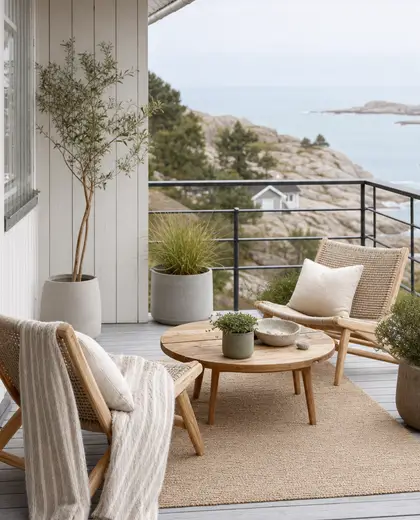
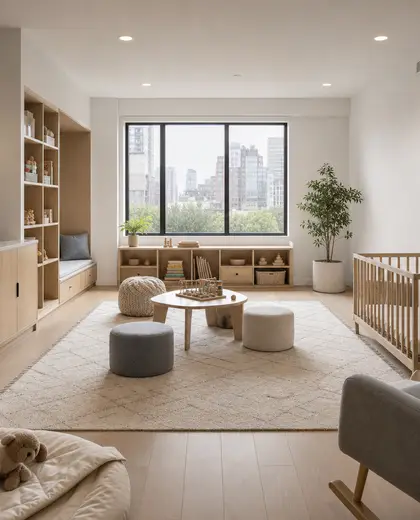
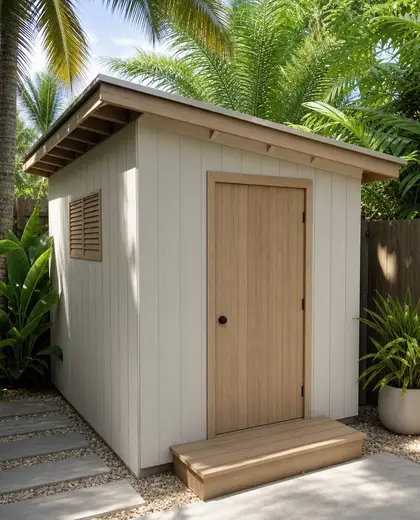
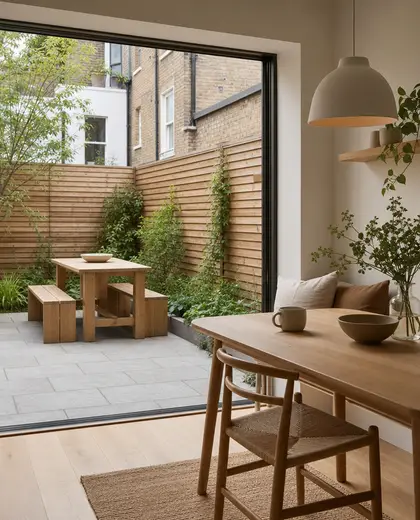
Scandinavian composition is defined by light-toned woods, painted surfaces, natural textiles, and simple, functional forms. The palette is usually white, soft gray, beige, and muted earth tones, with large windows or reflective finishes used to amplify daylight. It often includes clean-lined furniture, minimal ornament, and a restrained balance between warmth and practicality.
- scandinavian
— References
References to explore
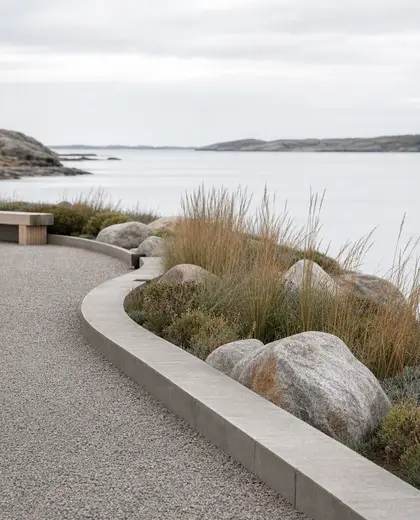
What makes a space feel Scandinavian rather than just minimal?
Scandinavian spaces usually keep the minimal look but add warmth through wood, textured textiles, and daylight-friendly finishes. The result feels softer and more livable than strict minimalism.
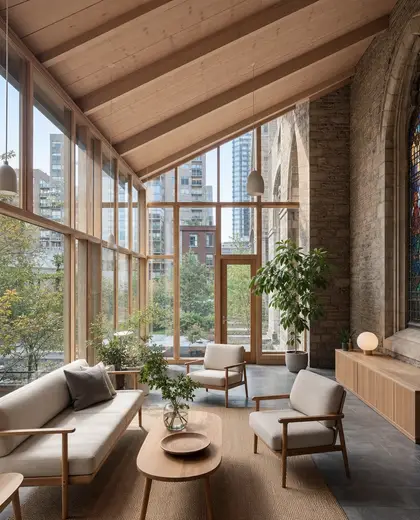
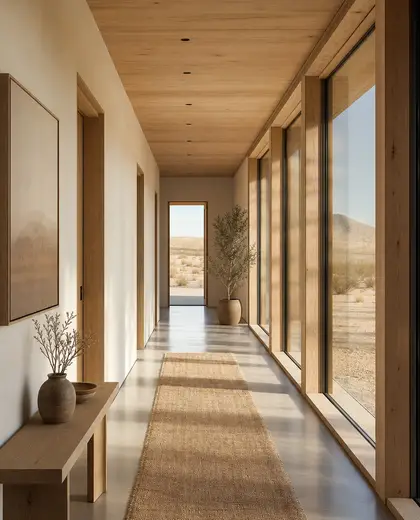
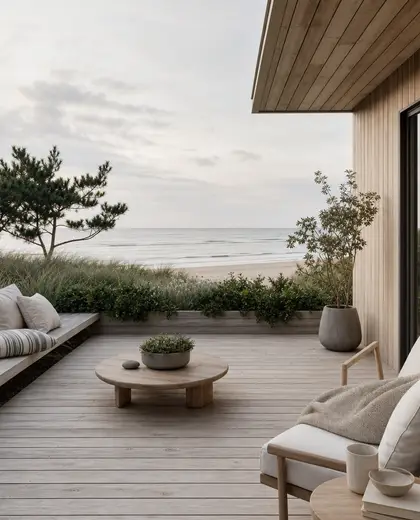
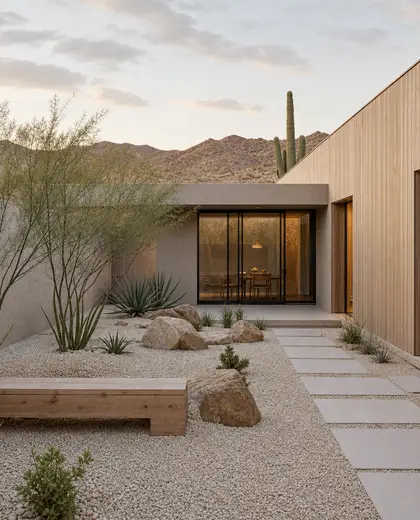
Can Scandinavian design include color?
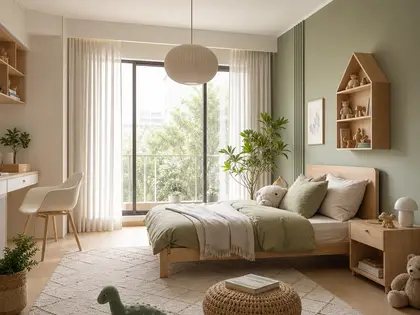
Yes, but color is usually restrained. Muted greens, dusty blues, clay tones, or charcoal are often used as accents rather than dominant hues.
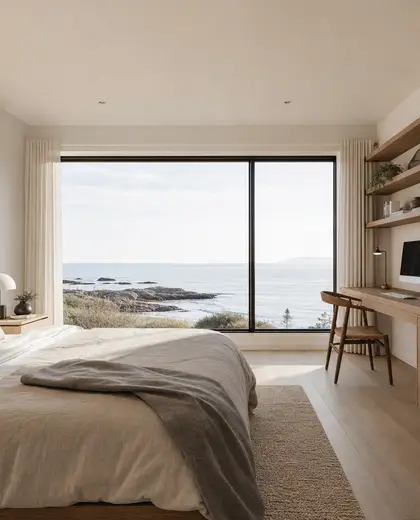
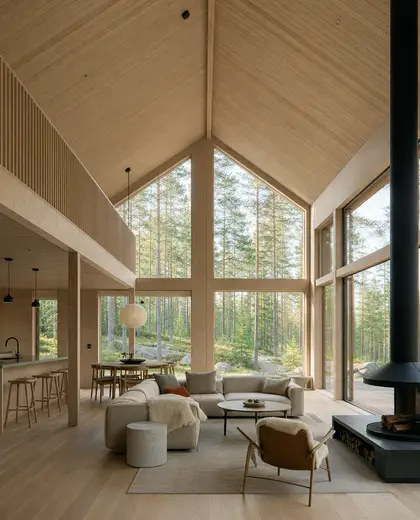
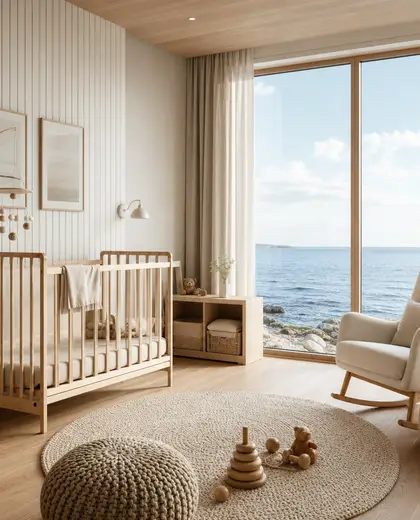
Is this style suitable for small homes?
Yes, because it relies on light colors, simple shapes, and uncluttered layouts that can make rooms feel more open. It works best when storage is built in or visually quiet.
— The style
What defines it
Light oak, ash, pine, wool, linen, cotton, ceramic, and matte painted finishes are common.
Mostly white and pale neutrals, softened with gray, sand, warm wood tones, and occasional black accents.
Works well with Japandi, modern minimalism, soft contemporary, and natural, biophilic interiors.
— Professionals
Who has already built it
- origin architectsarchitects · 6 projectsView profile →
- mawar electrical serviceselectricians · Bengaluru · 1 projectsView profile →
- anurag vermainterior designers · 6 projectsView profile →
- the achievers archsmart home professionals · Delhi · 1 projectsView profile →
— Questions
Frequently asked questions
What makes a space feel Scandinavian rather than just minimal?
Scandinavian spaces usually keep the minimal look but add warmth through wood, textured textiles, and daylight-friendly finishes. The result feels softer and more livable than strict minimalism.
Can Scandinavian design include color?
Yes, but color is usually restrained. Muted greens, dusty blues, clay tones, or charcoal are often used as accents rather than dominant hues.
Is this style suitable for small homes?
Yes, because it relies on light colors, simple shapes, and uncluttered layouts that can make rooms feel more open. It works best when storage is built in or visually quiet.