— Ideas & inspiration
Rustic
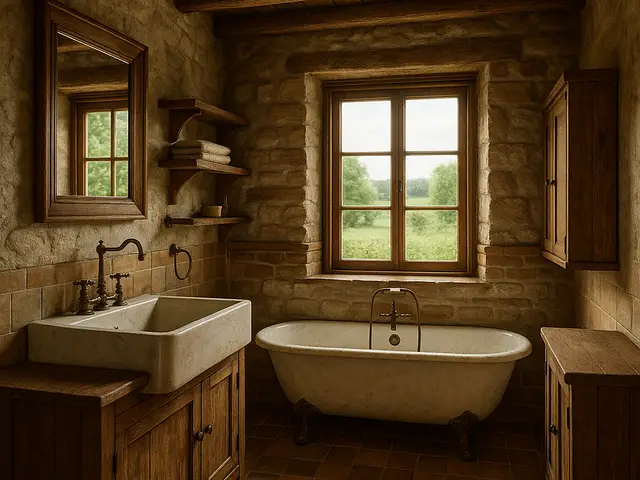
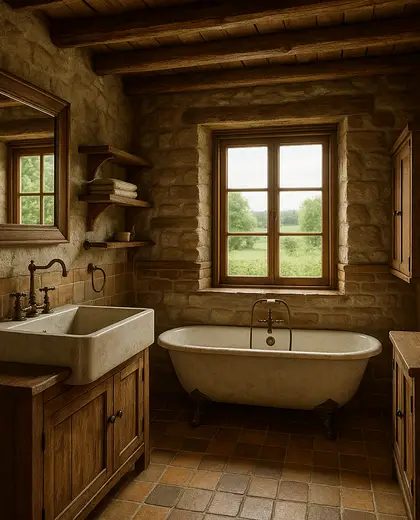
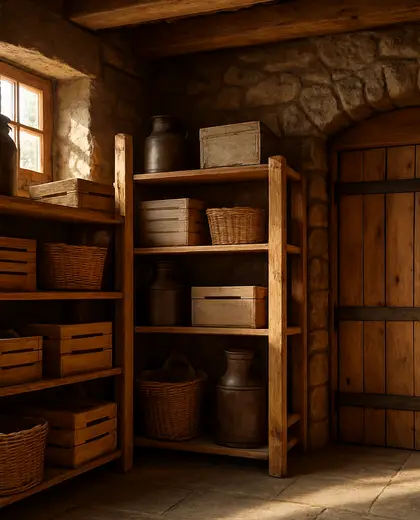
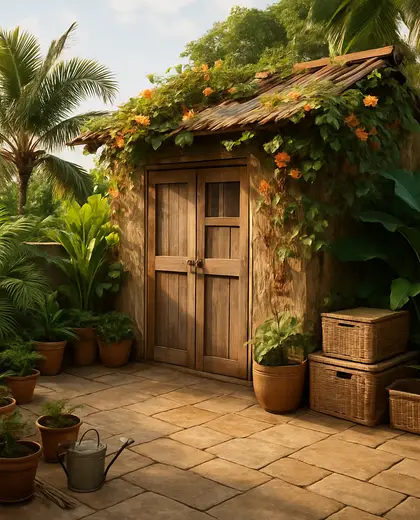
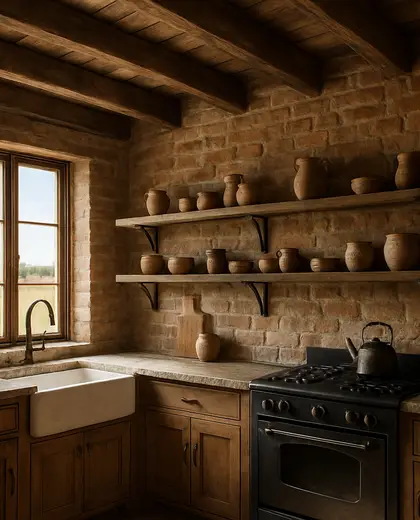
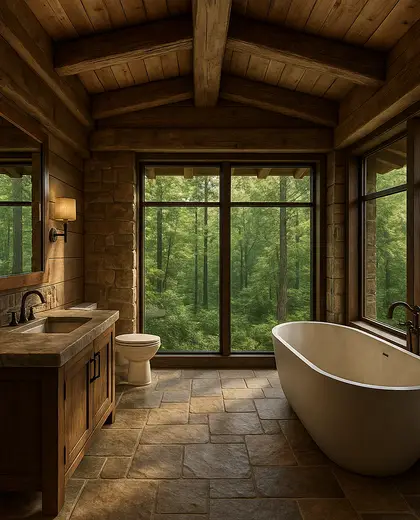
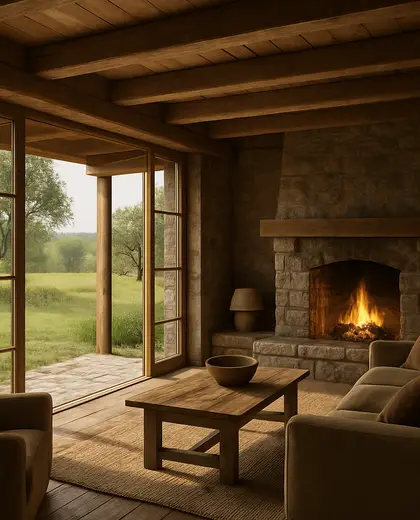
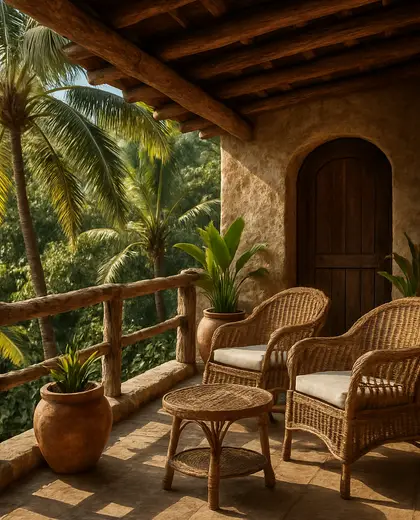
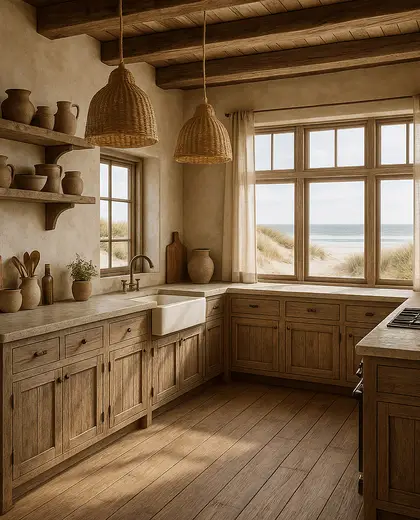
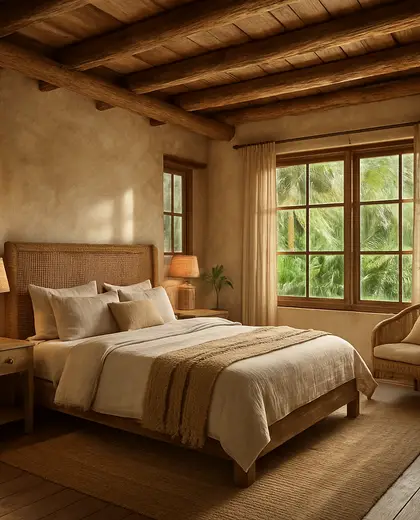
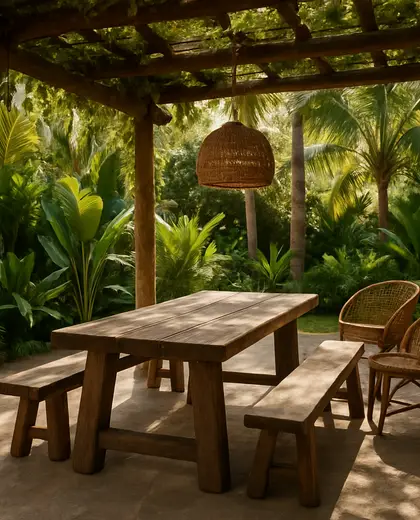
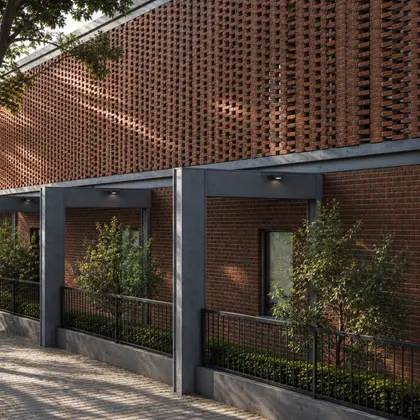
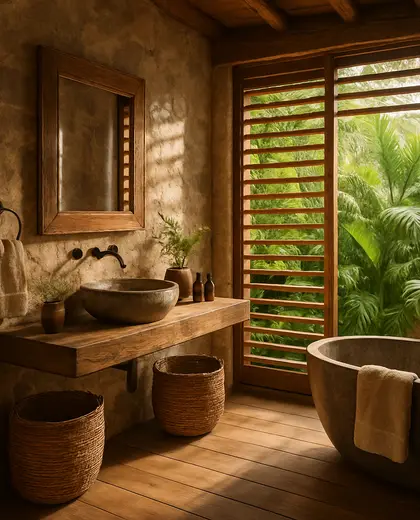
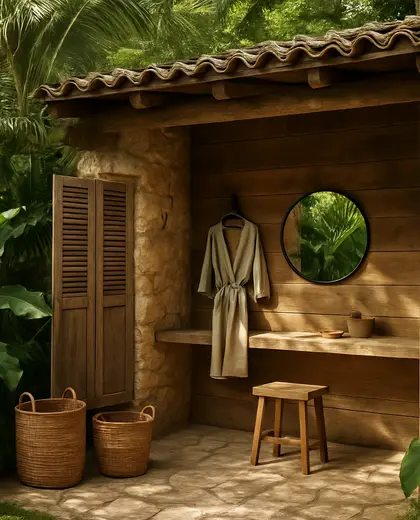
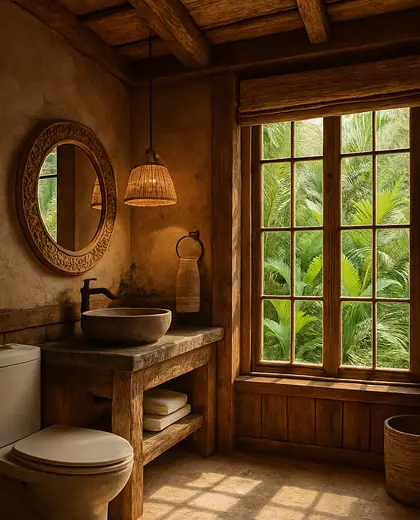
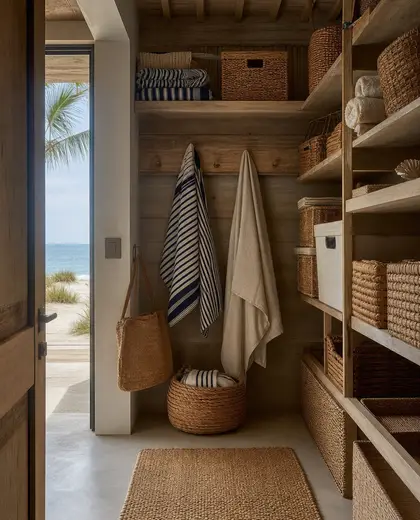
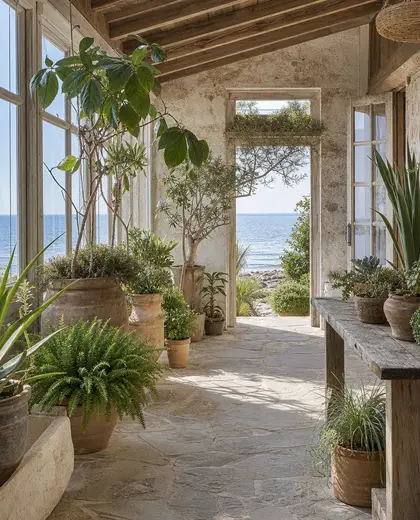
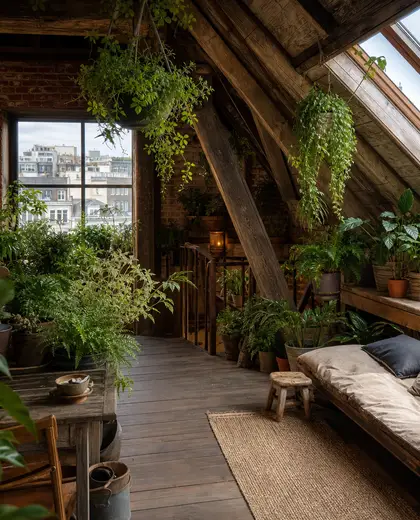
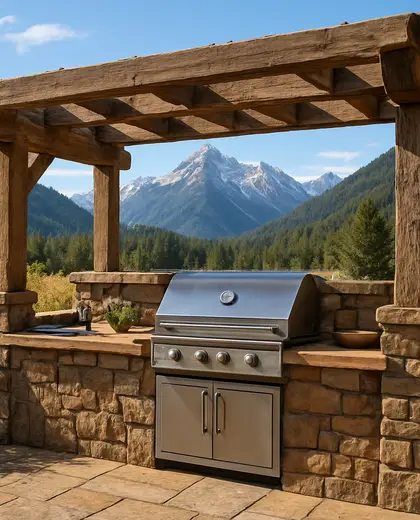
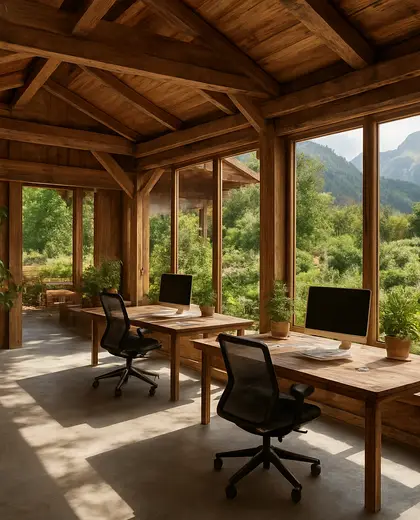
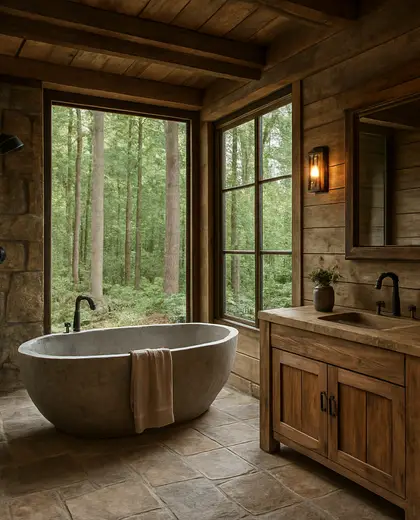
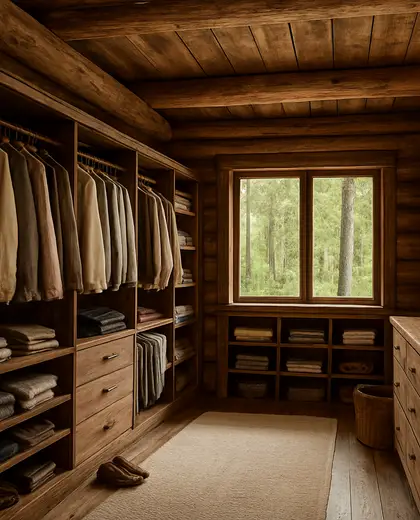
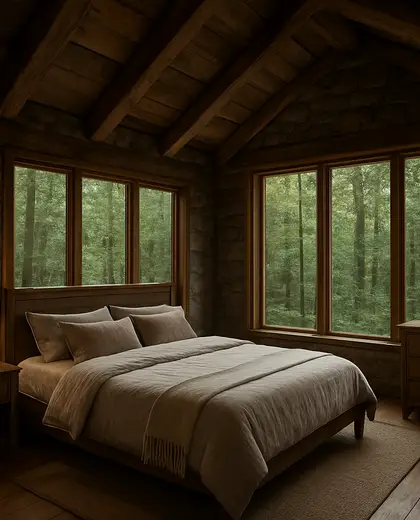
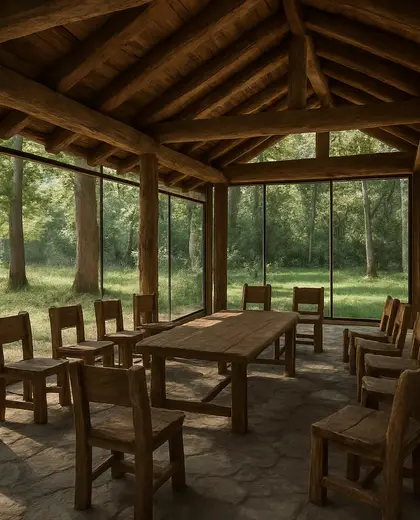
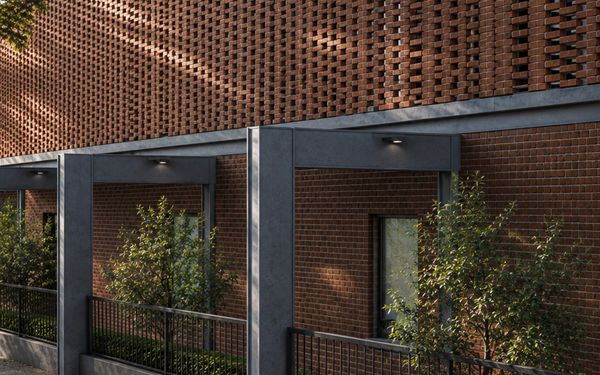
Rustic composition is defined by natural, timeworn materials such as rough wood, stone, brick, linen, leather, and wrought metal. The palette stays warm and earthy, with browns, taupes, clay, cream, muted green, and charcoal. Its look is shaped by visible texture, imperfect finishes, and sturdy, handmade details.
- rustic
— References
References to explore

Does rustic have to look dark and heavy?
No. Rustic can be bright if you keep the structure simple and use lighter woods, cream walls, and natural textiles.

Can rustic work in a modern home?
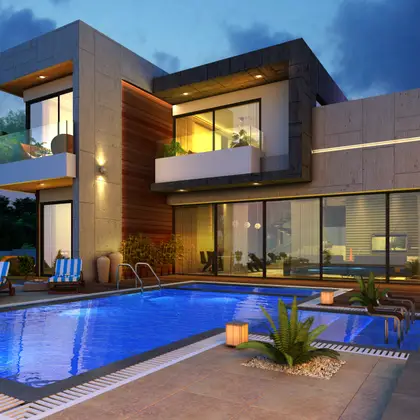
Yes. A modern rustic approach combines rough materials with simple silhouettes, fewer decorative pieces, and more open space.
What should I avoid if I want a rustic look?
Avoid overly polished surfaces, glossy finishes, and synthetic materials that remove the natural, worn character of the style.
— The style
What defines it
Reclaimed wood, exposed stone, brick, plaster, linen, leather, and iron are the core materials.
Warm neutrals and earth tones dominate: beige, brown, sand, terracotta, muted green, and soft gray.
Works well with farmhouse, country, industrial, and contemporary interiors when paired with cleaner lines.
— Professionals
Who has already built it
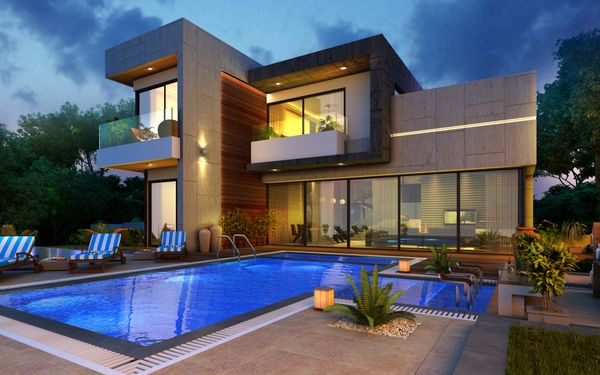

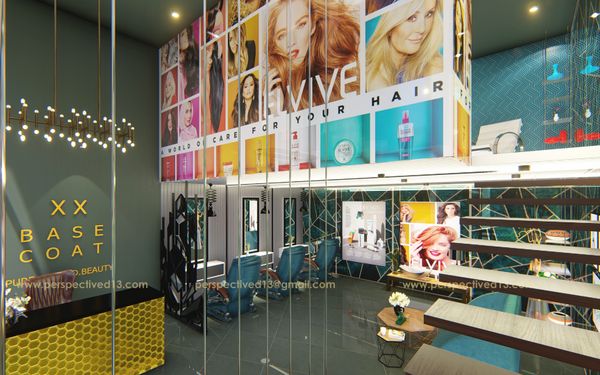


- the achievers archsmart home professionals · Delhi · 1 projectsView profile →
- megha sharmaarchitects · Chandigarh · 2 projectsView profile →
- home interior decoratorscarpenters · Rampur · 3 projectsView profile →
- pavit ceramics pvt ltdceramic manufacturers · Ahmedabad · 2 projectsView profile →
— Questions
Frequently asked questions
Does rustic have to look dark and heavy?
No. Rustic can be bright if you keep the structure simple and use lighter woods, cream walls, and natural textiles.
Can rustic work in a modern home?
Yes. A modern rustic approach combines rough materials with simple silhouettes, fewer decorative pieces, and more open space.
What should I avoid if I want a rustic look?
Avoid overly polished surfaces, glossy finishes, and synthetic materials that remove the natural, worn character of the style.