— Ideas & inspiration
Dining room
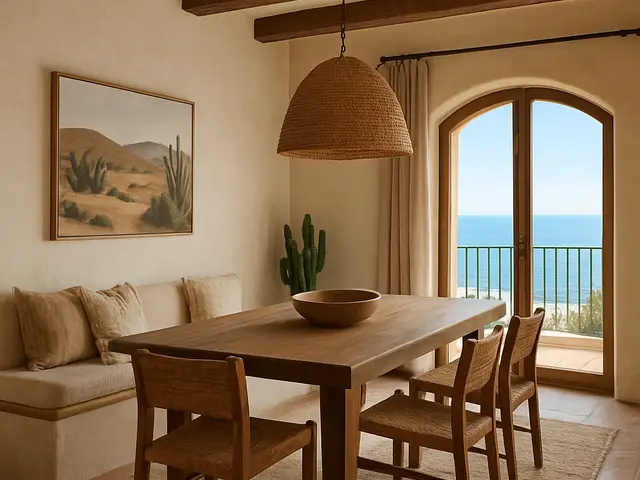
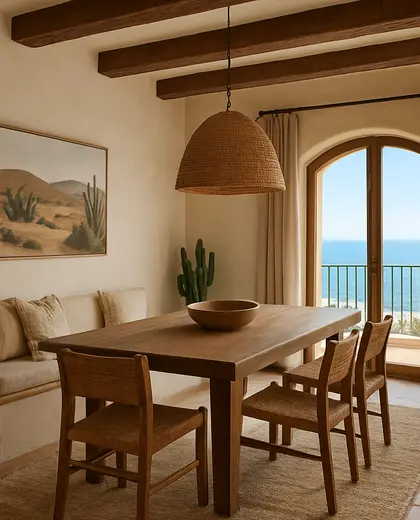
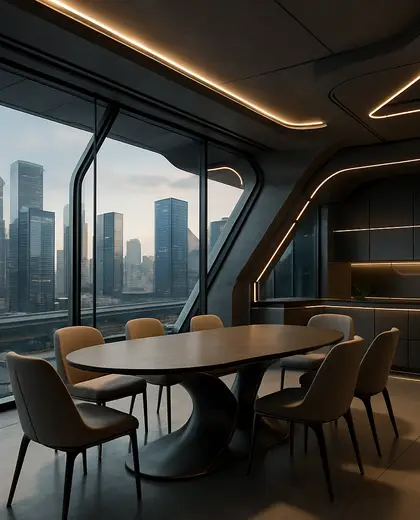
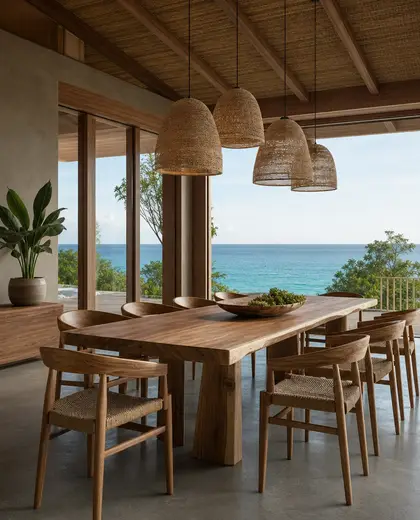
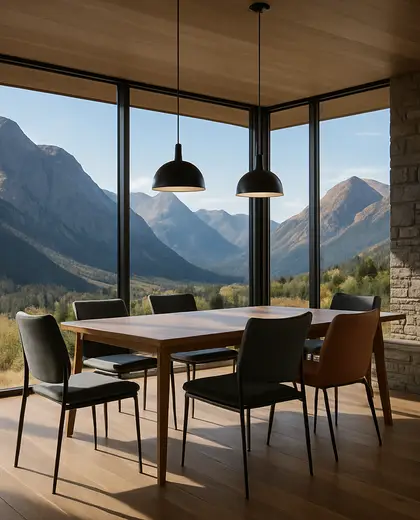
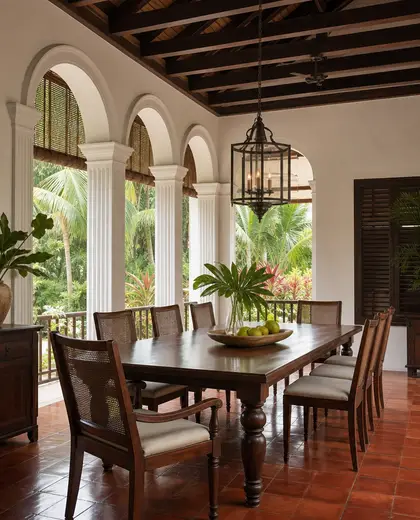
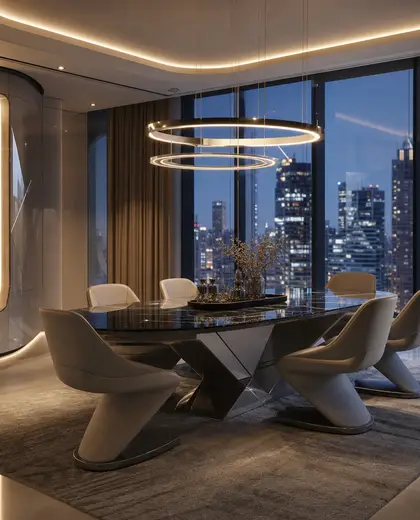
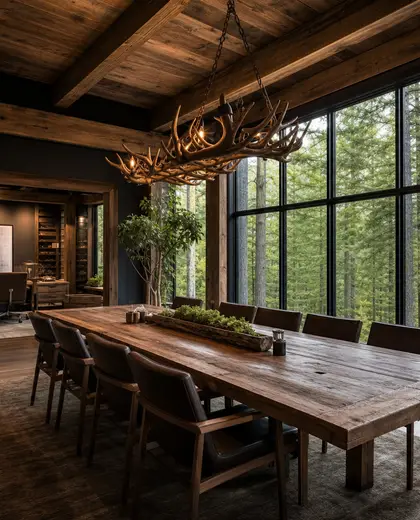
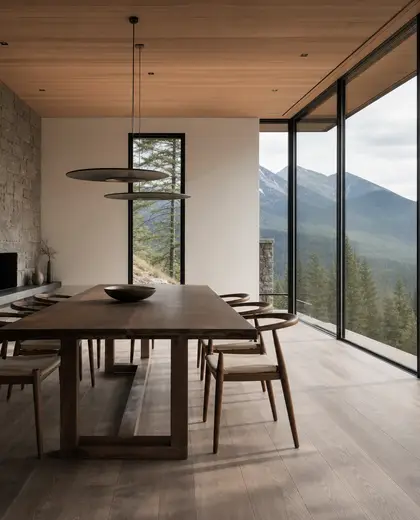
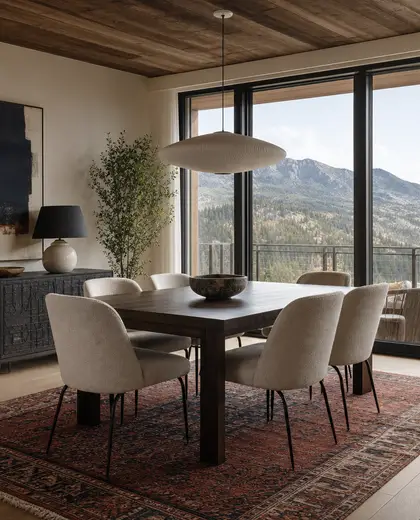
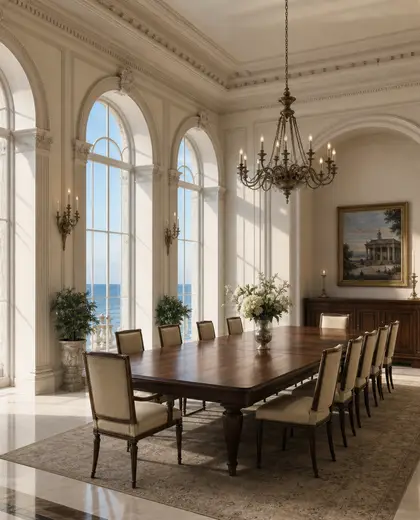
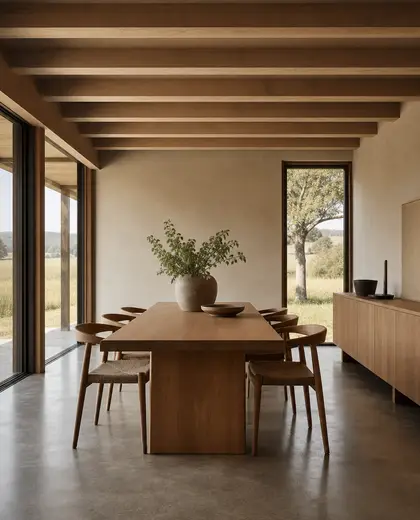
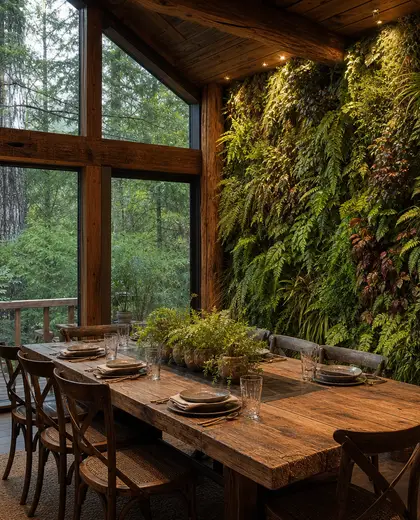
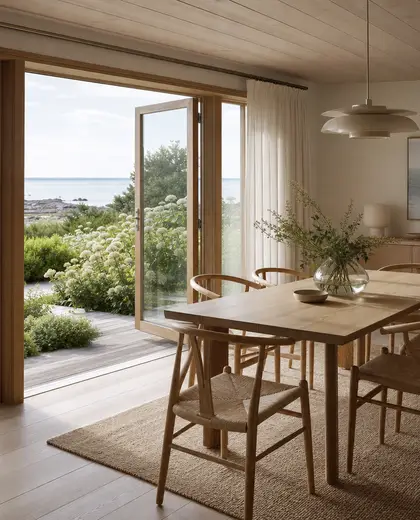
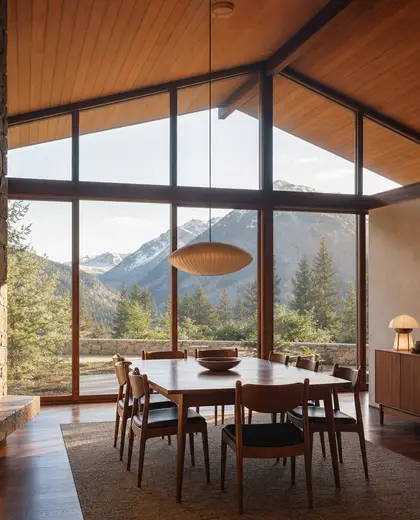
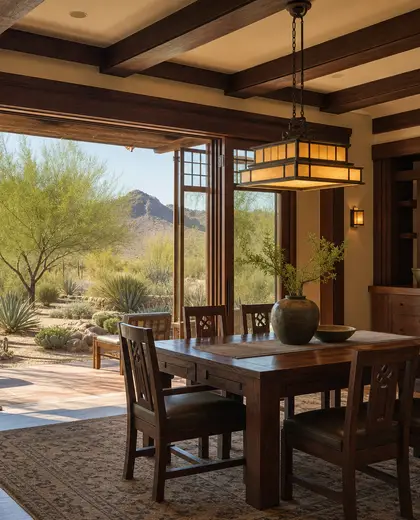
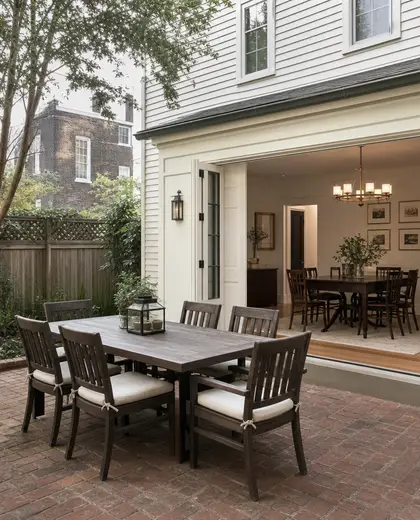
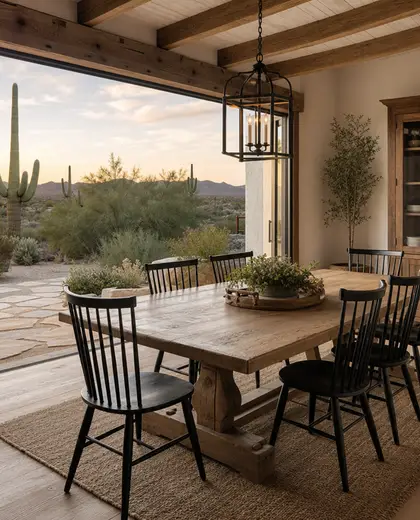
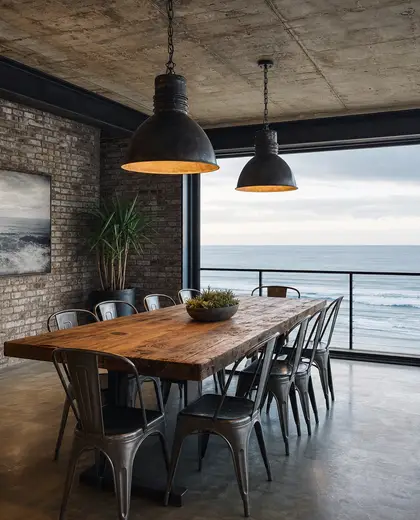
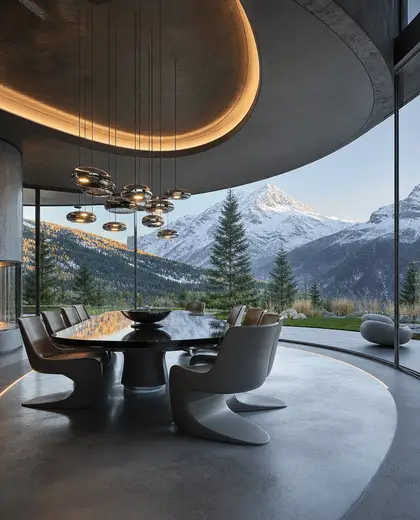
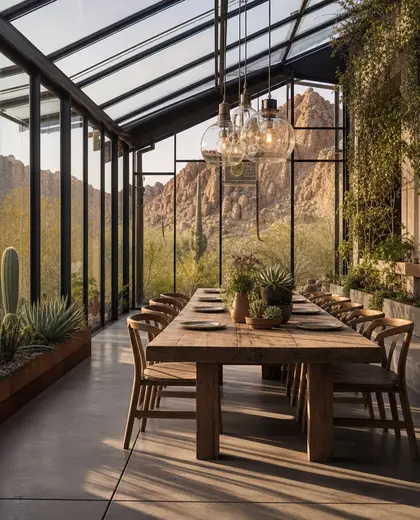
A dining room is typically defined by a table centered in the space, paired with chairs and supported by lighting that focuses attention on the meal area. Common materials include wood, stone, metal, and upholstered seating, with surfaces chosen for durability and easy maintenance. The palette often stays warm and restrained, using neutrals, natural timber tones, and deeper accents to make the room feel grounded and social.
- dining room
— References
References to explore
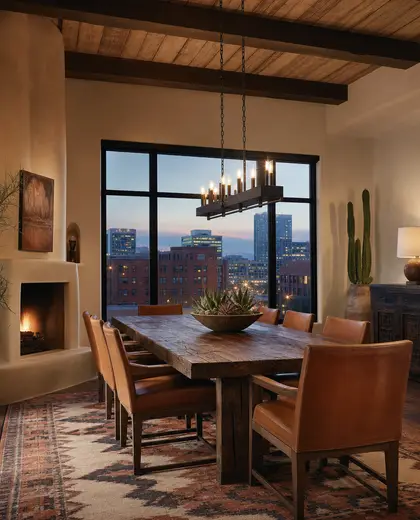
What makes a dining room feel distinct from an eating nook or kitchen table area?
A dining room usually has a clearer spatial identity: a dedicated table, coordinated seating, and lighting arranged around the meal zone rather than general task use.
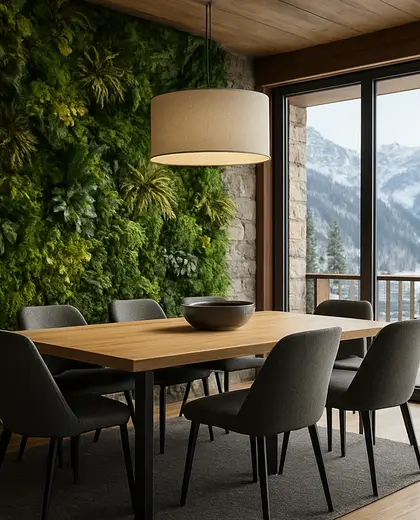
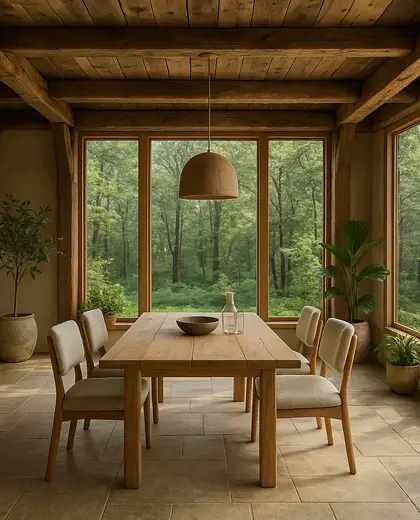
Which materials work best in a dining room?
Hard-wearing finishes such as wood, stone, metal, and wipeable upholstery are practical because the room sees frequent use and spills.
What colors are easiest to live with in a dining room?
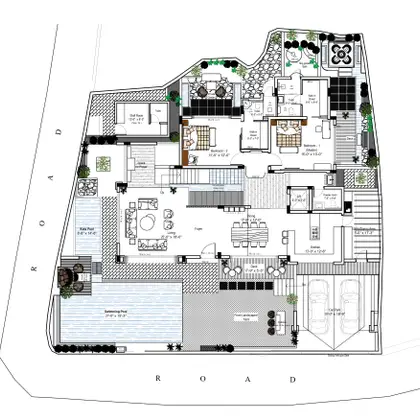
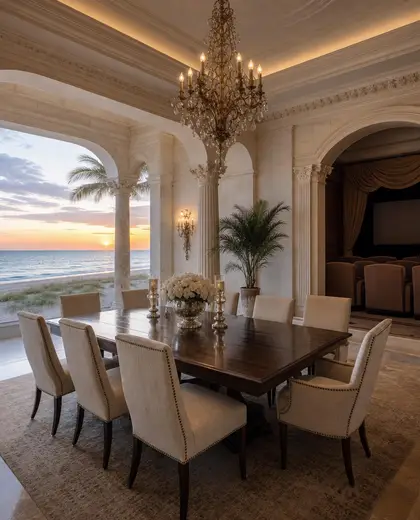
Neutral and warm tones are the most versatile, because they support different furniture styles and allow artwork, lighting, or a rug to add contrast.
— The style
What defines it
Wood, stone, metal, glass, and upholstered fabrics are the most common choices, usually selected for durability and comfort.
Neutral bases with warm wood tones, soft whites, beige, charcoal, and occasional deep color accents are typical.
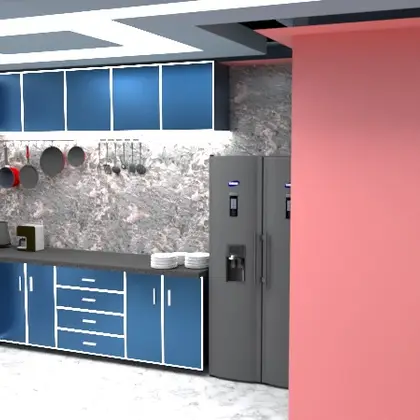
It often connects with the kitchen or living room and pairs well with pendant lighting, sideboards, rugs, and artwork.
— Professionals
Who has already built it



- the achievers archsmart home professionals · Delhi · 1 projectsView profile →
- home interior decoratorscarpenters · Rampur · 3 projectsView profile →
- pavit ceramics pvt ltdceramic manufacturers · Ahmedabad · 2 projectsView profile →
- Bristolfurniture sellers · Bangalore · 6 projectsView profile →
— Questions
Frequently asked questions
What makes a dining room feel distinct from an eating nook or kitchen table area?
A dining room usually has a clearer spatial identity: a dedicated table, coordinated seating, and lighting arranged around the meal zone rather than general task use.
Which materials work best in a dining room?
Hard-wearing finishes such as wood, stone, metal, and wipeable upholstery are practical because the room sees frequent use and spills.
What colors are easiest to live with in a dining room?
Neutral and warm tones are the most versatile, because they support different furniture styles and allow artwork, lighting, or a rug to add contrast.