— Ideas & inspiration
Rustic houses with warm, natural character
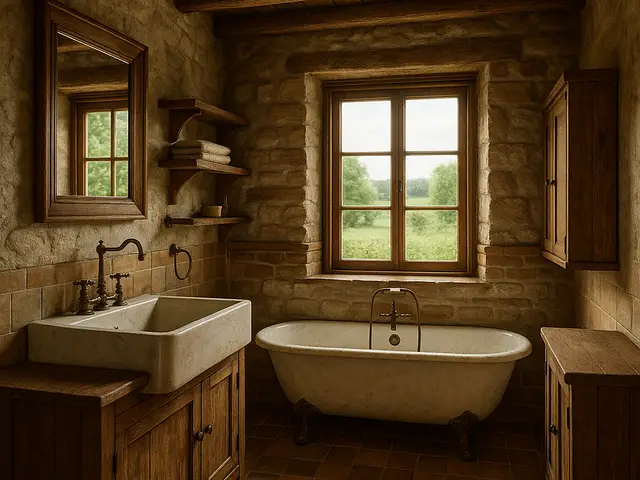
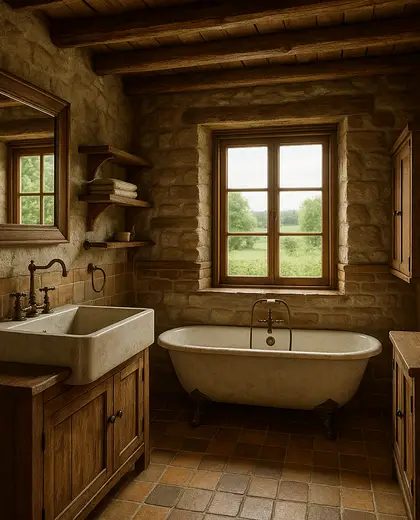
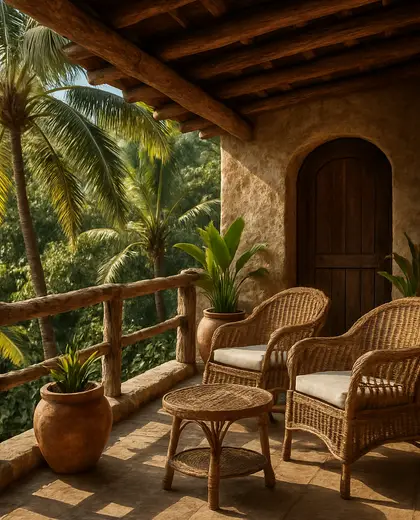
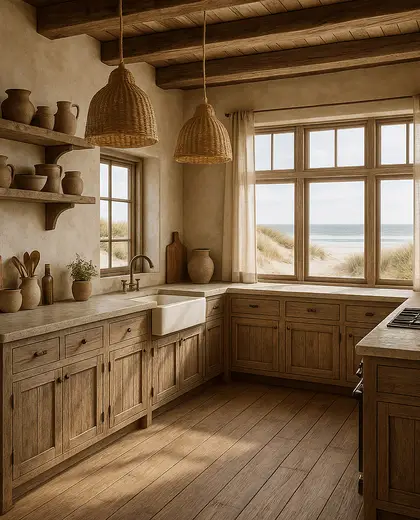
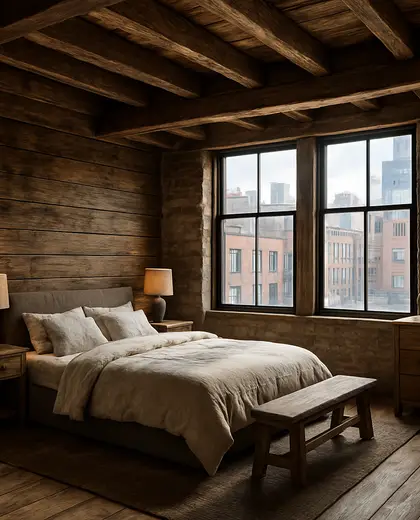
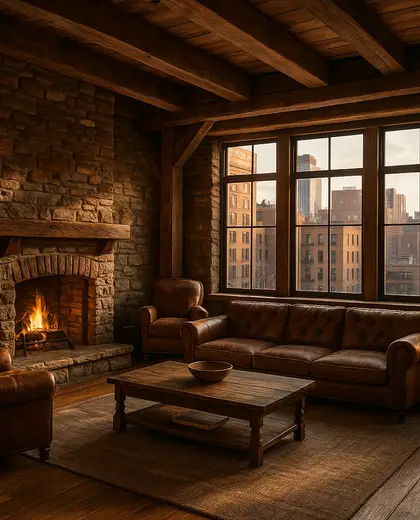
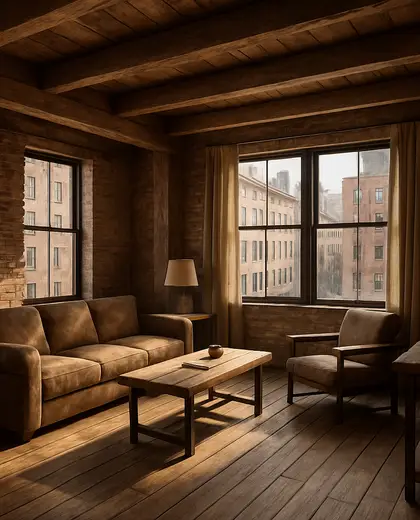
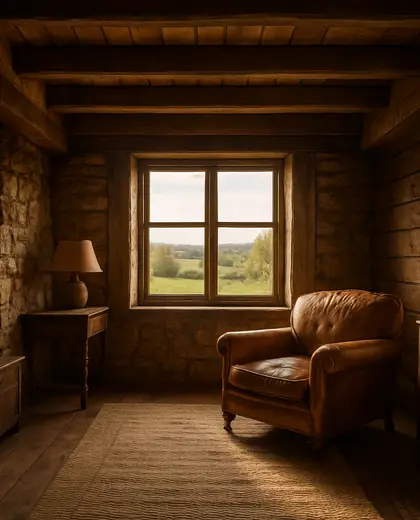
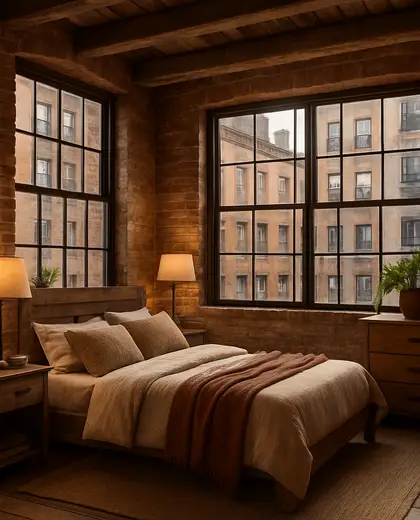
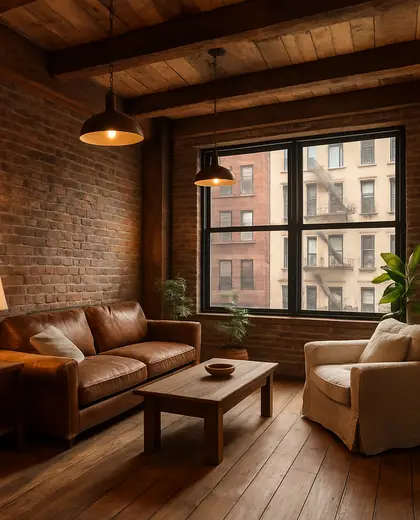
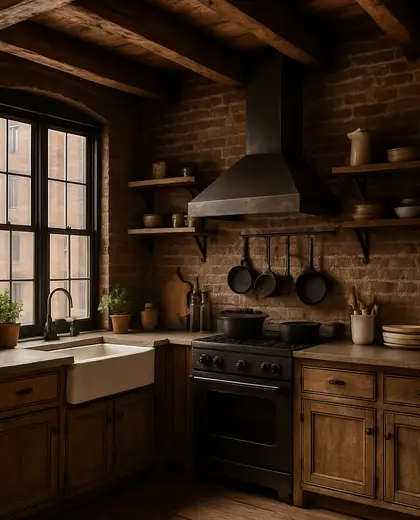
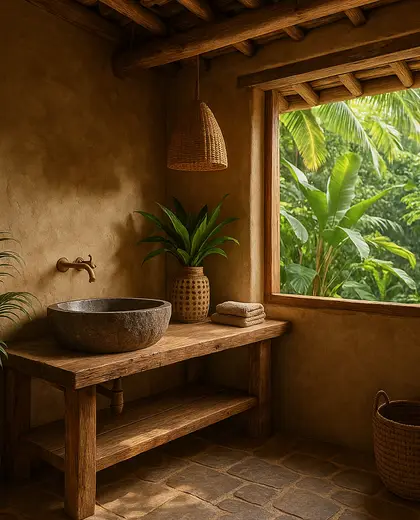
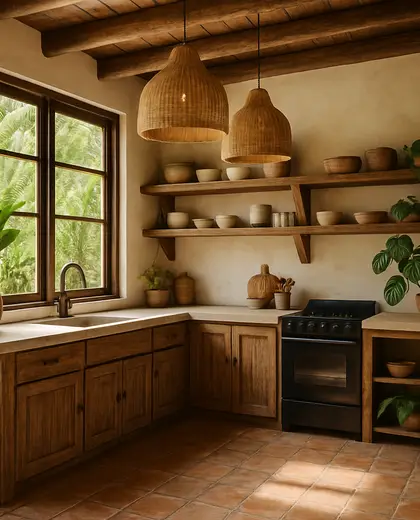
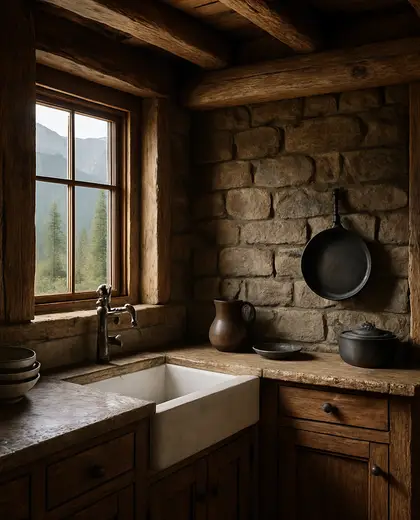
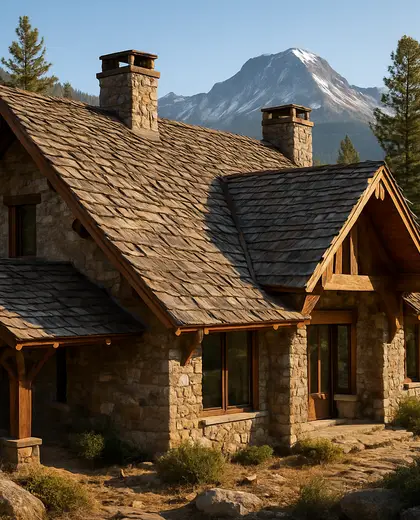
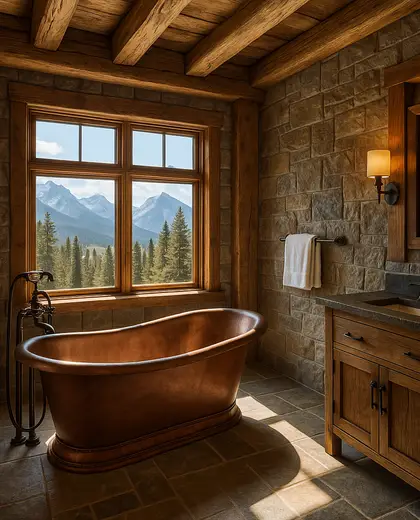
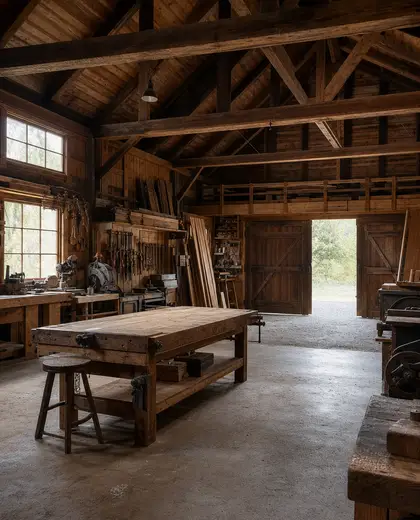
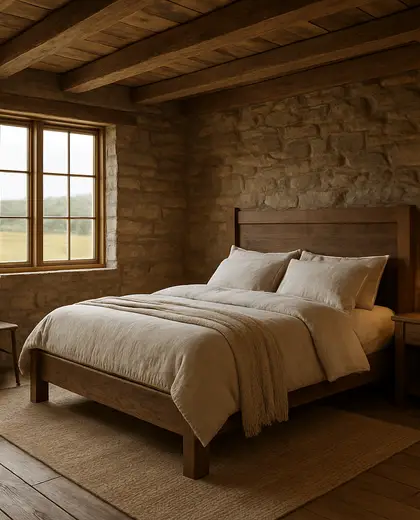
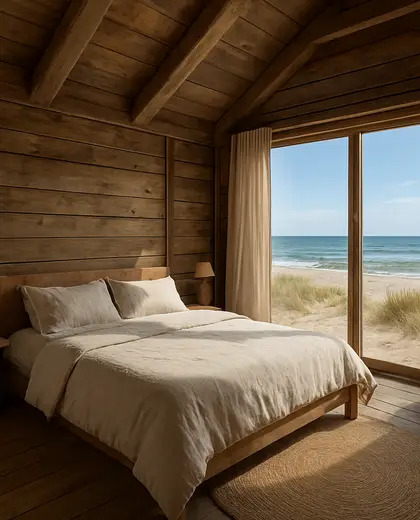
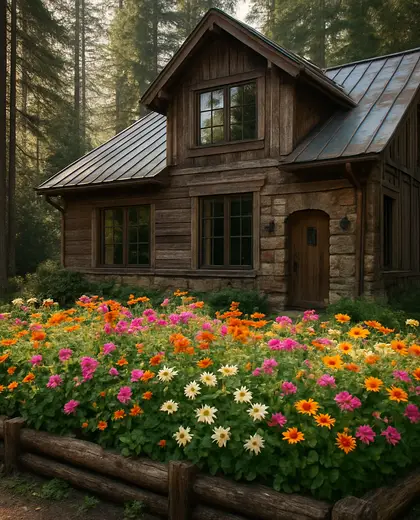
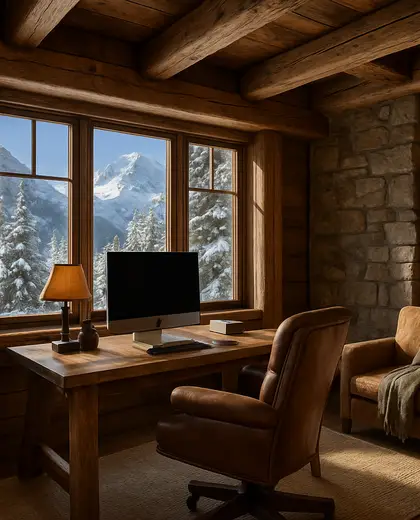
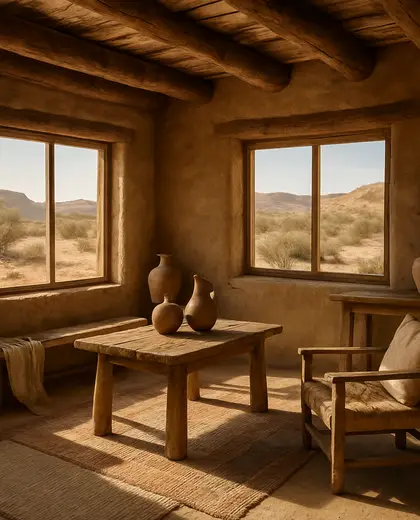
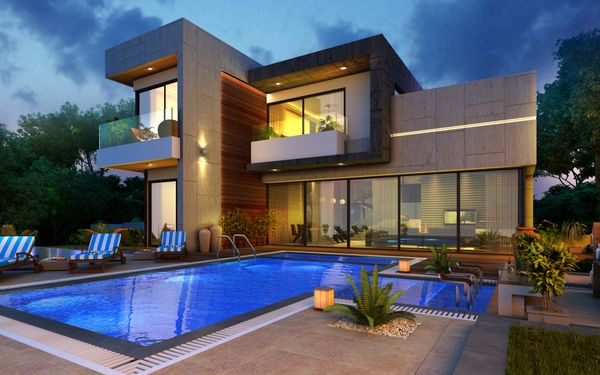
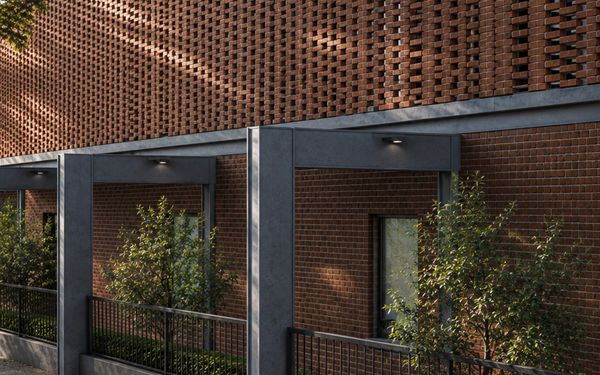
This composition is defined by natural materials, visible texture, and a lived-in, grounded feel. Wood, stone, plaster, and aged metal are common, often paired with simple rooflines, porch details, and handcrafted finishes. The palette stays earthy and muted, with browns, warm whites, grays, and weathered tones.
- house
- rustic
— References
References to explore
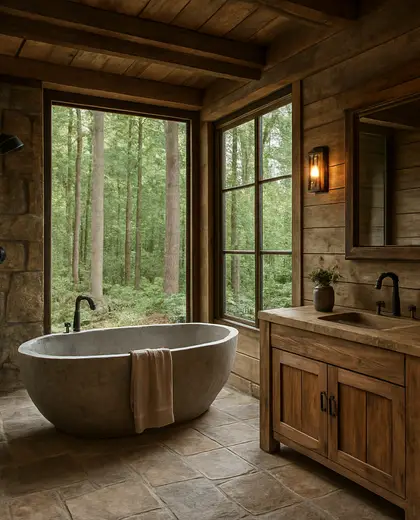
What makes a house feel rustic without looking too old-fashioned?
Keep the structure simple and add rustic character through natural materials, exposed beams, textured plaster, stone bases, and warm wood details.
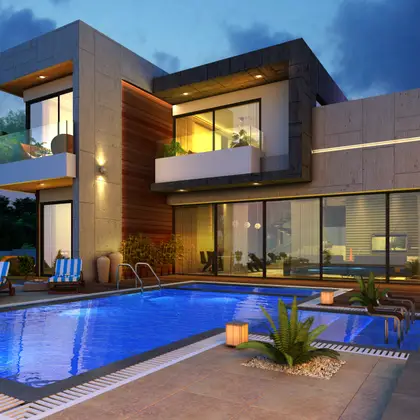
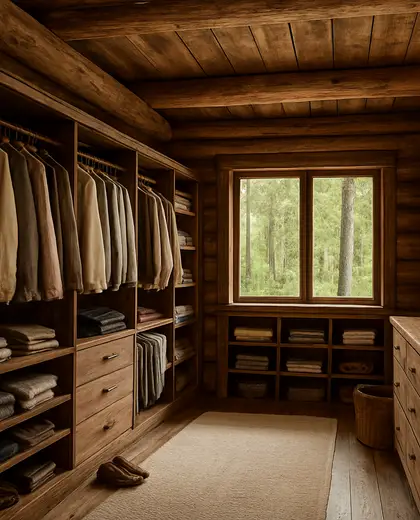
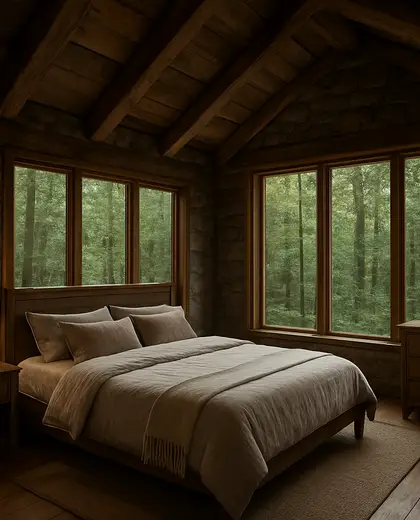
Can a rustic house still feel modern?
Yes. A rustic house can use clean lines, larger glazing, and a restrained palette while keeping tactile materials and a warm, natural finish.
Which exterior elements are most typical in rustic houses?
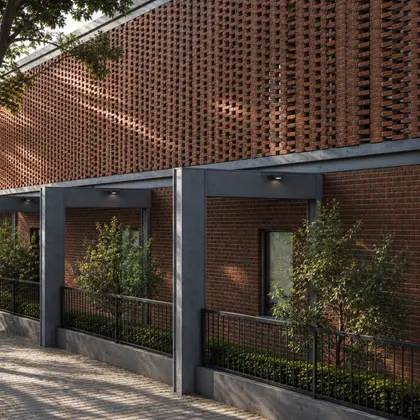
Porches, gabled roofs, timber accents, stone cladding, shaded openings, and weathered surfaces are among the most common features.
— The style
What defines it
Wood, stone, brick, plaster, clay tile, and patinated metal are the core materials.
Earth tones, soft whites, muted grays, ochres, and weathered finishes set the mood.
Often paired with farmhouse, cottage, mountain, or contemporary forms for a more grounded look.
— Professionals
Who has already built it



- pavit ceramics pvt ltdceramic manufacturers · Ahmedabad · 2 projectsView profile →
- breathing design studiosarchitects · Mumbai · 2 projectsView profile →
- chaitanya anvekarinterior designers · Mumbai · 1 projectsView profile →
- ar rini jariwalalandscape designers · Surat · 1 projectsView profile →
— Explore
Keep exploring
— Questions
Frequently asked questions
What makes a house feel rustic without looking too old-fashioned?
Keep the structure simple and add rustic character through natural materials, exposed beams, textured plaster, stone bases, and warm wood details.
Can a rustic house still feel modern?
Yes. A rustic house can use clean lines, larger glazing, and a restrained palette while keeping tactile materials and a warm, natural finish.
Which exterior elements are most typical in rustic houses?
Porches, gabled roofs, timber accents, stone cladding, shaded openings, and weathered surfaces are among the most common features.