— Ideas & inspiration
Minimalist composition
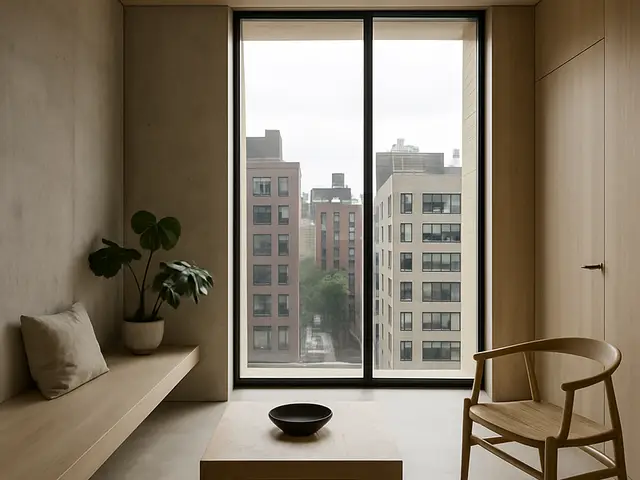
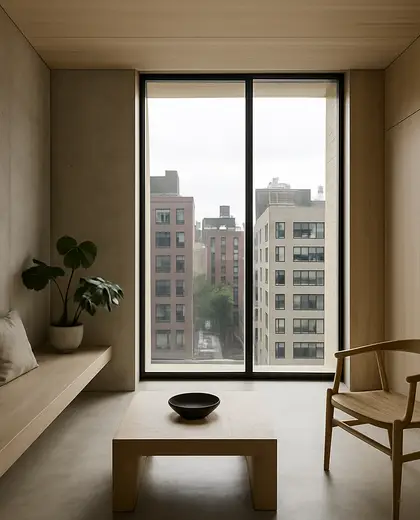
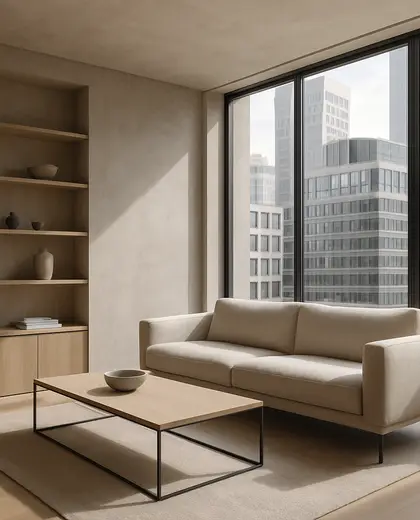
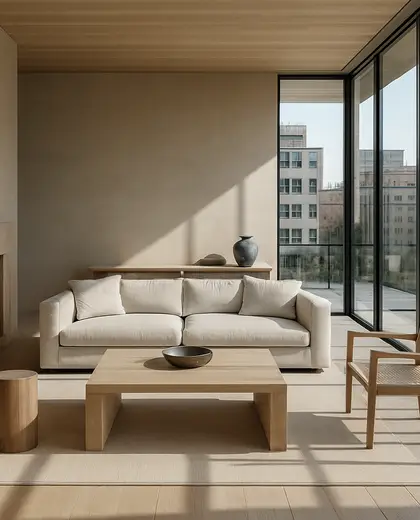
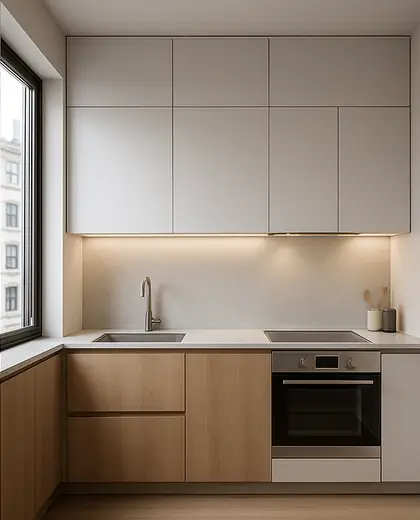
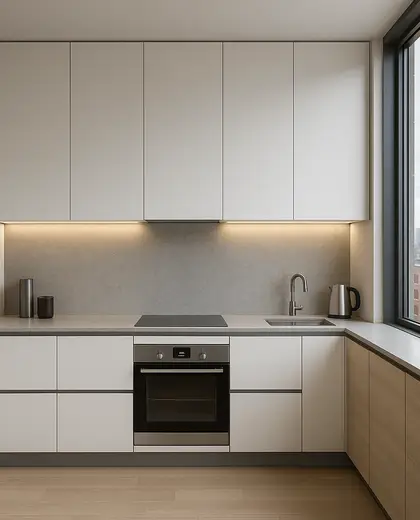
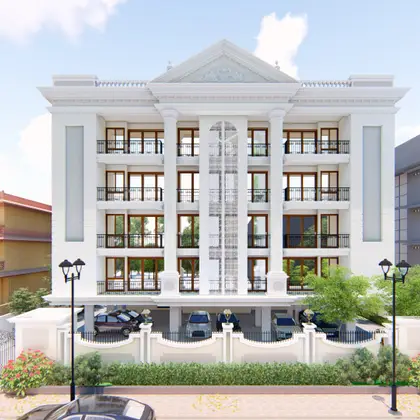
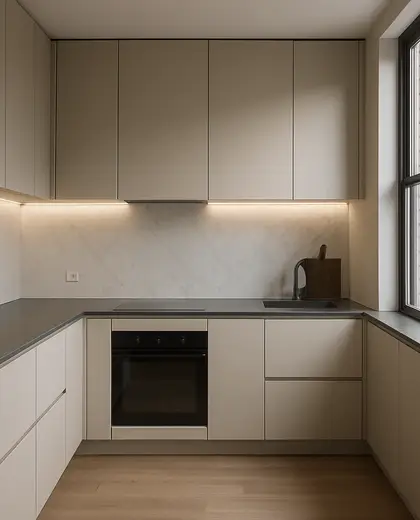
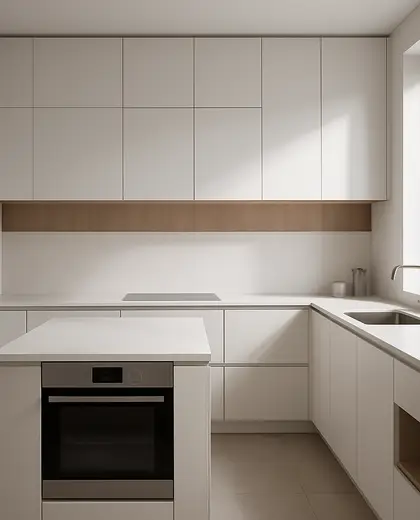
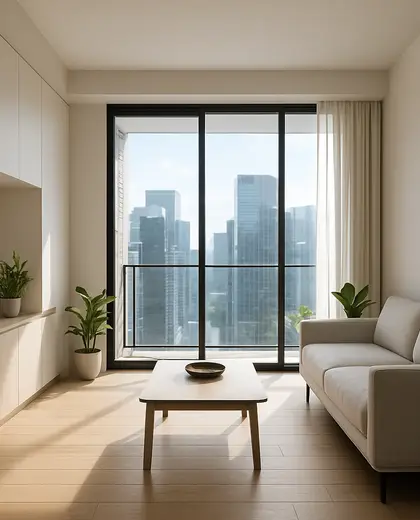
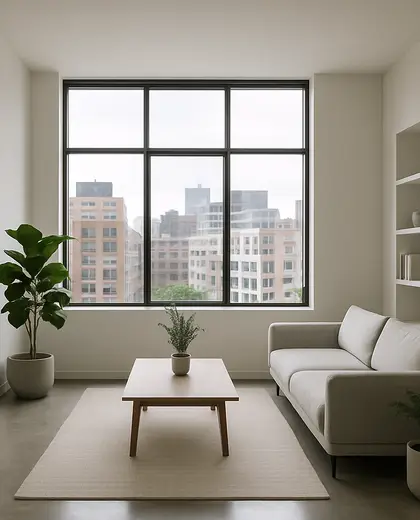
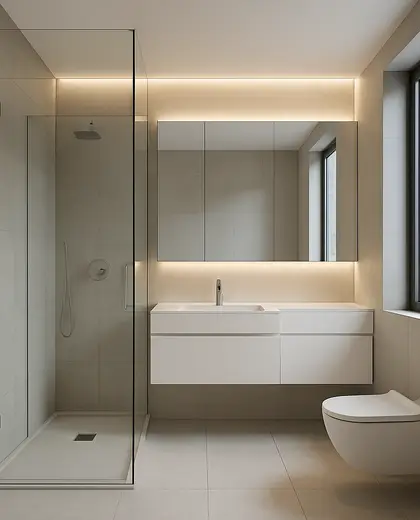
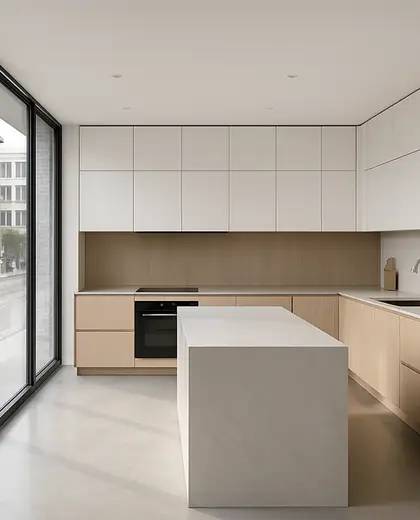
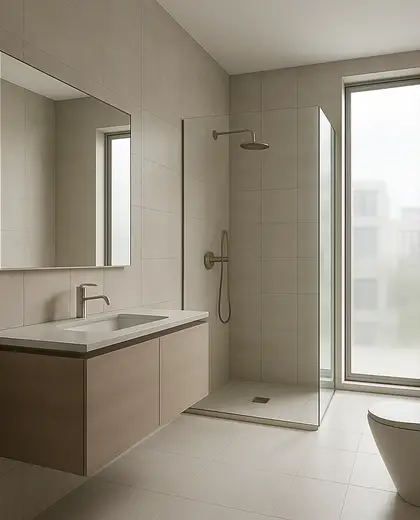
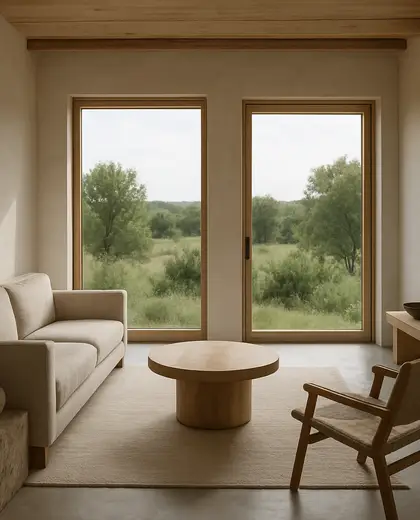
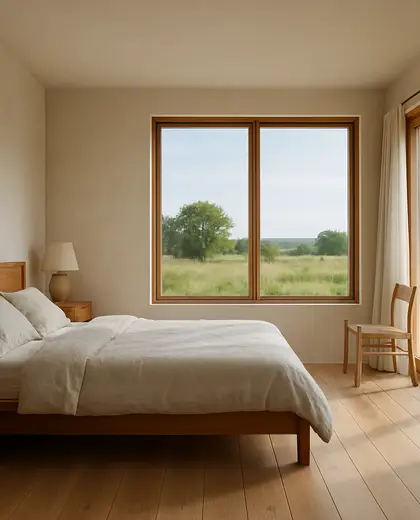
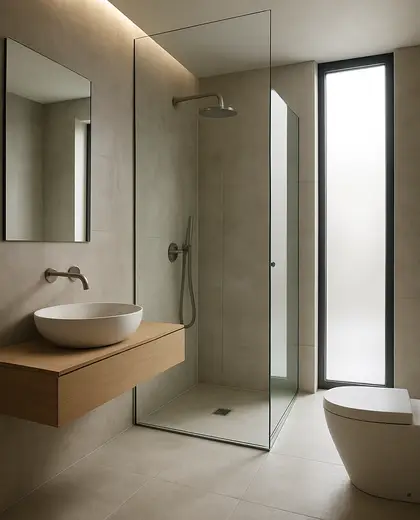
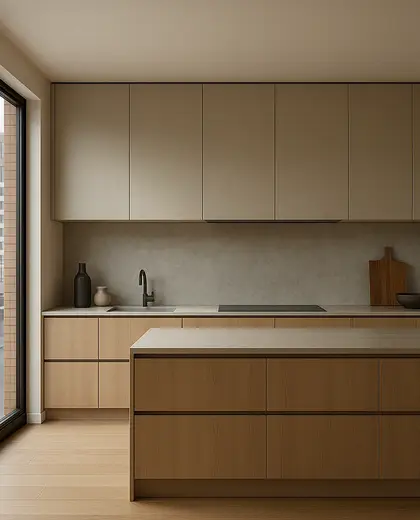
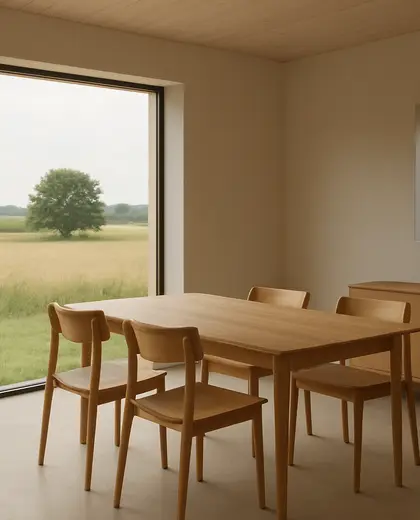
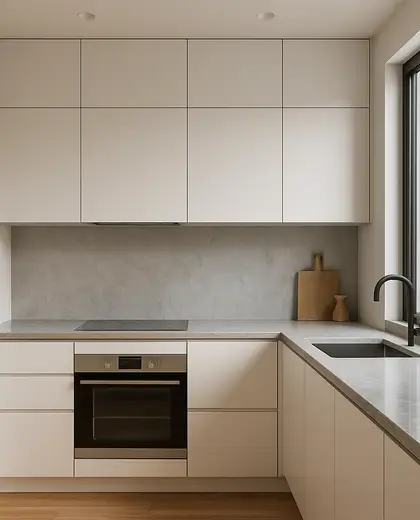
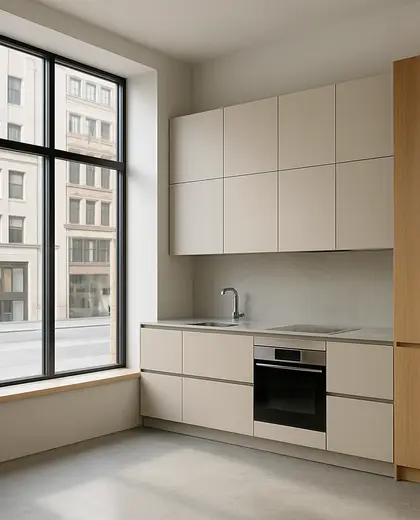
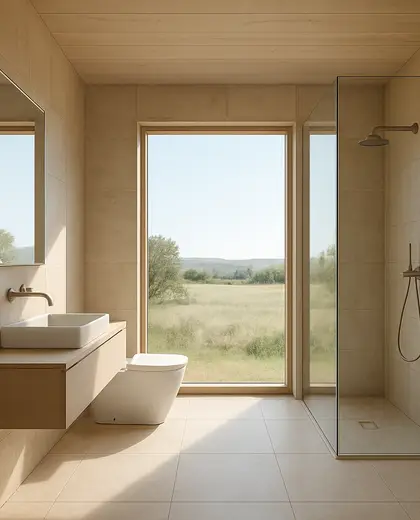
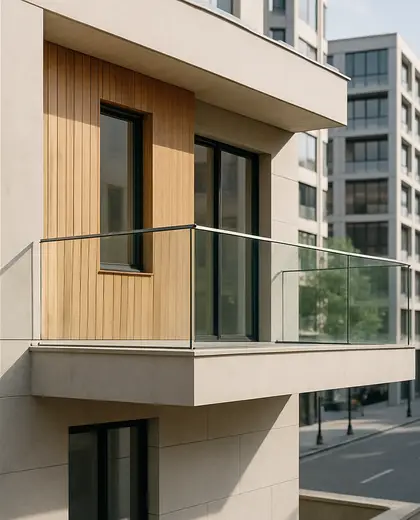
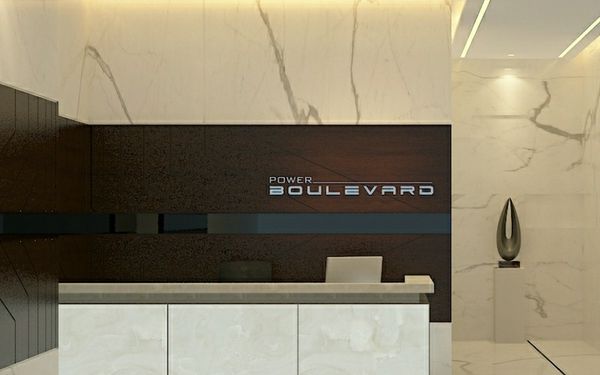
Minimalist composition is defined by restrained forms, clean lines, and a reduced material palette. It typically uses smooth concrete, white or off-white plaster, glass, steel, and light timber, with little visible ornament. The look relies on open space, precise proportions, and quiet detailing rather than decorative elements.
- minimalist
— References
References to explore
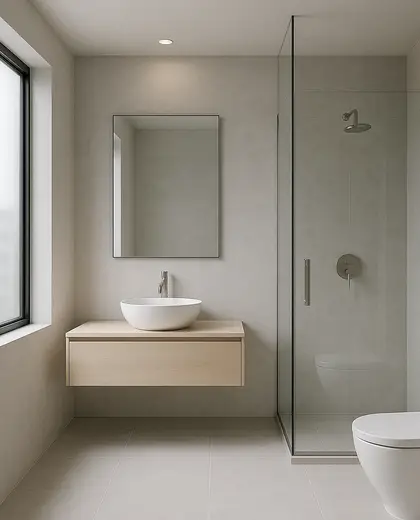
Is minimalist composition always cold or stark?
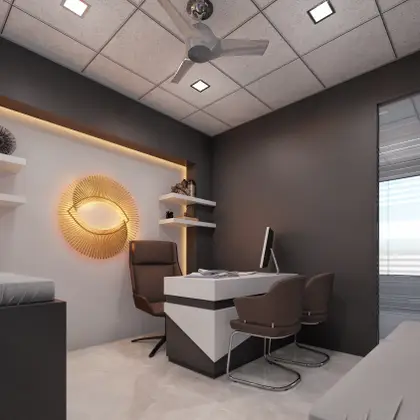
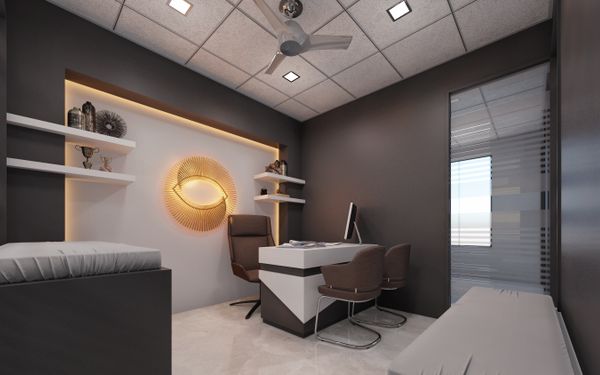
No. It can feel warm when natural wood, soft lighting, and textured surfaces are included, while still keeping the overall form restrained.
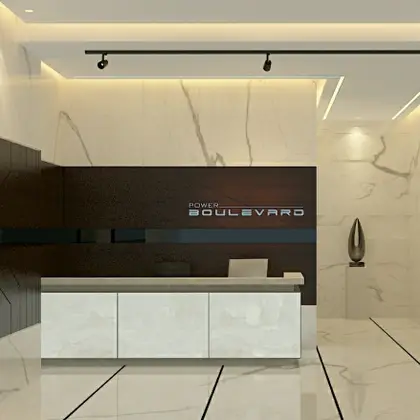
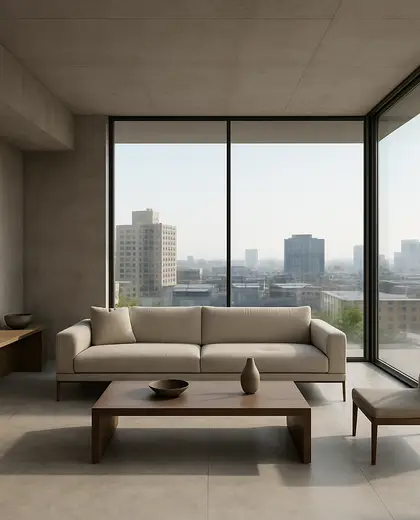
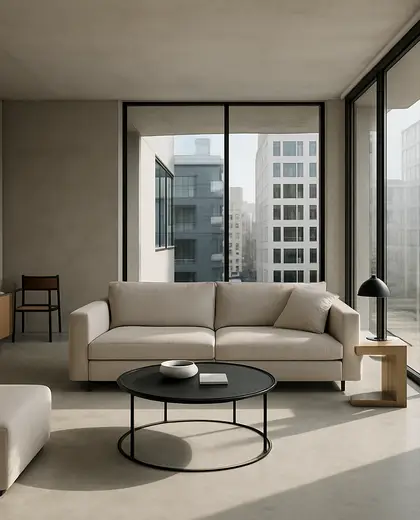
What kind of home suits a minimalist composition?
It suits homes that can use open spaces, strong daylight, and simple geometry. It is often a good fit for new builds and careful renovations.
Does minimalist mean using very few materials?
Usually it means using fewer materials, but more deliberately. The focus is on consistency, clean transitions, and a limited visual vocabulary.
— The style
What defines it
Smooth concrete, plaster, glass, steel, and pale wood are common, with finishes kept simple and low-texture.
Mostly white, warm gray, black, and natural wood tones, sometimes softened with stone or matte metal accents.
Works well with open-plan layouts, large glazing, built-in storage, and other compositions that favor clarity and calm.
— Professionals
Who has already built it



- sunal groverarchitects · 2 projectsView profile →
- the achievers archsmart home professionals · Delhi · 1 projectsView profile →
- home interior decoratorscarpenters · Rampur · 3 projectsView profile →
- pavit ceramics pvt ltdceramic manufacturers · Ahmedabad · 2 projectsView profile →
— Questions
Frequently asked questions
Is minimalist composition always cold or stark?
No. It can feel warm when natural wood, soft lighting, and textured surfaces are included, while still keeping the overall form restrained.
What kind of home suits a minimalist composition?
It suits homes that can use open spaces, strong daylight, and simple geometry. It is often a good fit for new builds and careful renovations.
Does minimalist mean using very few materials?
Usually it means using fewer materials, but more deliberately. The focus is on consistency, clean transitions, and a limited visual vocabulary.