— Ideas & inspiration
Terrace composition
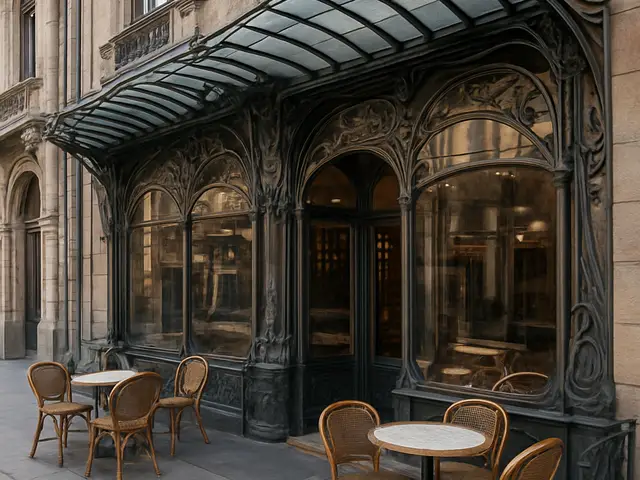
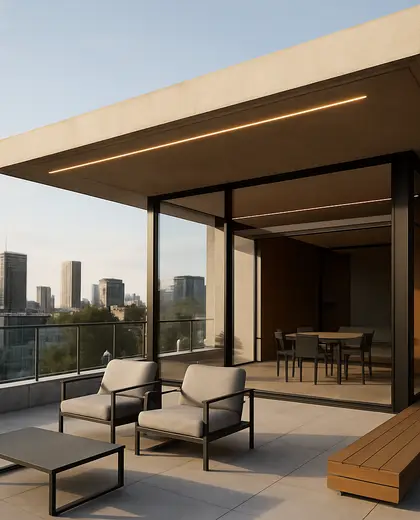
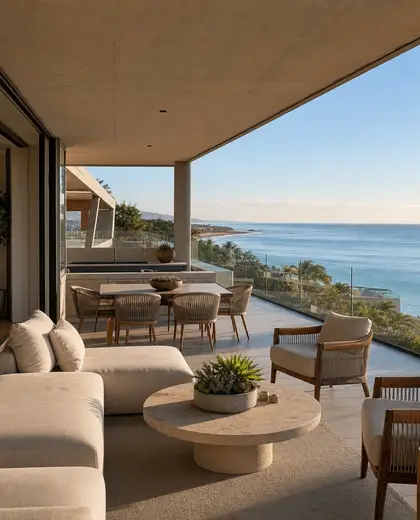
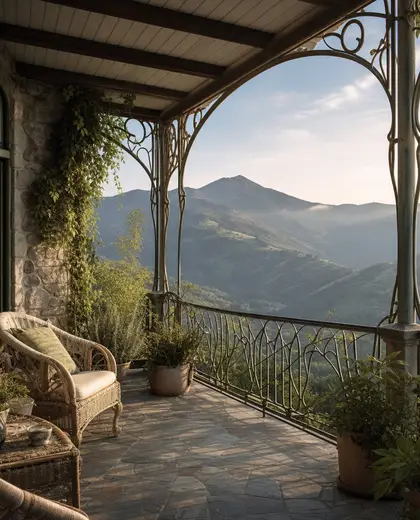
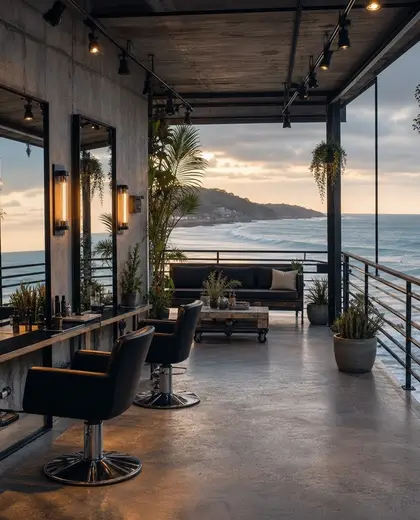
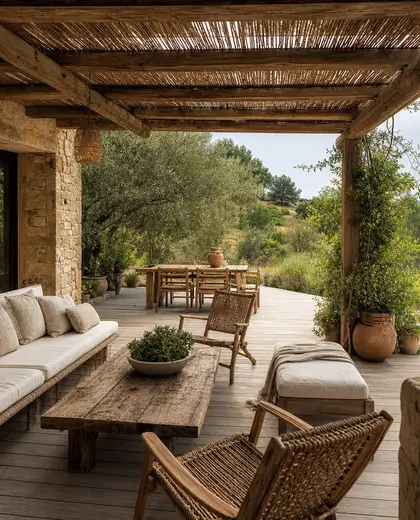
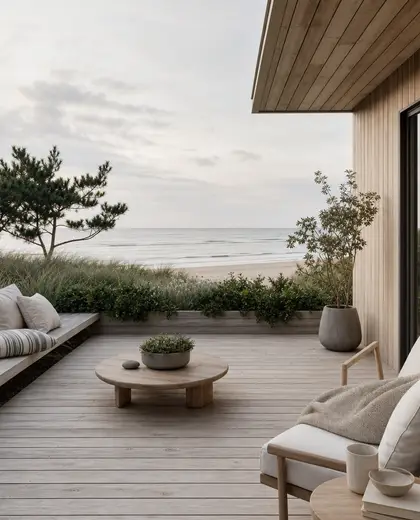
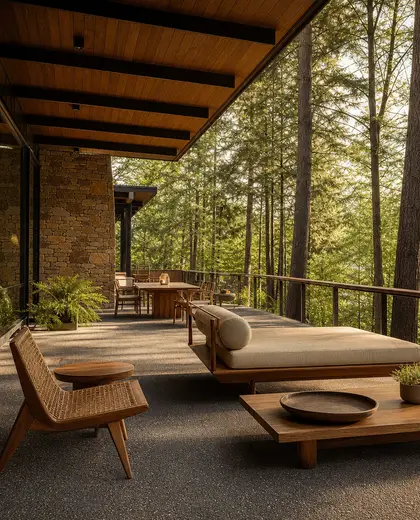
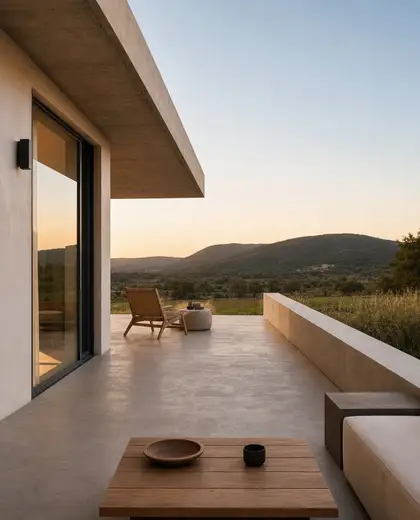
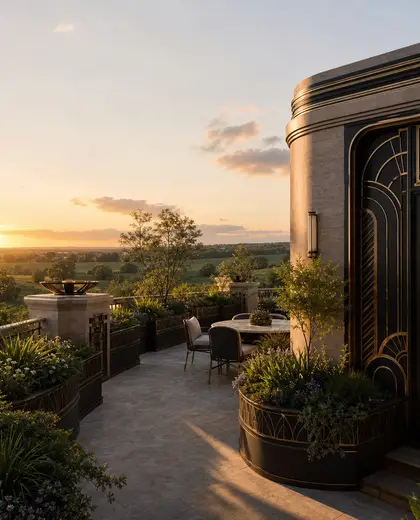
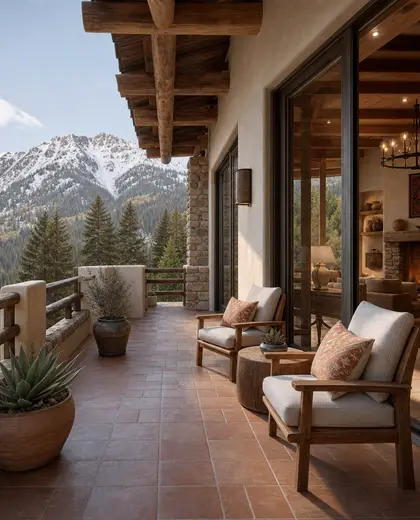
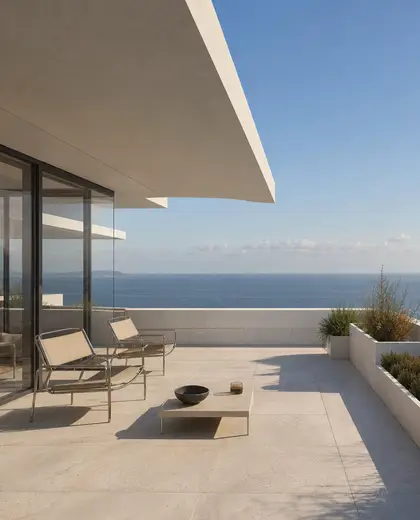
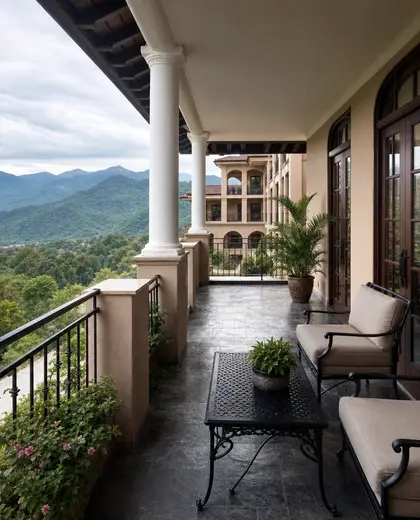
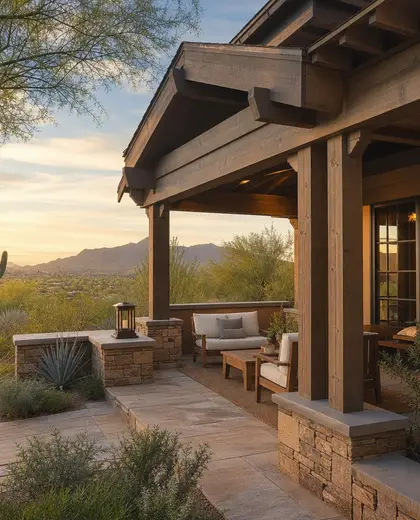
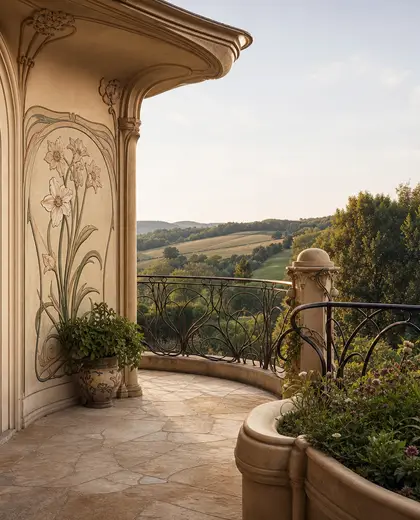
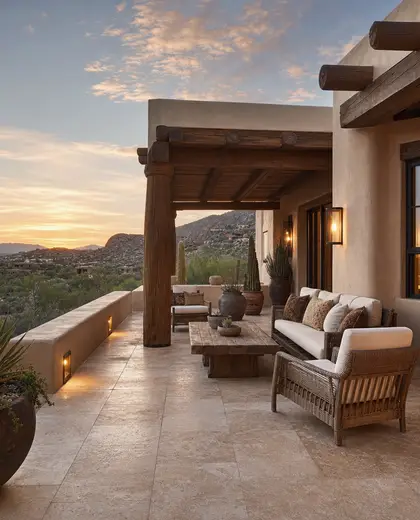
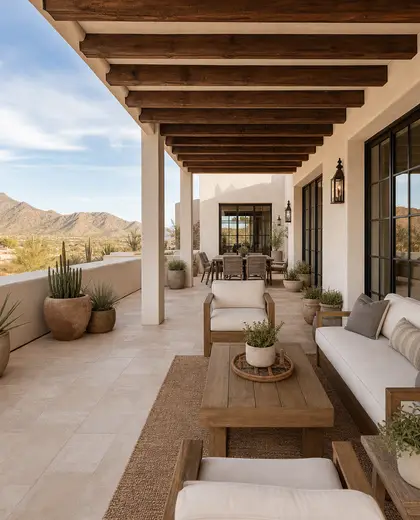
A terrace composition is defined by an outdoor floor plane made from durable materials such as stone, concrete, brick, wood, or porcelain pavers. It typically uses weather-resistant finishes, low or open railings, planters, seating, and shading elements to create a usable extension of the interior. The palette is usually natural and restrained, built around warm neutrals, greys, earth tones, and weathered timber tones.
- terrace
— References
References to explore
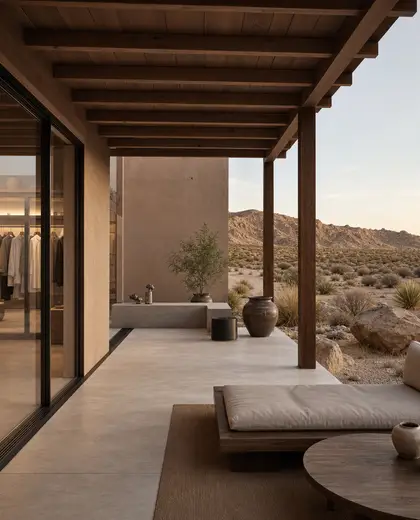
What makes a terrace different from a balcony or patio?
A terrace is usually a larger, more open outdoor platform at ground level, above a lower roof, or connected to a building. Compared with a balcony, it tends to feel more integrated and usable; compared with a patio, it is often more formally defined by structure or level change.
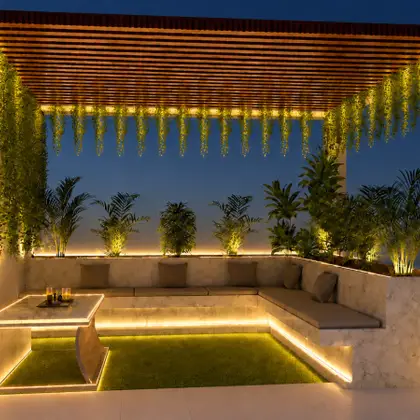
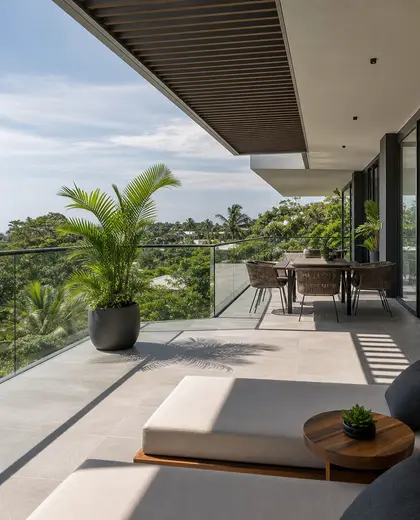
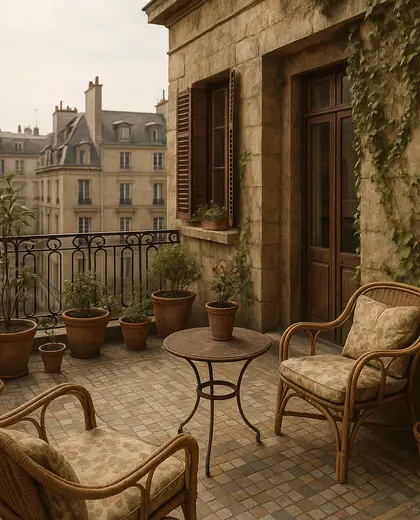
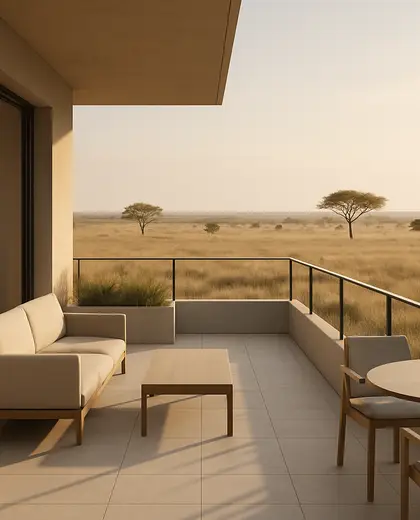
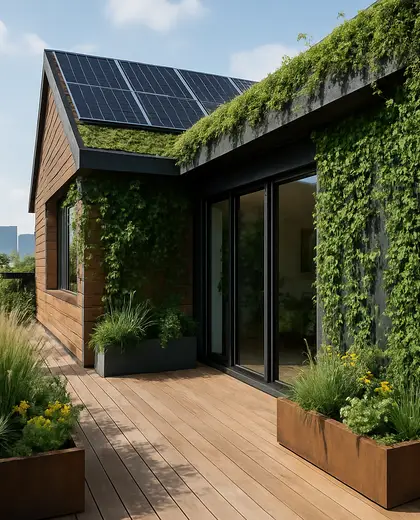
What materials work best for a terrace?
Choose materials that handle sun, rain, and temperature changes well. Stone, concrete, porcelain pavers, treated wood, and metal details are common because they are durable and easy to maintain.

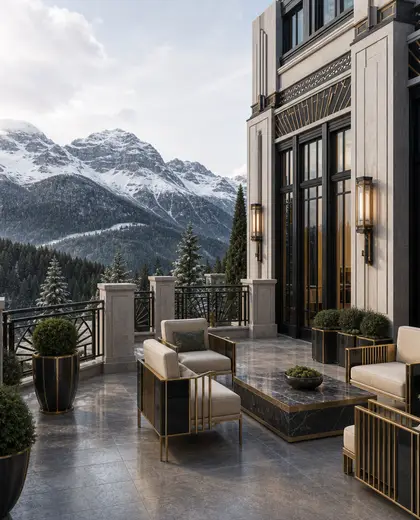
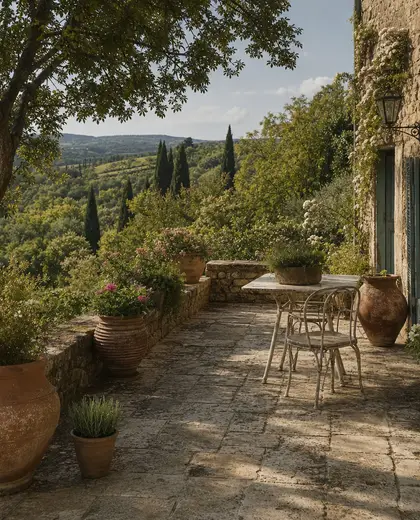
How do I keep a terrace composition from feeling too hard or bare?
Soften it with planting, timber, cushions, outdoor rugs, and a mix of open and enclosed edges. Lighting and shade elements also help balance the hard surfaces and make the space feel more comfortable.
— The style
What defines it
Stone, concrete, brick, timber decking, metal railings, and outdoor-grade porcelain are the most common choices.
Neutral and grounded: grey, beige, sand, off-white, charcoal, terracotta, and natural wood tones.
Often paired with large glazing, garden planting, outdoor dining, shaded structures, and simple built-in seating.
— Professionals
Who has already built it


- mawar electrical serviceselectricians · Bengaluru · 1 projectsView profile →
- the achievers archsmart home professionals · Delhi · 1 projectsView profile →
- home interior decoratorscarpenters · Rampur · 3 projectsView profile →
- pavit ceramics pvt ltdceramic manufacturers · Ahmedabad · 2 projectsView profile →
— Questions
Frequently asked questions
What makes a terrace different from a balcony or patio?
A terrace is usually a larger, more open outdoor platform at ground level, above a lower roof, or connected to a building. Compared with a balcony, it tends to feel more integrated and usable; compared with a patio, it is often more formally defined by structure or level change.
What materials work best for a terrace?
Choose materials that handle sun, rain, and temperature changes well. Stone, concrete, porcelain pavers, treated wood, and metal details are common because they are durable and easy to maintain.
How do I keep a terrace composition from feeling too hard or bare?
Soften it with planting, timber, cushions, outdoor rugs, and a mix of open and enclosed edges. Lighting and shade elements also help balance the hard surfaces and make the space feel more comfortable.