— Ideas & inspiration
A neoclassical house with timeless proportions
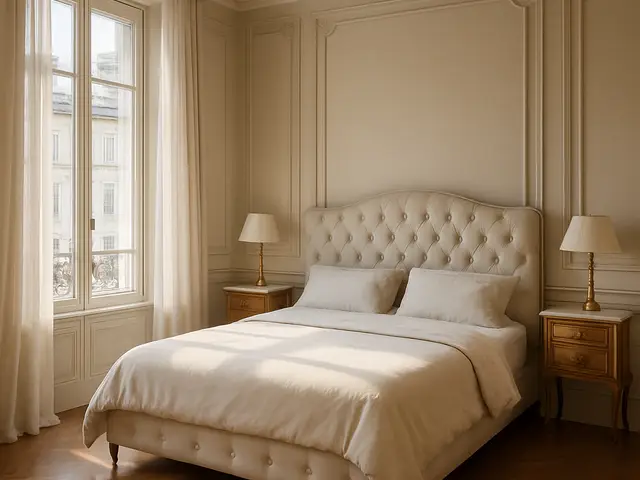
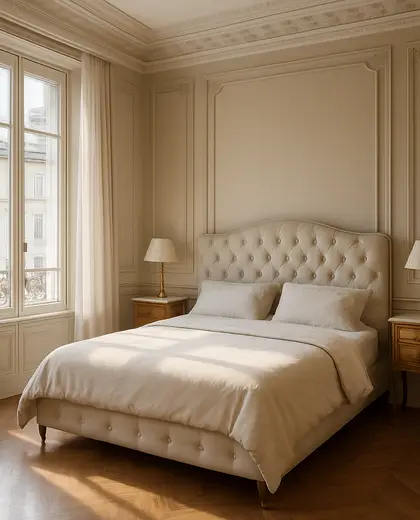
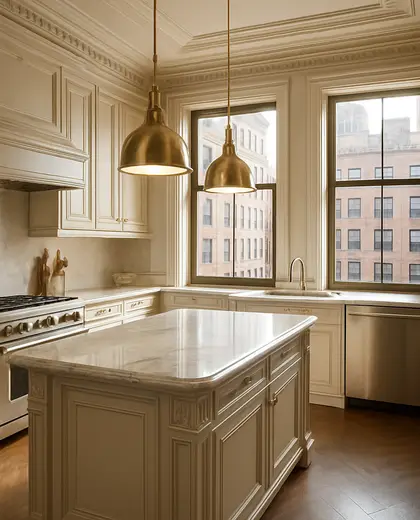
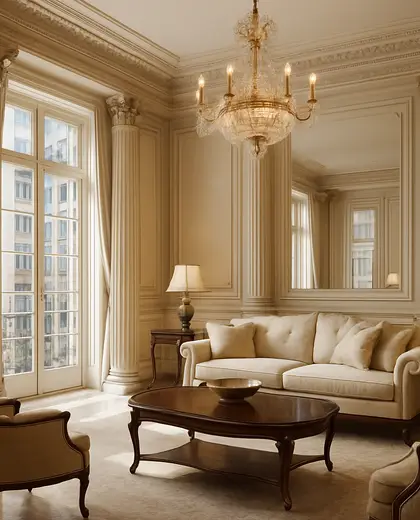
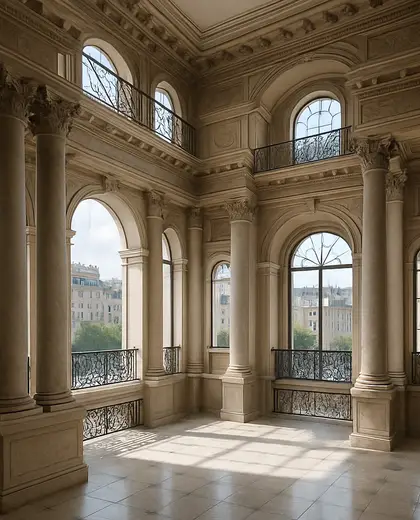
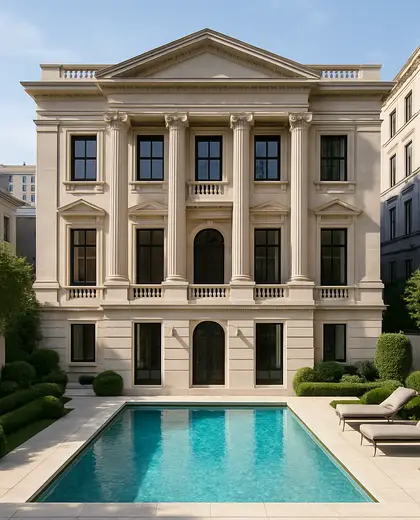
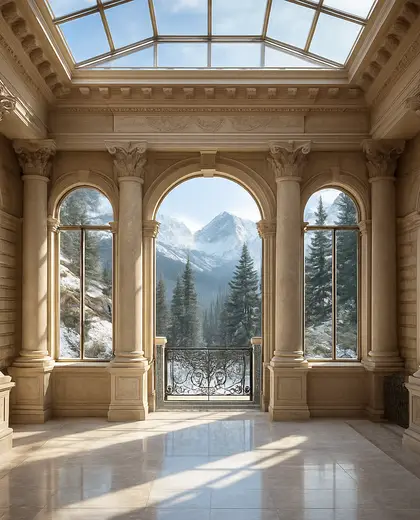
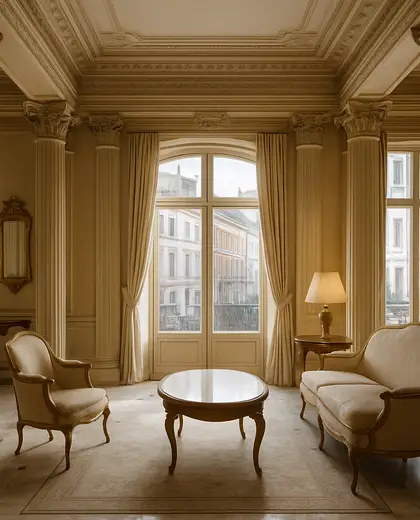
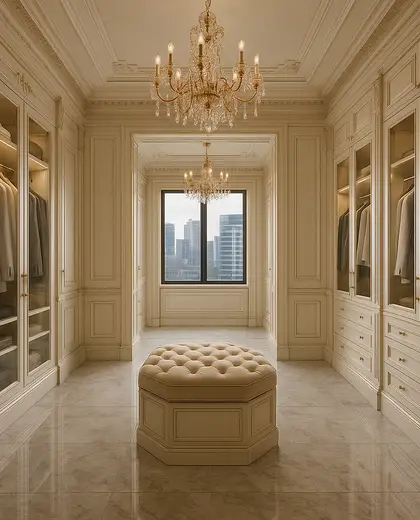
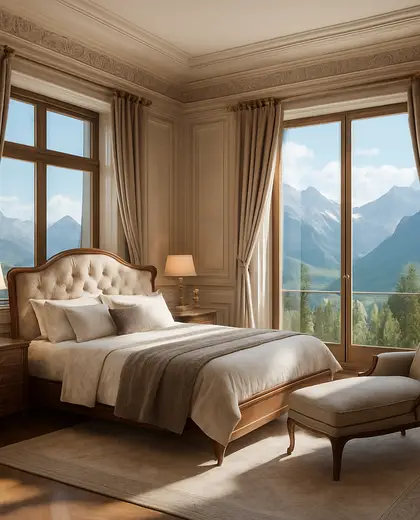
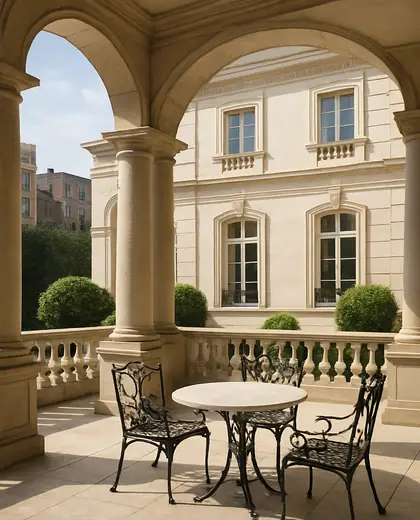
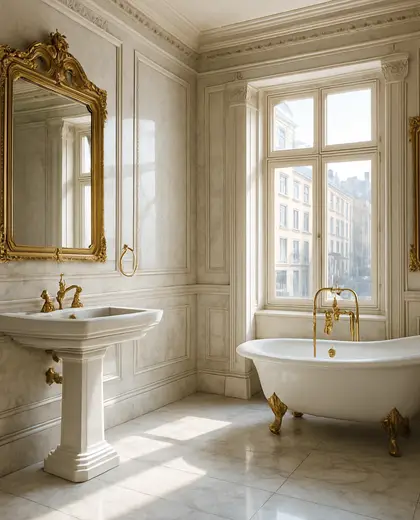
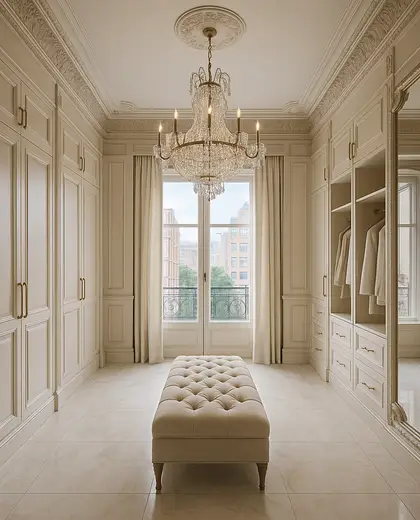
A neoclassical house is defined by balanced proportions, symmetrical facades, and refined classical details such as columns, pilasters, cornices, and pediments. It typically uses durable materials like stucco, stone, marble, and painted wood, with a formal layout that feels orderly and composed. The palette is usually light and restrained, often white, cream, soft gray, and muted beige.
- house
- neoclassical
— References
References to explore
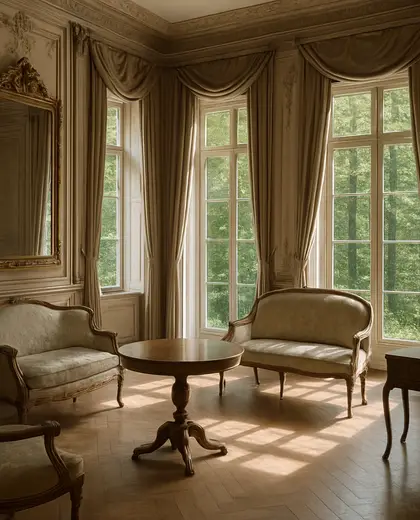
What makes a house look neoclassical?
Symmetry is the biggest cue, along with columns or pilasters, a centered front entry, balanced window placement, and classical trim such as cornices or pediments.

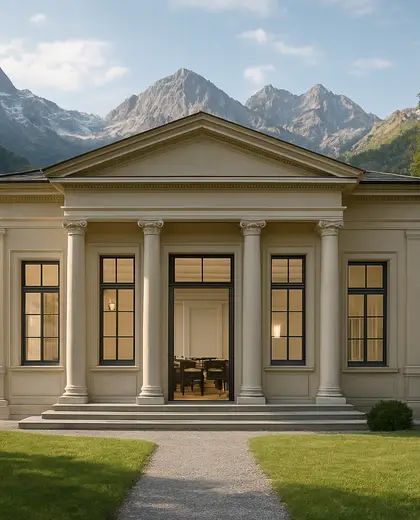
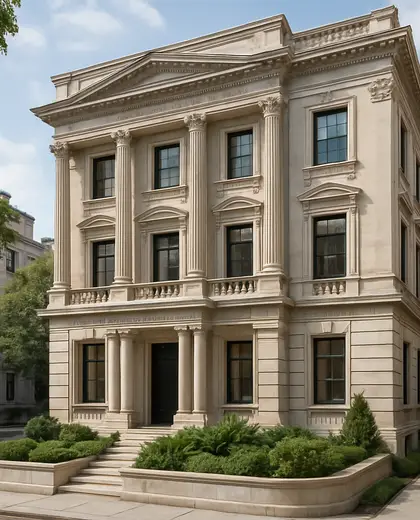
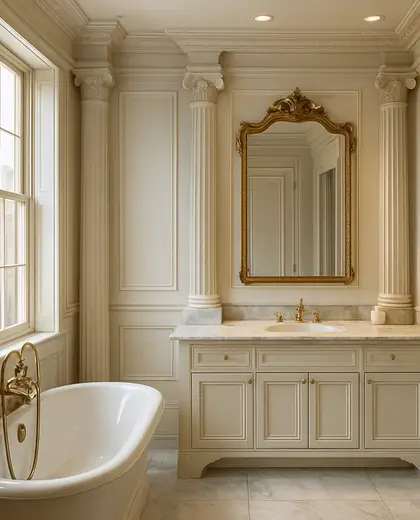
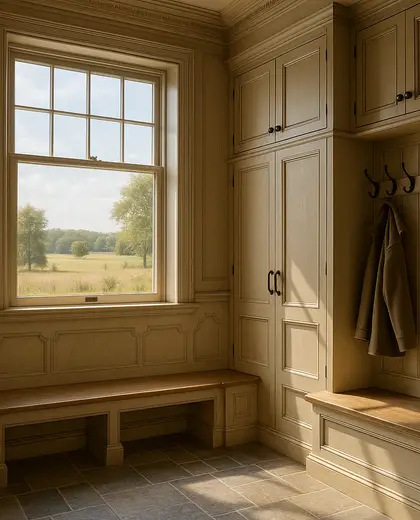
Can a neoclassical house feel modern inside?
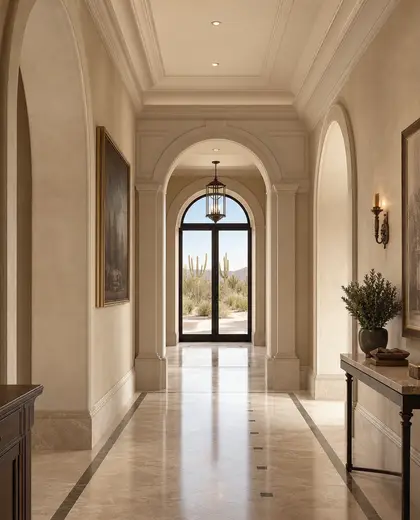
Yes. The exterior language can stay classical while the interior uses cleaner lines, simpler finishes, and more open planning, as long as the proportions stay calm and balanced.

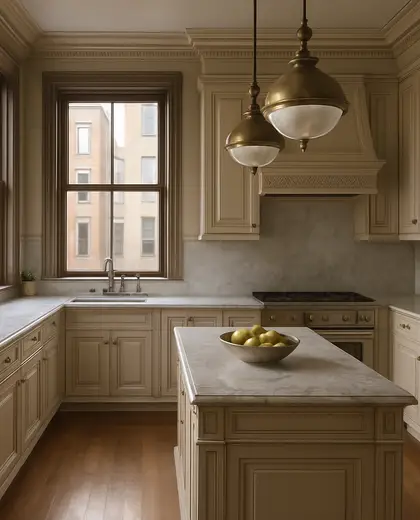
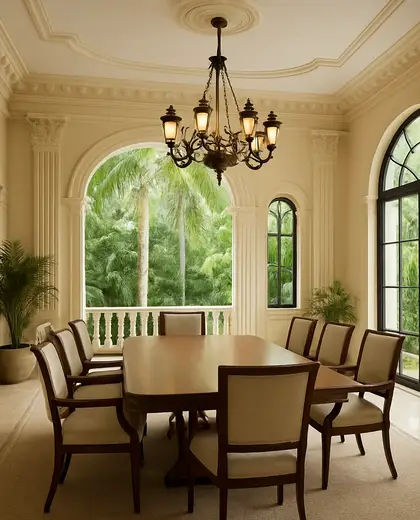
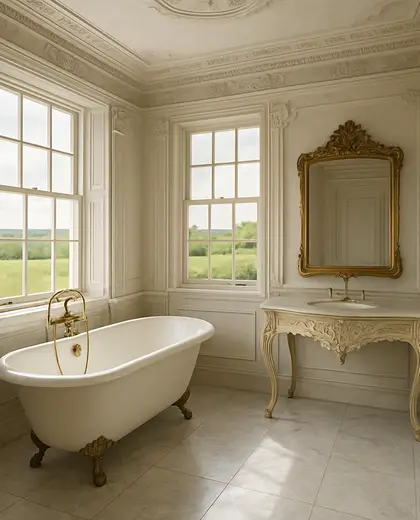
Does this style work on small homes?
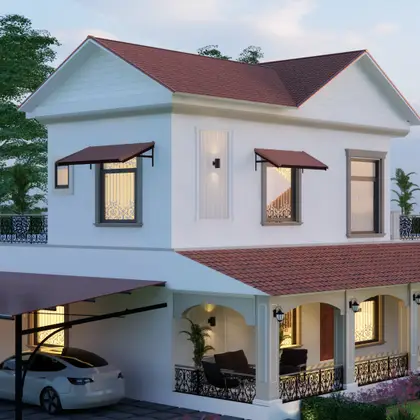
It can, but the details need to be scaled carefully. Even a smaller house can read as neoclassical if the facade is orderly, the trim is controlled, and the ornament stays restrained.



— The style
What defines it
Stucco, stone, marble, painted wood, and sometimes wrought iron for railings or gates.
Light neutrals dominate: white, ivory, cream, pale gray, and warm beige, often accented with black or bronze.
Classical symmetry, tall windows, formal entry steps, decorative moldings, and restrained ornament rather than heavy decoration.
— Professionals
Who has already built it




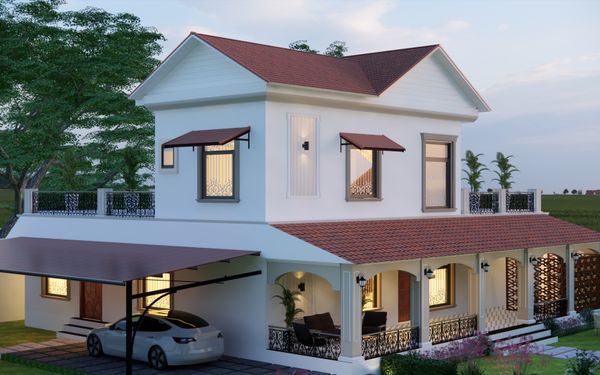

- sandeep parchitects · 3 projectsView profile →
- home interior decoratorscarpenters · Rampur · 3 projectsView profile →
- pavit ceramics pvt ltdceramic manufacturers · Ahmedabad · 2 projectsView profile →
- Bristolfurniture sellers · Bangalore · 6 projectsView profile →
— Explore
Keep exploring
— Questions
Frequently asked questions
What makes a house look neoclassical?
Symmetry is the biggest cue, along with columns or pilasters, a centered front entry, balanced window placement, and classical trim such as cornices or pediments.
Can a neoclassical house feel modern inside?
Yes. The exterior language can stay classical while the interior uses cleaner lines, simpler finishes, and more open planning, as long as the proportions stay calm and balanced.
Does this style work on small homes?
It can, but the details need to be scaled carefully. Even a smaller house can read as neoclassical if the facade is orderly, the trim is controlled, and the ornament stays restrained.