— Ideas & inspiration
Home office
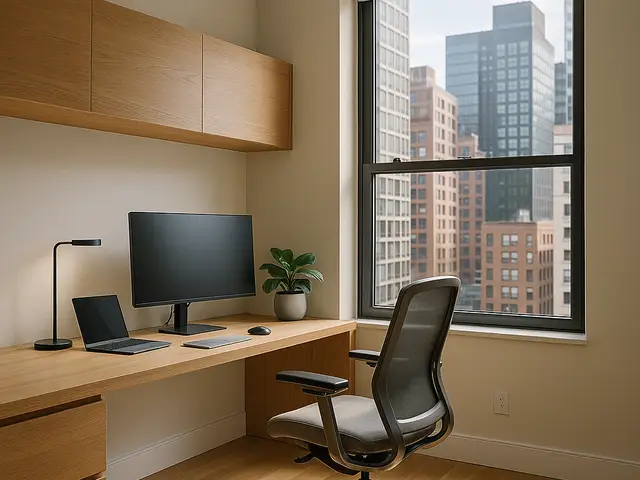
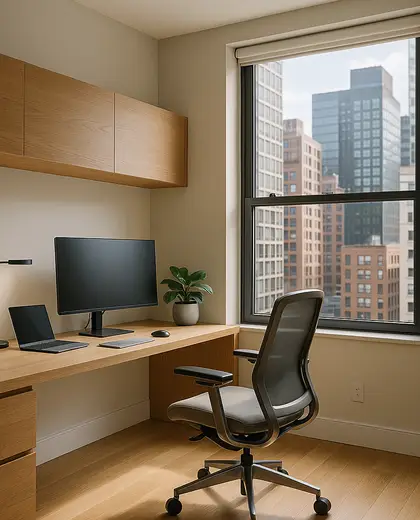
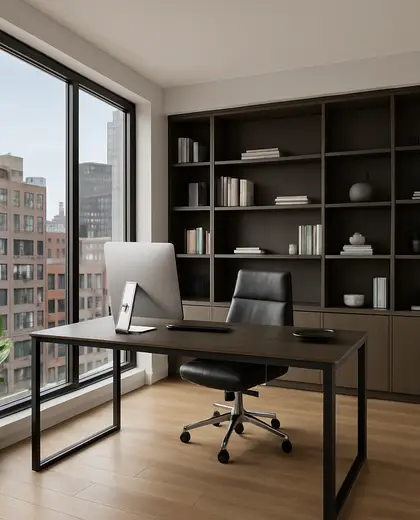
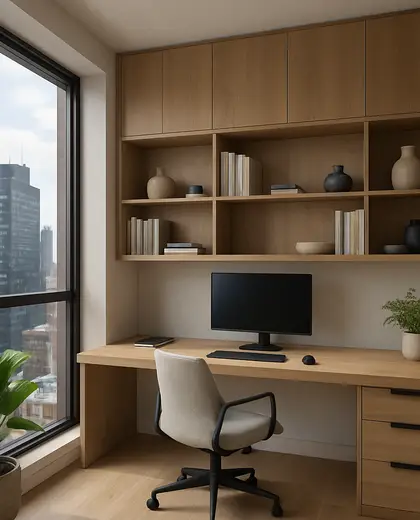
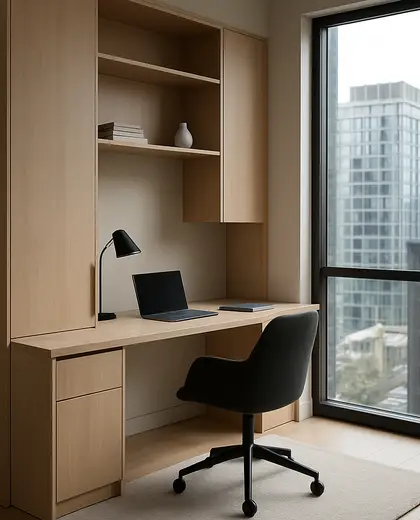
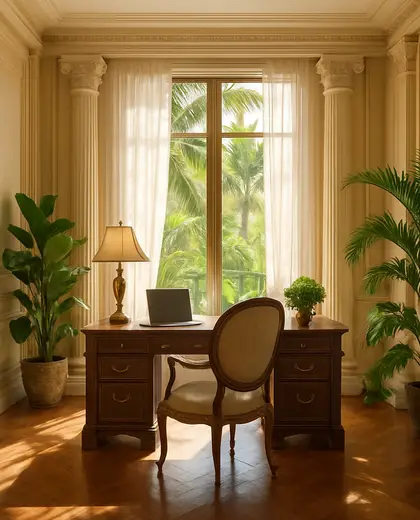
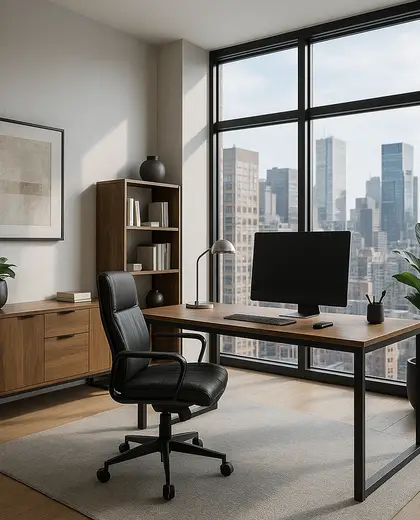
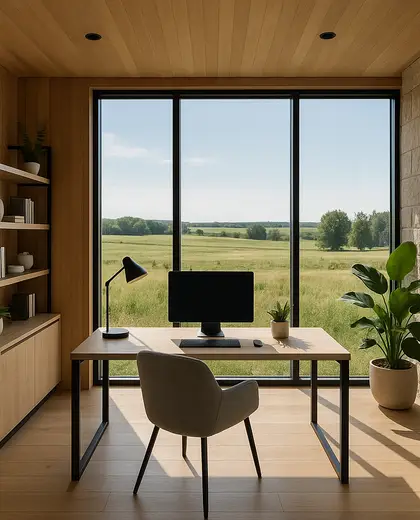
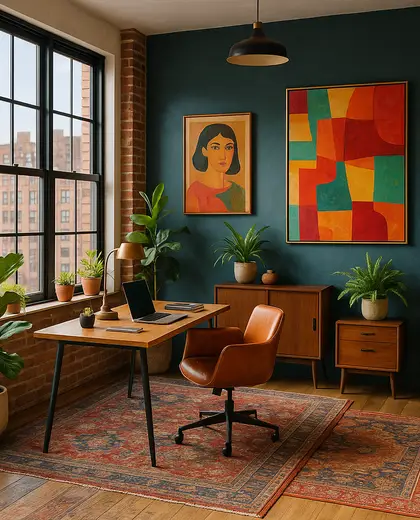
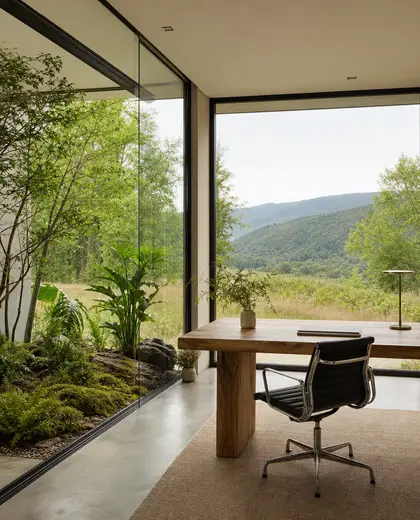
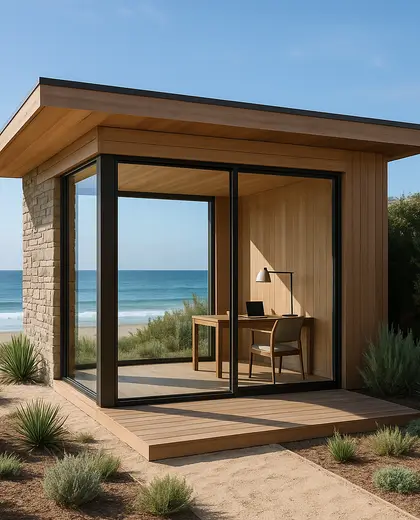
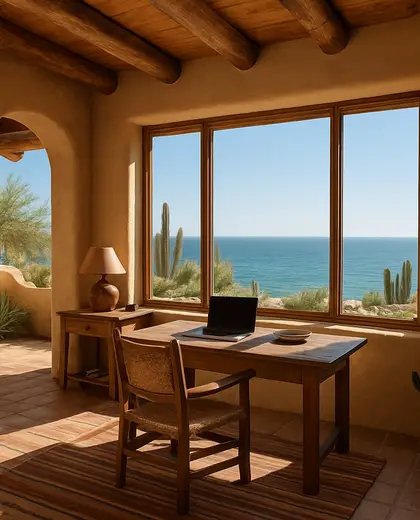
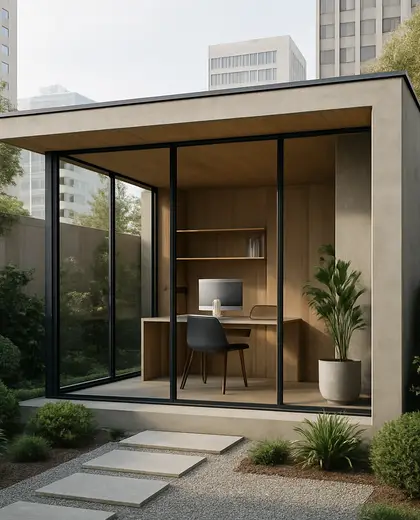
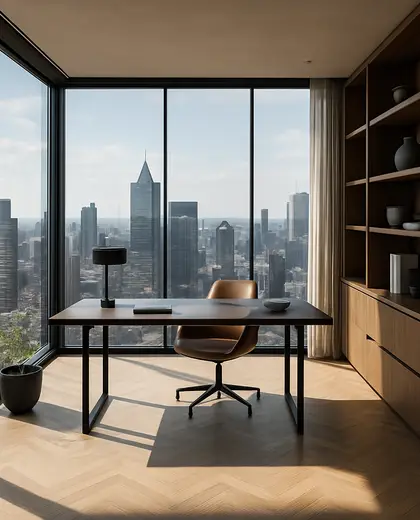
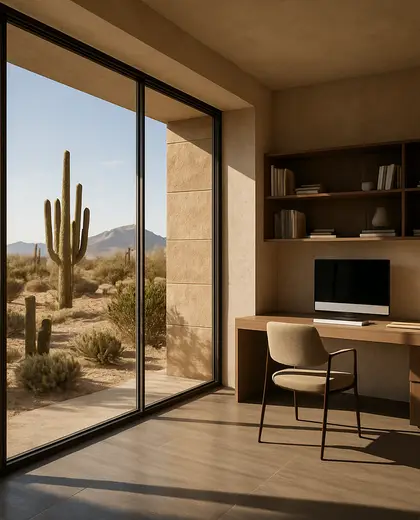
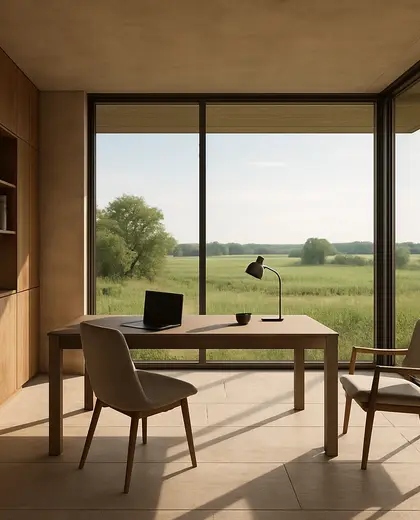
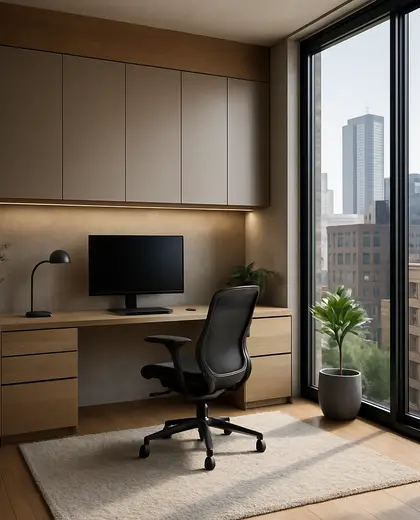
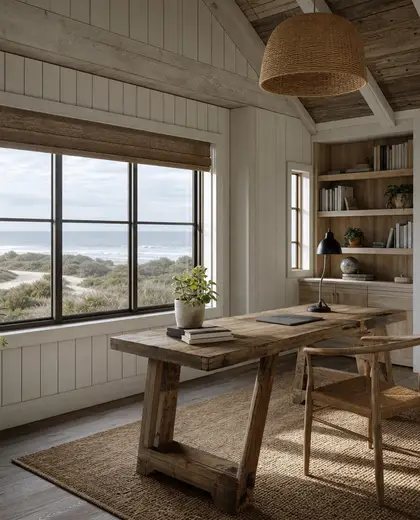
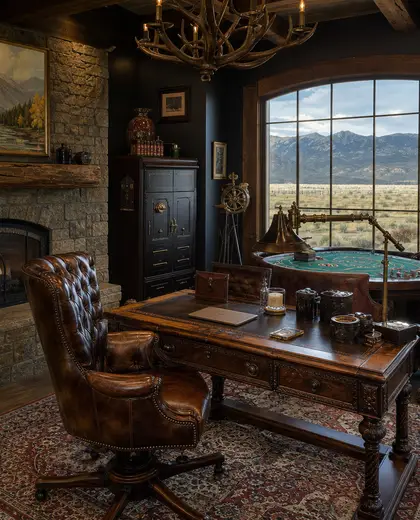
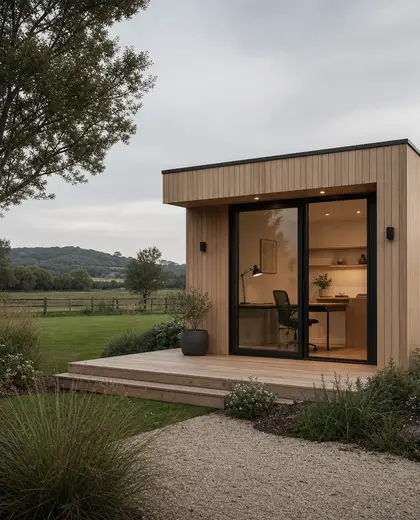
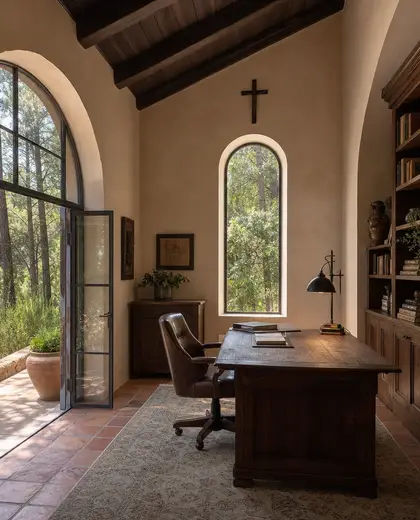
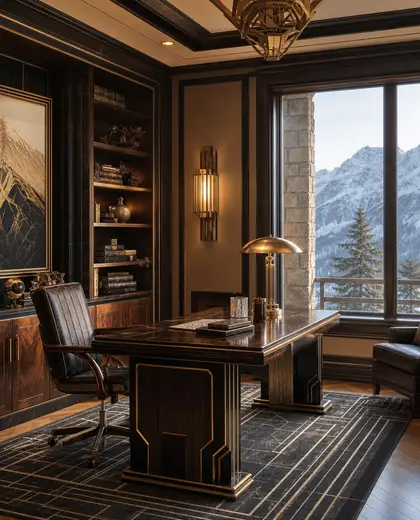
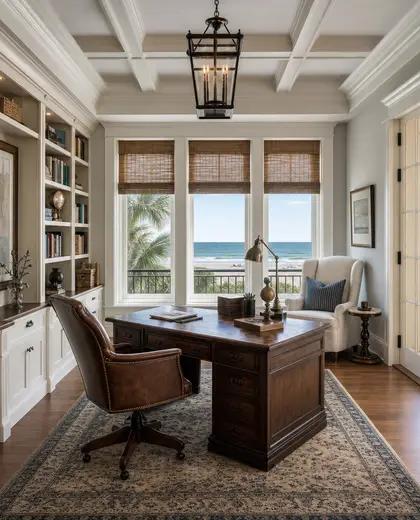
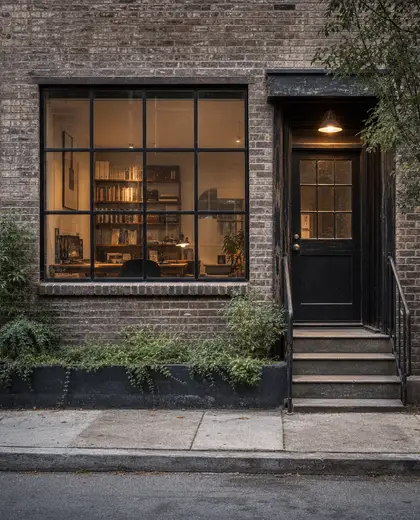
A home office is typically defined by a compact work surface, ergonomic seating, and integrated storage that keeps the room visually calm. Materials often include wood, laminate, painted cabinetry, metal accents, and acoustic textiles, with finishes chosen for durability and low glare. The composition usually balances task lighting, cable management, and a restrained layout so the space functions well in both dedicated rooms and mixed-use corners.
- home office
— References
References to explore
How is a home office different from a desk placed in a living room?
A home office usually has clearer spatial definition, more storage, and better attention to lighting and ergonomics. A desk in a living room can still work, but it is usually less contained and more visually integrated with the rest of the house.
What materials are most practical for everyday use?
Surfaces that resist scratches and are easy to clean tend to work best, such as laminate, sealed wood, or painted MDF. Pairing them with metal hardware and durable upholstery helps the room hold up over time.
What should a homeowner prioritize in this composition?
Focus on a comfortable chair, an appropriately sized desk, storage for paperwork and devices, and lighting that reduces glare. Good cable management and a calm visual palette also make the room easier to use daily.
— The style
What defines it
Wood, MDF or laminate millwork, metal framing, upholstered seating, glass, and acoustic panels are common choices.
Neutral tones such as white, beige, gray, taupe, and light timber are common, often with one darker accent for contrast.
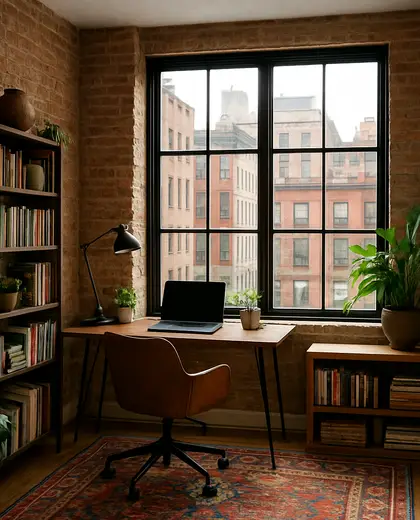
Works well with bookshelves, closed storage, built-in desks, daylight, and soft textiles such as rugs and curtains.
— Professionals
Who has already built it
- aramitha devassykuttyarchitects · 6 projectsView profile →
- praveen kumar singh3d renderers · Ranchi · 6 projectsView profile →
- mawar electrical serviceselectricians · Bengaluru · 1 projectsView profile →
- anurag vermainterior designers · 6 projectsView profile →
— Questions
Frequently asked questions
How is a home office different from a desk placed in a living room?
A home office usually has clearer spatial definition, more storage, and better attention to lighting and ergonomics. A desk in a living room can still work, but it is usually less contained and more visually integrated with the rest of the house.
What materials are most practical for everyday use?
Surfaces that resist scratches and are easy to clean tend to work best, such as laminate, sealed wood, or painted MDF. Pairing them with metal hardware and durable upholstery helps the room hold up over time.
What should a homeowner prioritize in this composition?
Focus on a comfortable chair, an appropriately sized desk, storage for paperwork and devices, and lighting that reduces glare. Good cable management and a calm visual palette also make the room easier to use daily.