— Ideas & inspiration
Kitchen composition
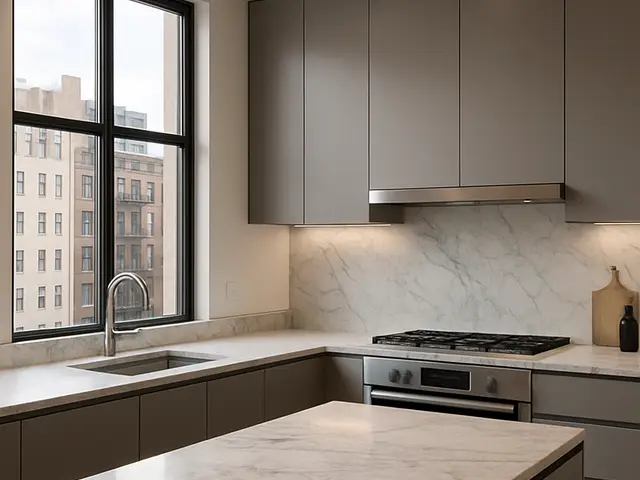
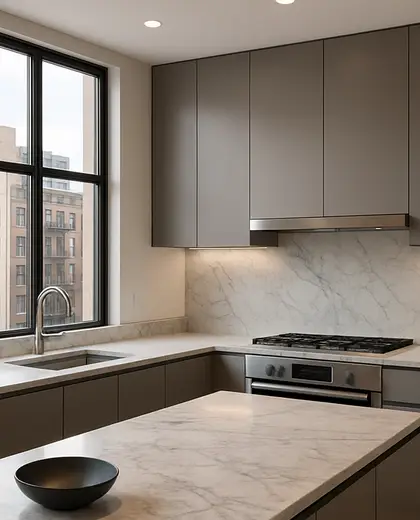
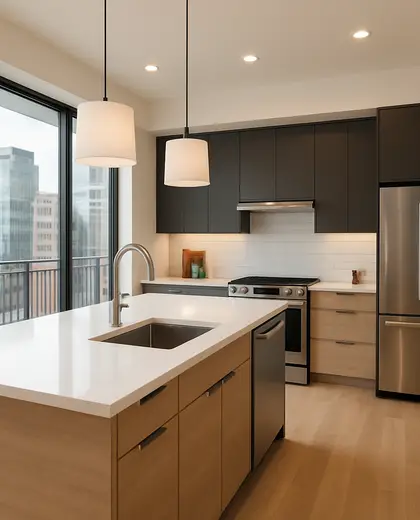
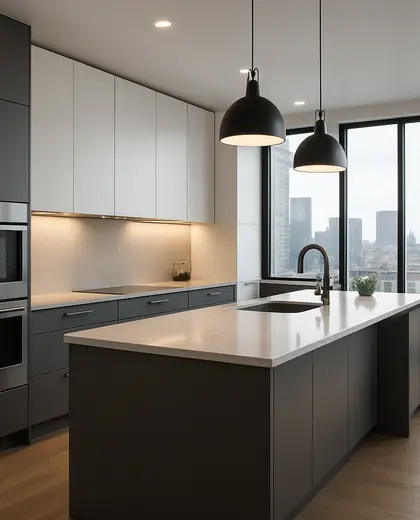
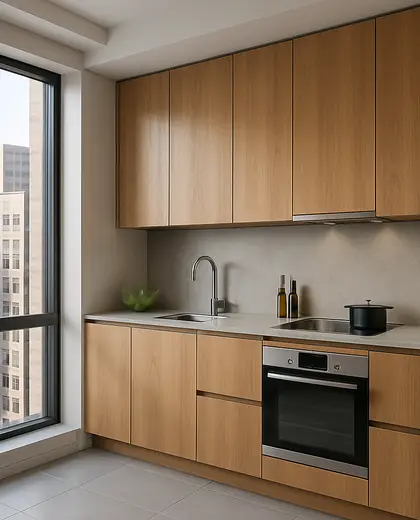
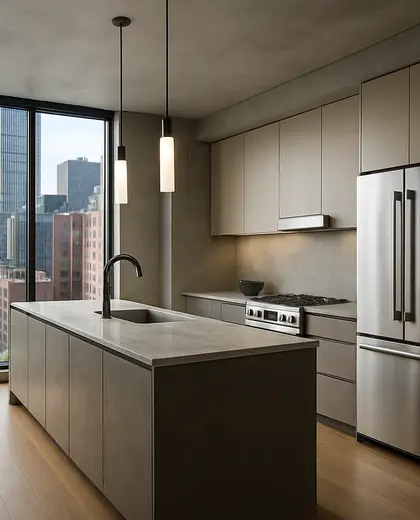
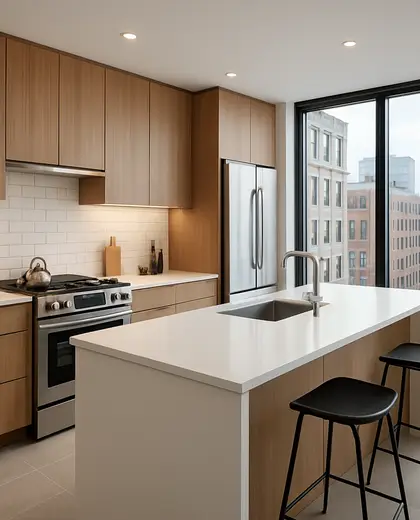
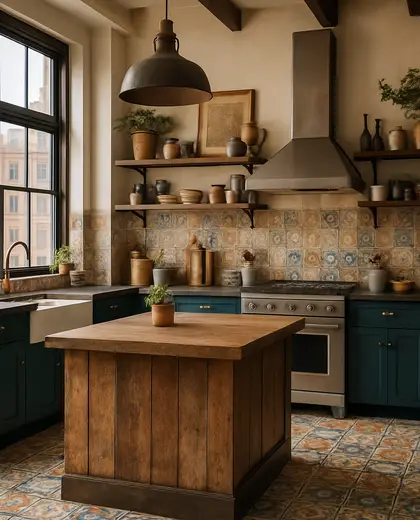
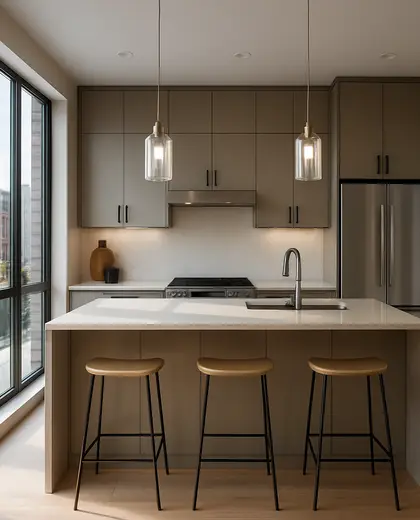
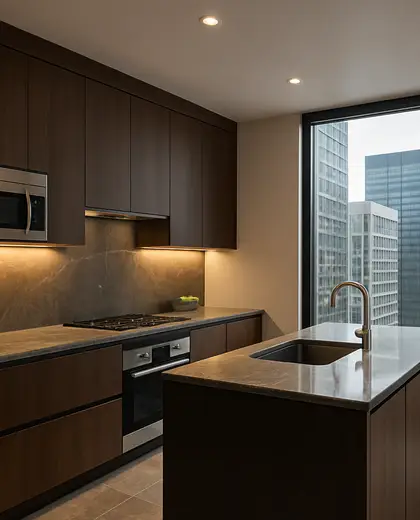
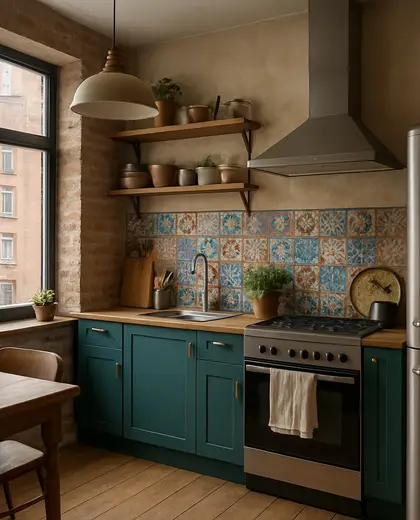
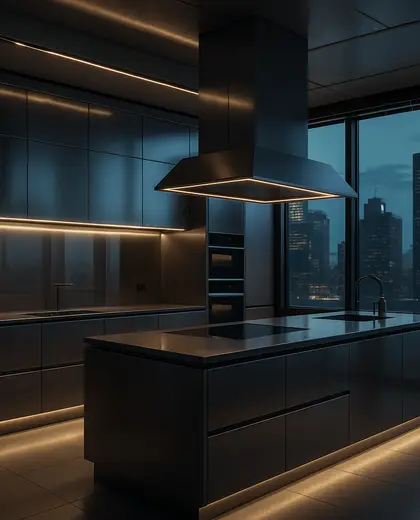
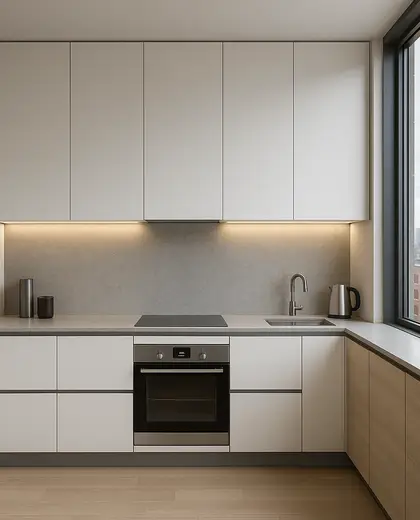
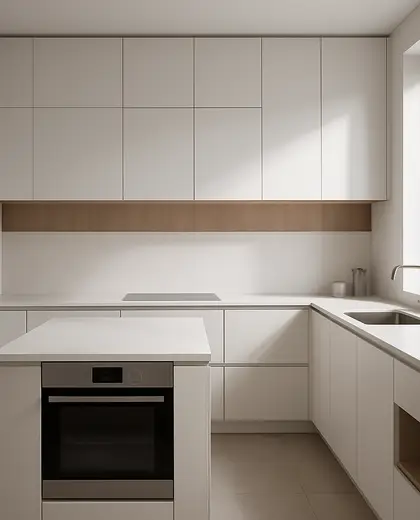
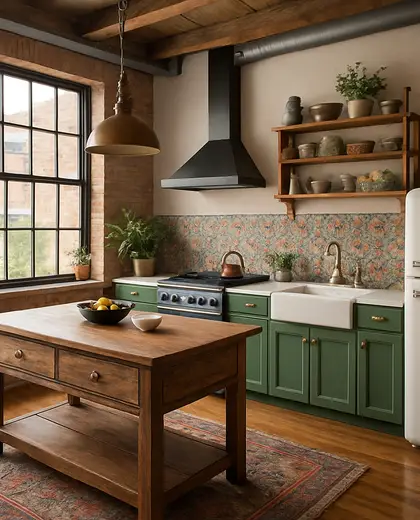
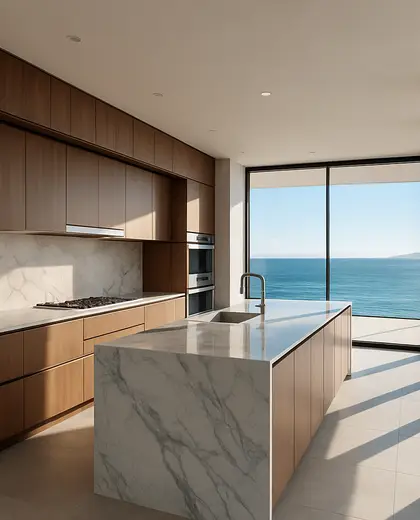
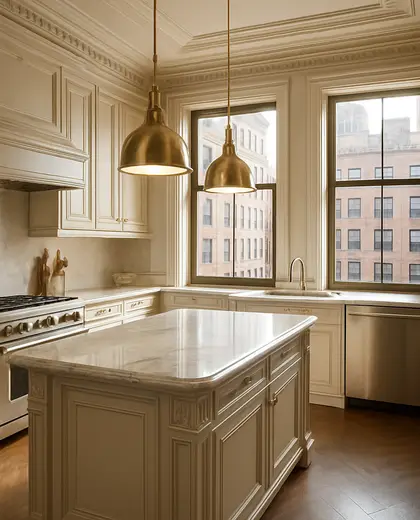
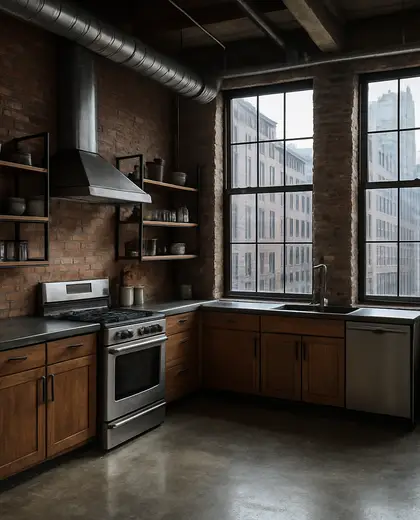
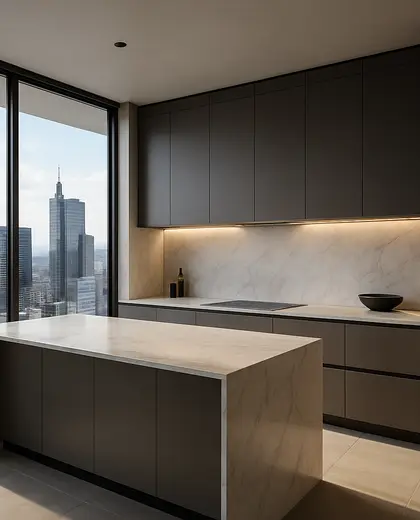
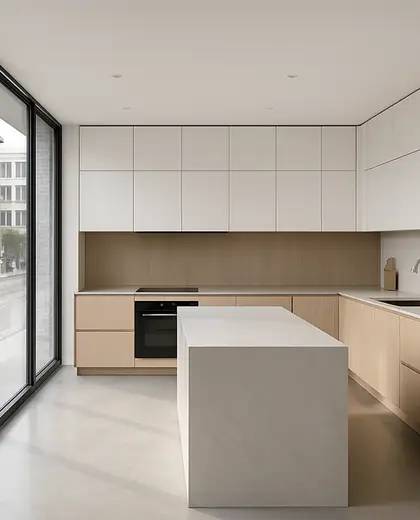
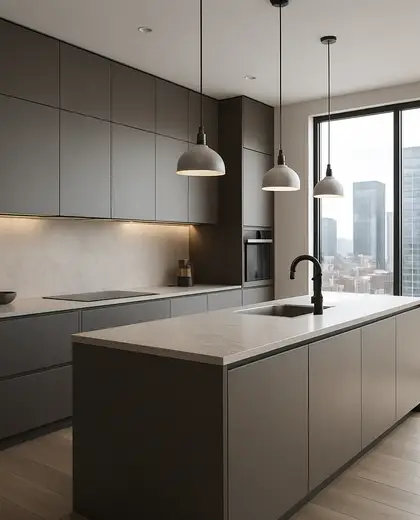
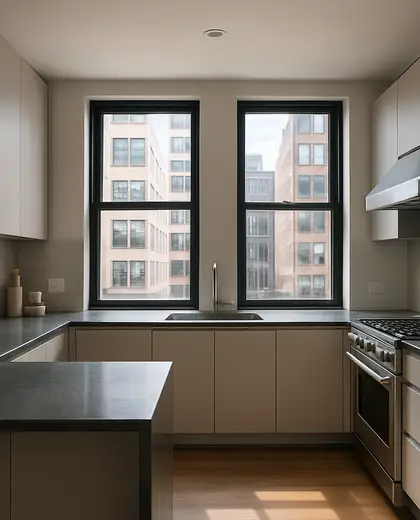
A kitchen composition is defined by built-in cabinetry, durable work surfaces, and a clear layout for cooking, storage, and cleaning. It typically uses materials such as wood veneer, lacquer, stone, stainless steel, and tile, with a palette that leans neutral, warm, or dark depending on the atmosphere. The composition is shaped by counters, tall units, an island or peninsula, and integrated appliances.
- kitchen
— References
References to explore
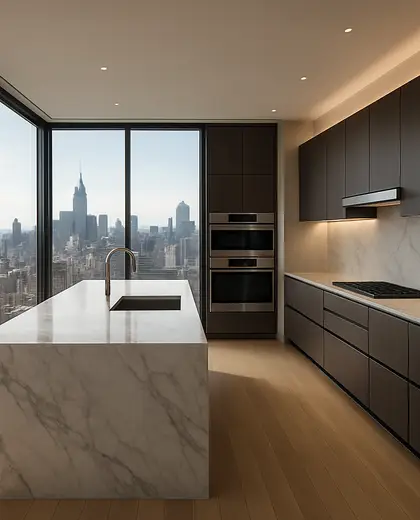
What makes a kitchen composition different from a standard kitchen?
It refers to the overall arrangement and visual structure: cabinetry, worktops, appliances, storage volumes, and how they are organized in the room.

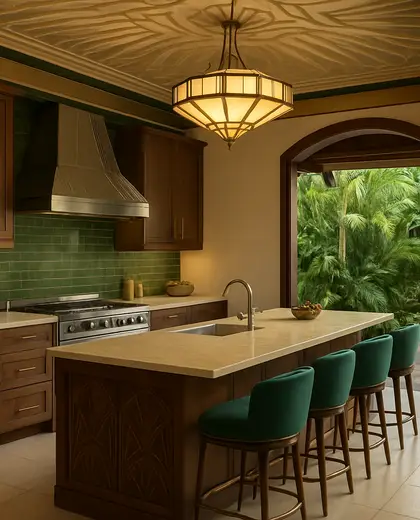
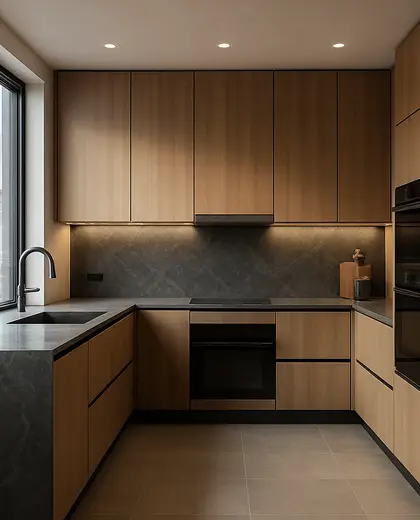
Which materials age well in a kitchen?
Stone or quartz counters, quality wood veneers, powder-coated or painted fronts, and tile backsplashes tend to hold up well with regular use.
Can a kitchen composition work in a small space?
Yes. Compact runs, tall storage, and integrated appliances can create a clear composition even in a narrow or small kitchen.
— The style
What defines it
Common choices include oak or walnut veneer, painted MDF or lacquer, quartz or stone counters, stainless steel, and ceramic tile.
Most kitchen compositions stay restrained: white, beige, greige, black, muted green, or natural wood tones, often mixed with one darker accent.
It works well with dining areas, open-plan living spaces, pantries, and utility rooms, and often combines with an island or breakfast bar.
— Professionals
Who has already built it




- mawar electrical serviceselectricians · Bengaluru · 1 projectsView profile →
- subhankar dasarchitects · Kolkata · 1 projectsView profile →
- the achievers archsmart home professionals · Delhi · 1 projectsView profile →
- home interior decoratorscarpenters · Rampur · 3 projectsView profile →
— Questions
Frequently asked questions
What makes a kitchen composition different from a standard kitchen?
It refers to the overall arrangement and visual structure: cabinetry, worktops, appliances, storage volumes, and how they are organized in the room.
Which materials age well in a kitchen?
Stone or quartz counters, quality wood veneers, powder-coated or painted fronts, and tile backsplashes tend to hold up well with regular use.
Can a kitchen composition work in a small space?
Yes. Compact runs, tall storage, and integrated appliances can create a clear composition even in a narrow or small kitchen.