— Ideas & inspiration
Art nouveau
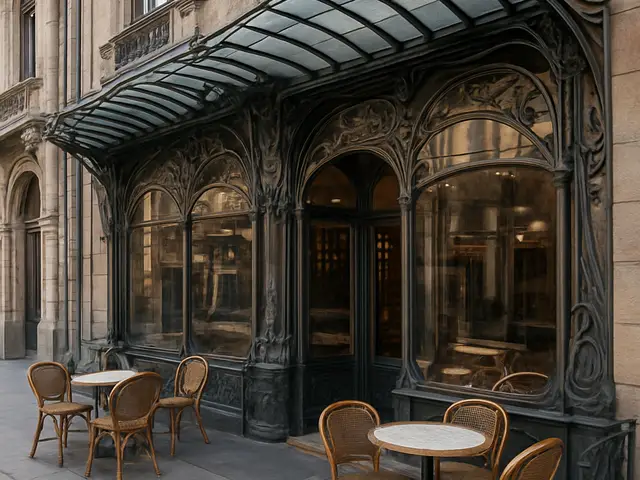
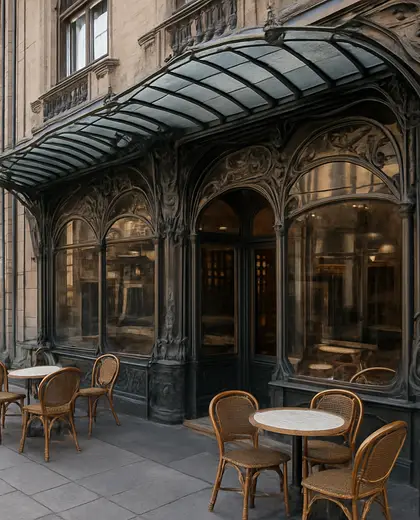
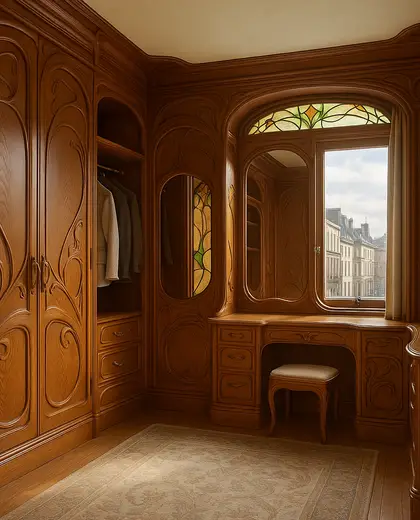
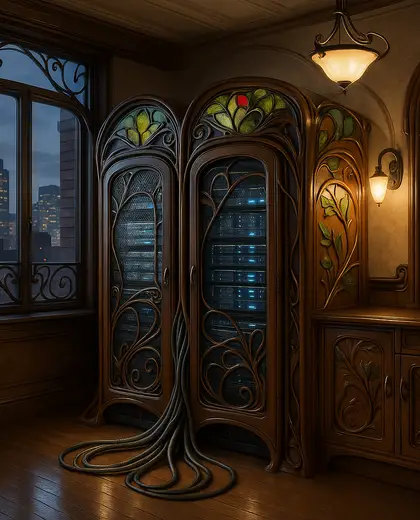
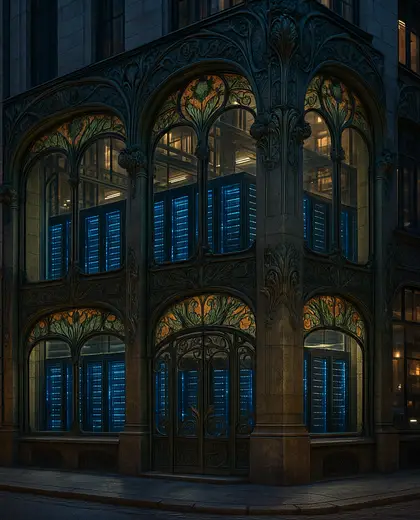
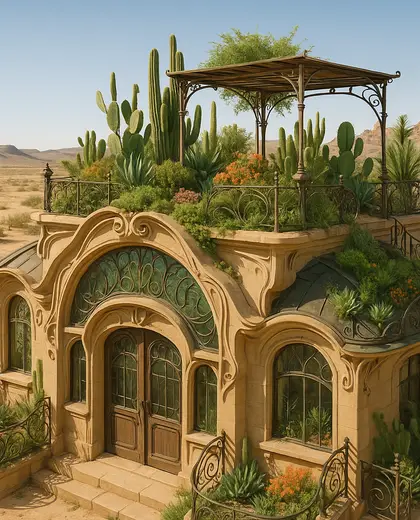
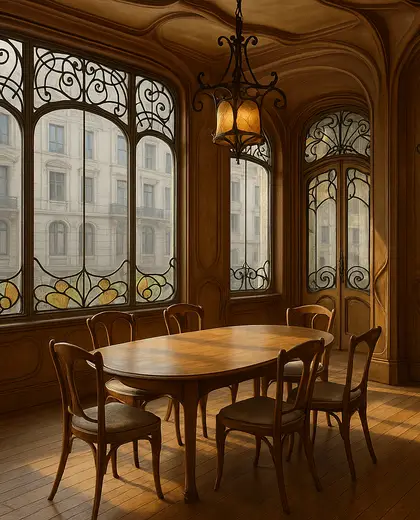
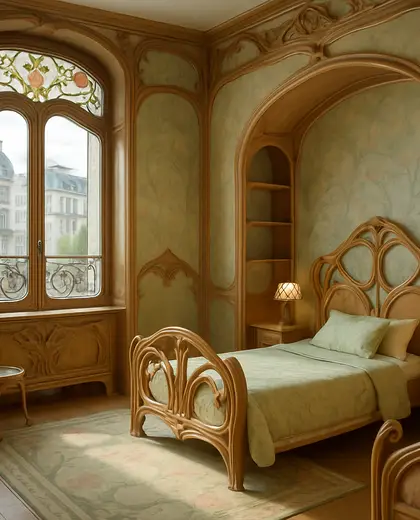
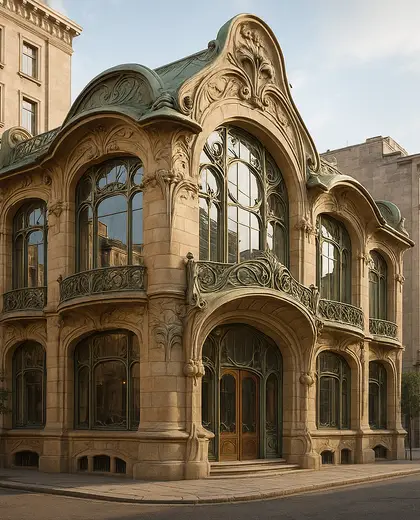
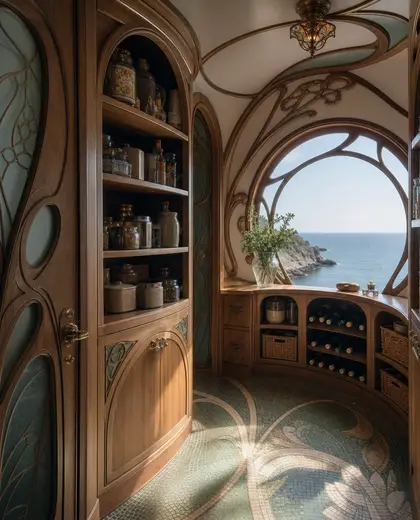
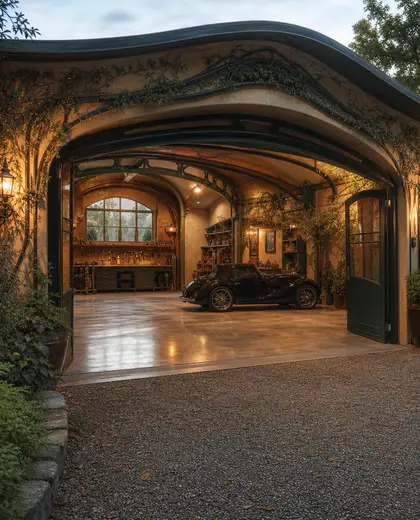
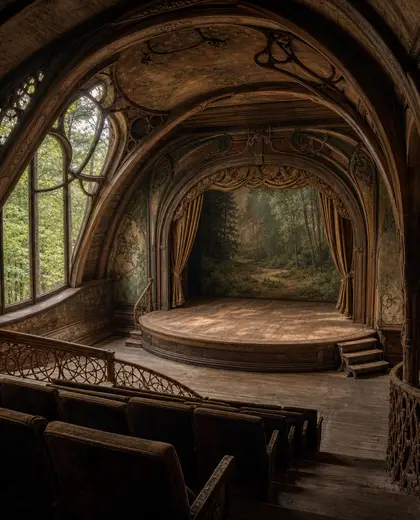
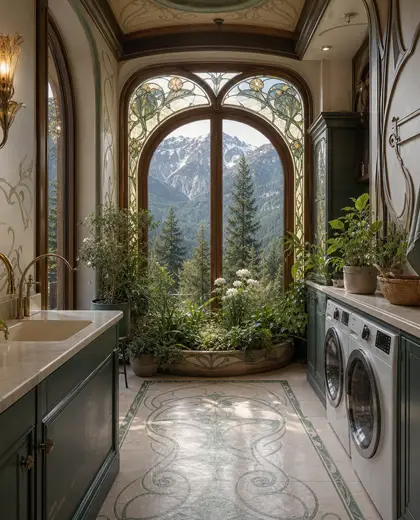
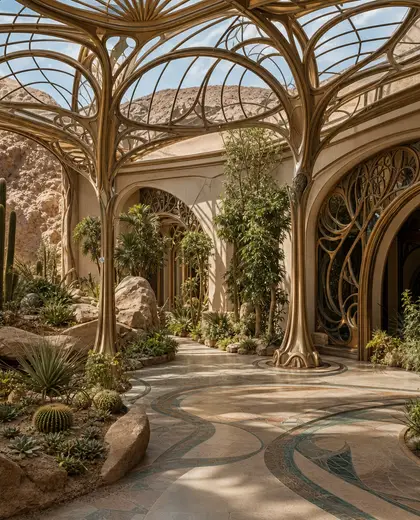
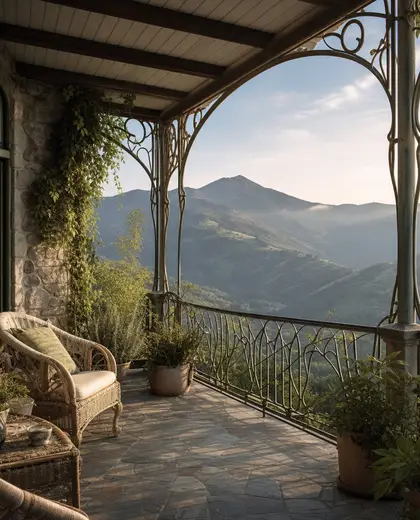
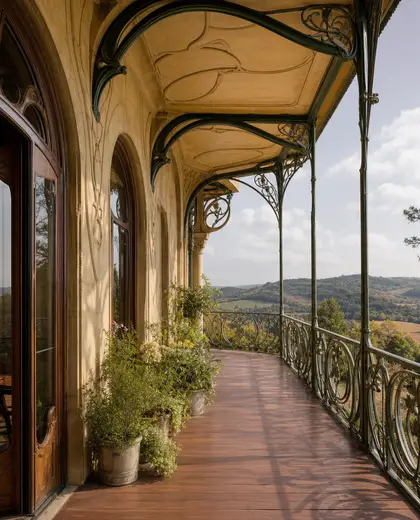
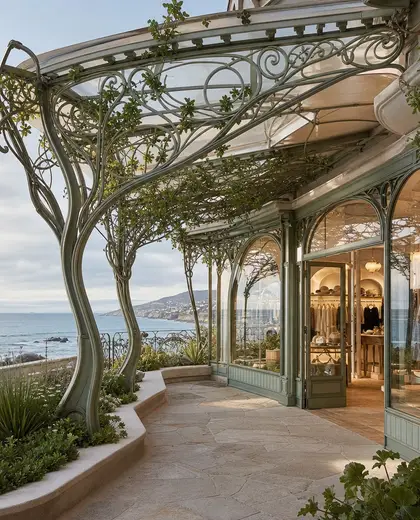
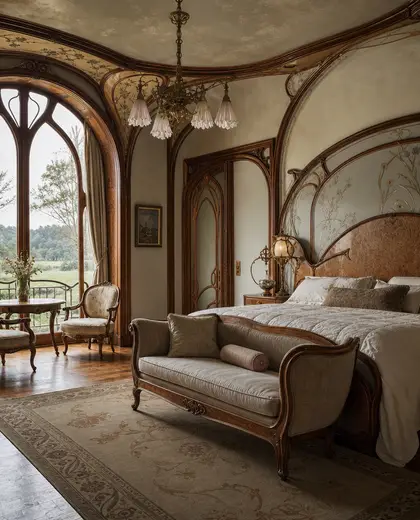
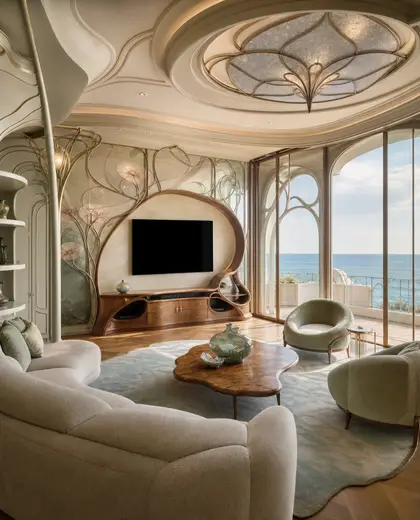
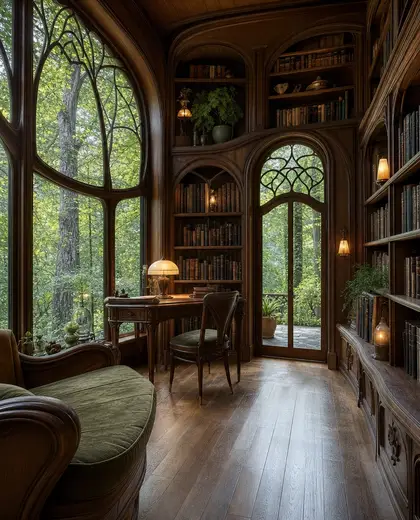
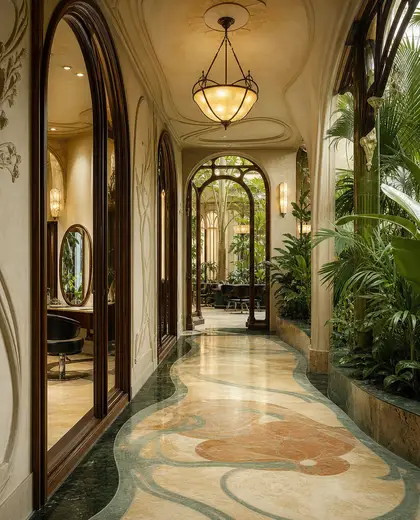
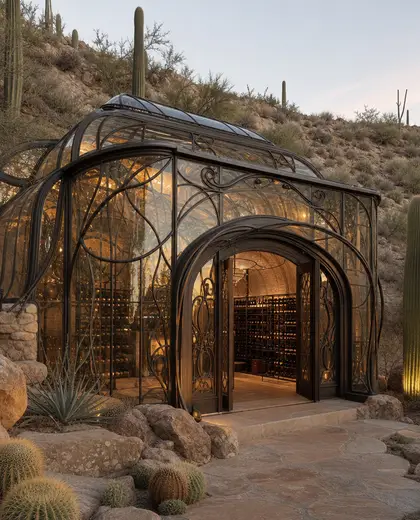
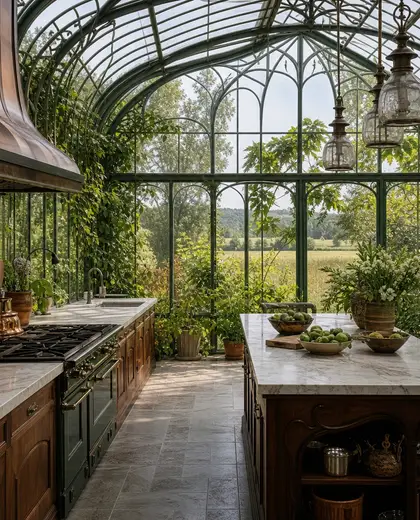
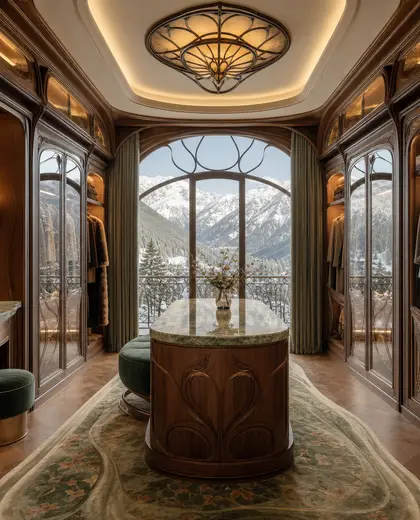
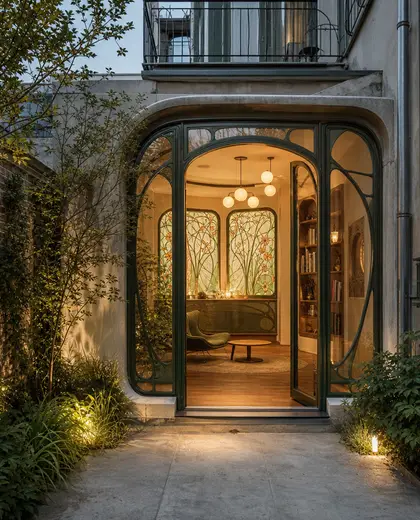
Art nouveau is defined by flowing, organic lines, asymmetrical compositions, and decorative details inspired by plants, flowers, and insects. It often uses wrought iron, stained glass, carved wood, ceramics, and curved plasterwork, with motifs that feel hand-drawn rather than geometric. The palette is usually soft and nature-led: muted greens, creams, golds, browns, and occasional jewel tones.
- art nouveau
— References
References to explore
Is art nouveau suitable for a modern home?
Yes, but it usually works best as an accent language rather than a full-room style. Curved lighting, patterned glass, and a few decorative details can bring in the character without overwhelming a contemporary space.
What makes art nouveau different from art deco?
Art nouveau is more organic, with flowing lines and nature-inspired ornament. Art deco is typically more geometric, symmetrical, and streamlined.
What materials should I look for first?
Start with stained glass, wrought iron, carved wood, and curved joinery. These materials carry the style well and help the space feel authentic even with a limited application.
— The style
What defines it
Wrought iron, stained glass, carved wood, ceramic tile, brass, and shaped plaster are common.
Muted greens, ivory, warm browns, soft golds, and deeper accents like emerald, amber, or burgundy.
Works well with classic interiors, period homes, curved furniture, botanical wallpaper, and handmade finishes.
— Professionals
Who has already built it
- sbv srinivasarchitects · Bengaluru · 6 projectsView profile →
- the achievers archsmart home professionals · Delhi · 1 projectsView profile →
- home interior decoratorscarpenters · Rampur · 3 projectsView profile →
- pavit ceramics pvt ltdceramic manufacturers · Ahmedabad · 2 projectsView profile →
— Questions
Frequently asked questions
Is art nouveau suitable for a modern home?
Yes, but it usually works best as an accent language rather than a full-room style. Curved lighting, patterned glass, and a few decorative details can bring in the character without overwhelming a contemporary space.
What makes art nouveau different from art deco?
Art nouveau is more organic, with flowing lines and nature-inspired ornament. Art deco is typically more geometric, symmetrical, and streamlined.
What materials should I look for first?
Start with stained glass, wrought iron, carved wood, and curved joinery. These materials carry the style well and help the space feel authentic even with a limited application.