— Ideas & inspiration
Facade
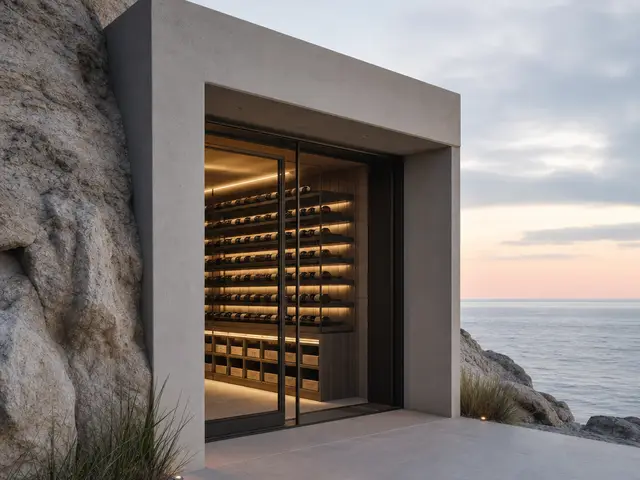
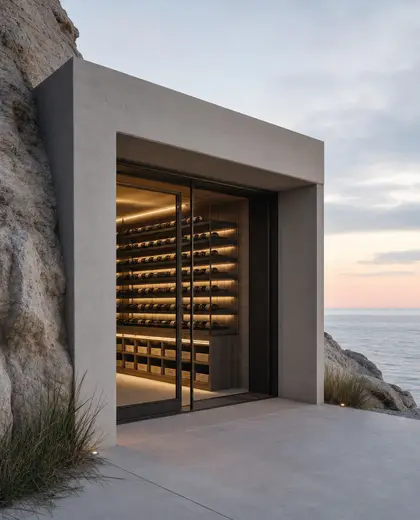
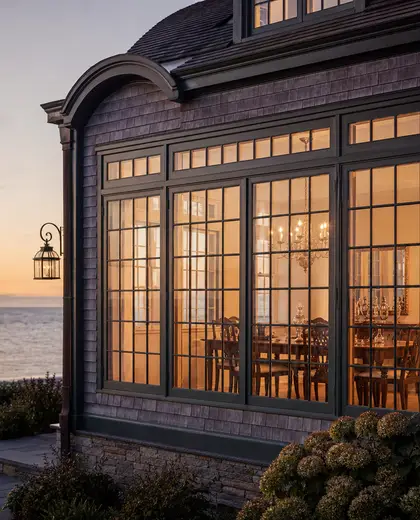
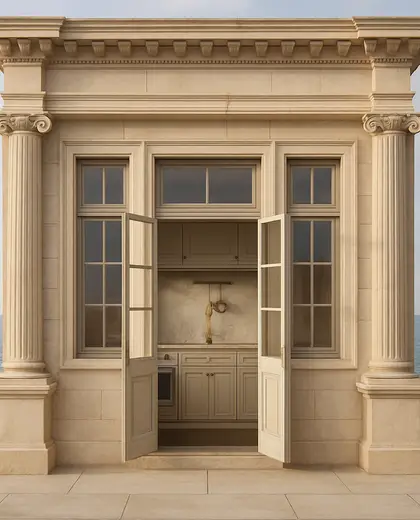
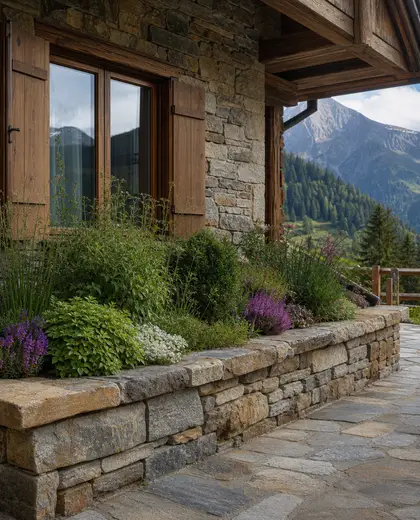
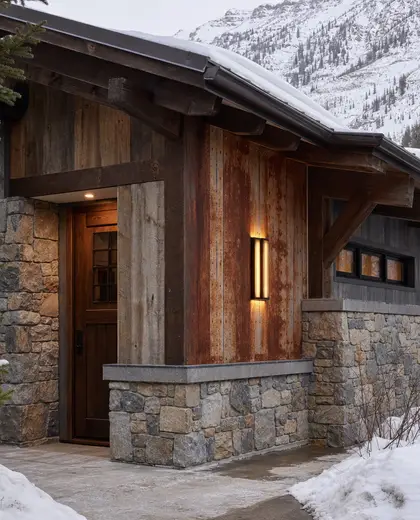
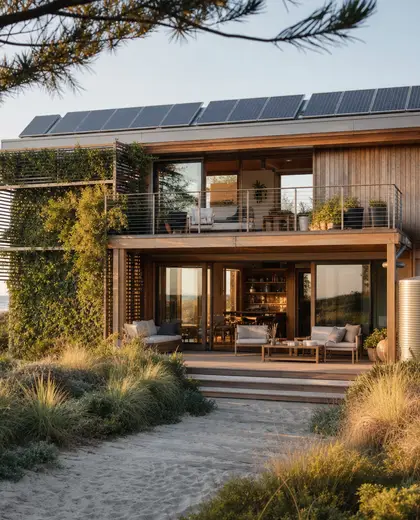
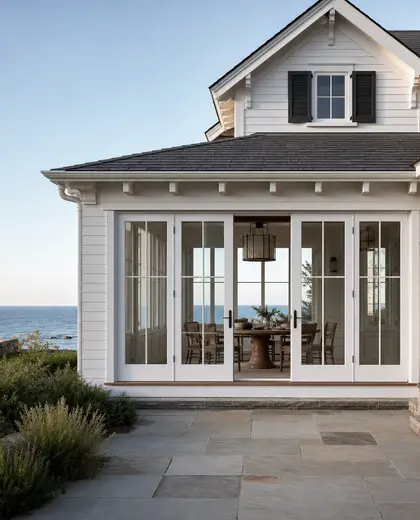
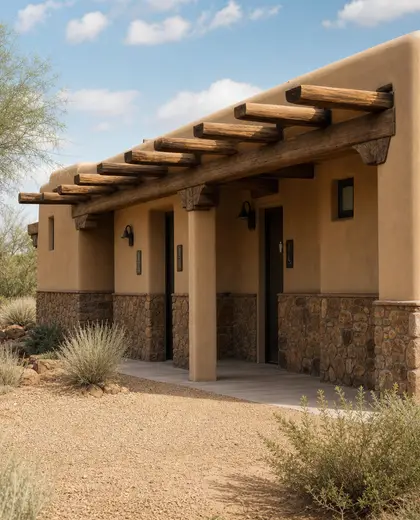
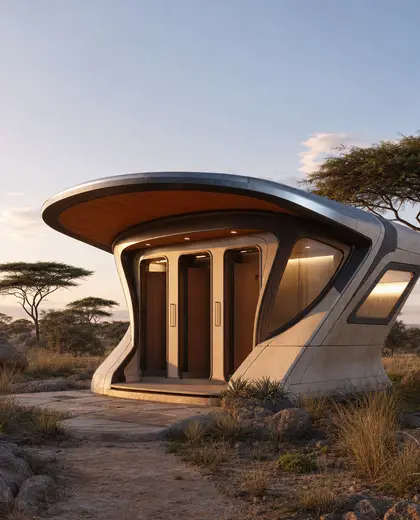
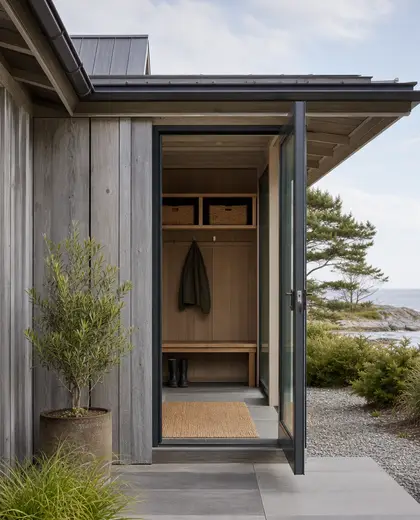
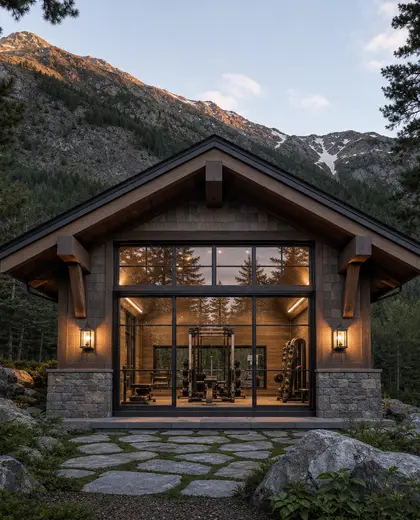
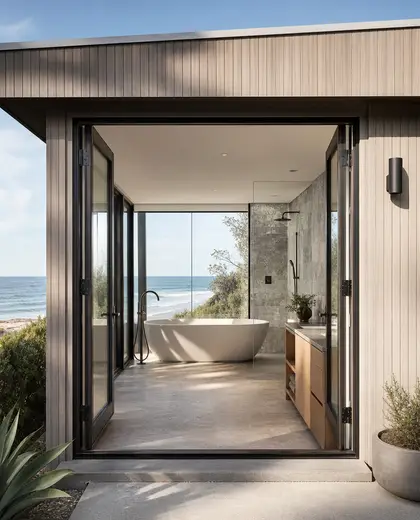
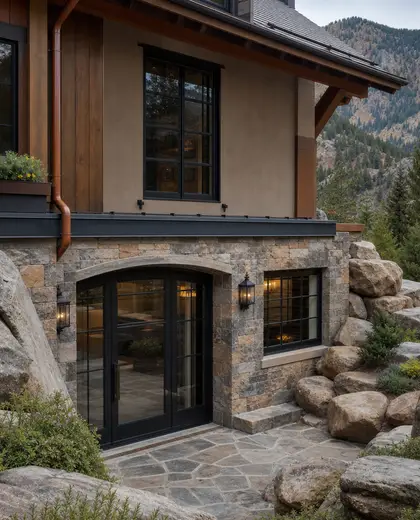
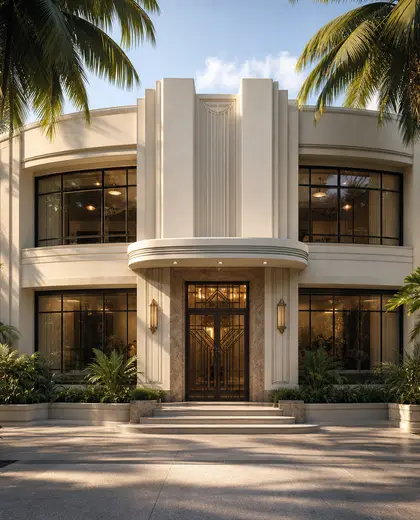
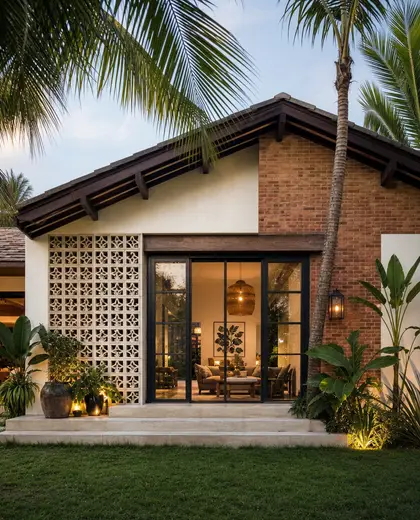
A facade is the exterior face of a building, shaped by the arrangement of walls, openings, cladding, and structural expression. It is commonly defined by materials such as stone, brick, wood, metal, glass, stucco, or concrete, often combined to control light, privacy, and weather exposure. The palette usually stays restrained and architectural, with texture and proportion doing most of the visual work.
- facade
— References
References to explore
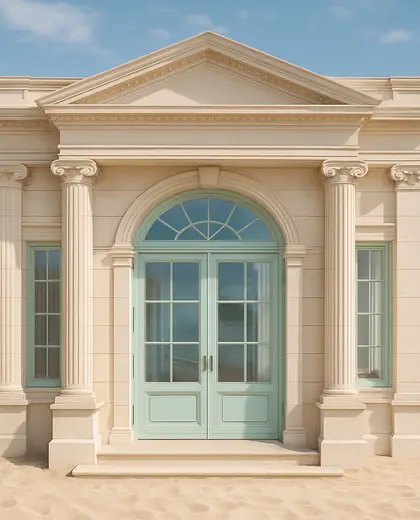
What makes a facade different from just a wall?
A facade is the building’s outer front or exterior face, usually designed for appearance, weather protection, and performance. It includes the composition of openings, cladding, and surface treatment, not only the structural wall behind it.
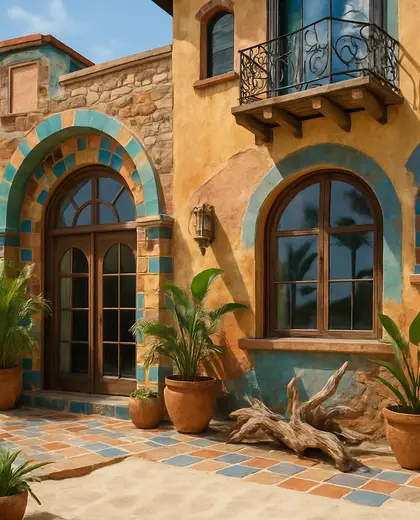
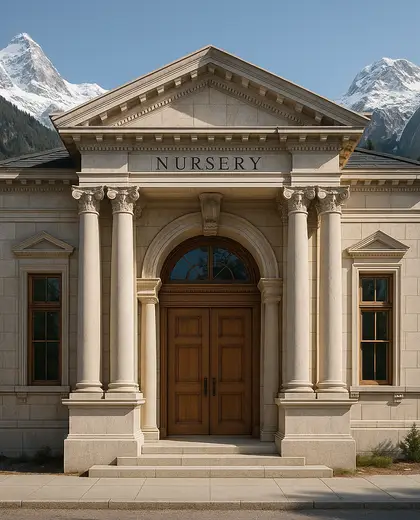
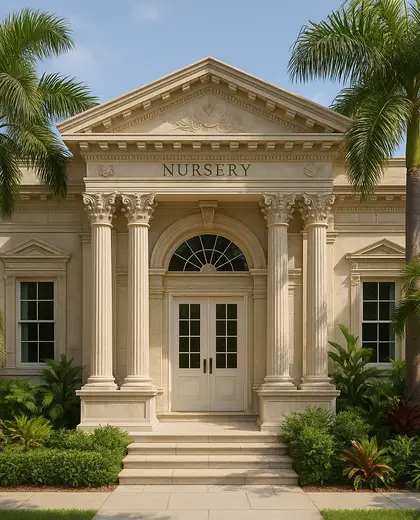
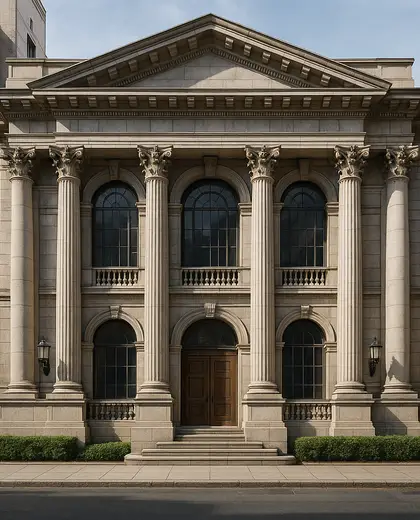
Which facade materials age best?
Durable materials like brick, stone, fiber cement, metal, and properly detailed timber tend to age well, but performance depends on climate and maintenance. The best choice is the one suited to exposure, upkeep, and the look you want over time.
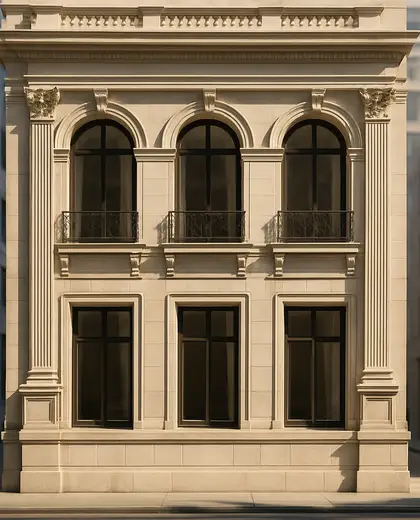
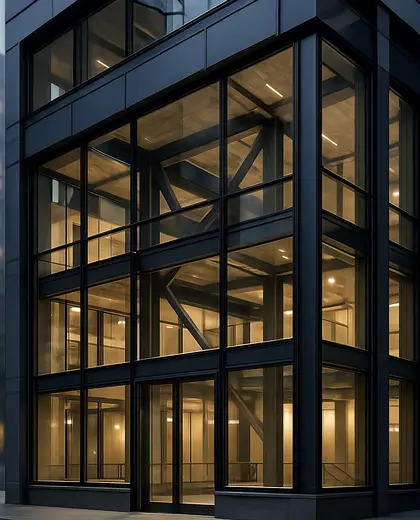
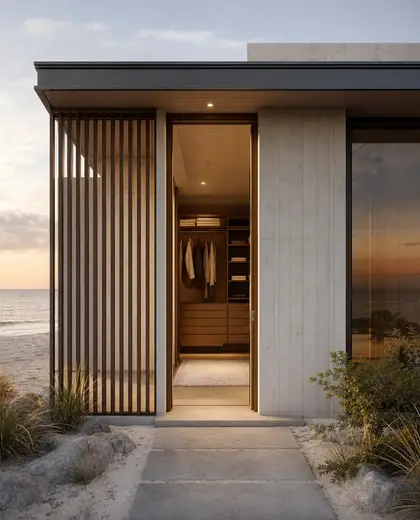
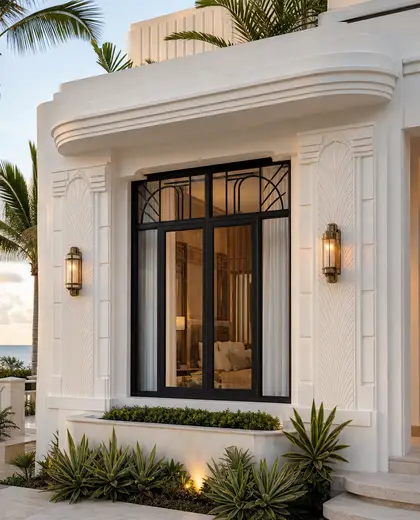
Can a facade be modern without using glass everywhere?
Yes. A modern facade can be expressed through clean lines, restrained openings, strong proportions, and simple materials like concrete, brick, timber, or metal. Glass is only one option among many.
— The style
What defines it
Stone, brick, timber, metal panels, glass, stucco, and exposed concrete are the most common facade materials.
Typically neutral and material-led: white, gray, black, earthy browns, muted reds, and natural wood tones.
Often paired with rooflines, windows, entry doors, landscaping, screens, and lighting to give the building a finished exterior identity.
— Professionals
Who has already built it
- pavitar guptaarchitects · Ambala · 6 projectsView profile →
- pavit ceramics pvt ltdceramic manufacturers · Ahmedabad · 2 projectsView profile →
- nikitha kumananinterior designers · 6 projectsView profile →
- Bristolfurniture sellers · Bangalore · 6 projectsView profile →
— Questions
Frequently asked questions
What makes a facade different from just a wall?
A facade is the building’s outer front or exterior face, usually designed for appearance, weather protection, and performance. It includes the composition of openings, cladding, and surface treatment, not only the structural wall behind it.
Which facade materials age best?
Durable materials like brick, stone, fiber cement, metal, and properly detailed timber tend to age well, but performance depends on climate and maintenance. The best choice is the one suited to exposure, upkeep, and the look you want over time.
Can a facade be modern without using glass everywhere?
Yes. A modern facade can be expressed through clean lines, restrained openings, strong proportions, and simple materials like concrete, brick, timber, or metal. Glass is only one option among many.