— Ideas & inspiration
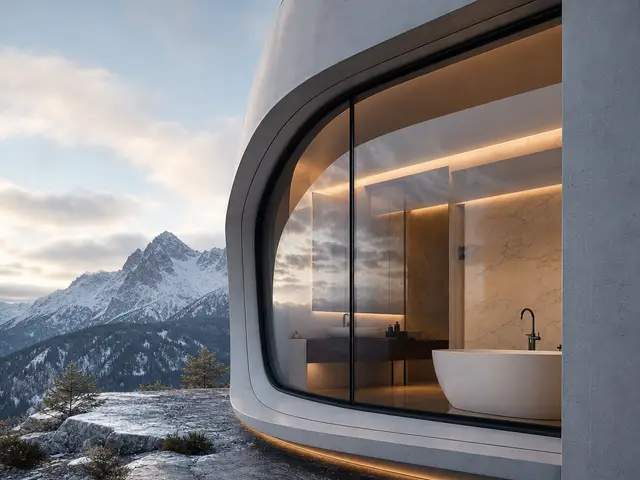
Futuristic facades with a clean architectural edge
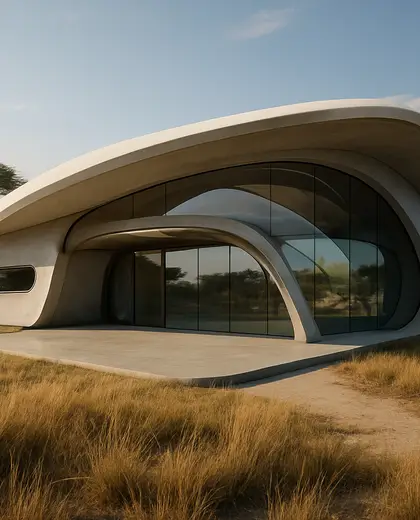
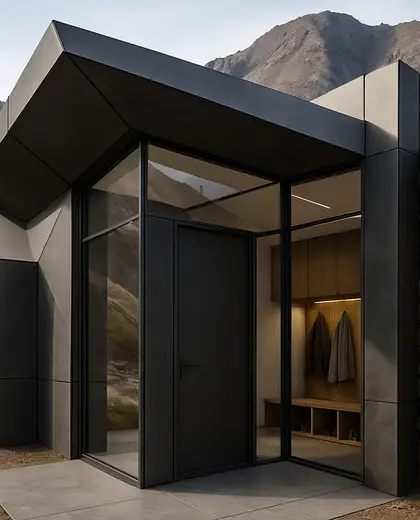
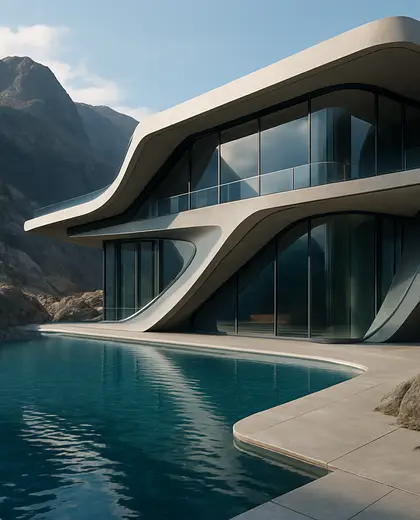
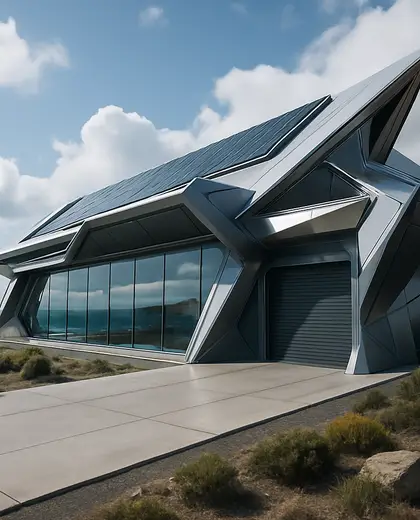
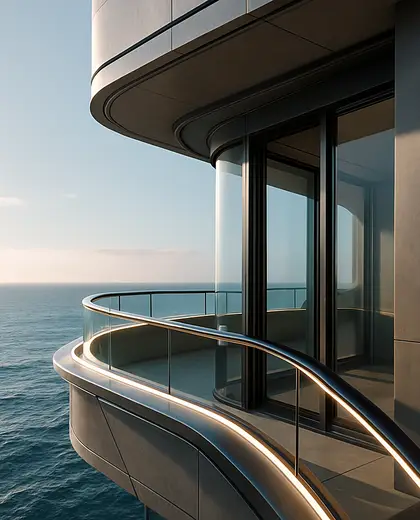
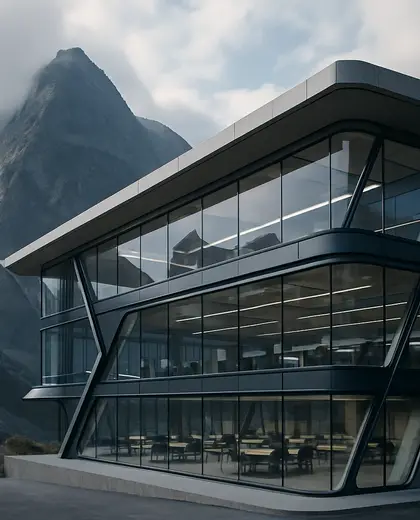
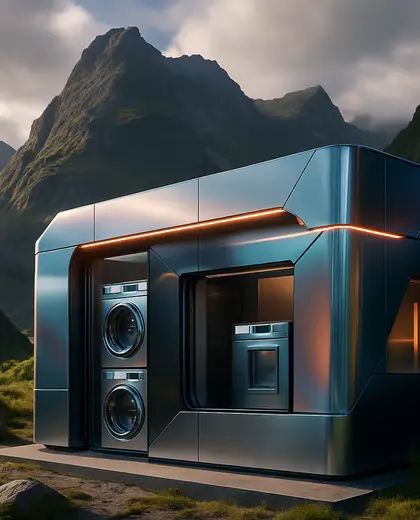
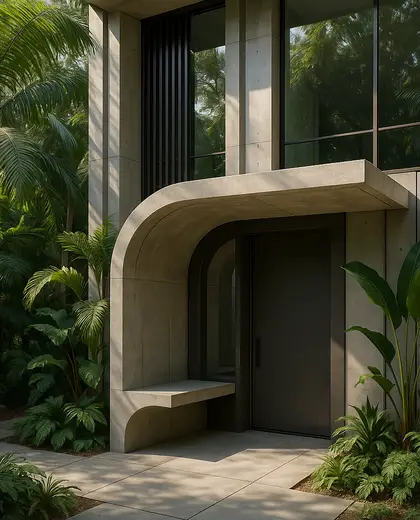
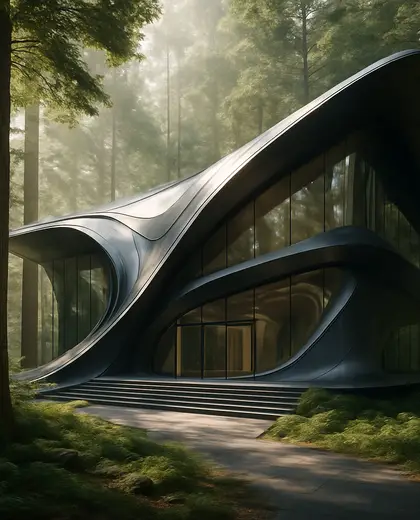
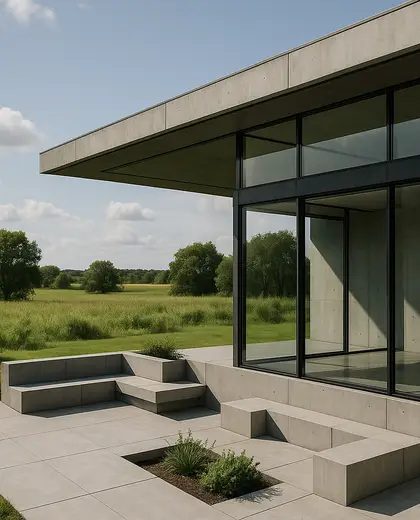
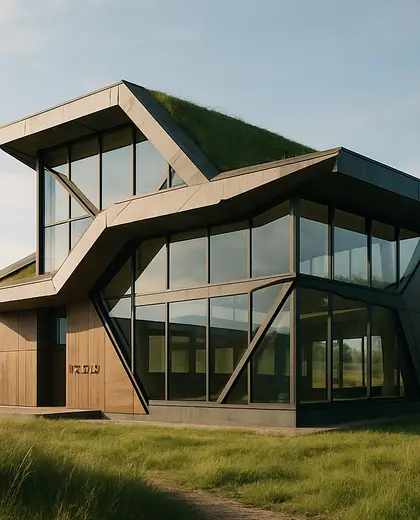
This composition is defined by sharp lines, smooth surfaces, and advanced detailing that gives the exterior a forward-looking feel. Common materials include glass, aluminum, steel, composite panels, and high-performance concrete, often arranged in layered volumes or faceted skins. The palette leans toward white, graphite, silver, black, and cool metallic tones, sometimes softened with neutral stone or warm wood accents.
- facade
- futuristic
— References
References to explore
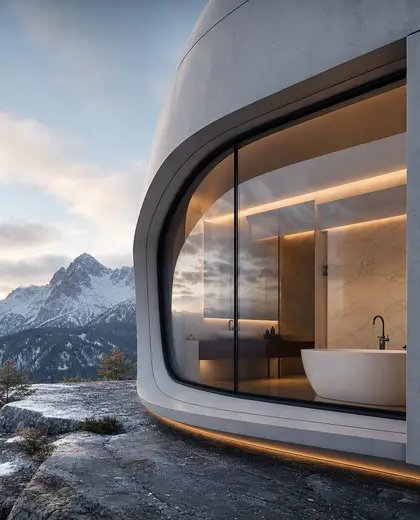
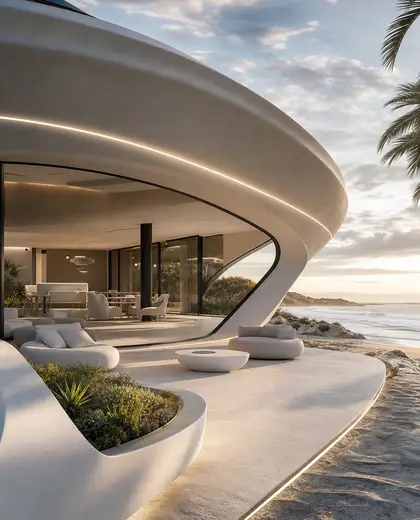
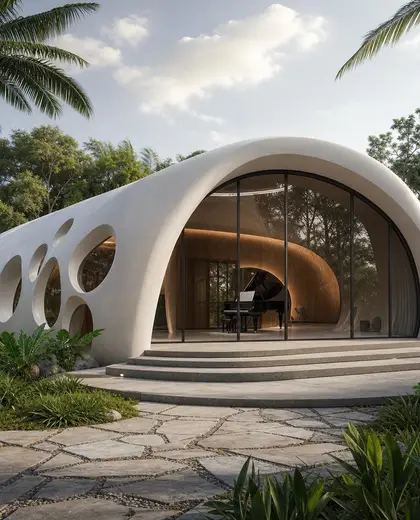
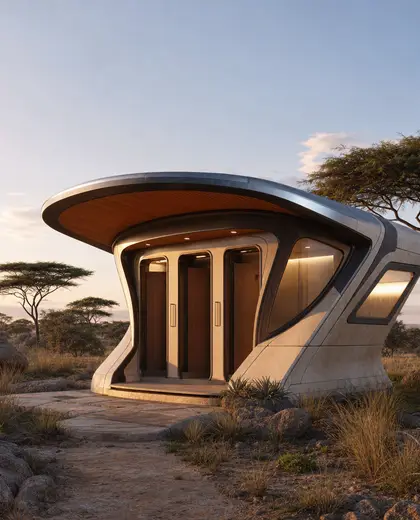
Does a futuristic facade have to look very shiny or high-tech?
No. It can be subtle, using clean geometry, matte materials, and restrained detailing rather than glossy finishes.
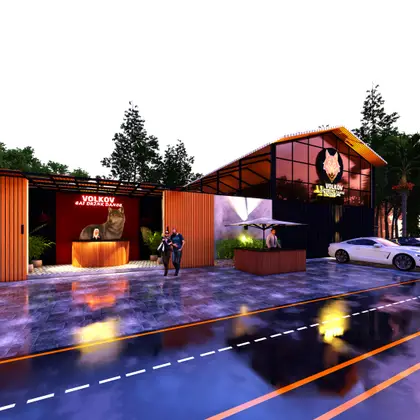
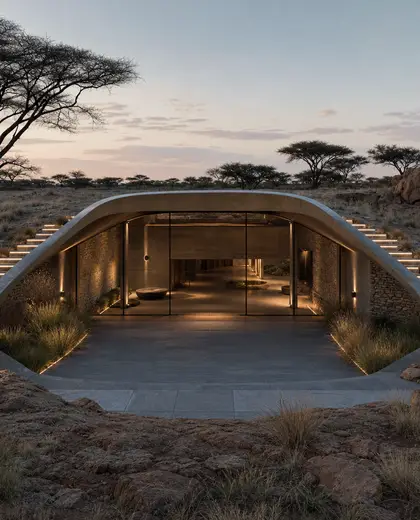
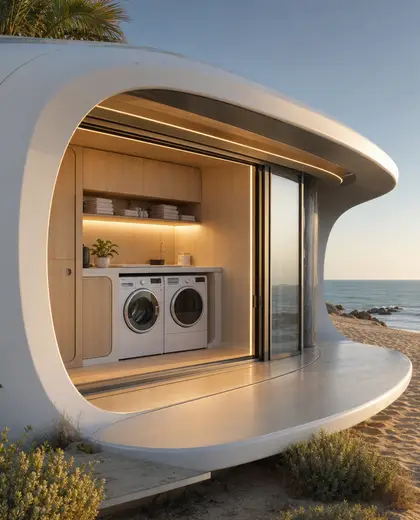
What materials work best for this style on a home exterior?
Glass, metal panels, smooth render, concrete, and engineered cladding are common because they create crisp edges and a contemporary surface.

Can this facade style still feel warm and livable?
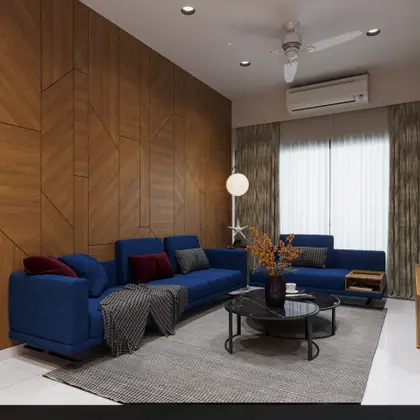
Yes. Warm wood, softer lighting, and natural stone can balance the cooler materials and keep the exterior from feeling too stark.
— The style
What defines it
Glass, aluminum, steel, precast concrete, and composite cladding are the most common choices.
Crisp whites, charcoal, silver, black, and muted metallic finishes create the futuristic look.
Often paired with minimal detailing, linear lighting, cantilevered forms, and geometric massing.
— Professionals
Who has already built it
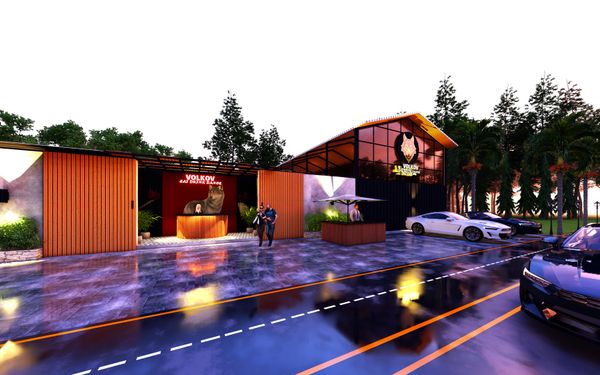

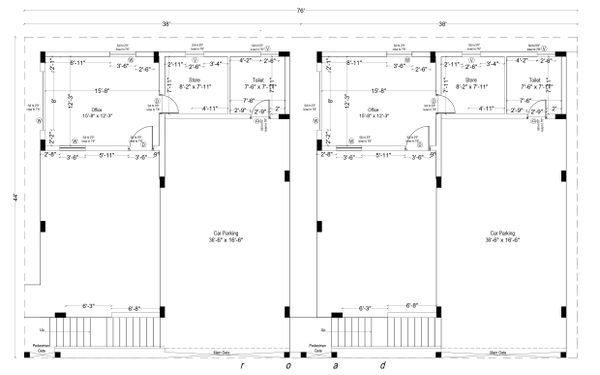

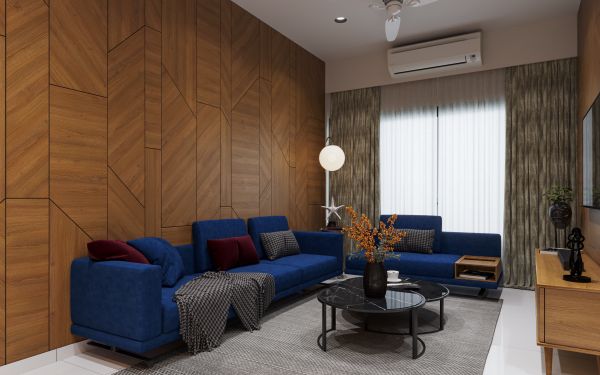

- the achievers archsmart home professionals · Delhi · 1 projectsView profile →
- home interior decoratorscarpenters · Rampur · 3 projectsView profile →
- pavit ceramics pvt ltdceramic manufacturers · Ahmedabad · 2 projectsView profile →
- Bristolfurniture sellers · Bangalore · 6 projectsView profile →
— Explore
Keep exploring
— Questions
Frequently asked questions
Does a futuristic facade have to look very shiny or high-tech?
No. It can be subtle, using clean geometry, matte materials, and restrained detailing rather than glossy finishes.
What materials work best for this style on a home exterior?
Glass, metal panels, smooth render, concrete, and engineered cladding are common because they create crisp edges and a contemporary surface.
Can this facade style still feel warm and livable?
Yes. Warm wood, softer lighting, and natural stone can balance the cooler materials and keep the exterior from feeling too stark.