— Ideas & inspiration
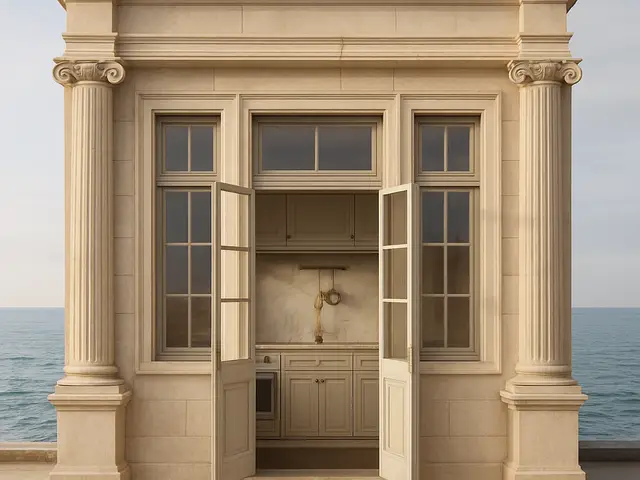
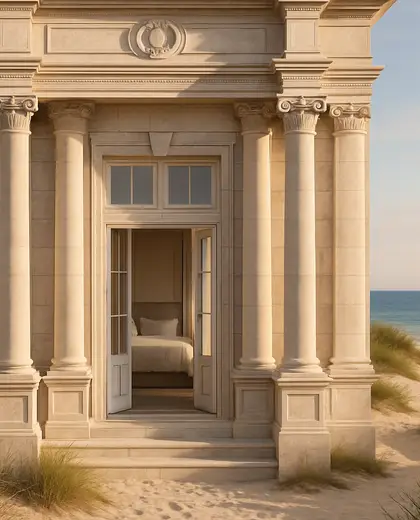
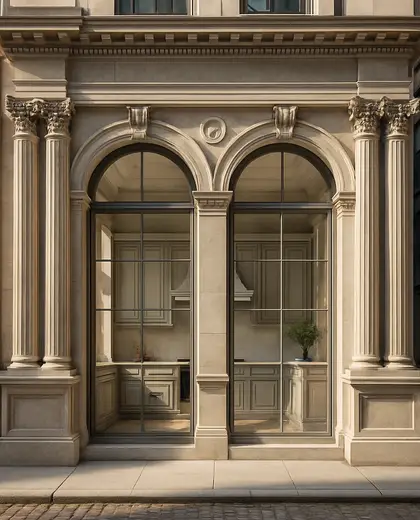
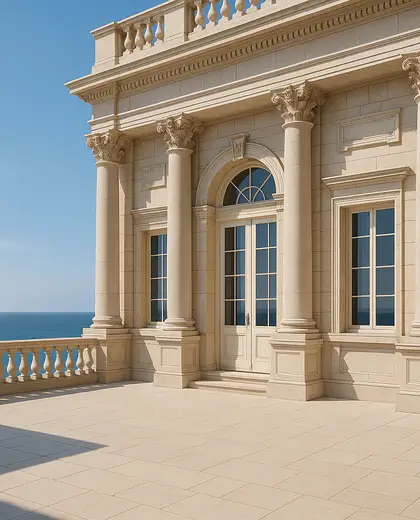
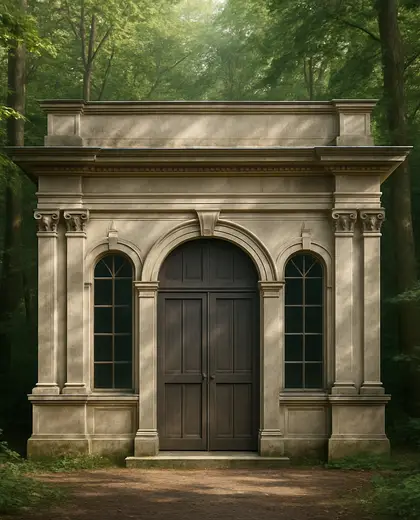
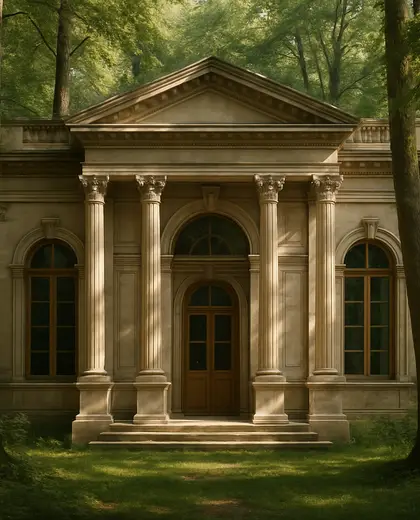
Neoclassical elegance on the facade
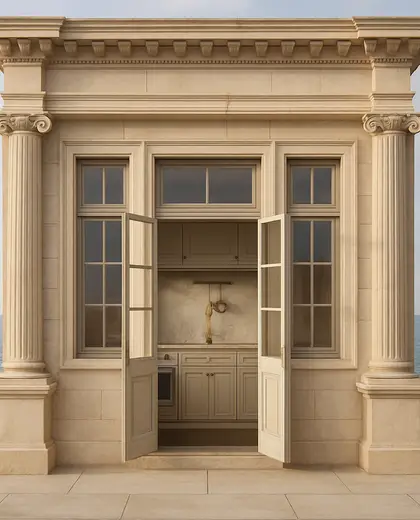
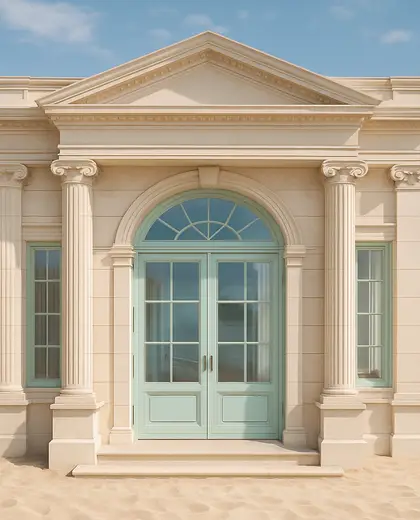
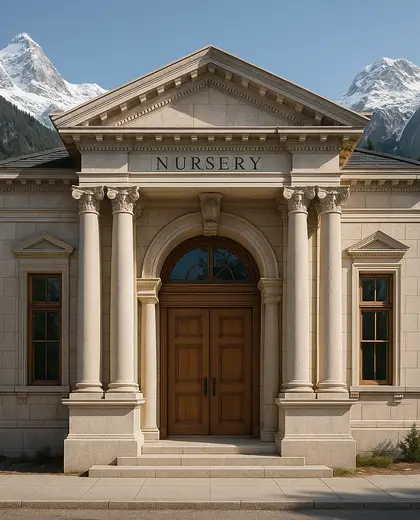
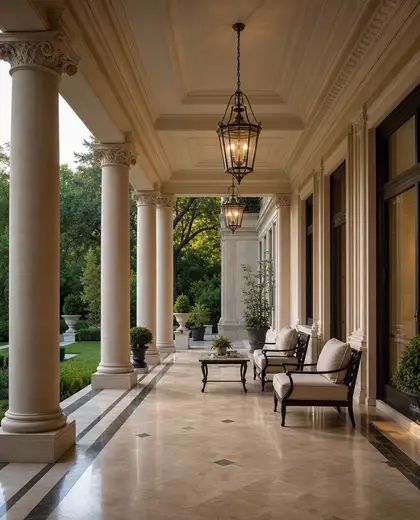
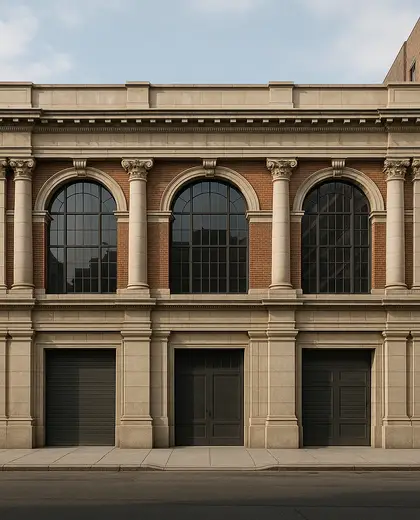
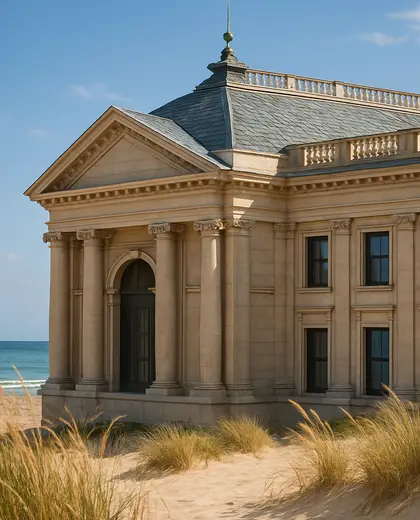
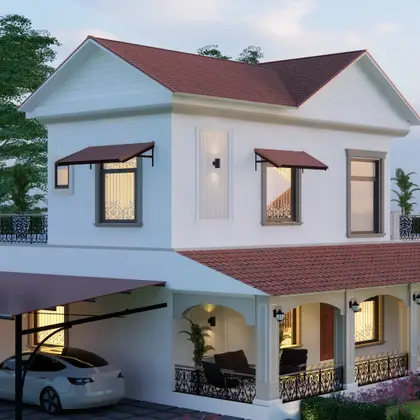
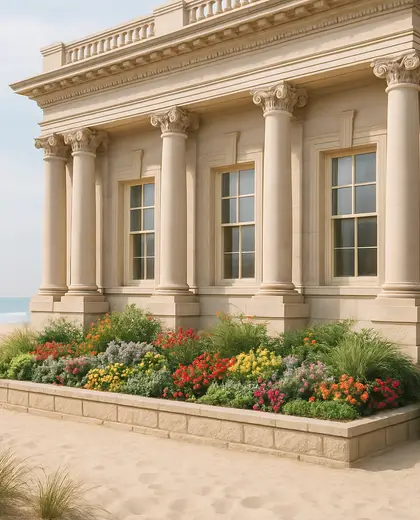
A neoclassical facade is defined by symmetrical composition, restrained ornament, and references to classical architecture such as columns, pilasters, pediments, and cornices. It is often finished in stone, stucco, or painted masonry, with a refined palette of whites, creams, greys, and muted neutrals. The overall effect is formal, balanced, and architectural rather than decorative for its own sake.
- facade
- neoclassical
— References
References to explore
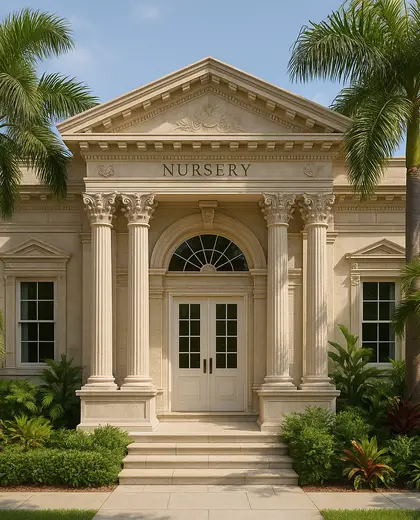
What makes a facade feel neoclassical?
A clear sense of symmetry, proportion, and classical detailing does most of the work. Columns, pilasters, cornices, and a central emphasis at the entry are common cues.
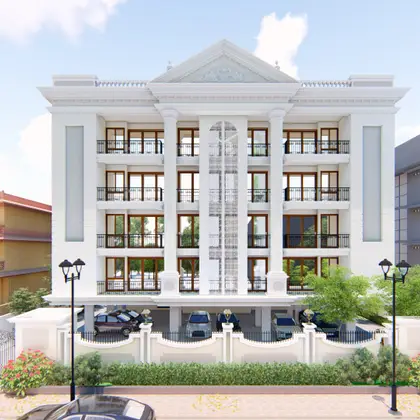
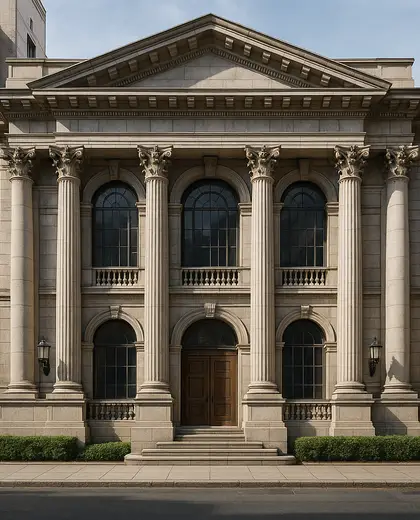
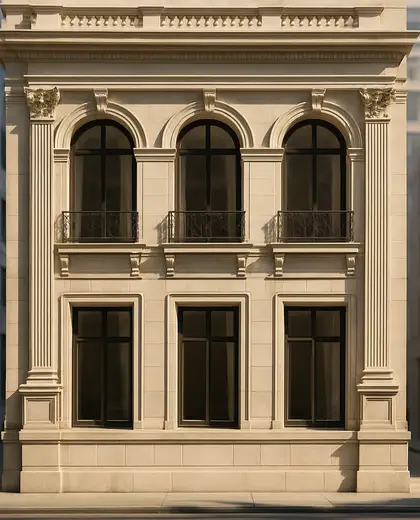
Can a neoclassical facade look modern?
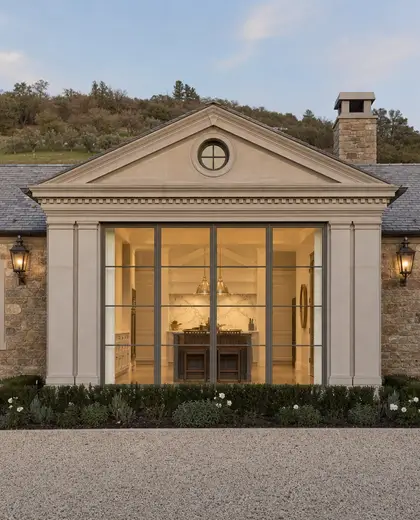
Yes, if the ornament is simplified and the material palette stays clean. Many contemporary versions keep the symmetry and classical proportions while reducing decorative detail.

What materials suit this style best?
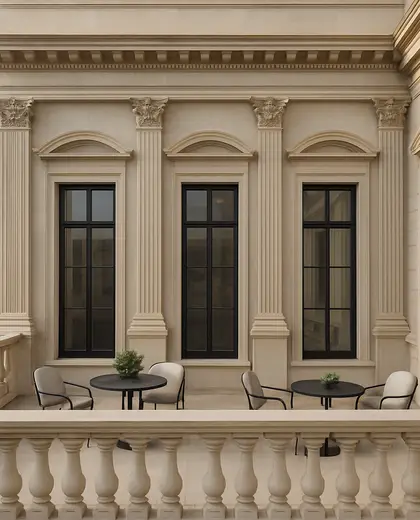
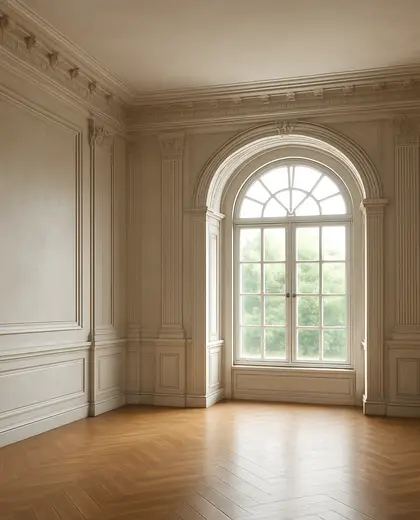
Smooth stucco, stone cladding, and high-quality painted finishes are typical choices. The best results come from materials with crisp edges and a refined surface finish.
— The style
What defines it
Stone, stucco, smooth rendered masonry, cast details, and painted timber or metal accents are common.
White, ivory, cream, pale grey, and soft beige are typical, often paired with darker metal or wood details.
Works well with traditional entrances, formal landscaping, wrought iron, and symmetrical window layouts.
— Professionals
Who has already built it
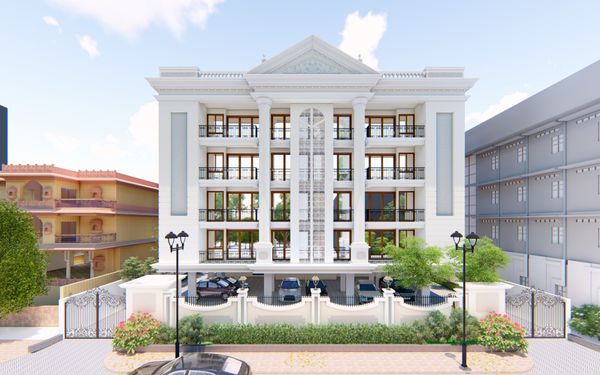



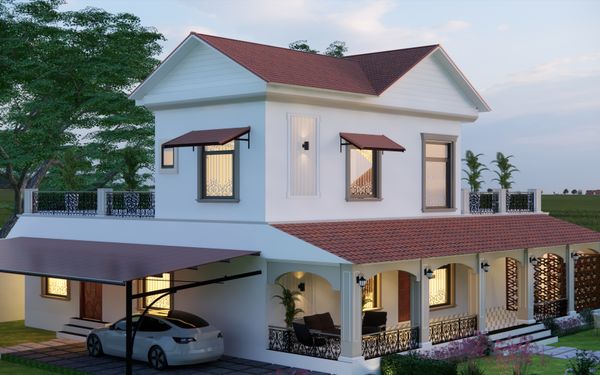

- arsultan khanarchitects · 6 projectsView profile →
- the achievers archsmart home professionals · Delhi · 1 projectsView profile →
- home interior decoratorscarpenters · Rampur · 3 projectsView profile →
- pavit ceramics pvt ltdceramic manufacturers · Ahmedabad · 2 projectsView profile →
— Explore
Keep exploring
— Questions
Frequently asked questions
What makes a facade feel neoclassical?
A clear sense of symmetry, proportion, and classical detailing does most of the work. Columns, pilasters, cornices, and a central emphasis at the entry are common cues.
Can a neoclassical facade look modern?
Yes, if the ornament is simplified and the material palette stays clean. Many contemporary versions keep the symmetry and classical proportions while reducing decorative detail.
What materials suit this style best?
Smooth stucco, stone cladding, and high-quality painted finishes are typical choices. The best results come from materials with crisp edges and a refined surface finish.