— Ideas & inspiration
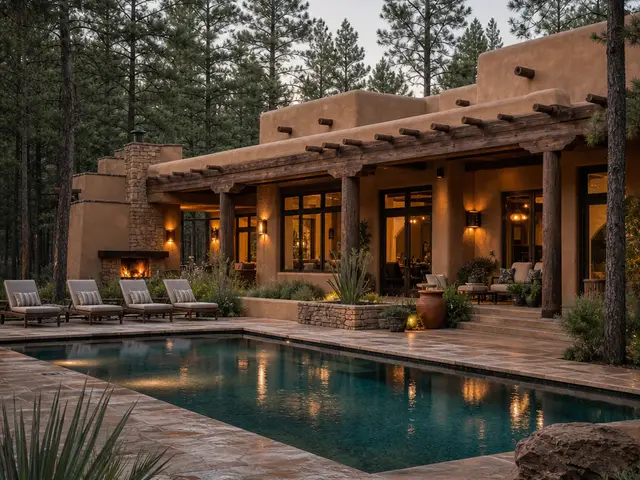
A facade rooted in the forest
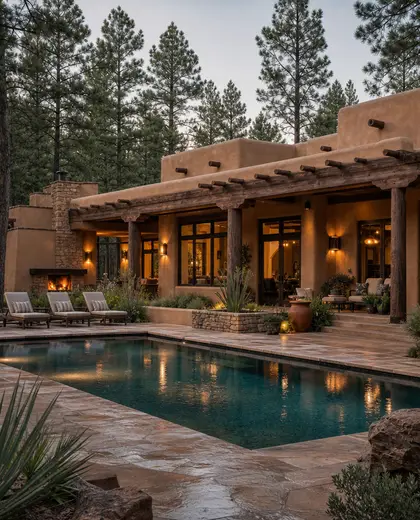
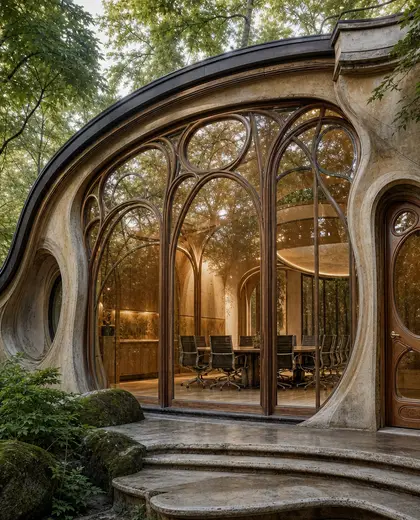
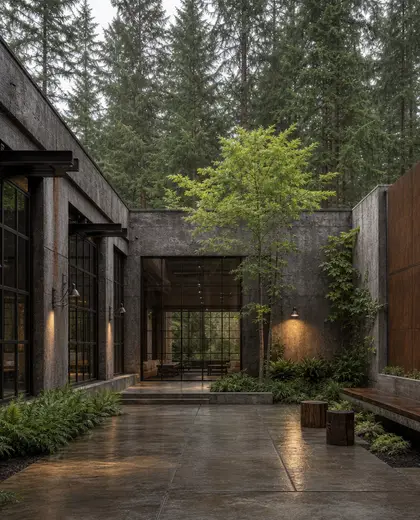
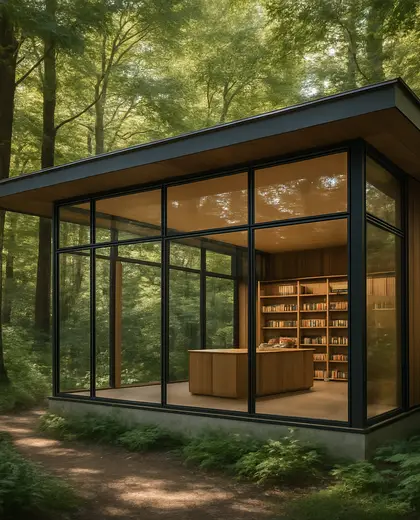
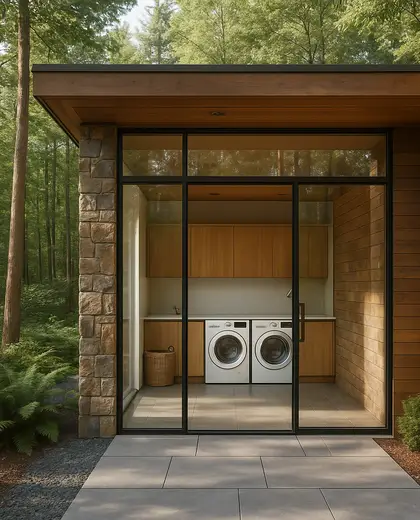
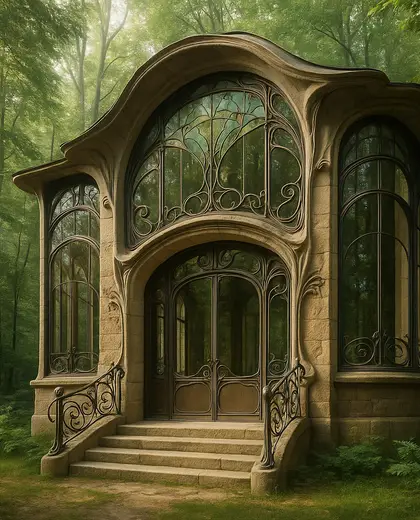
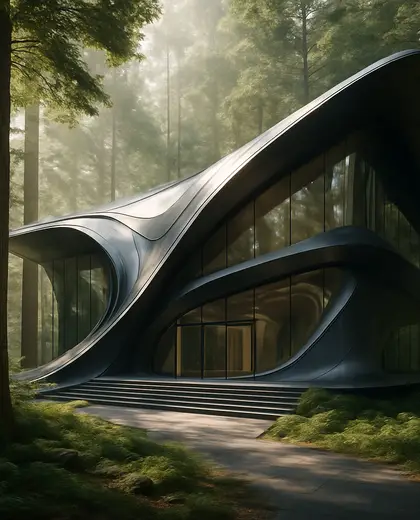
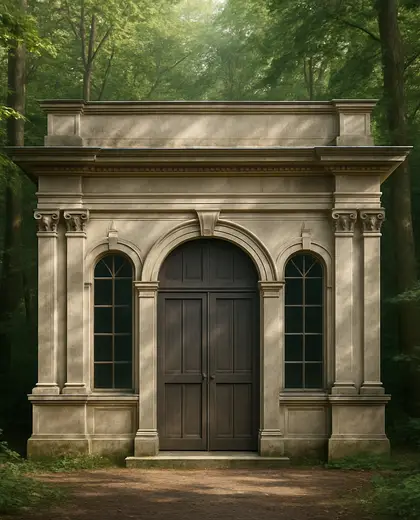
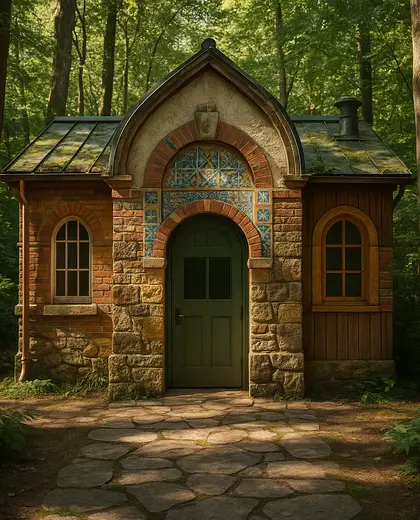
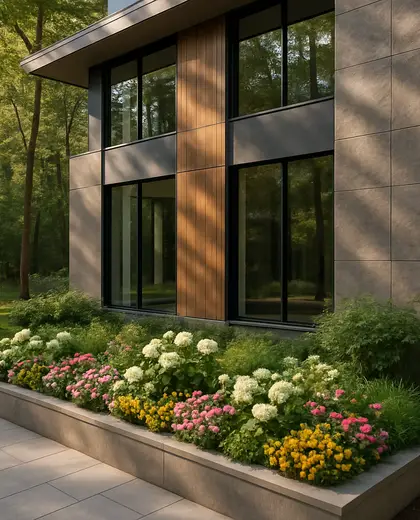
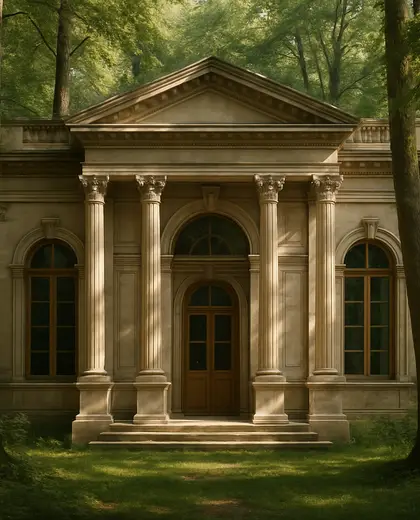
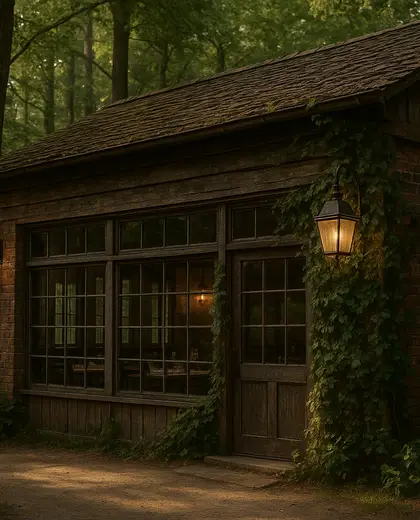
This composition is defined by a building envelope that echoes woodland textures, with timber, stone, or dark metal used to soften the transition between architecture and trees. The palette stays natural and muted: moss green, bark brown, charcoal, and weathered gray. Large openings, vertical lines, and shaded screens are common to connect interior spaces to the surrounding landscape.
- facade
- forest
— References
References to explore
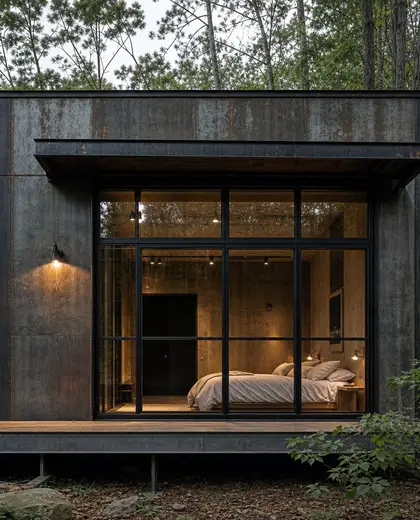
Is a forest-inspired facade always made of wood?
No. Wood is common, but stone, metal, and mineral finishes are often used to create a more durable or low-maintenance version of the look.
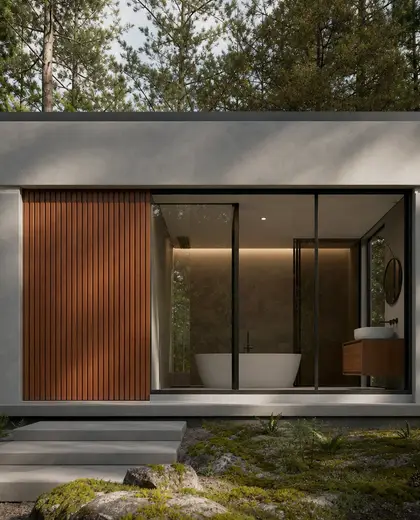
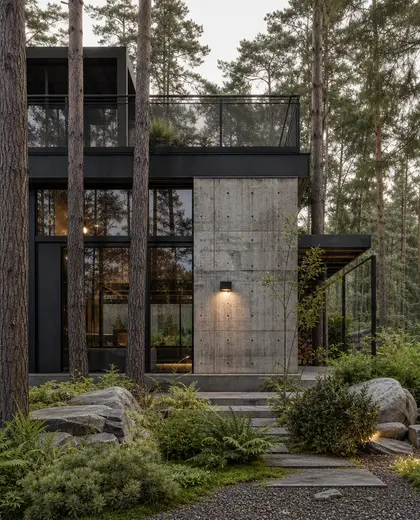
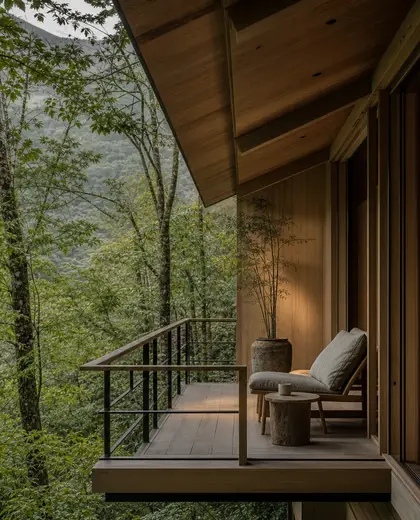
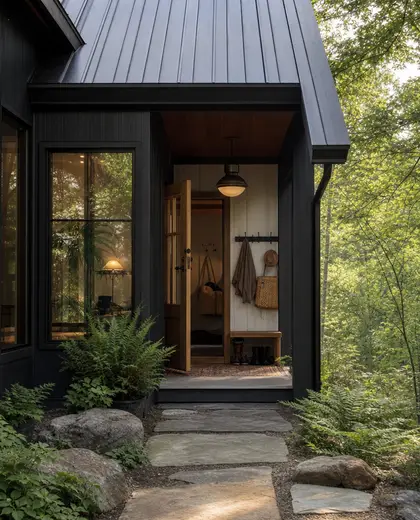
How do you keep the facade from looking too dark?
Balance darker cladding with lighter natural finishes, larger glazing areas, and more open recesses so the exterior still feels breathable.
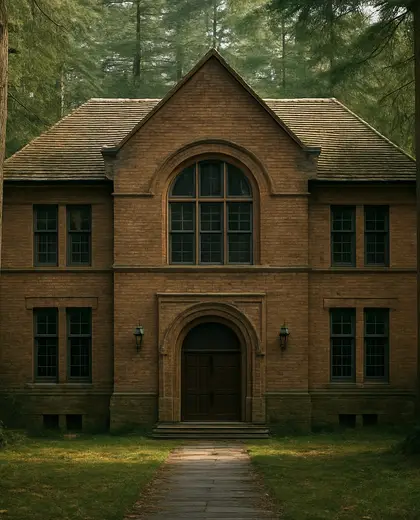
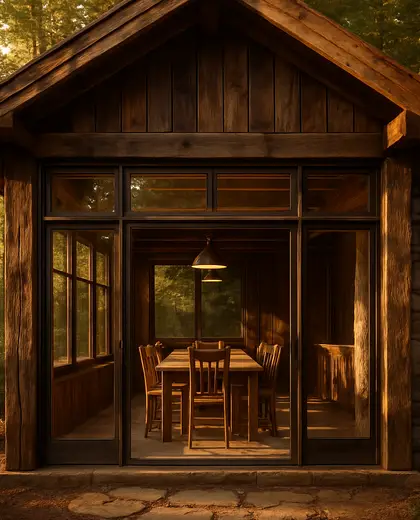
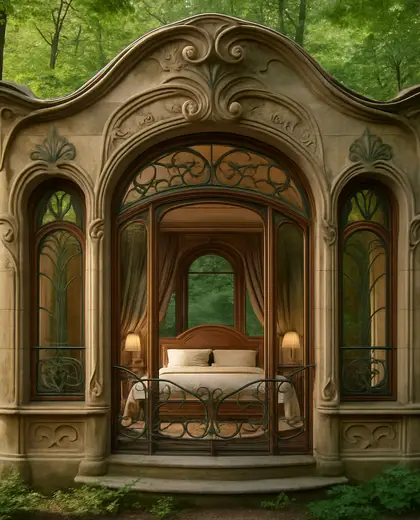
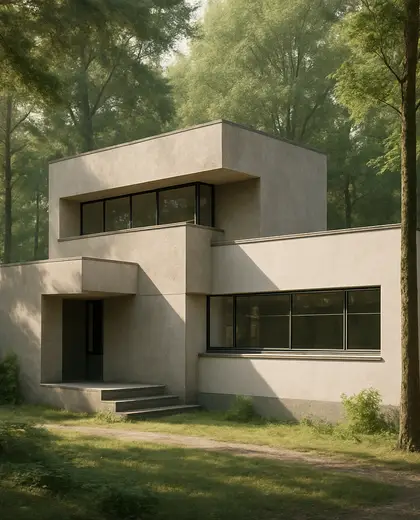
Does this style work on modern homes?
Yes. It often suits modern homes because the simple massing, clean lines, and natural finishes can connect easily to a wooded site.
— The style
What defines it
Timber cladding, natural stone, blackened steel, and textured render are typical, often paired with glass for openness.
Muted greens, earthy browns, deep charcoal, and gray tones help the facade sit quietly in a forest setting.
This look combines architectural enclosure with woodland context, often using vertical rhythms, screens, and recessed glazing.
— Professionals
Who has already built it
- mode architectsarchitects · Pune · 7 projectsView profile →
- pavit ceramics pvt ltdceramic manufacturers · Ahmedabad · 2 projectsView profile →
- nikitha kumananinterior designers · 6 projectsView profile →
- Bristolfurniture sellers · Bangalore · 6 projectsView profile →
— Explore
Keep exploring
— Questions
Frequently asked questions
Is a forest-inspired facade always made of wood?
No. Wood is common, but stone, metal, and mineral finishes are often used to create a more durable or low-maintenance version of the look.
How do you keep the facade from looking too dark?
Balance darker cladding with lighter natural finishes, larger glazing areas, and more open recesses so the exterior still feels breathable.
Does this style work on modern homes?
Yes. It often suits modern homes because the simple massing, clean lines, and natural finishes can connect easily to a wooded site.