— Ideas & inspiration
Coastal facades with light, weathered character
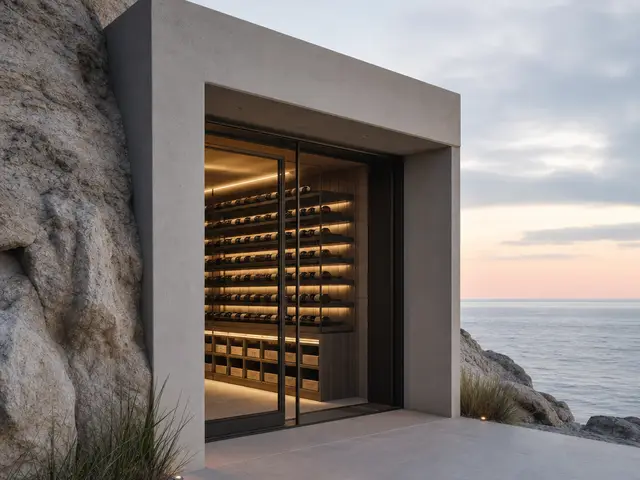
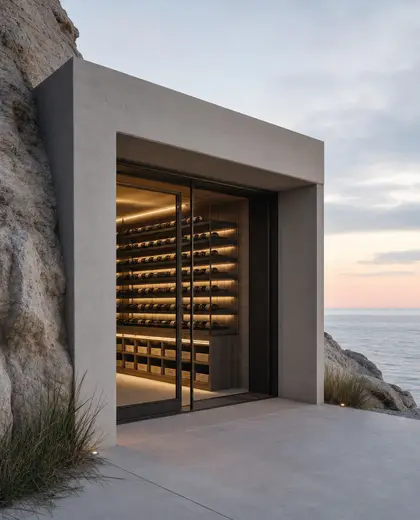
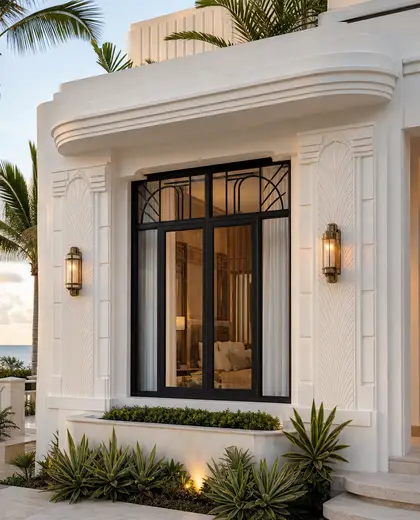
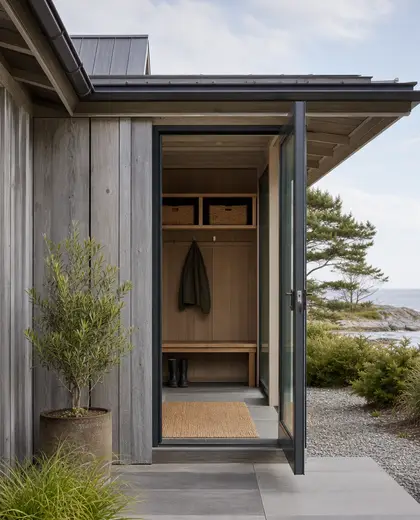
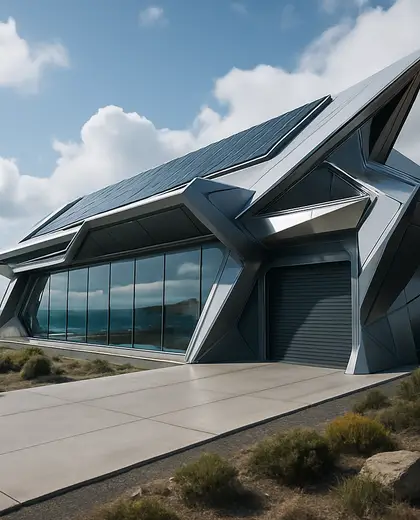
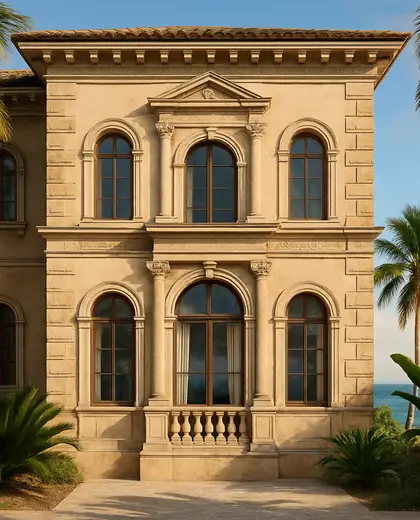
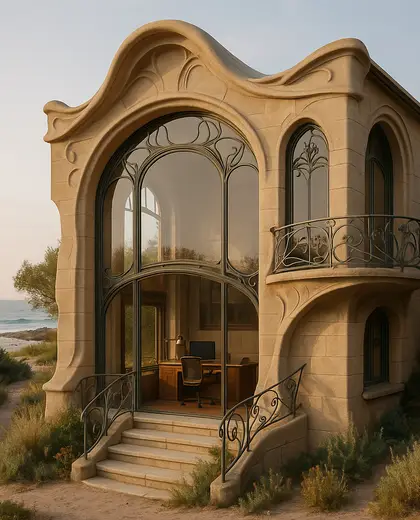
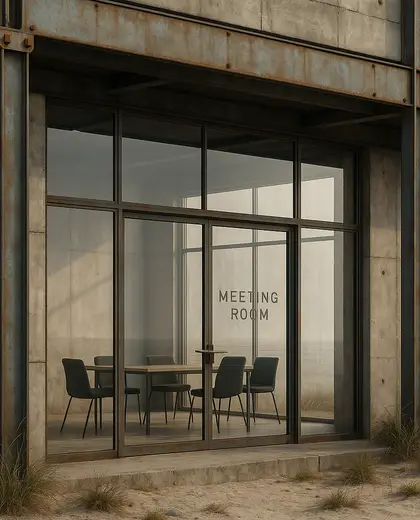
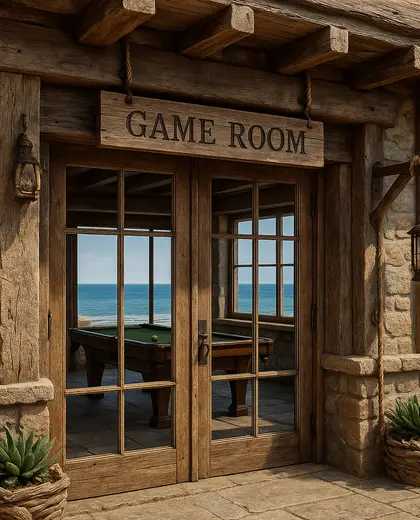
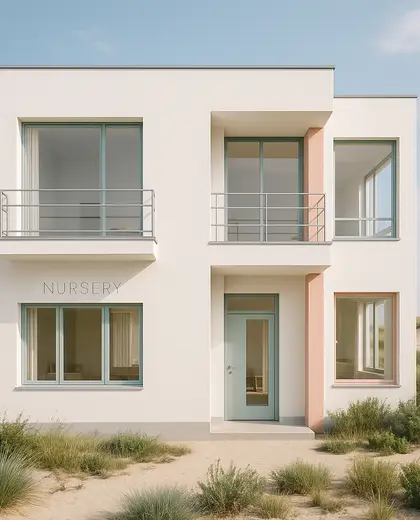
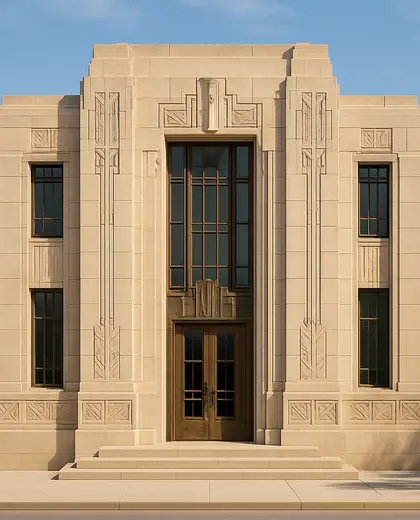
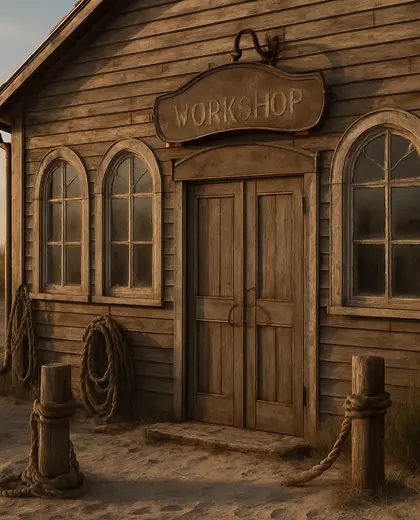
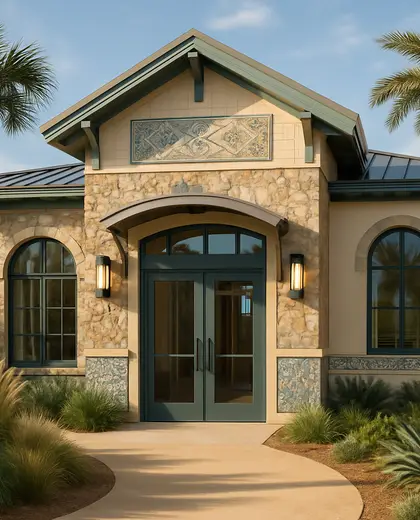
This composition is defined by facades that feel durable, airy, and weather-tolerant. Common materials include stucco, painted timber, fiber-cement cladding, stone, and metal details chosen for salt air and strong sun. The palette usually stays light and natural, with whites, sand tones, pale grays, driftwood browns, and muted blues.
- facade
- coastal
— References
References to explore
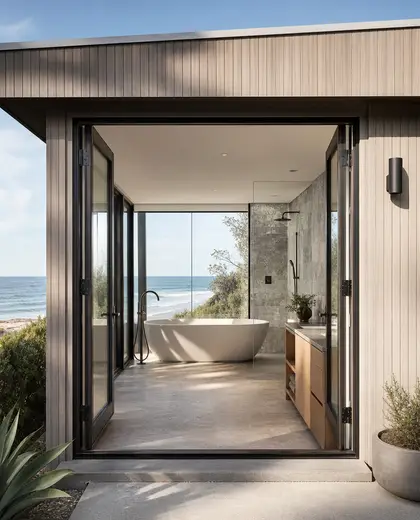
What makes a facade feel coastal without looking themed?
Use restrained materials, a light color range, and details that respond to climate, such as deep overhangs, screened openings, and durable finishes.
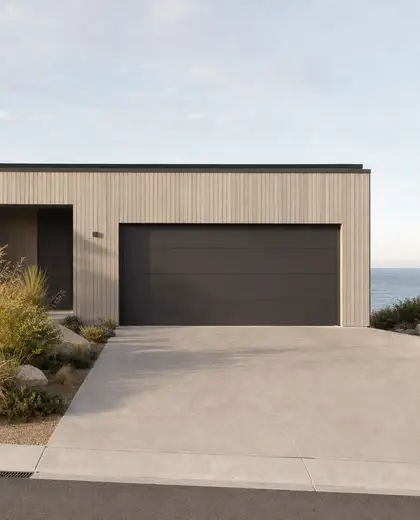
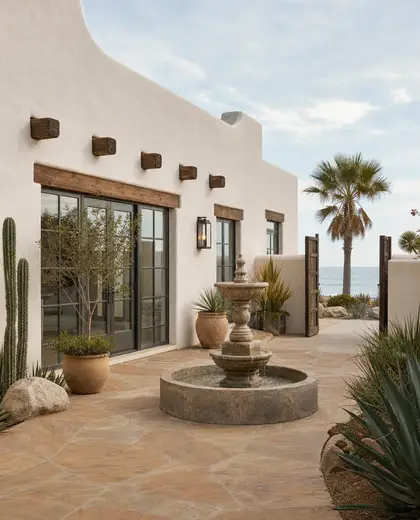
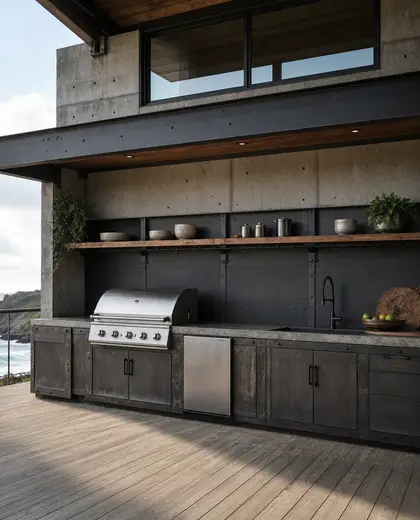
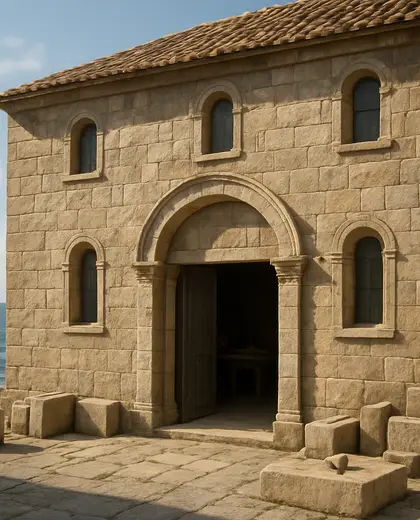
Which materials work best near the sea?
Salt-resistant and low-maintenance materials are preferred, such as stucco, treated timber, fiber cement, stone, and non-corroding metal hardware.
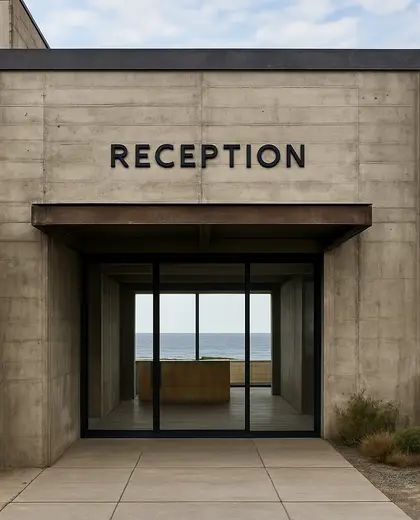
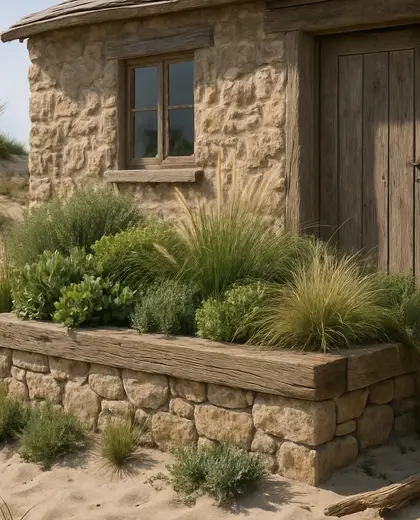
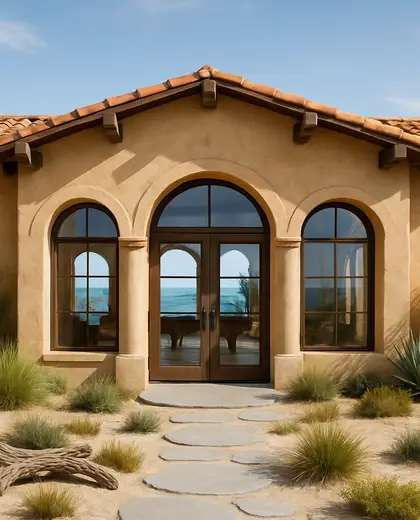
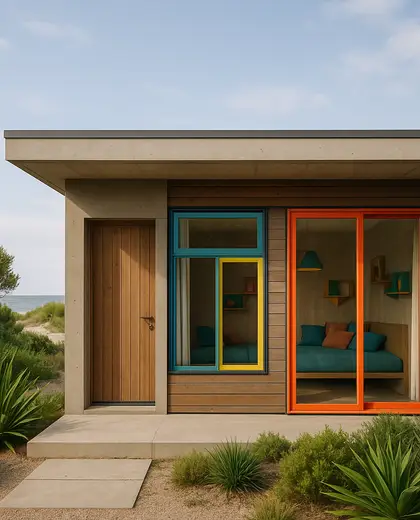
Can a coastal facade still feel modern?
Yes. Clean lines, flat or simple pitched roofs, minimal trim, and large shaded openings can make the facade feel contemporary while still suited to the coast.
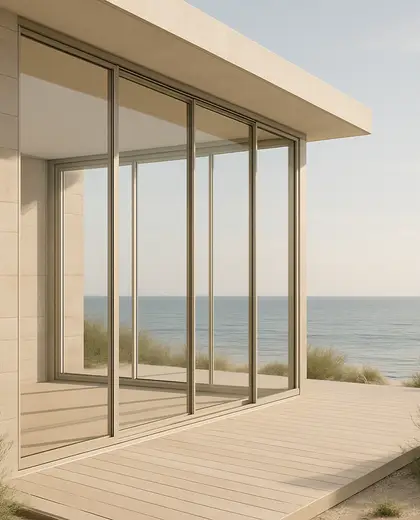
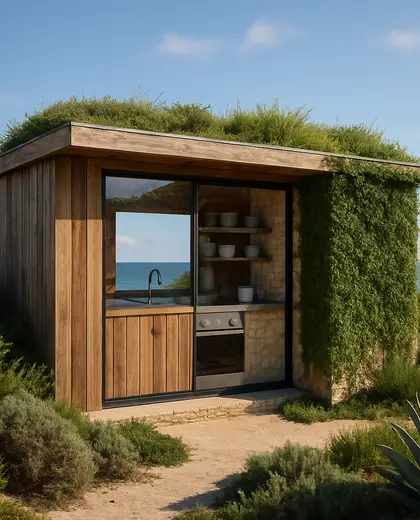
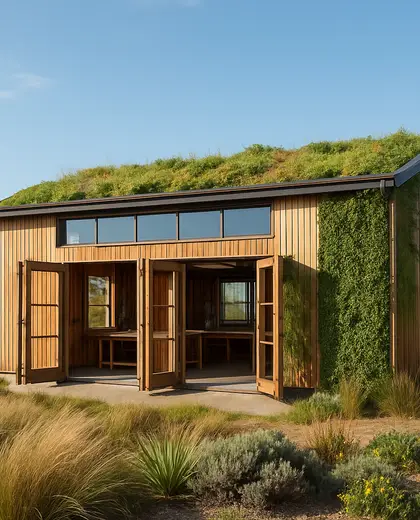
— The style
What defines it
Stucco, timber, fiber cement, stone, and corrosion-resistant metal are common choices for coastal facades.
White, off-white, sand, pale gray, weathered wood tones, and soft blue accents keep the exterior calm and sunlit.
This look often pairs the facade with wide openings, shaded terraces, breezeways, and simple rooflines.
— Professionals
Who has already built it
- nikitha kumananinterior designers · 6 projectsView profile →
- urban arch studioarchitects · 19 projectsView profile →
- Bristolfurniture sellers · Bangalore · 6 projectsView profile →
- FurnitureRootsfurniture makers · Jodhpur · 6 projectsView profile →
— Explore
Keep exploring
— Questions
Frequently asked questions
What makes a facade feel coastal without looking themed?
Use restrained materials, a light color range, and details that respond to climate, such as deep overhangs, screened openings, and durable finishes.
Which materials work best near the sea?
Salt-resistant and low-maintenance materials are preferred, such as stucco, treated timber, fiber cement, stone, and non-corroding metal hardware.
Can a coastal facade still feel modern?
Yes. Clean lines, flat or simple pitched roofs, minimal trim, and large shaded openings can make the facade feel contemporary while still suited to the coast.