— Ideas & inspiration
Contemporary composition
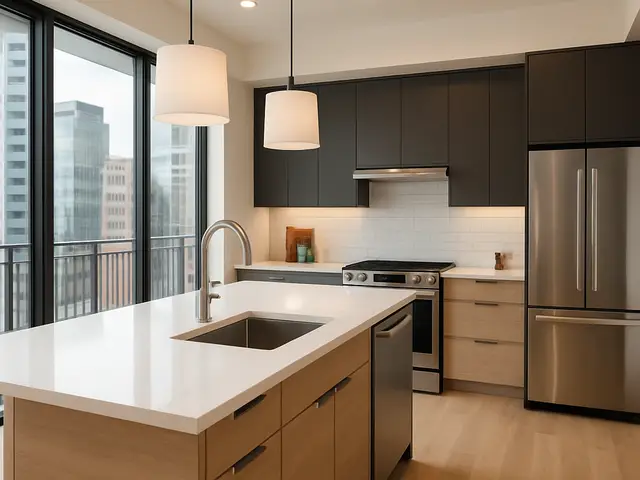
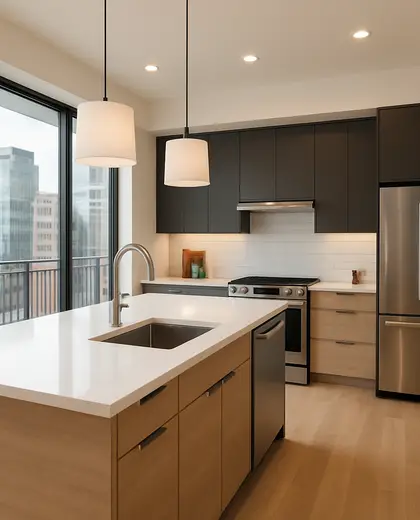
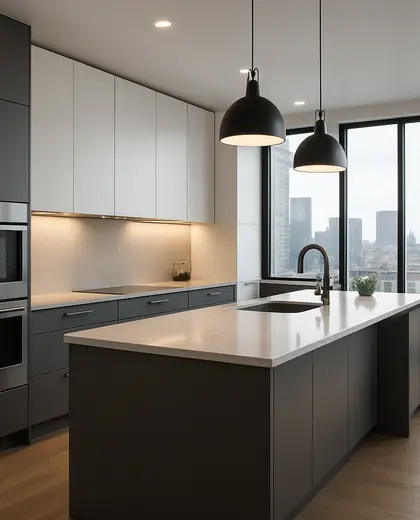
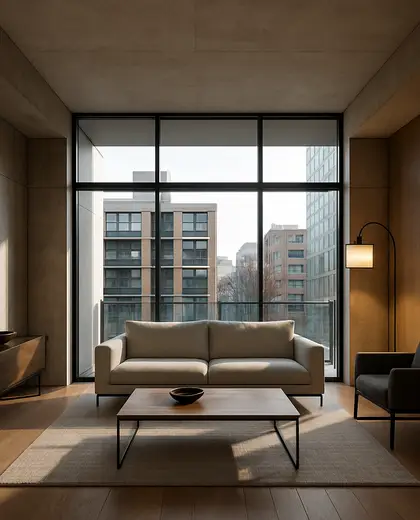
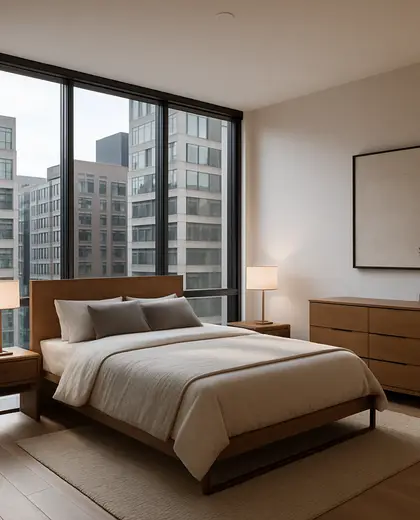
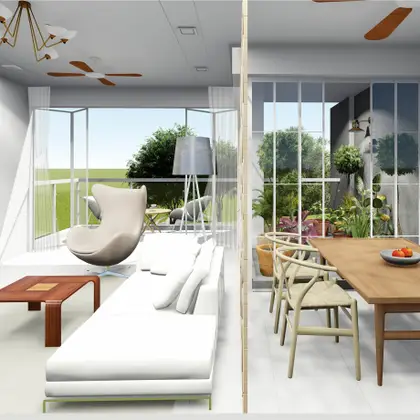
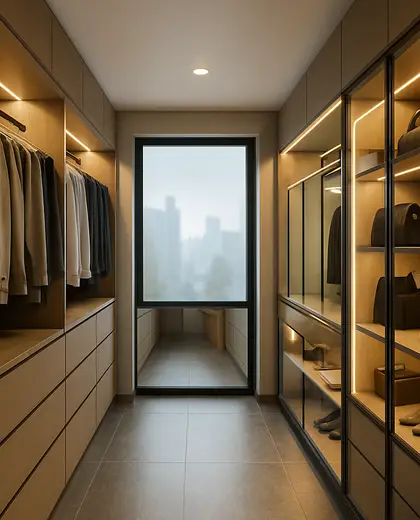
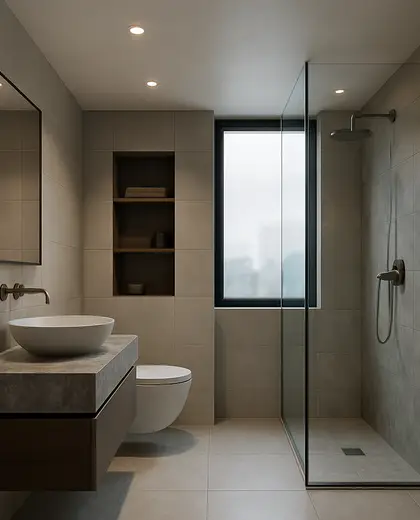
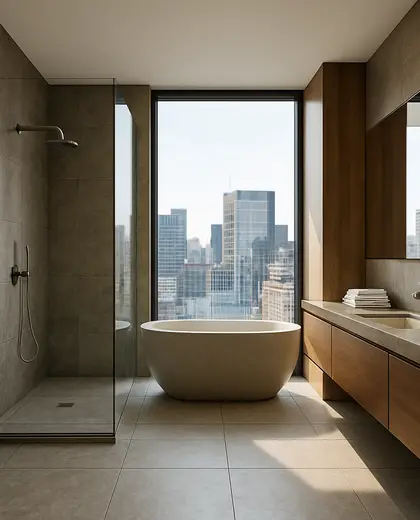
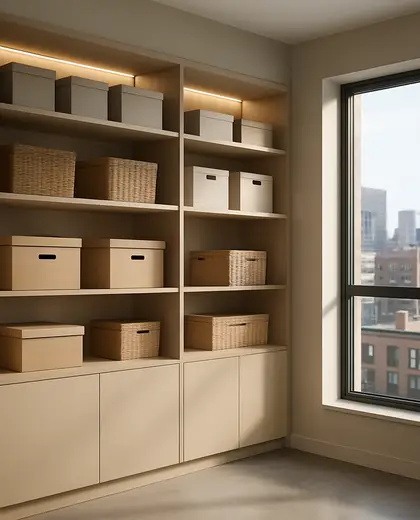
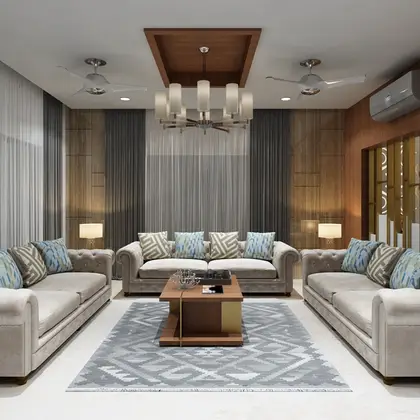
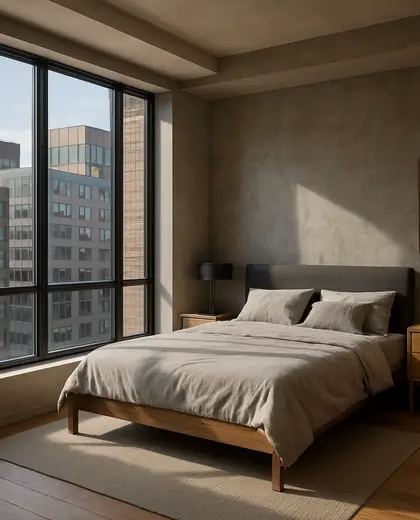
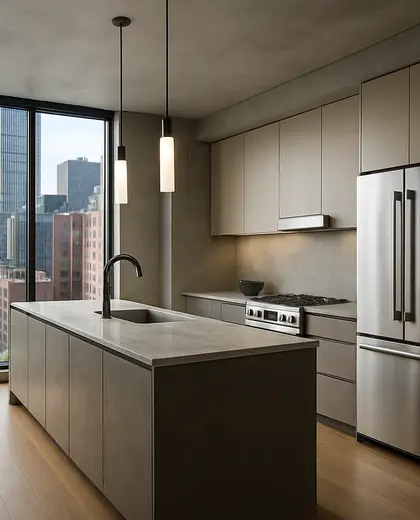
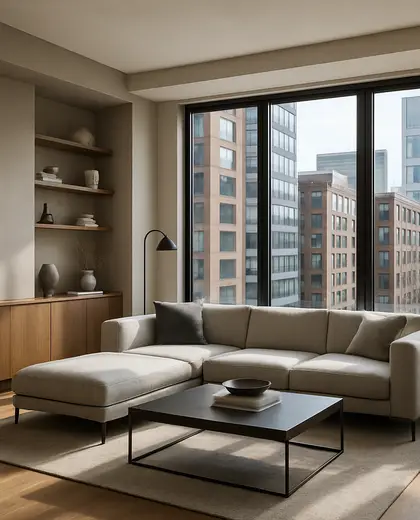
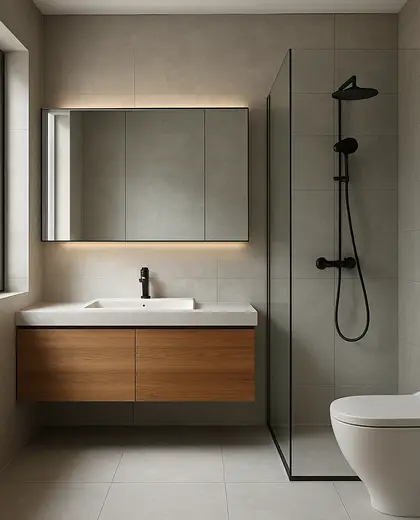
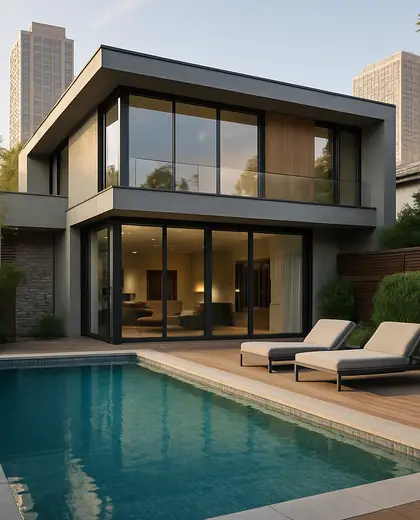
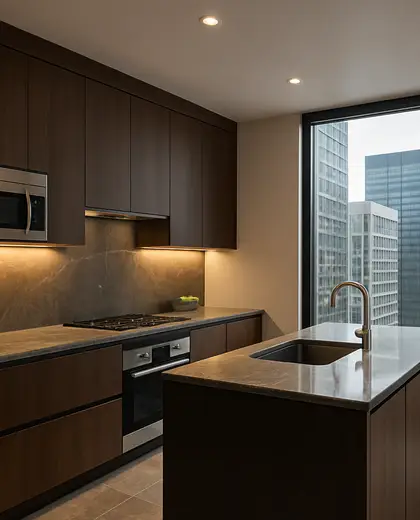
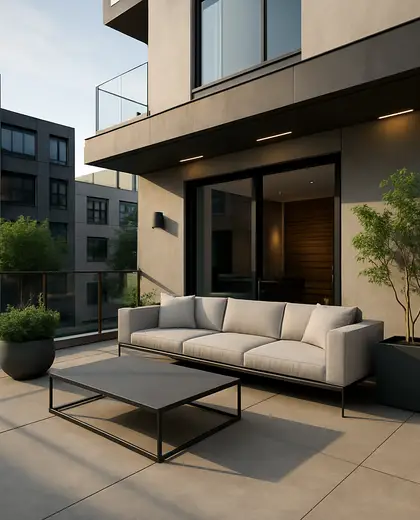
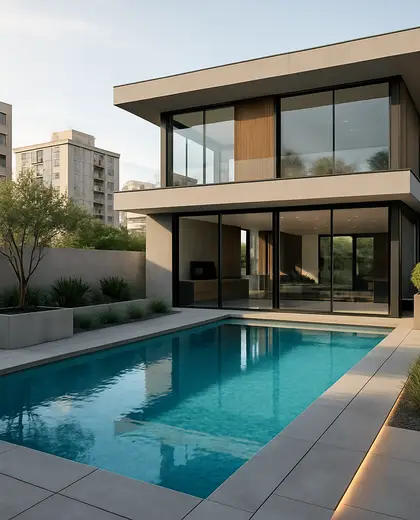
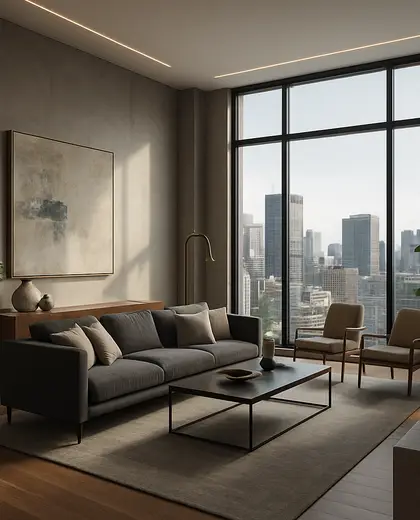
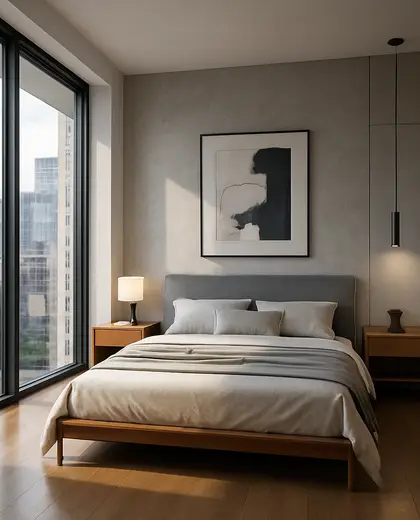
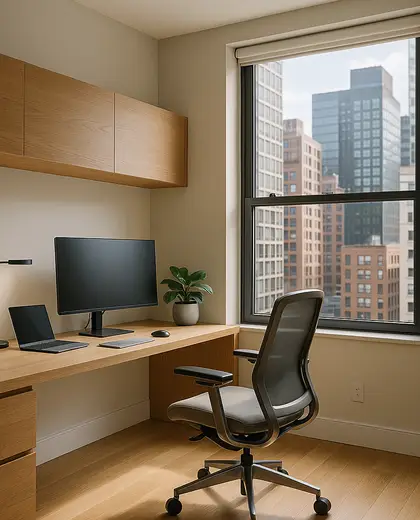
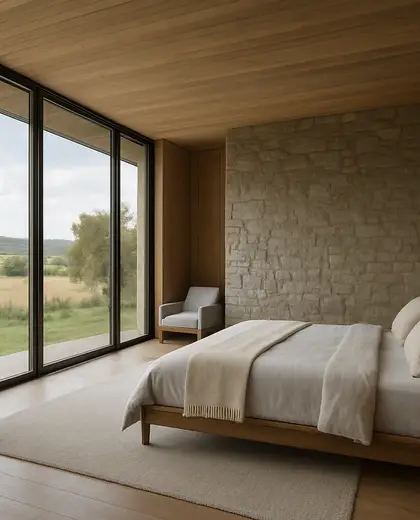
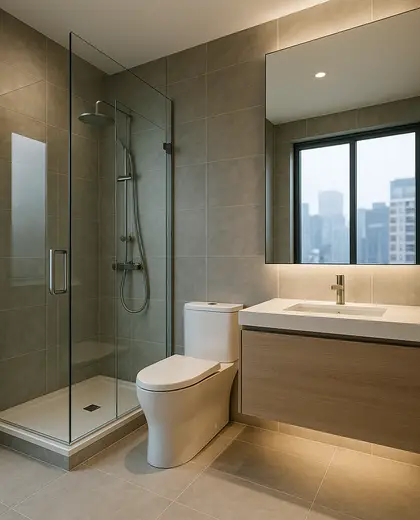
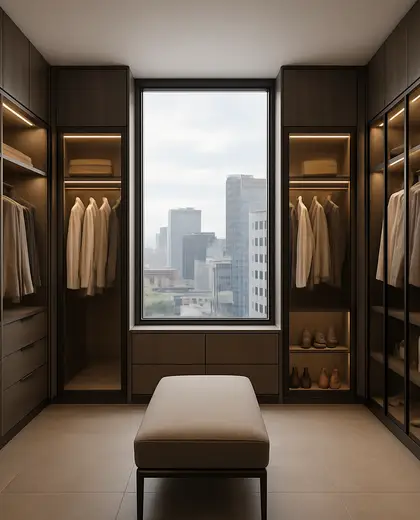
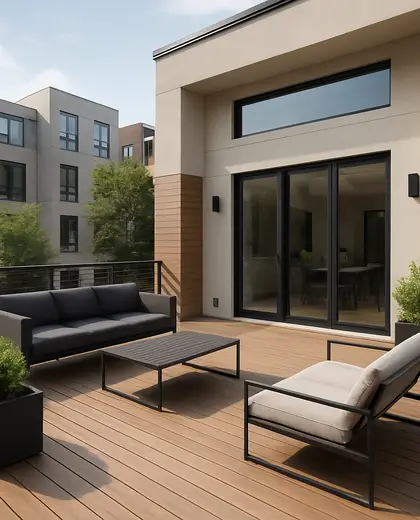
Contemporary composition is defined by clean lines, open volumes, and a mix of current materials such as glass, steel, smooth plaster, and large-format stone or wood surfaces. The palette is usually restrained, with whites, greys, black, and muted earth tones, while details stay minimal and precise. It often pairs exposed structure, flat planes, and generous daylight with simple built-ins and uncluttered furnishings.
- contemporary
— References
References to explore

Is contemporary the same as modern?
Not exactly. Contemporary refers to what feels current now, while modern usually points to a specific historical design language. In practice, the two can overlap in simple forms and clean detailing.
What materials suit a contemporary home best?
Materials with a smooth, precise finish work best, such as plaster, glass, metal, stone, and warm wood. The key is keeping the mix controlled rather than overly decorative.
Can a contemporary interior still feel warm?
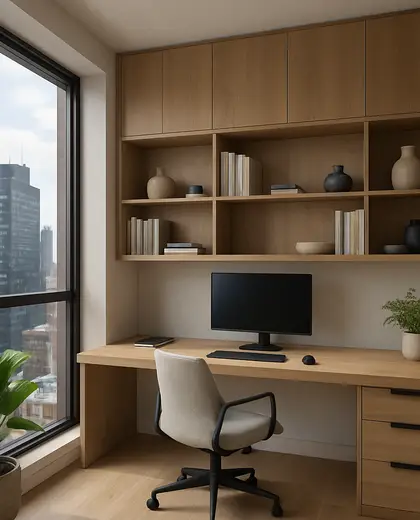
Yes. Warmth usually comes from timber, textured textiles, softer lighting, and a limited number of natural finishes, rather than from ornament.
— The style
What defines it
Glass, steel, concrete, smooth plaster, timber veneer, and stone are common, usually finished with a refined, low-texture look.
Neutral and grounded: white, off-white, grey, black, taupe, and muted natural tones, sometimes accented with one deeper color.
Works well with open-plan layouts, large windows, integrated storage, slim profiles, and restrained lighting and furniture.
— Professionals
Who has already built it

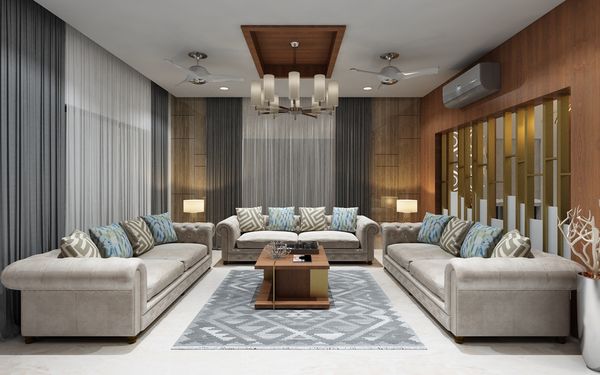



- the achievers archsmart home professionals · Delhi · 1 projectsView profile →
- ar prerna modiarchitects · 3 projectsView profile →
- home interior decoratorscarpenters · Rampur · 3 projectsView profile →
- pavit ceramics pvt ltdceramic manufacturers · Ahmedabad · 2 projectsView profile →
— Explore
Keep exploring
— ARTICLES
Related reading
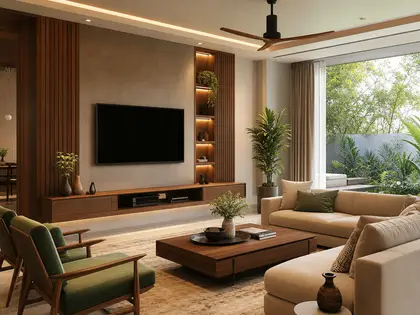
7 room mistakes that make a stylish home feel off
A practical mistakes-to-avoid guide for planning a room in a contemporary Indian home, with simple fixes that improve comfort, flow and finish.
Read article →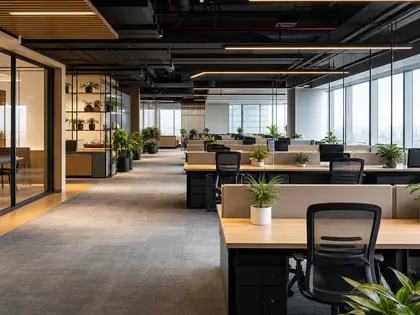
open office trends to watch: smarter, calmer workspaces for 2026
A practical look at the latest open office trends in materials, colour, layout and tech, plus easy ways to update a workspace without a full renovation.
Read article →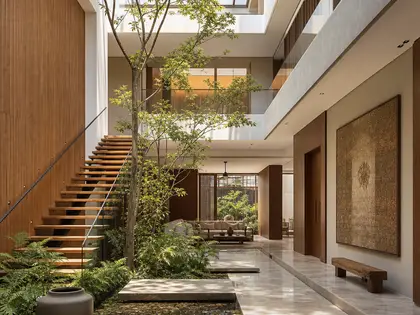
Contemporary atrium ideas for a bright, airy Indian home
A practical guide to styling a contemporary atrium with clean lines, daylight-first planning, durable materials, and polished details that suit Indian homes.
Read article →— Questions
Frequently asked questions
Is contemporary the same as modern?
Not exactly. Contemporary refers to what feels current now, while modern usually points to a specific historical design language. In practice, the two can overlap in simple forms and clean detailing.
What materials suit a contemporary home best?
Materials with a smooth, precise finish work best, such as plaster, glass, metal, stone, and warm wood. The key is keeping the mix controlled rather than overly decorative.
Can a contemporary interior still feel warm?
Yes. Warmth usually comes from timber, textured textiles, softer lighting, and a limited number of natural finishes, rather than from ornament.