— Ideas & inspiration
Contemporary lines in a mountain setting
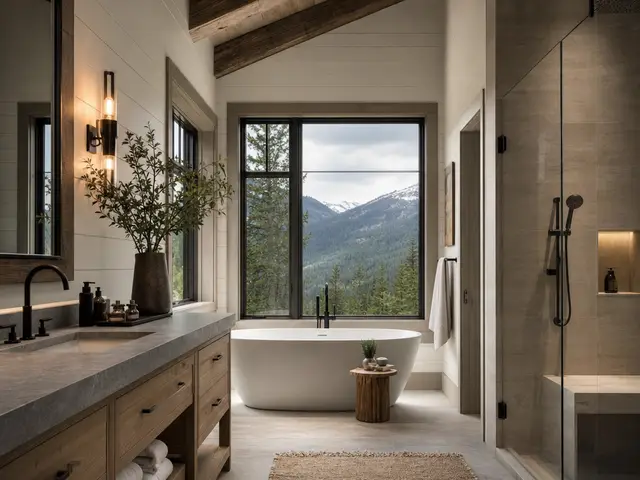
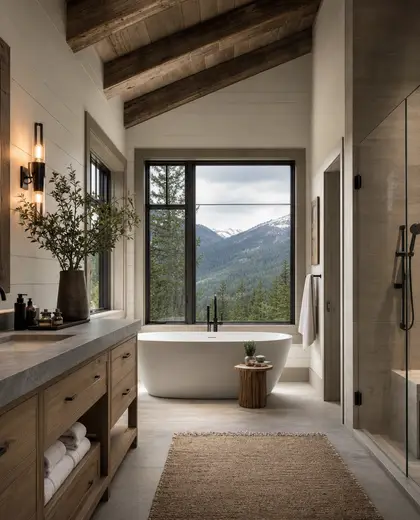
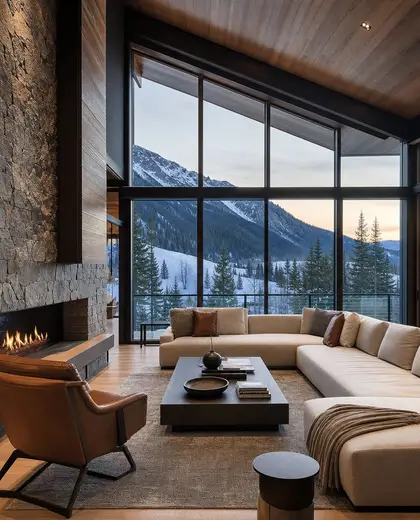
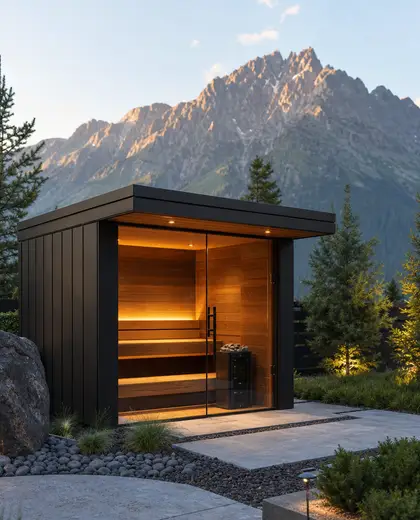
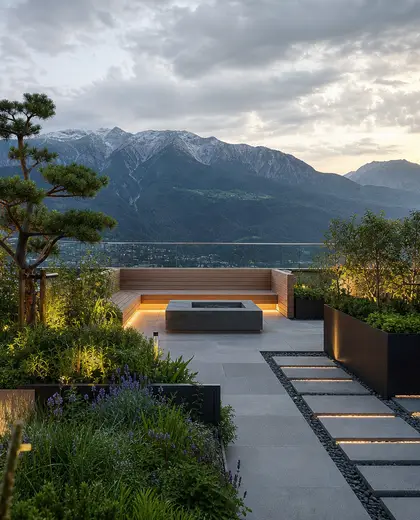
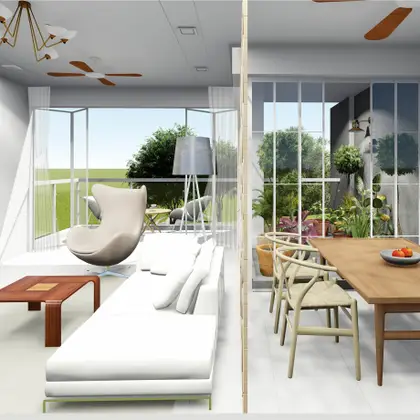
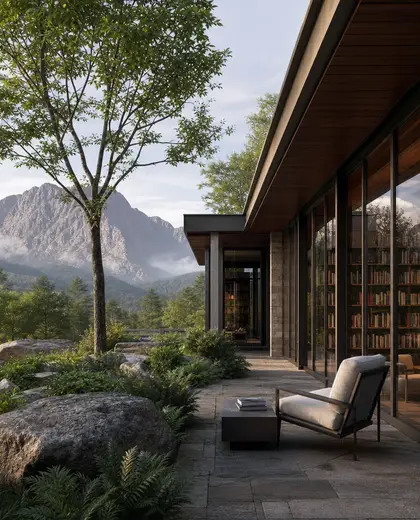
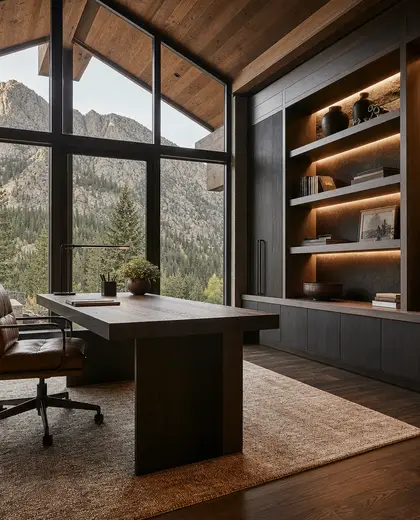
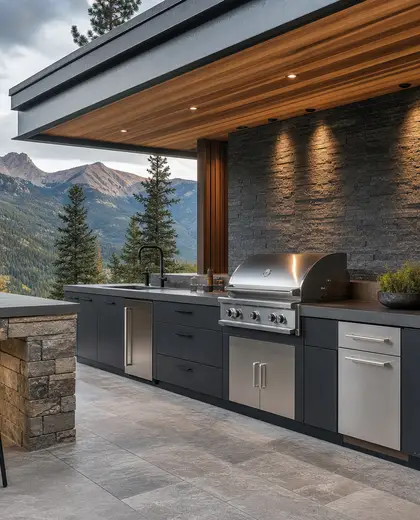
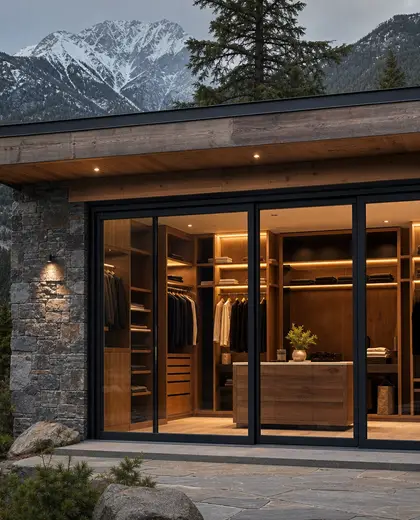
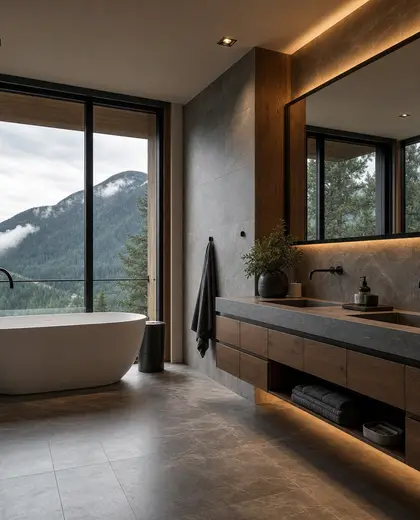
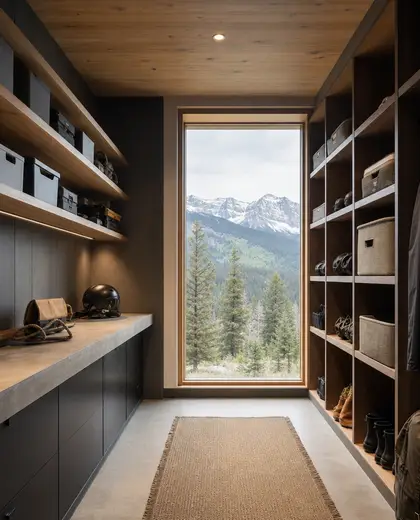
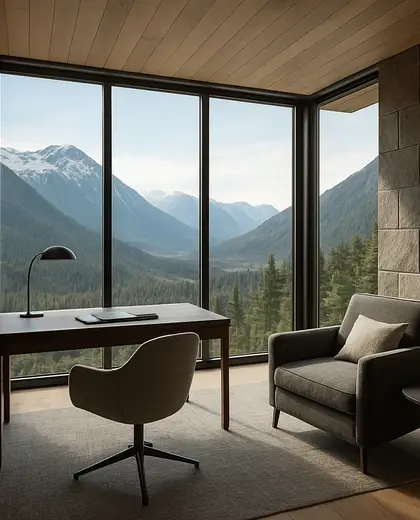
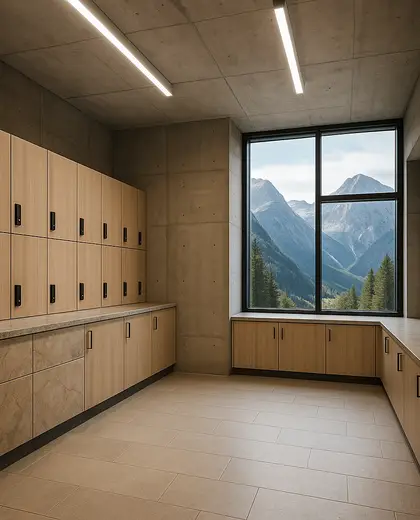
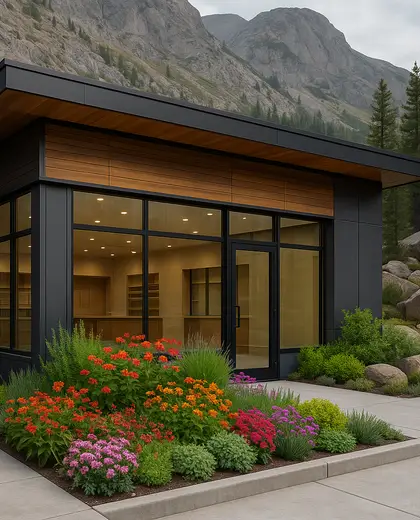
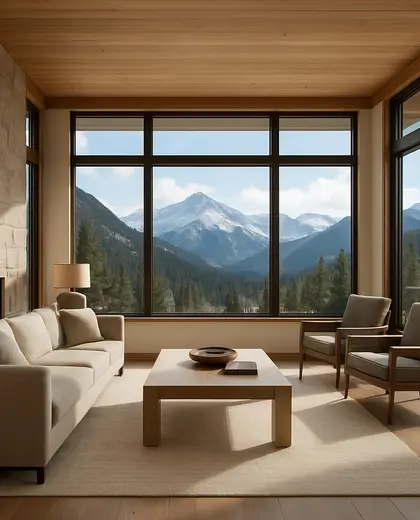
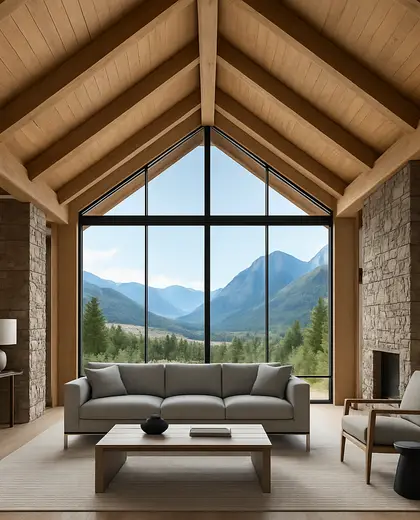
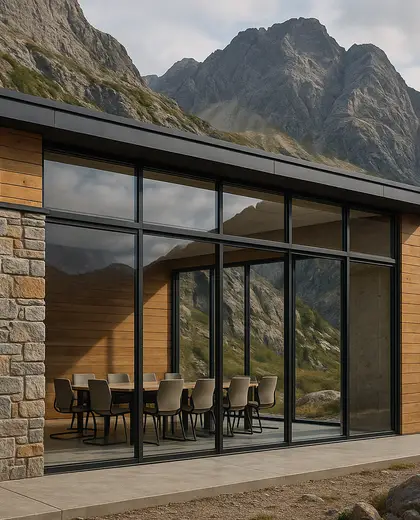
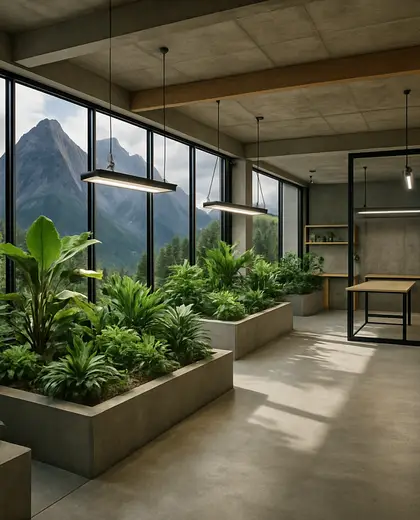
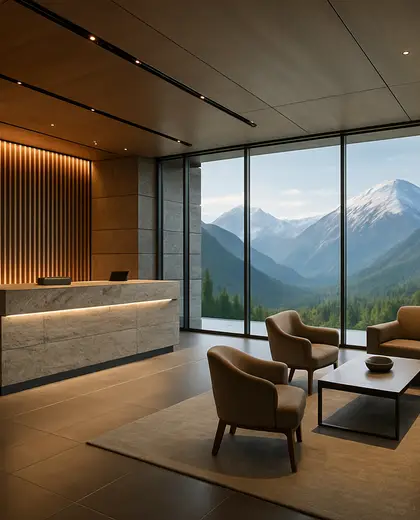
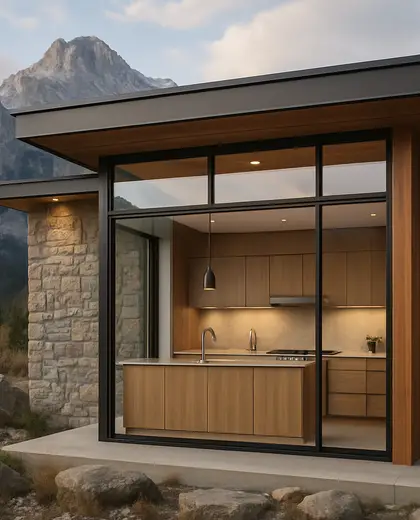
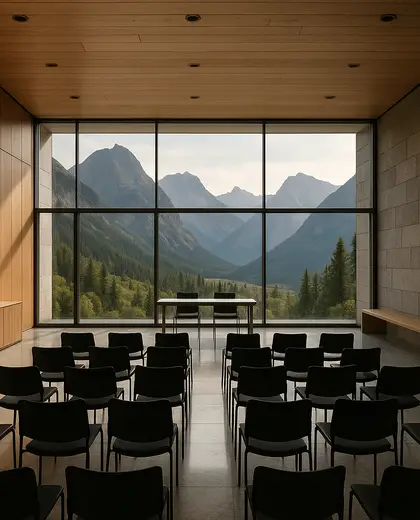
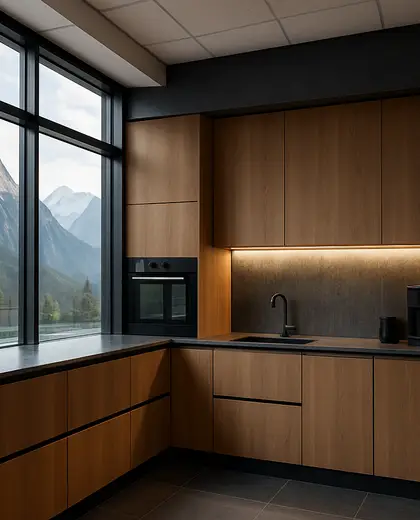
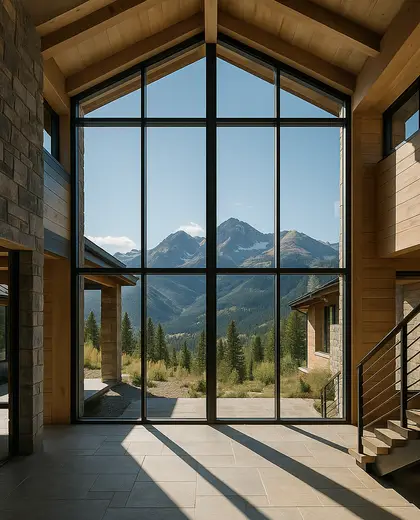
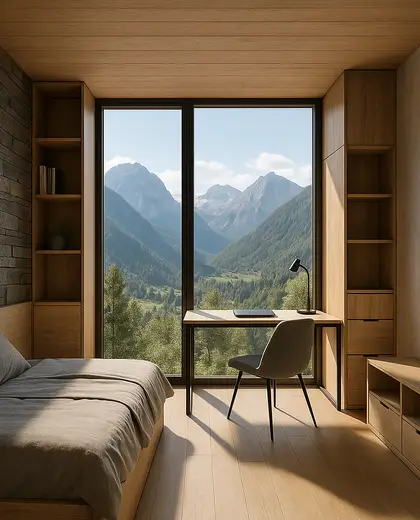
This composition pairs clean contemporary forms with the rugged context of the mountains. It typically uses stone, timber, glass, and dark metal, with large openings, crisp rooflines, and a palette drawn from slate, charcoal, warm wood, and natural gray. The result feels minimal and grounded, with interiors and exteriors that stay closely connected to the landscape.
- contemporary
- mountain
— References
References to explore
What makes a mountain home feel contemporary instead of rustic?
The form is usually simpler and more geometric, with fewer decorative details, larger glazing, flatter or sharply pitched roofs, and more restrained material transitions.
Which materials work best in a mountain climate?
Durable, weather-resistant materials such as stone, engineered wood, treated timber, metal roofing, and high-performance glazing are common because they handle cold, snow, and moisture well.
How does this style connect to the landscape?
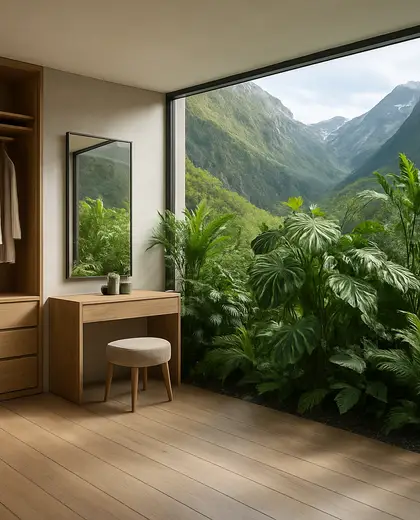
It usually uses wide windows, terraces, and strong indoor-outdoor continuity so the views and terrain become part of the architecture rather than something separated from it.
— The style
What defines it
Stone, timber, glass, exposed concrete, and matte black or bronze metal are common.
Natural grays, charcoal, deep brown wood tones, off-white, and muted green or blue-gray accents.
It works with sloped sites, panoramic views, heavy winter conditions, and landscape-led outdoor spaces.
— Professionals
Who has already built it
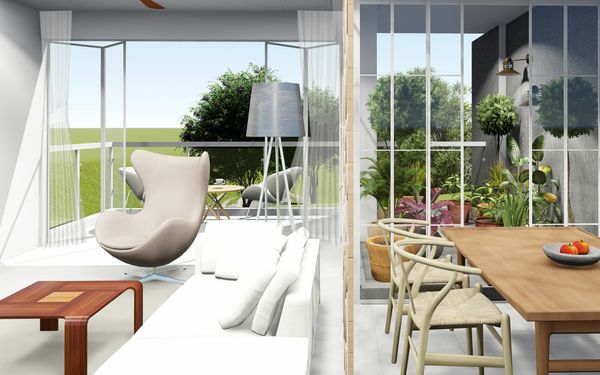

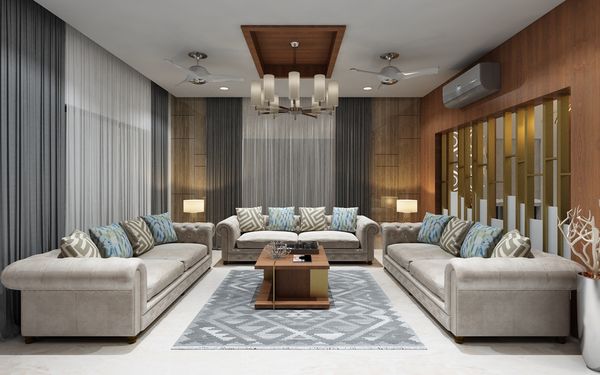

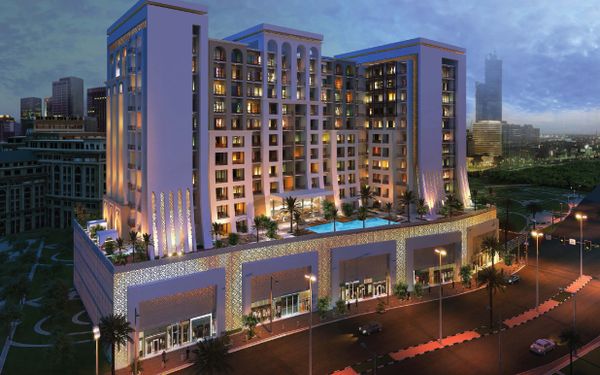

- aramitha devassykuttyarchitects · 4 projectsView profile →
- praveen kumar singh3d renderers · Ranchi · 2 projectsView profile →
- mawar electrical serviceselectricians · Bengaluru · 1 projectsView profile →
- meghna gijodrafters · Hebri · 5 projectsView profile →
— Explore
Keep exploring
— ARTICLES
Related reading
7 room mistakes that make a stylish home feel off
A practical mistakes-to-avoid guide for planning a room in a contemporary Indian home, with simple fixes that improve comfort, flow and finish.
Read article →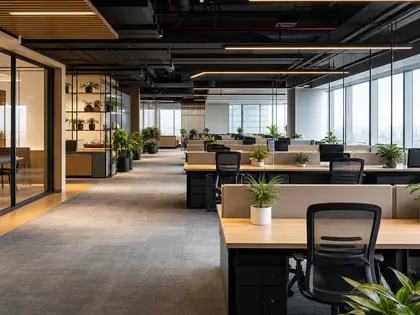
open office trends to watch: smarter, calmer workspaces for 2026
A practical look at the latest open office trends in materials, colour, layout and tech, plus easy ways to update a workspace without a full renovation.
Read article →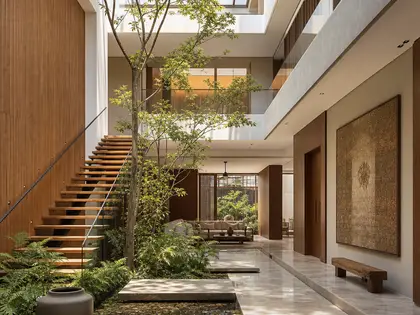
Contemporary atrium ideas for a bright, airy Indian home
A practical guide to styling a contemporary atrium with clean lines, daylight-first planning, durable materials, and polished details that suit Indian homes.
Read article →— Questions
Frequently asked questions
What makes a mountain home feel contemporary instead of rustic?
The form is usually simpler and more geometric, with fewer decorative details, larger glazing, flatter or sharply pitched roofs, and more restrained material transitions.
Which materials work best in a mountain climate?
Durable, weather-resistant materials such as stone, engineered wood, treated timber, metal roofing, and high-performance glazing are common because they handle cold, snow, and moisture well.
How does this style connect to the landscape?
It usually uses wide windows, terraces, and strong indoor-outdoor continuity so the views and terrain become part of the architecture rather than something separated from it.