— Ideas & inspiration
Contemporary forms with a coastal ease
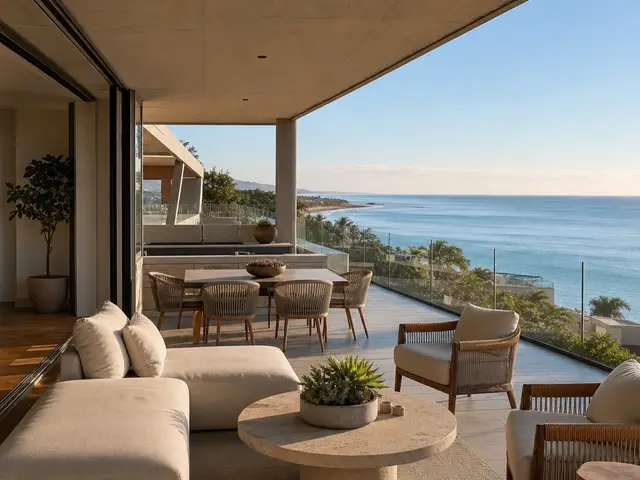
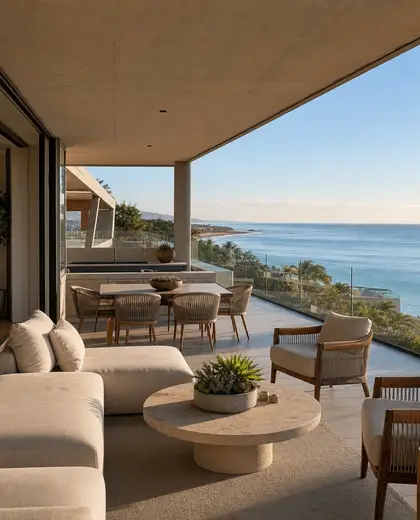
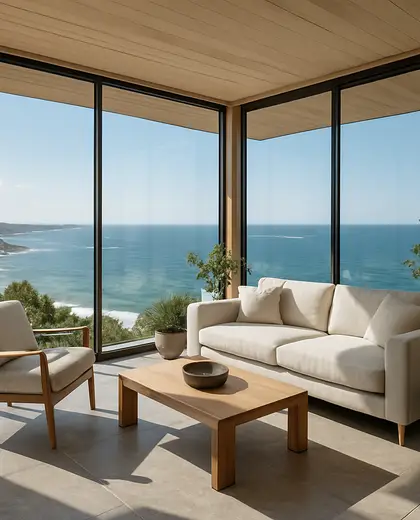
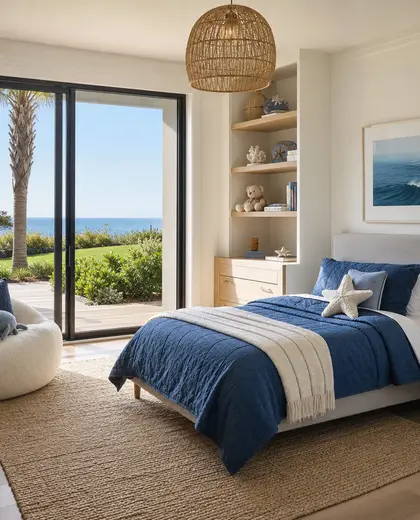
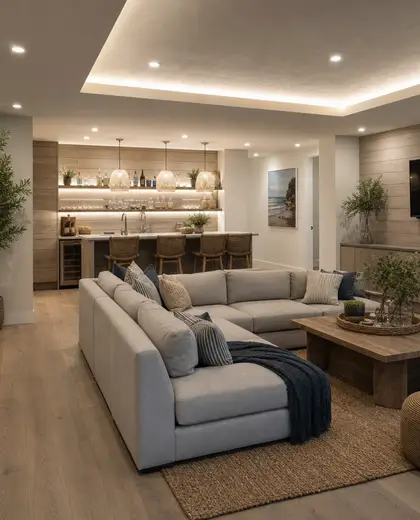
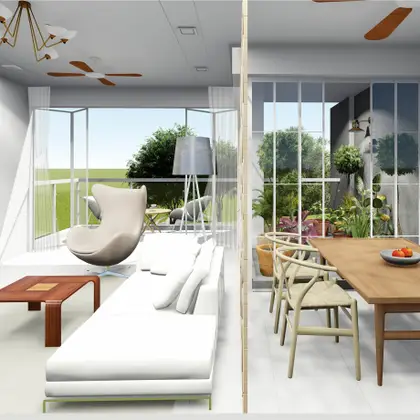
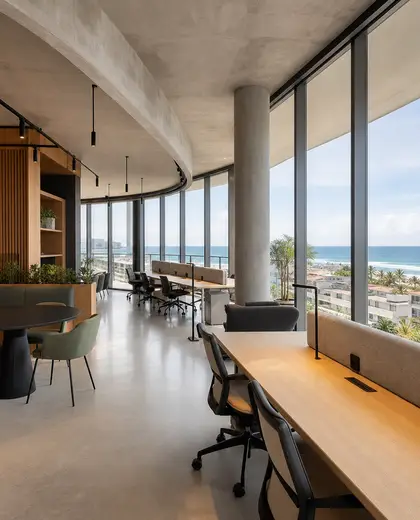
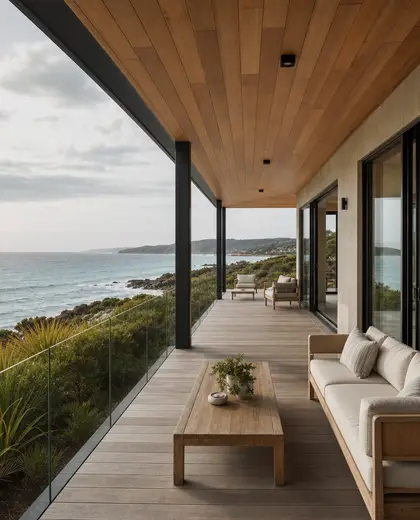
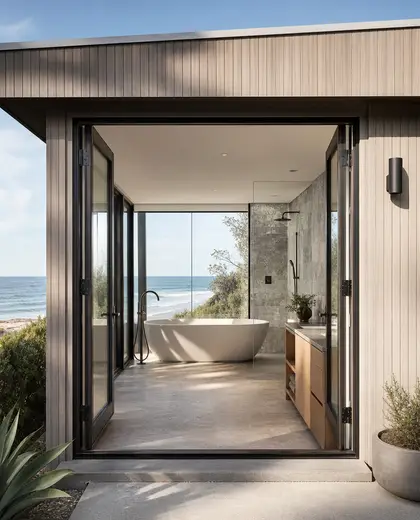
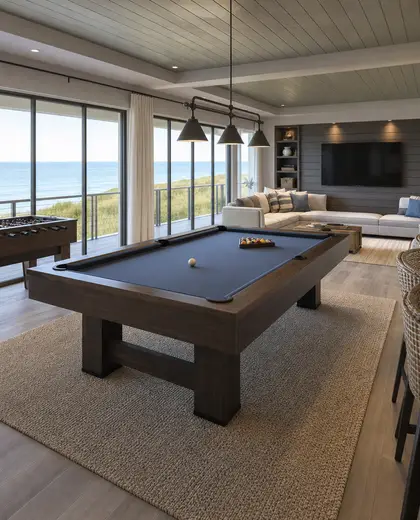
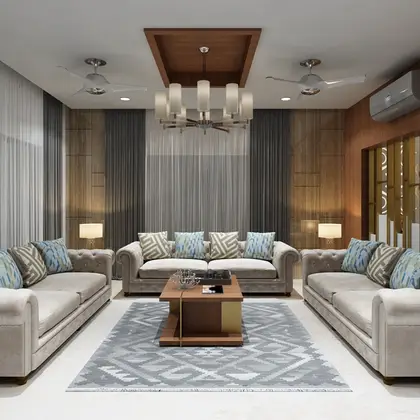
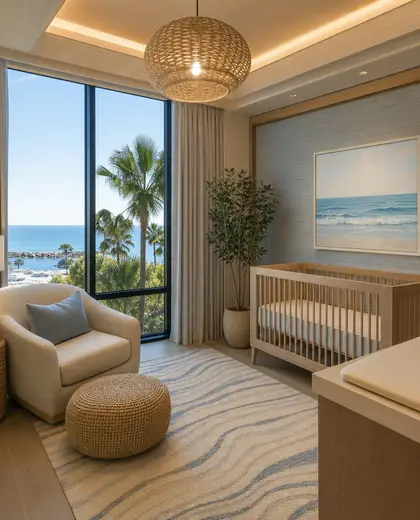
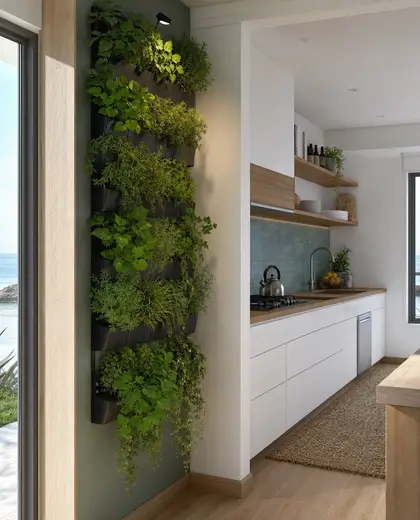
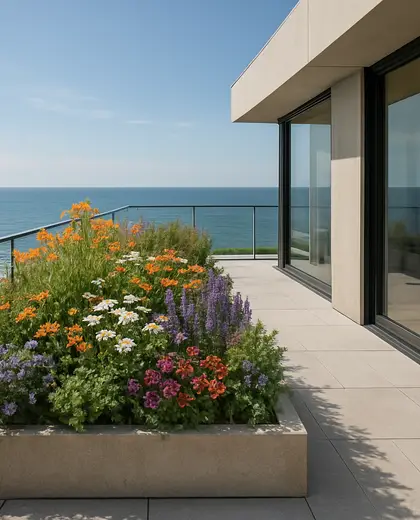
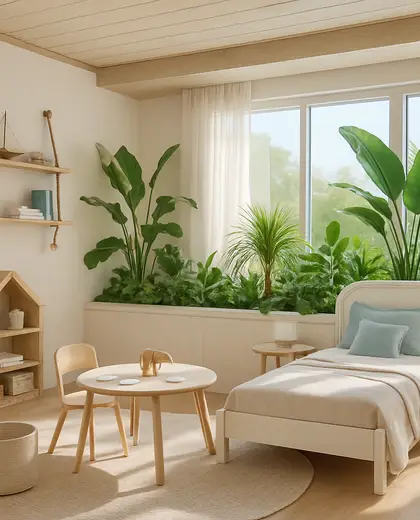
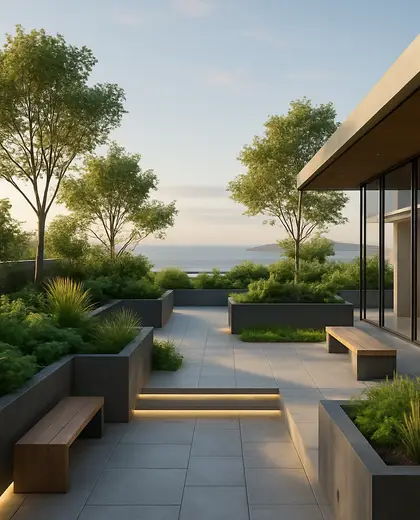
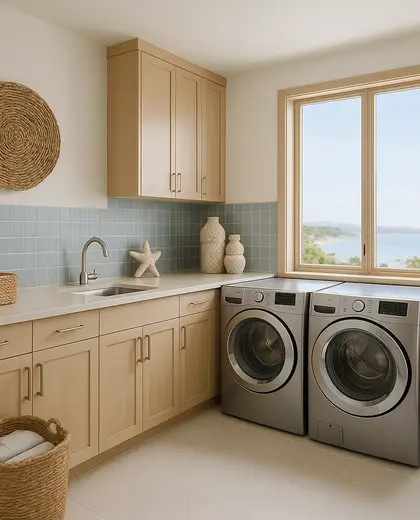
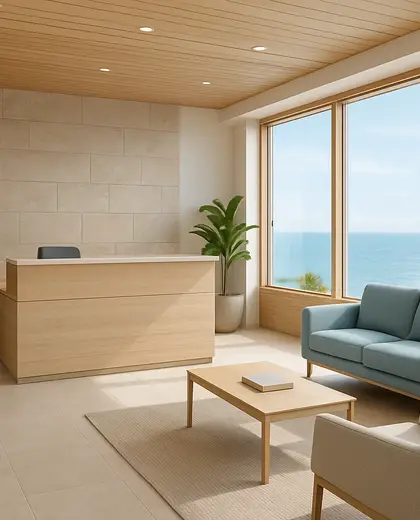
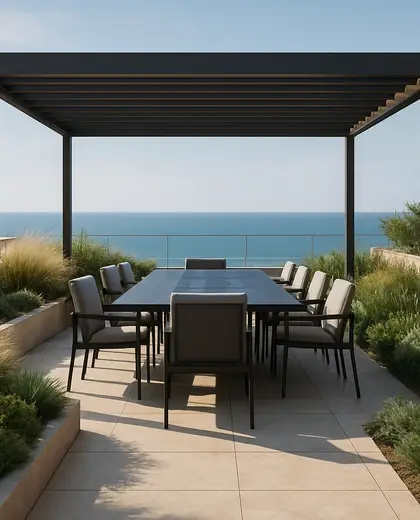
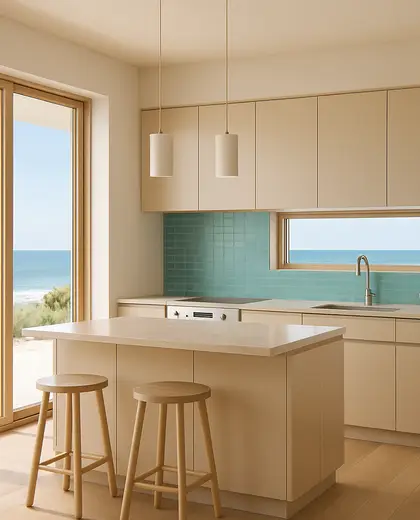
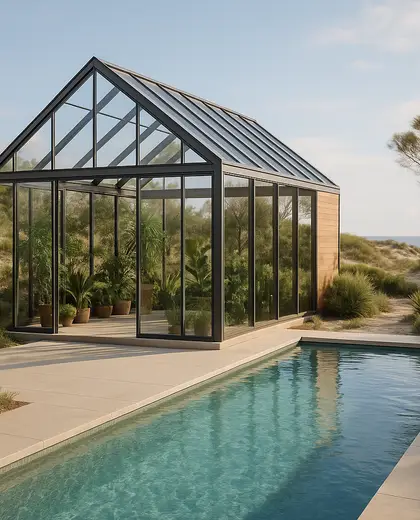
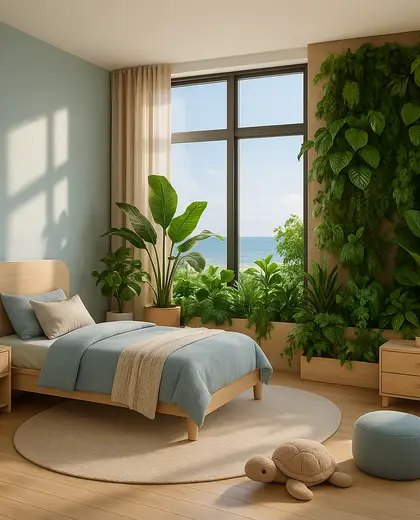
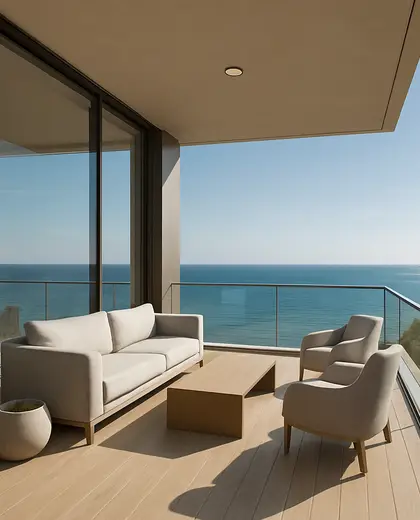
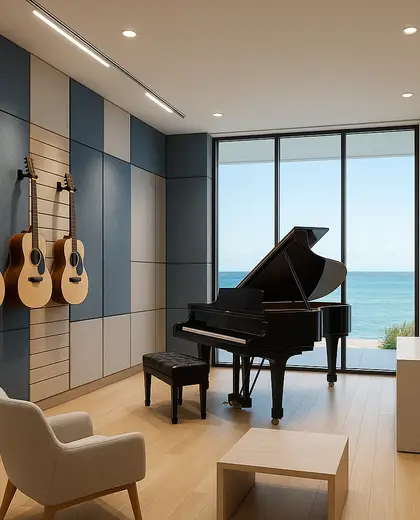
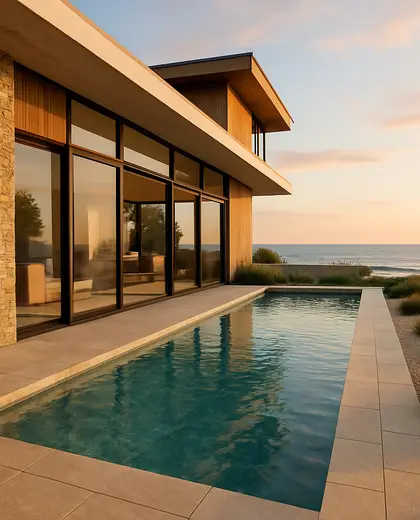
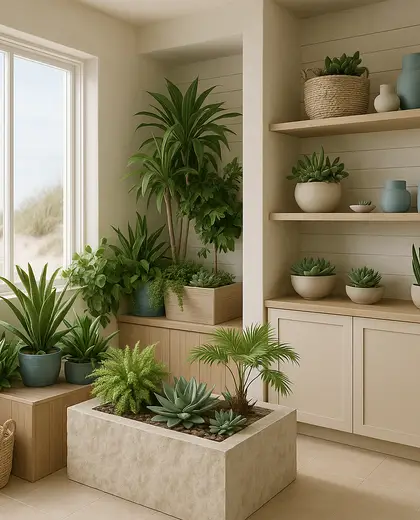
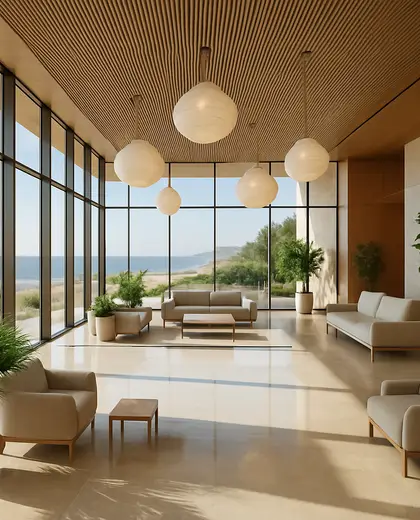
Contemporary coastal architecture pairs clean, simple massing with light, airy finishes and relaxed seaside references. It typically uses white or sand-toned walls, natural wood, glass, stone, and weather-resistant details, with open plans and strong indoor-outdoor connections. The look feels restrained and modern, but softened by sun-washed textures, breezy light, and nautical restraint rather than overt decoration.
- contemporary
- coastal
— References
References to explore

How is contemporary coastal different from a beach house style?
Contemporary coastal is usually cleaner and more restrained, with simpler lines and fewer decorative nautical references. A beach house style can be more casual or traditional, while this composition leans modern and composed.
What materials work best for this look?
Materials that age well in bright, humid, or salty conditions work best, such as plaster, treated timber, stone, concrete, and corrosion-resistant metal. Large expanses of glass are also common for light and views.
Can this style work away from the coast?
Yes. The style is really about light, palette, and relaxed spatial flow, so it can be adapted inland by using soft neutrals, natural textures, and open, airy planning.
— The style
What defines it
White plaster, timber slats, glass, pale stone, and brushed metal are common, often chosen for durability in salt-air settings.
A muted range of whites, warm neutrals, soft blues, sand, and driftwood tones keeps the composition calm and sunlit.
This composition often combines contemporary minimalism with coastal features like shaded terraces, large openings, and easy indoor-outdoor flow.
— Professionals
Who has already built it
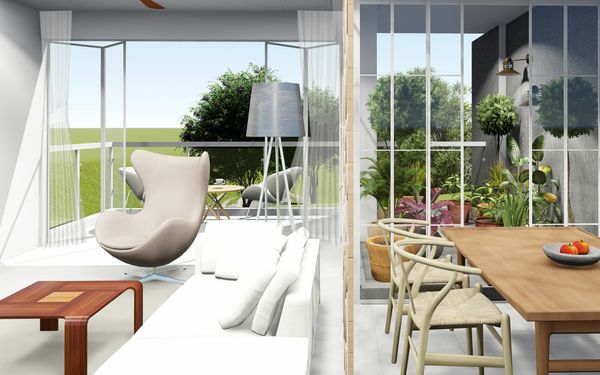

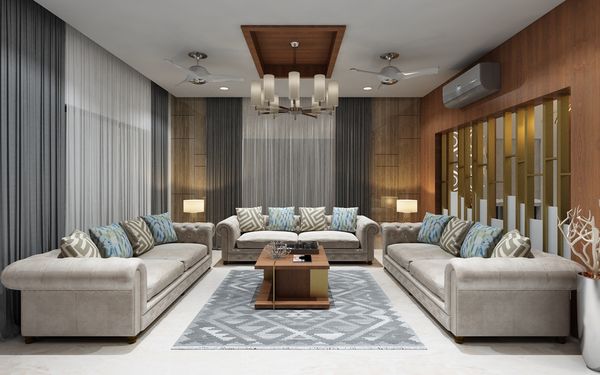



- chaitanya anvekarinterior designers · Mumbai · 16 projectsView profile →
- urban arch studioarchitects · 4 projectsView profile →
- Bristolfurniture sellers · Bangalore · 6 projectsView profile →
- FurnitureRootsfurniture makers · Jodhpur · 6 projectsView profile →
— Explore
Keep exploring
— ARTICLES
Related reading
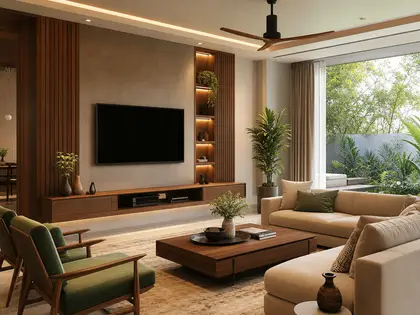
7 room mistakes that make a stylish home feel off
A practical mistakes-to-avoid guide for planning a room in a contemporary Indian home, with simple fixes that improve comfort, flow and finish.
Read article →
open office trends to watch: smarter, calmer workspaces for 2026
A practical look at the latest open office trends in materials, colour, layout and tech, plus easy ways to update a workspace without a full renovation.
Read article →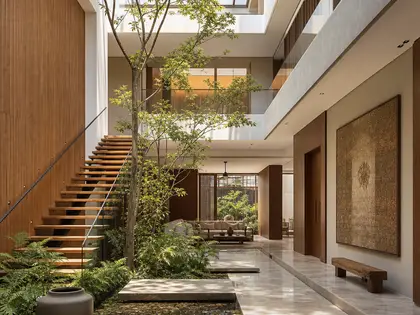
Contemporary atrium ideas for a bright, airy Indian home
A practical guide to styling a contemporary atrium with clean lines, daylight-first planning, durable materials, and polished details that suit Indian homes.
Read article →— Questions
Frequently asked questions
How is contemporary coastal different from a beach house style?
Contemporary coastal is usually cleaner and more restrained, with simpler lines and fewer decorative nautical references. A beach house style can be more casual or traditional, while this composition leans modern and composed.
What materials work best for this look?
Materials that age well in bright, humid, or salty conditions work best, such as plaster, treated timber, stone, concrete, and corrosion-resistant metal. Large expanses of glass are also common for light and views.
Can this style work away from the coast?
Yes. The style is really about light, palette, and relaxed spatial flow, so it can be adapted inland by using soft neutrals, natural textures, and open, airy planning.