— Ideas & inspiration
Contemporary lines in the desert light
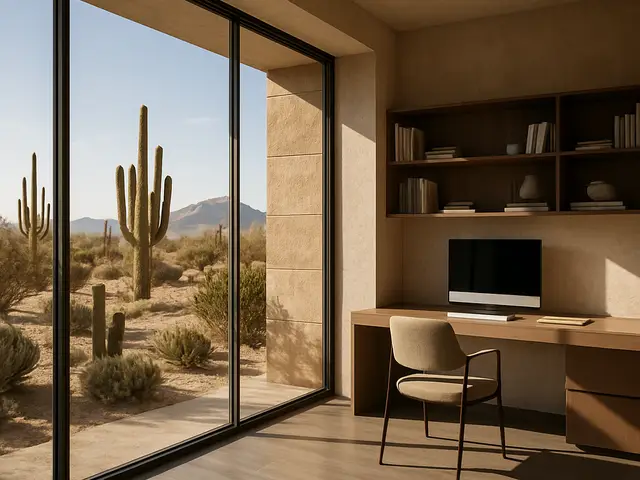
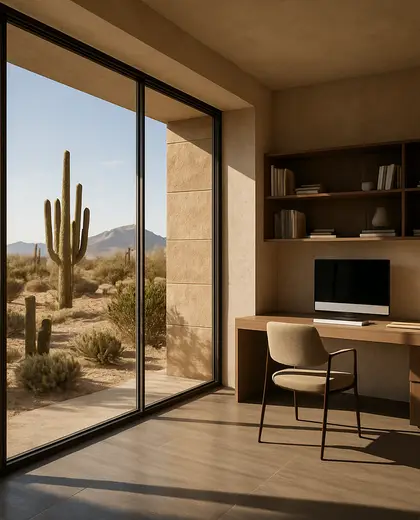
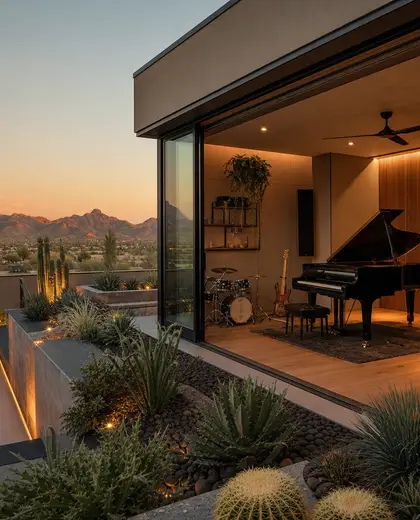
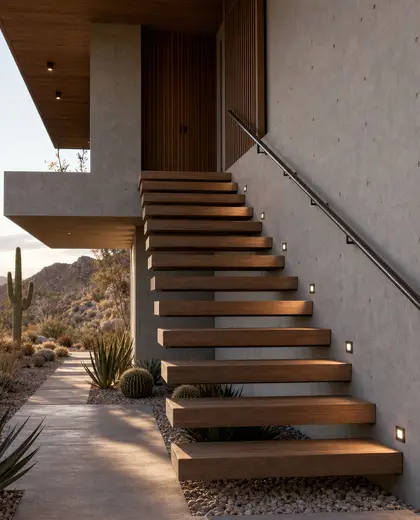
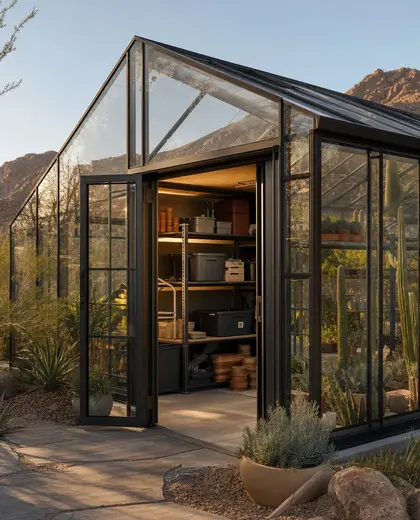
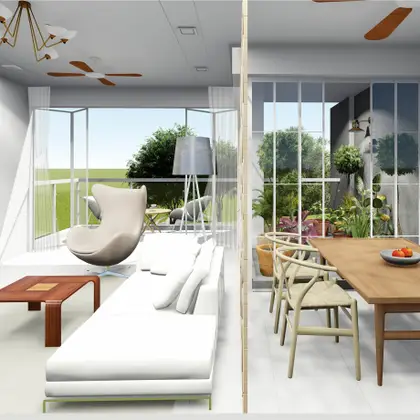
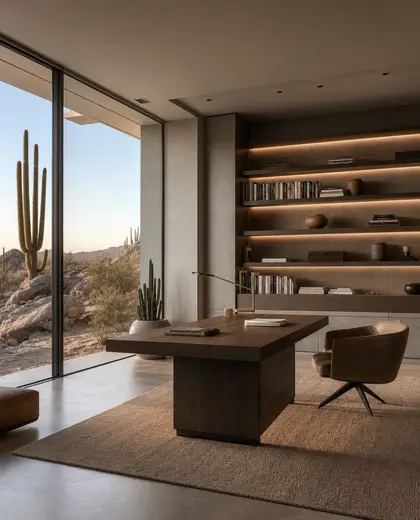
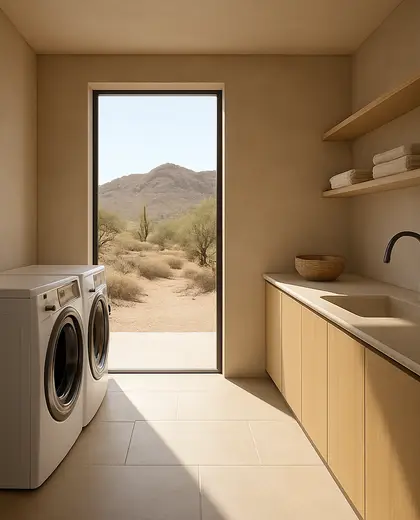
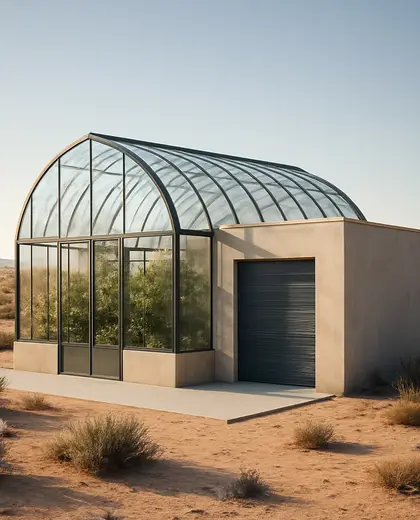
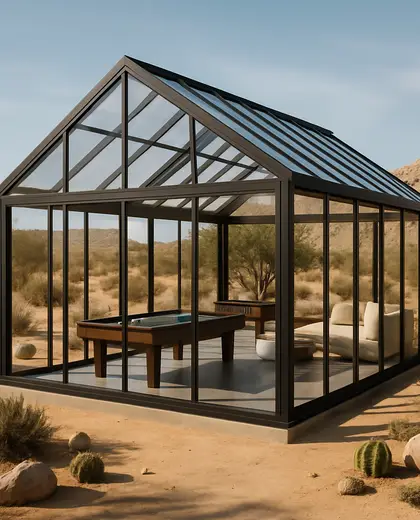
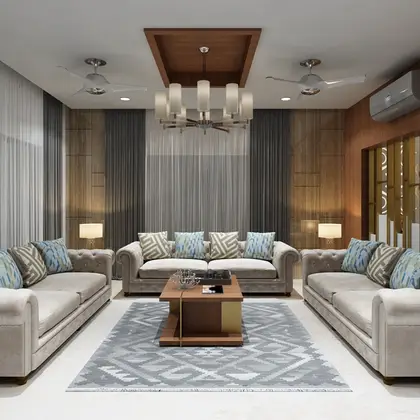
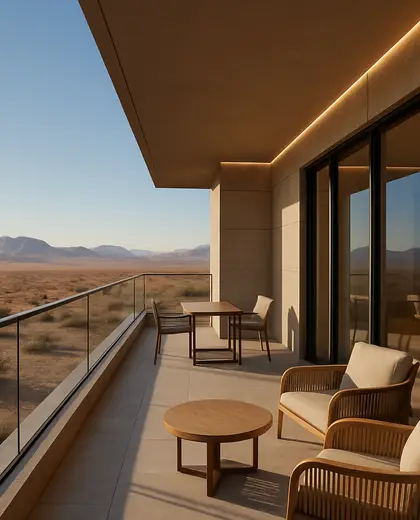
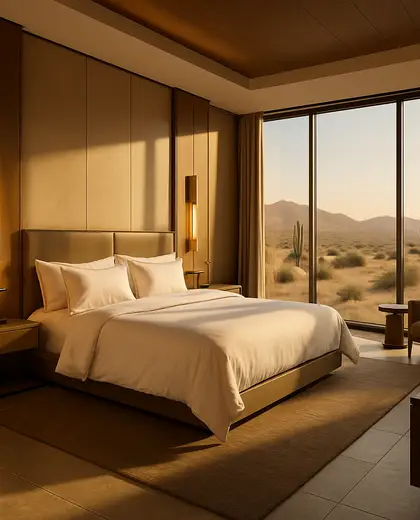
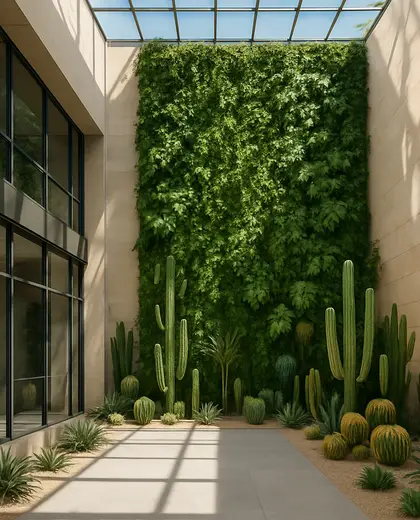
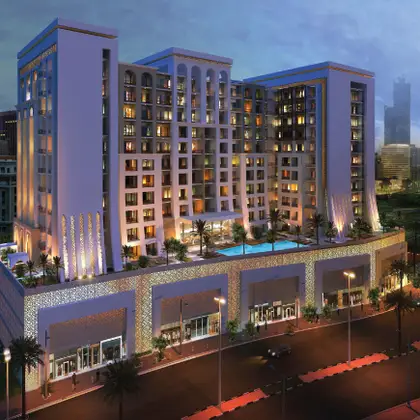
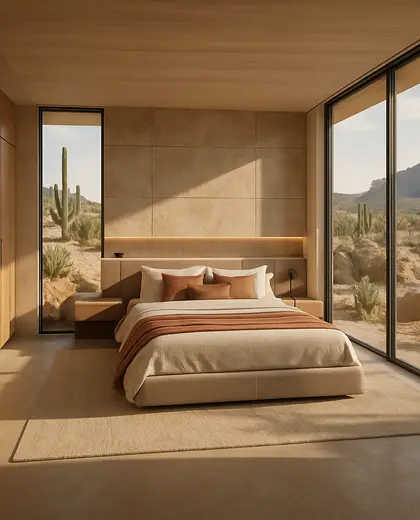
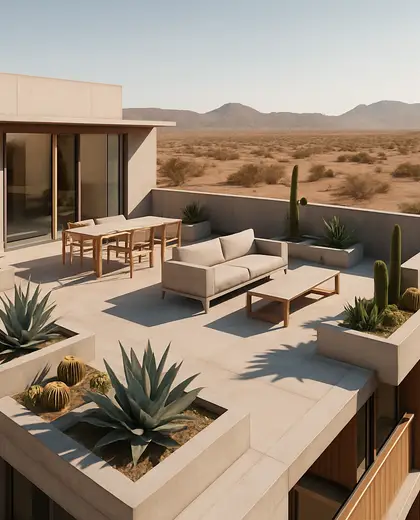
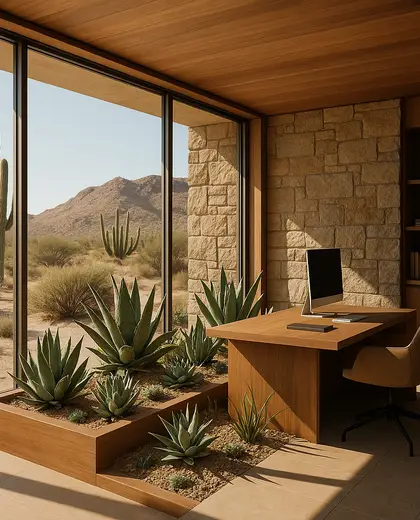
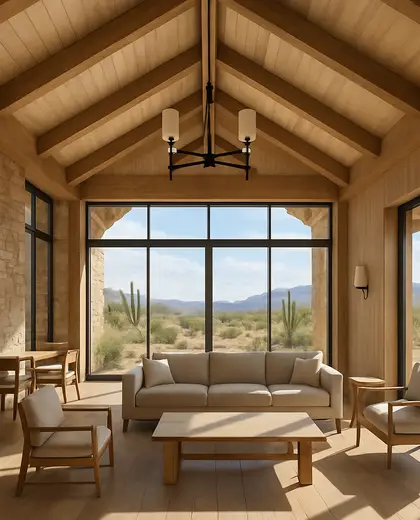
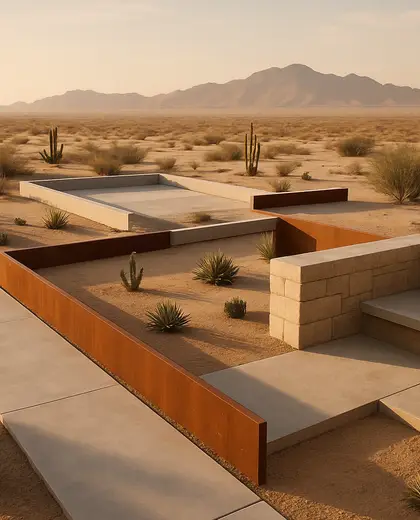
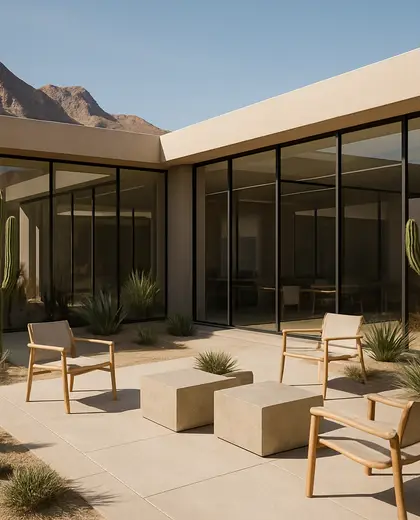
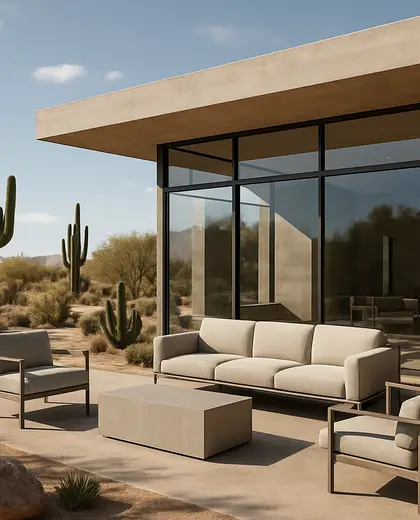
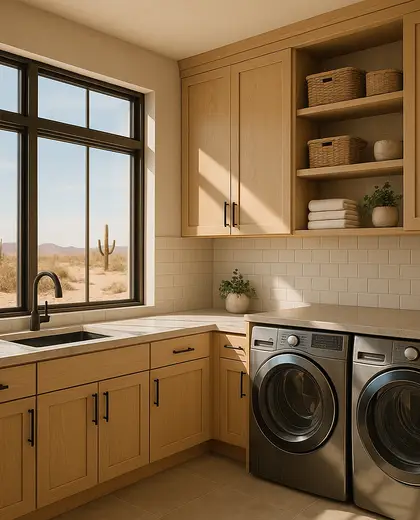
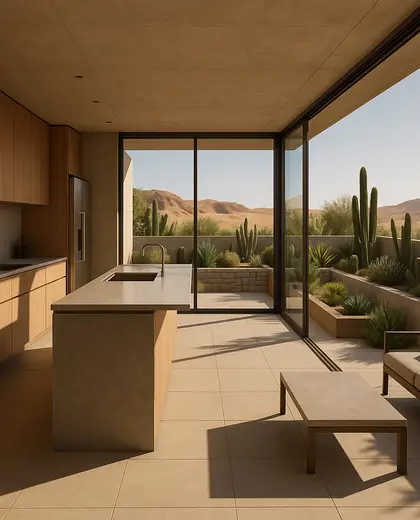
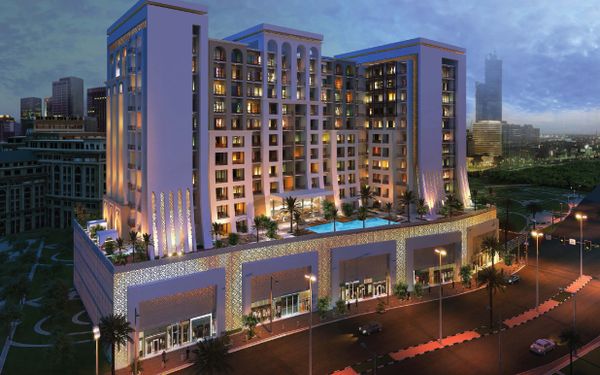
Contemporary desert design pairs clean, simplified forms with materials that stand up to heat and glare. It often uses stucco, concrete, stone, steel, and glass in a palette of sand, taupe, off-white, charcoal, and muted earth tones. Deep overhangs, shaded openings, courtyards, and strong indoor-outdoor connections are defining elements.
- contemporary
- desert
— References
References to explore

How is contemporary desert design different from a traditional desert house?
It keeps the climate response of desert architecture but uses cleaner geometry, fewer ornamented details, and more open interior layouts.
What makes this style work in a hot, arid climate?
Shading, thermal mass, controlled glazing, and outdoor spaces that are protected from direct sun help manage heat and light.
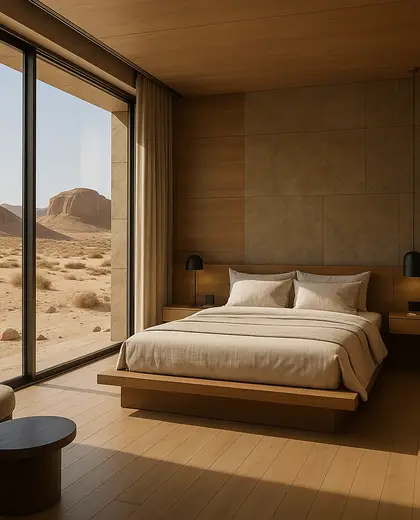

Can this look feel warm instead of stark?
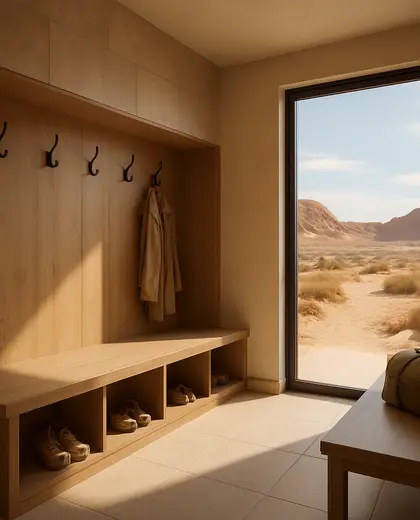
Yes. Using textured plaster, natural stone, wood accents, and a restrained earth-toned palette keeps the design grounded and inviting.
— The style
What defines it
Stucco, exposed concrete, natural stone, metal, and large glass openings are common.
Warm neutrals, sun-washed whites, sandy beiges, clay tones, charcoal, and soft browns.
Minimal detailing, flat or low-slope roofs, shaded terraces, courtyards, and desert planting.
— Professionals
Who has already built it



- gaurav chawlaarchitects · 9 projectsView profile →
- pavit ceramics pvt ltdceramic manufacturers · Ahmedabad · 2 projectsView profile →
- nikitha kumananinterior designers · 5 projectsView profile →
- Bristolfurniture sellers · Bangalore · 6 projectsView profile →
— Explore
Keep exploring
— ARTICLES
Related reading
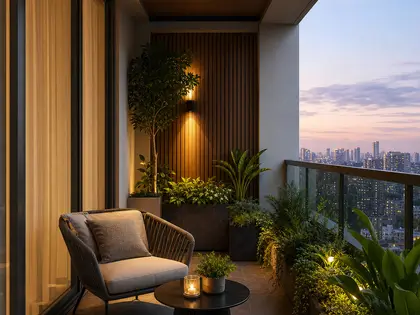
balcony planning in India: where to begin before the first tile is fixed
A practical starting guide for a balcony project in India, from listing needs and setting priorities to locking the key decisions before work begins.
Read article →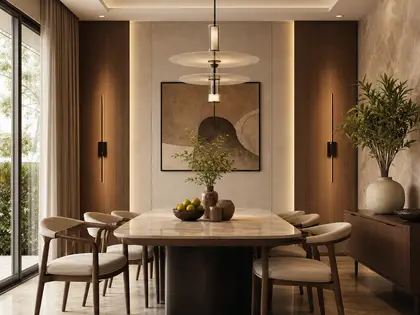
Budgeting a dining room makeover: what it really costs in India
A practical Indian budget guide for renovating a dining room, covering typical costs, smart splurges, sensible savings, and hidden expenses to watch for.
Read article →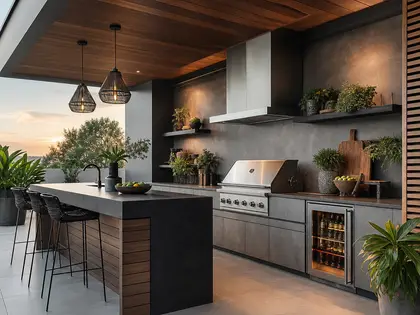
5 outdoor kitchen mistakes to avoid before you build
A practical guide to the most common outdoor kitchen mistakes in India, with simple fixes for a cleaner, safer and more usable setup.
Read article →— Questions
Frequently asked questions
How is contemporary desert design different from a traditional desert house?
It keeps the climate response of desert architecture but uses cleaner geometry, fewer ornamented details, and more open interior layouts.
What makes this style work in a hot, arid climate?
Shading, thermal mass, controlled glazing, and outdoor spaces that are protected from direct sun help manage heat and light.
Can this look feel warm instead of stark?
Yes. Using textured plaster, natural stone, wood accents, and a restrained earth-toned palette keeps the design grounded and inviting.