— Ideas & inspiration
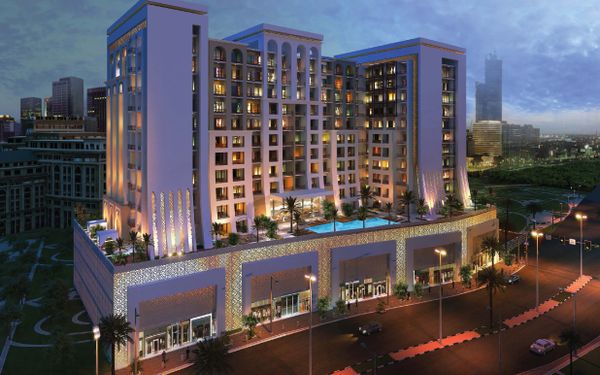
Contemporary facades with clean lines and restrained material contrast
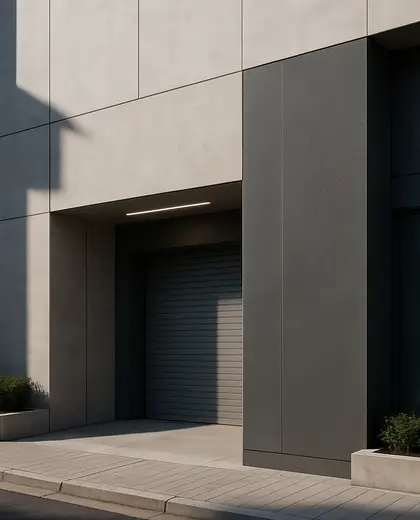
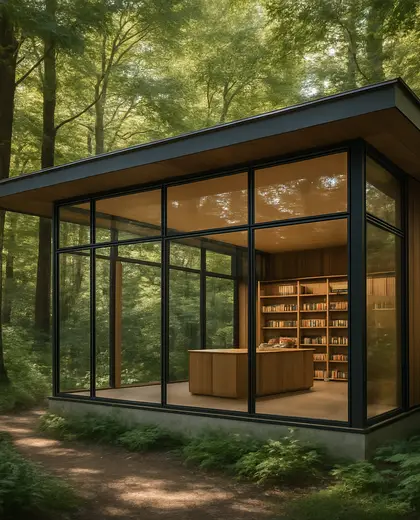
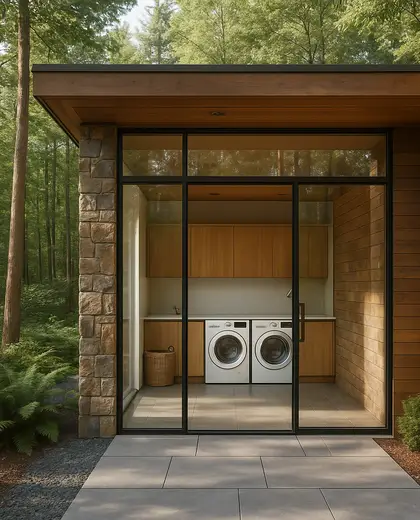
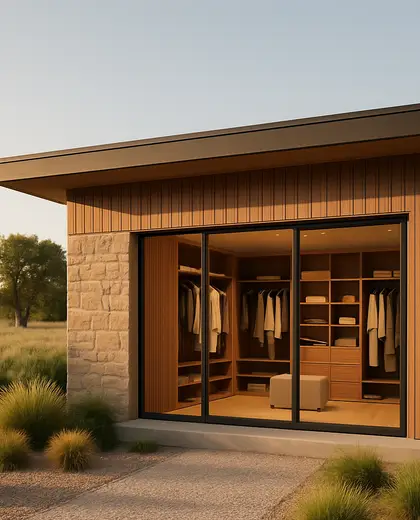
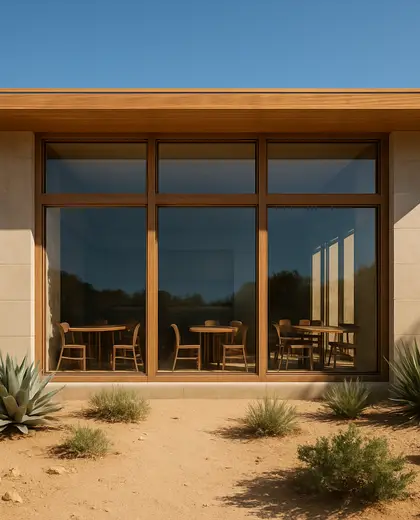
A contemporary facade is defined by clean geometry, large openings, and a restrained mix of materials such as smooth render, glass, metal, timber, or concrete. The palette is usually neutral, with white, black, grey, and natural wood tones shaping a sharp but balanced exterior. Strong horizontal and vertical lines, flush detailing, and minimal ornament give it its modern character.
- facade
- contemporary
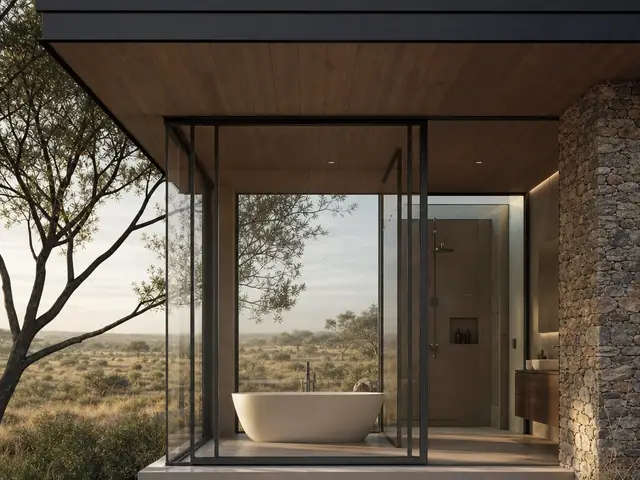
— References
References to explore
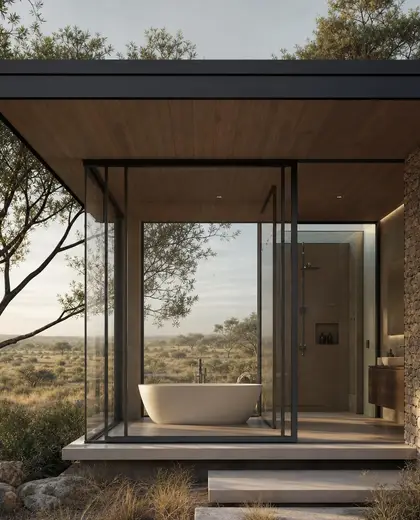
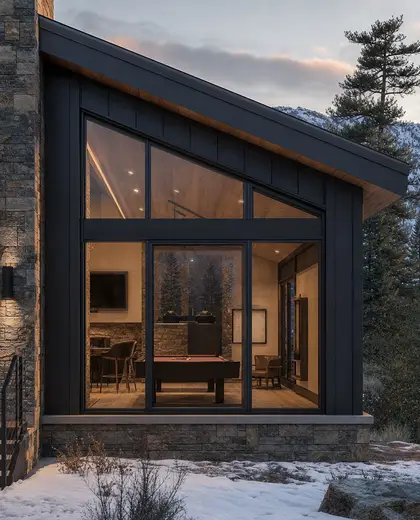
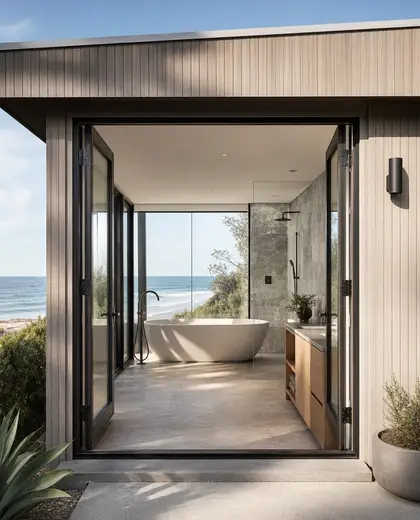
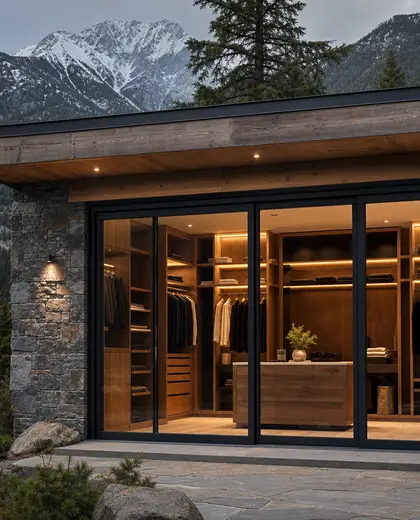
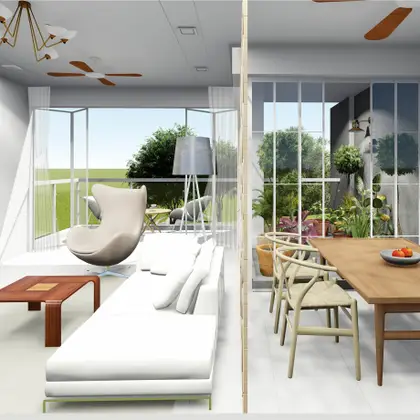
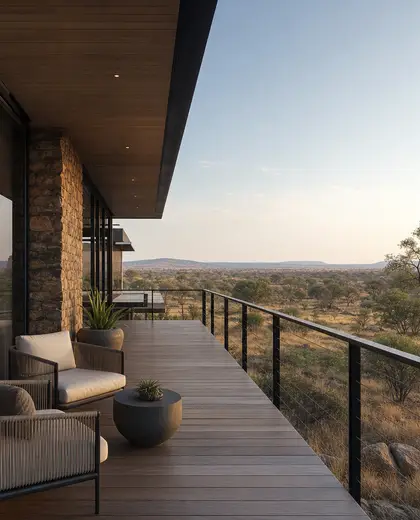
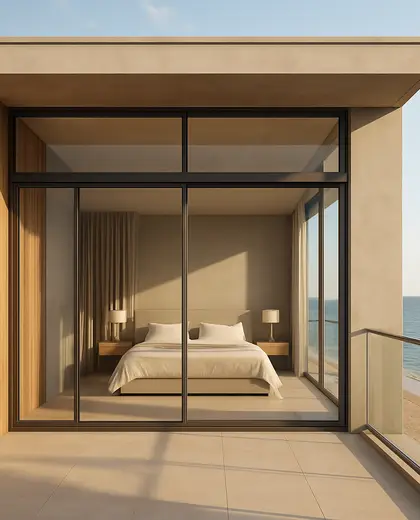
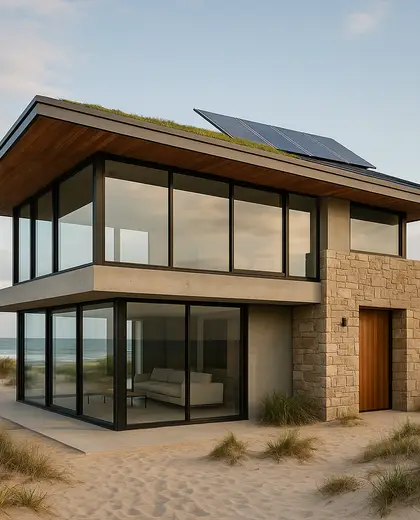
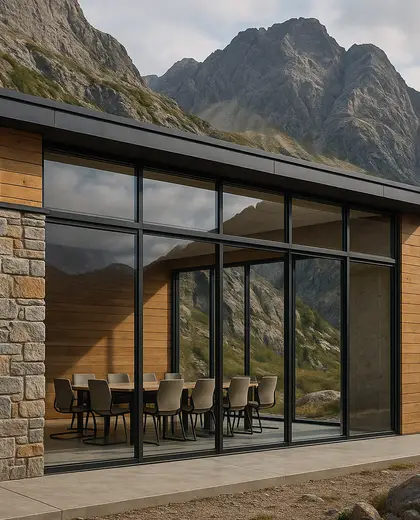
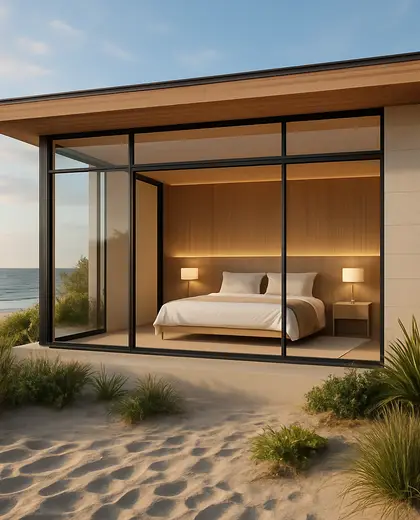
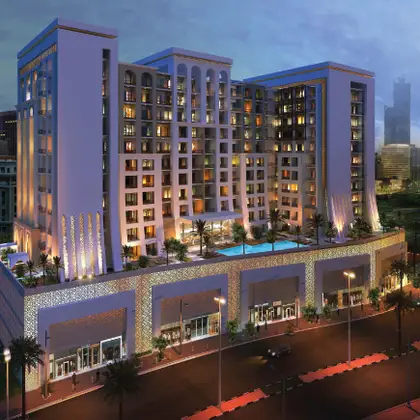
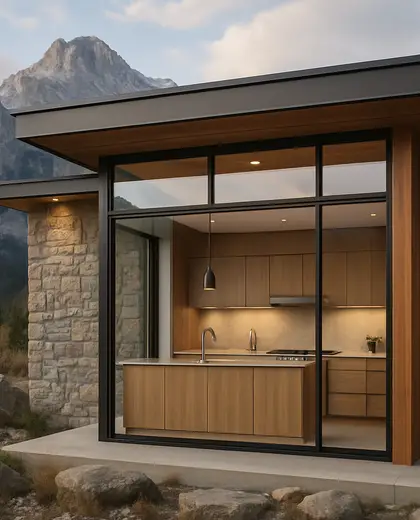
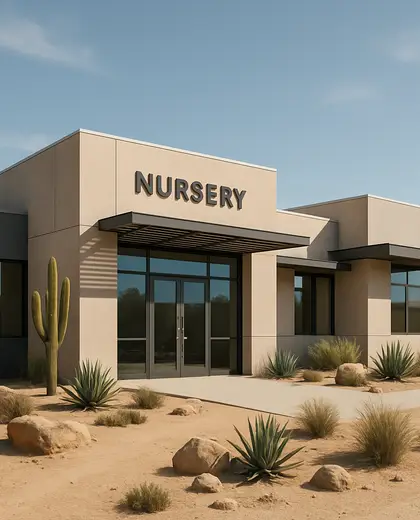
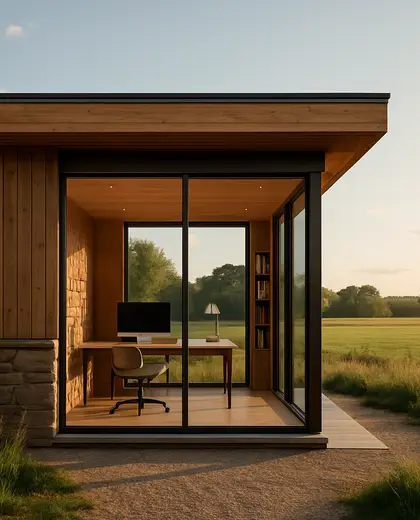
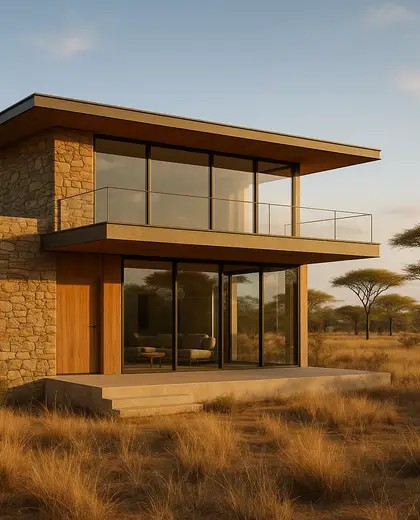
What makes a facade look contemporary?
It usually relies on simple forms, minimal trim, large glazing, and a deliberate mix of modern materials instead of decorative detailing.
— The style
What defines it
Smooth render, exposed concrete, glass, aluminum, steel, and timber are common, often combined in simple, well-detailed assemblies.
Mostly neutral and muted: white, charcoal, black, grey, and warm natural wood, sometimes with one darker accent.
Flat or low-slope roofs, large windows, slim frames, recessed entries, and landscaping with simple planting and hardscape.
— Professionals
Who has already built it



- origin architectsarchitects · 2 projectsView profile →
- mawar electrical serviceselectricians · Bengaluru · 1 projectsView profile →
- the achievers archsmart home professionals · Delhi · 1 projectsView profile →
- home interior decoratorscarpenters · Rampur · 3 projectsView profile →
— Explore
Keep exploring
— ARTICLES
Related reading
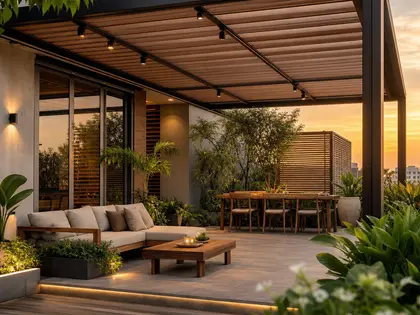
pergola planning: the smart place to begin your outdoor upgrade
A practical start-from-zero guide for planning a contemporary pergola in India, from defining use and budget to locking materials, dimensions, and approvals before work begins.
Read article →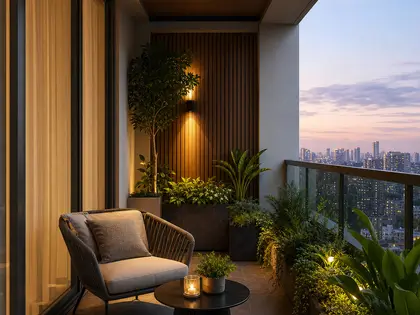
balcony planning in India: where to begin before the first tile is fixed
A practical starting guide for a balcony project in India, from listing needs and setting priorities to locking the key decisions before work begins.
Read article →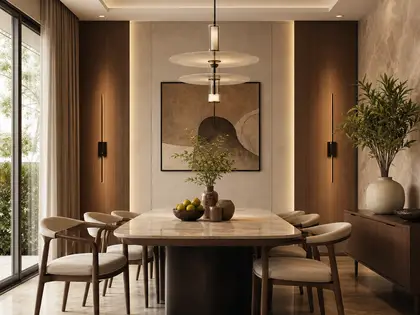
Budgeting a dining room makeover: what it really costs in India
A practical Indian budget guide for renovating a dining room, covering typical costs, smart splurges, sensible savings, and hidden expenses to watch for.
Read article →— Questions
Frequently asked questions
What makes a facade look contemporary?
It usually relies on simple forms, minimal trim, large glazing, and a deliberate mix of modern materials instead of decorative detailing.
Can a contemporary facade still feel warm?
Yes. Wood cladding, textured render, and warmer stone or brick accents can soften the look without losing the clean modern character.
Is a contemporary facade only for new houses?
No. Existing homes can be updated with new cladding, larger openings, revised window proportions, and a more restrained color palette.