— Ideas & inspiration
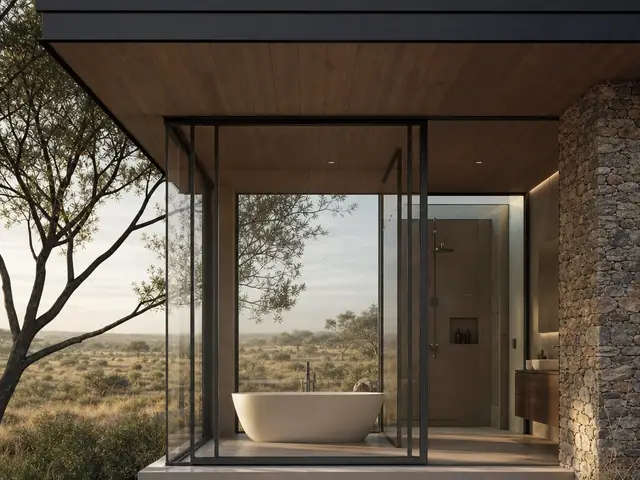
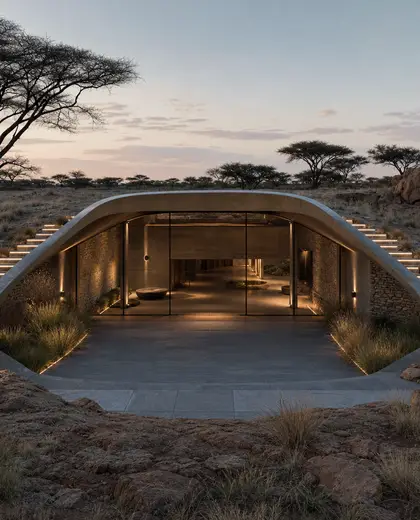
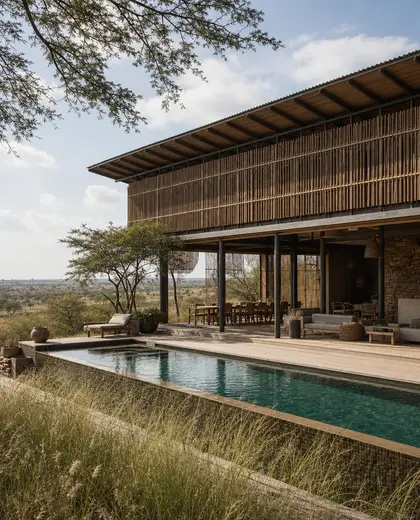
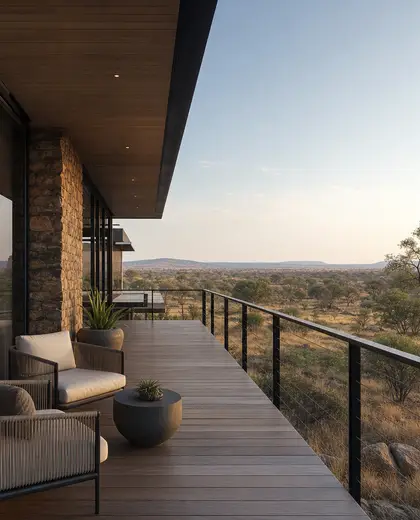
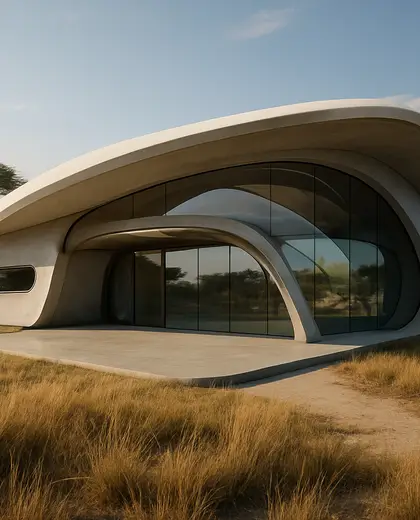
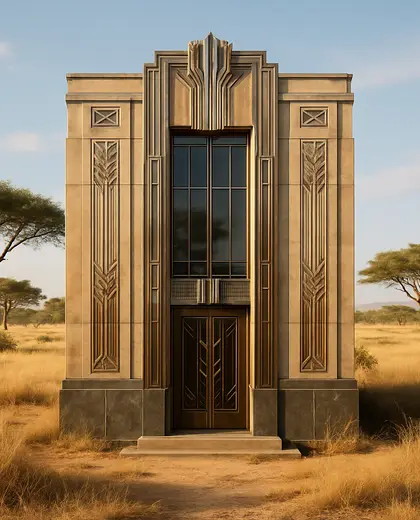
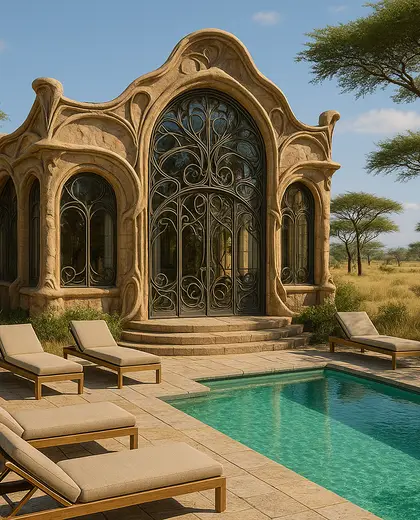
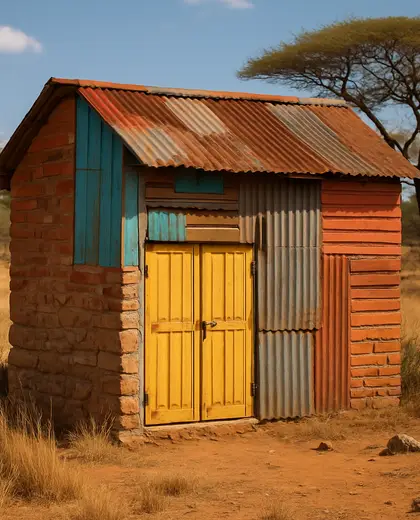
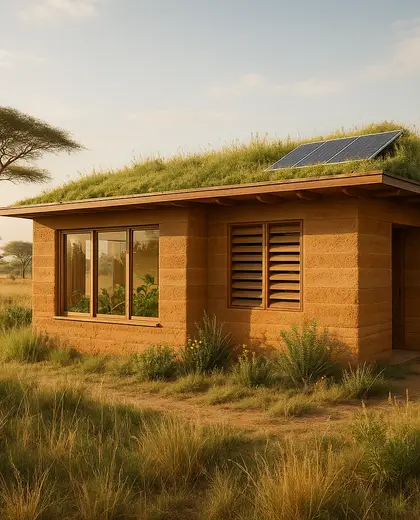
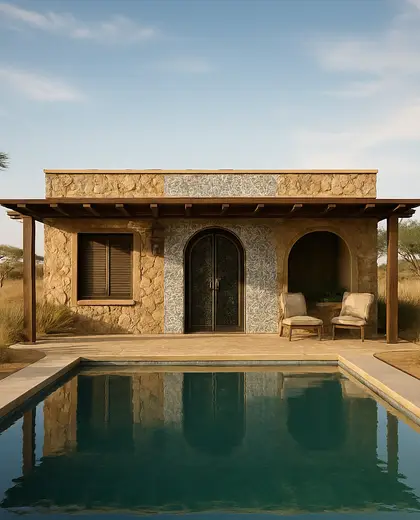
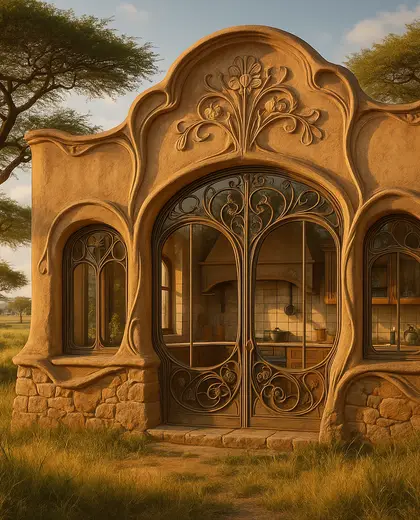
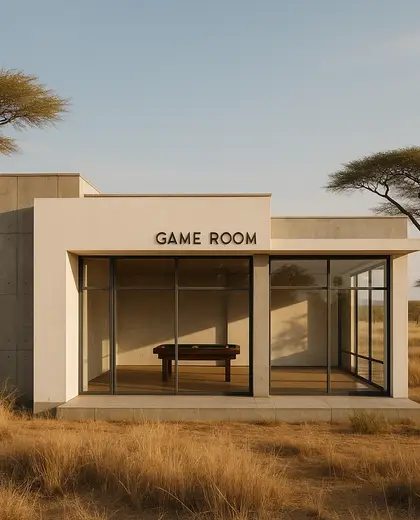
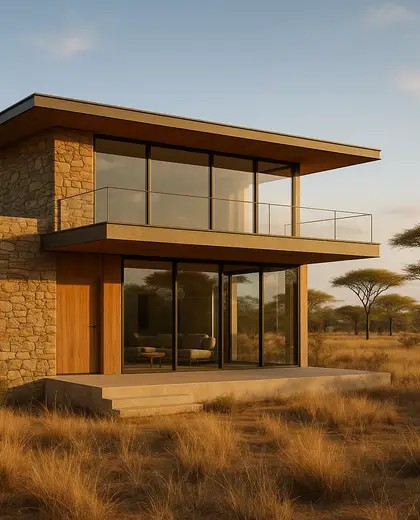
Savanna-toned facade with warm, earthy layers
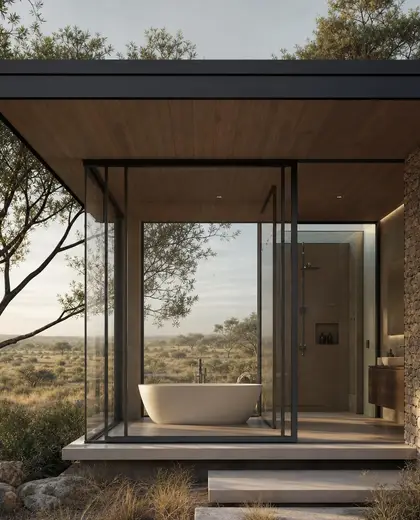
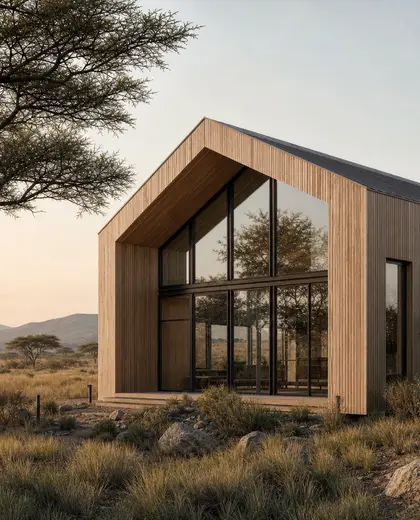
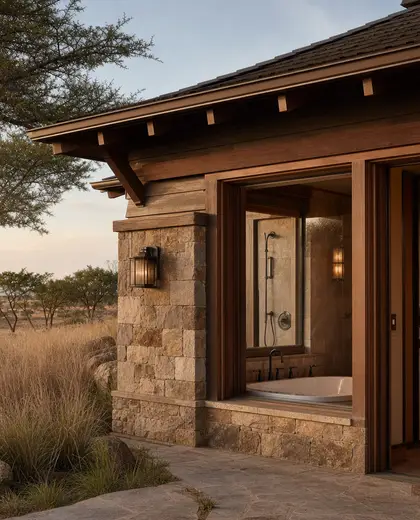
This composition pairs a facade with the dry, expansive feel of the savanna. It is usually defined by textured plaster, stone, timber, or perforated screens in sand, clay, and sun-baked brown tones, often softened with deep shade and open, breathable surfaces. The result is an exterior that feels grounded, climate-aware, and quiet rather than ornate.
- facade
- savanna
— References
References to explore
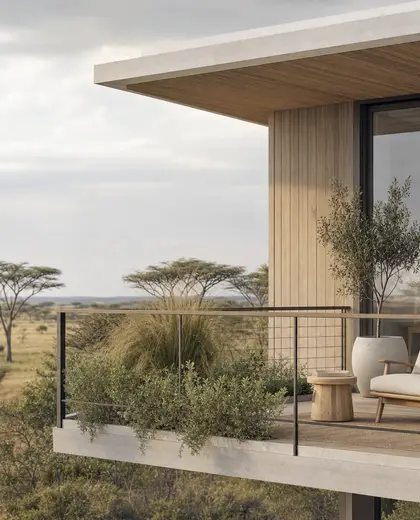
How do I make a facade feel savanna-inspired without overdoing the theme?
Use a restrained material palette and focus on texture, shadow, and warm earth tones. Subtle screening, recessed openings, and natural finishes usually do more than literal patterns or decoration.
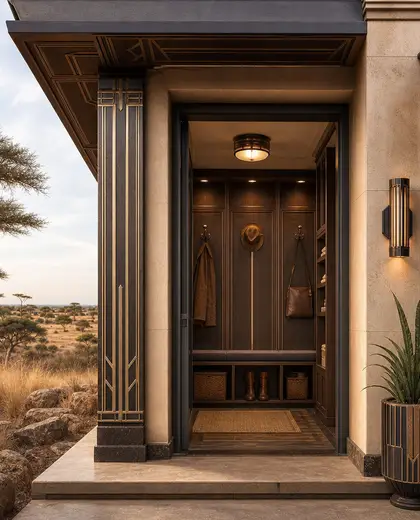
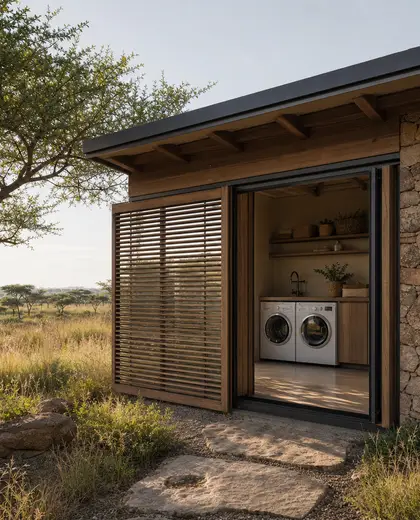
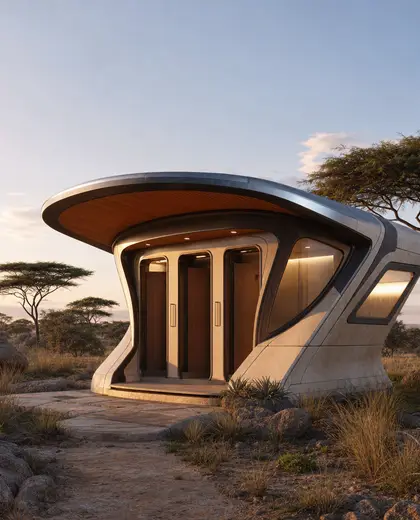
What materials work best for this look on a house exterior?
Plaster, brick, stone, timber, and powder-coated metal all work well when kept in muted finishes. The key is a matte, natural appearance rather than glossy or highly polished surfaces.
Is this style suitable for hot climates?
Yes, it often suits hot climates because it emphasizes shade, airflow, and sun-filtering layers. Deep overhangs, screens, and solid wall sections help the facade feel cooler and more comfortable.
— The style
What defines it
Textured plaster, natural stone, timber slats, metal screens, and shade structures are common.
Sand, ochre, clay, taupe, muted brown, and faded green create the savanna reference.
A clean architectural facade language shaped by light, shade, ventilation, and earthy massing.
— Professionals
Who has already built it
- arunava dattaarchitects · 6 projectsView profile →
- the achievers archsmart home professionals · Delhi · 1 projectsView profile →
- home interior decoratorscarpenters · Rampur · 3 projectsView profile →
- pavit ceramics pvt ltdceramic manufacturers · Ahmedabad · 2 projectsView profile →
— Explore
Keep exploring
— Questions
Frequently asked questions
How do I make a facade feel savanna-inspired without overdoing the theme?
Use a restrained material palette and focus on texture, shadow, and warm earth tones. Subtle screening, recessed openings, and natural finishes usually do more than literal patterns or decoration.
What materials work best for this look on a house exterior?
Plaster, brick, stone, timber, and powder-coated metal all work well when kept in muted finishes. The key is a matte, natural appearance rather than glossy or highly polished surfaces.
Is this style suitable for hot climates?
Yes, it often suits hot climates because it emphasizes shade, airflow, and sun-filtering layers. Deep overhangs, screens, and solid wall sections help the facade feel cooler and more comfortable.