— Ideas & inspiration
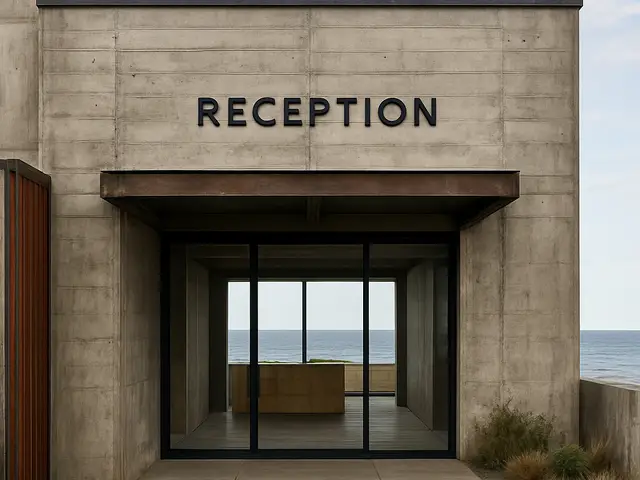
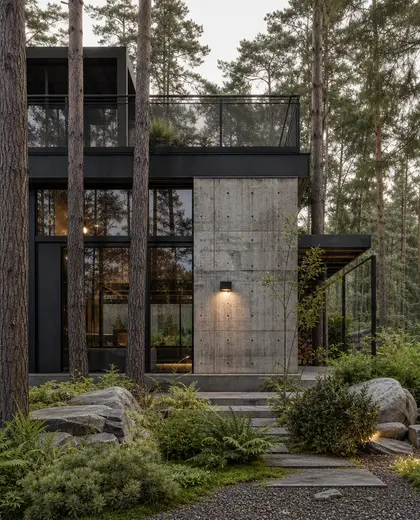
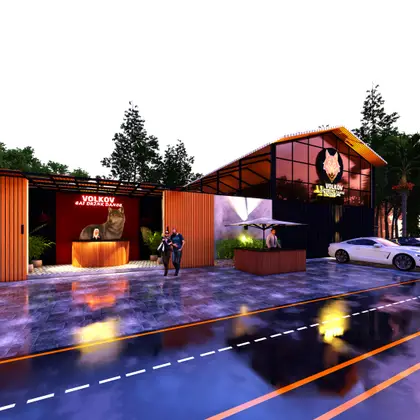
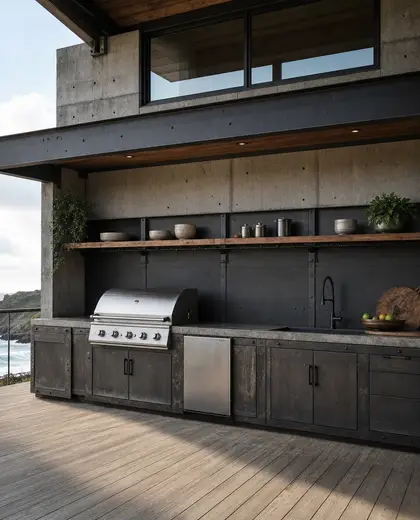
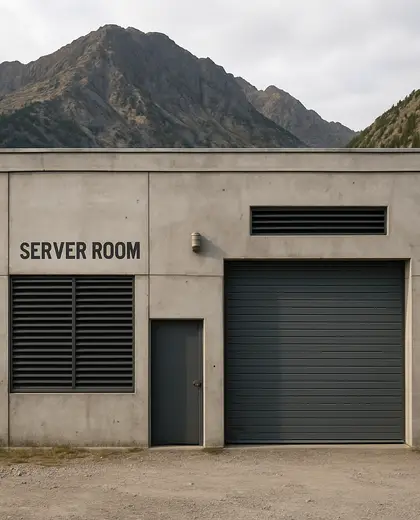
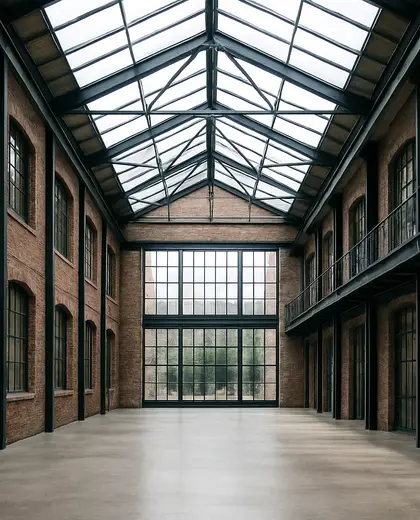
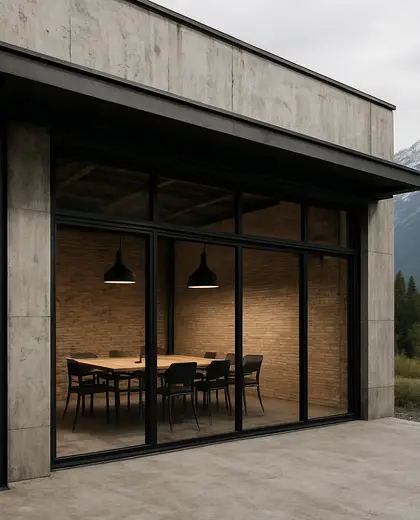
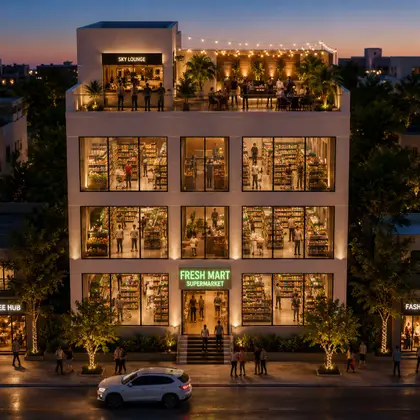
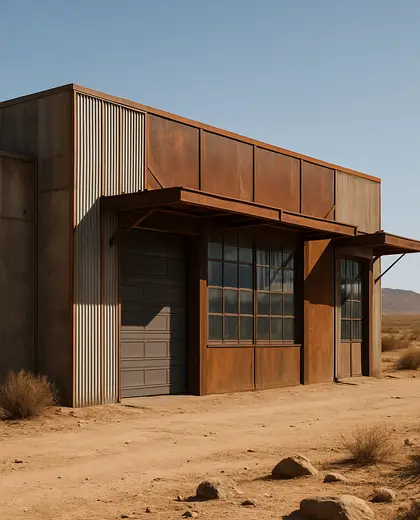
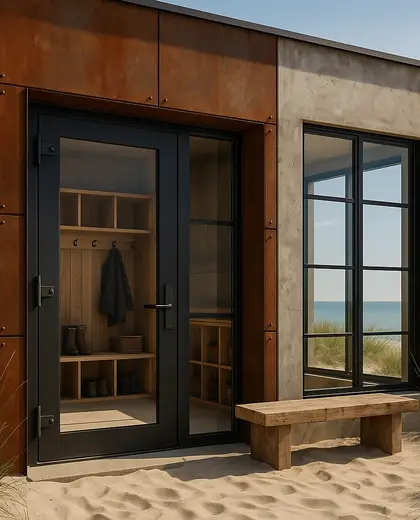
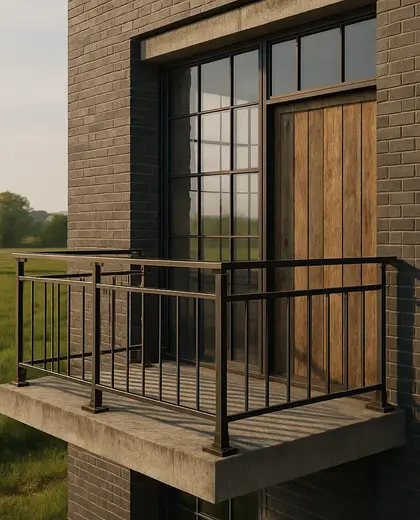
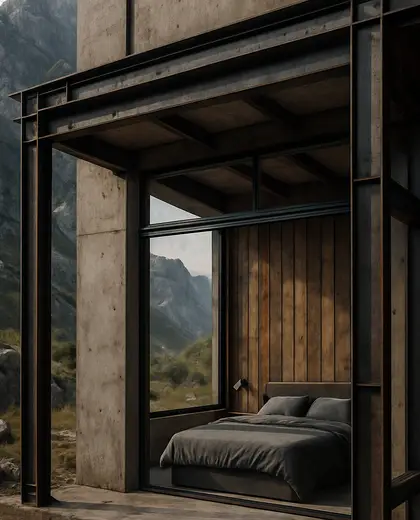
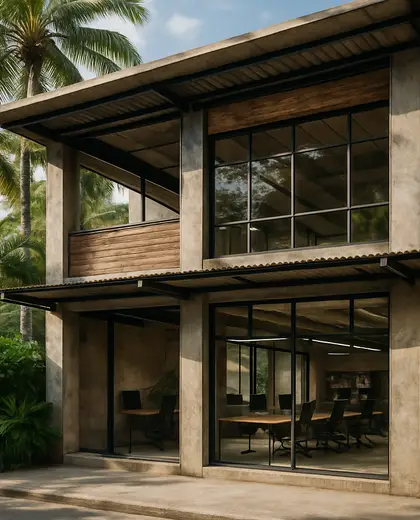
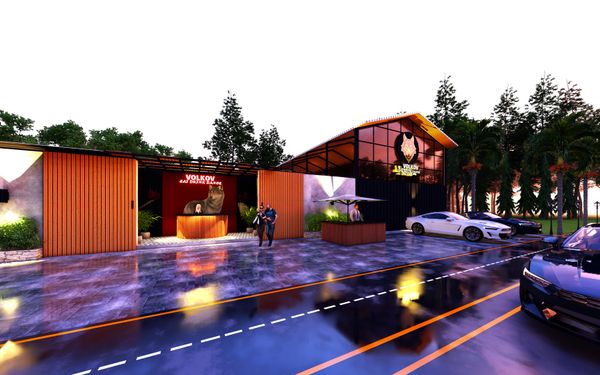
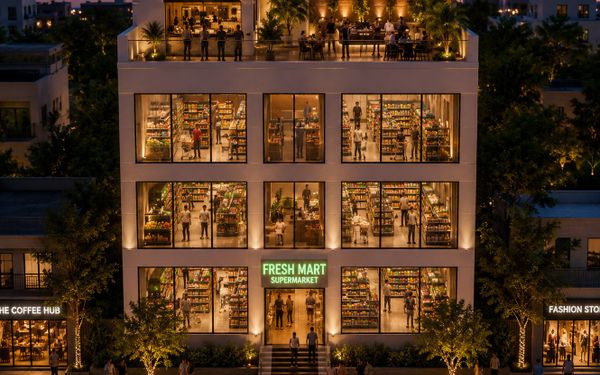
Industrial facade with a refined architectural edge
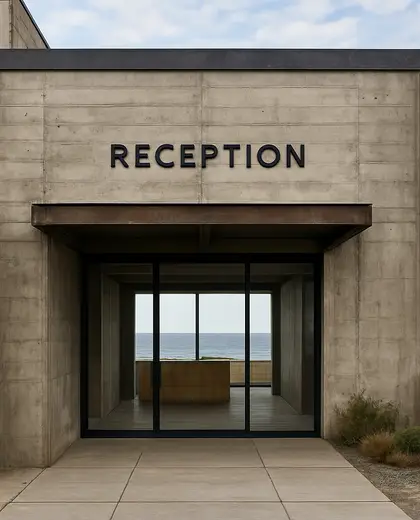
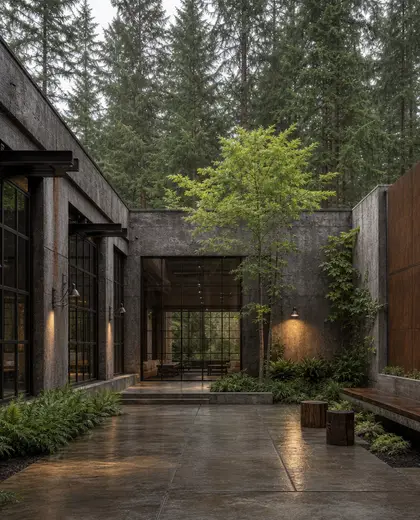
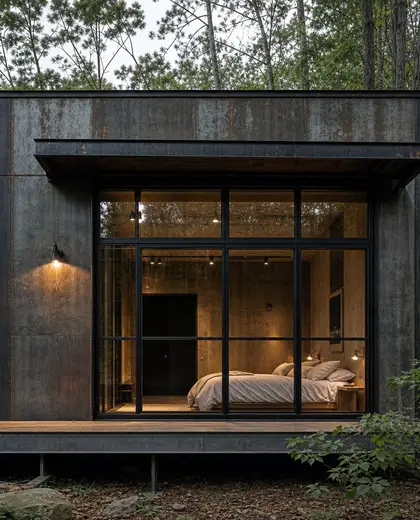
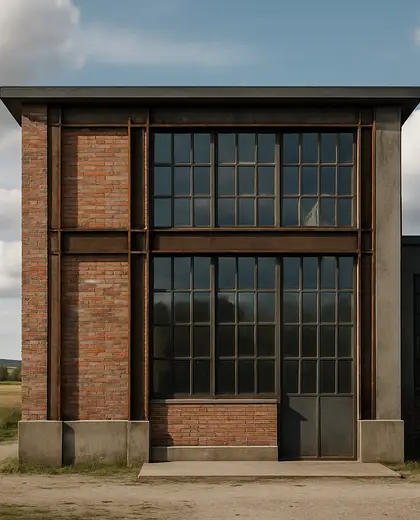
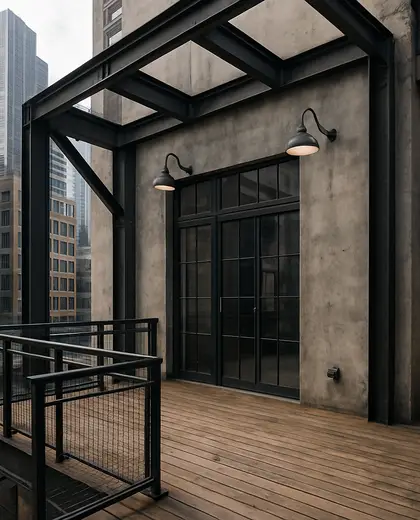
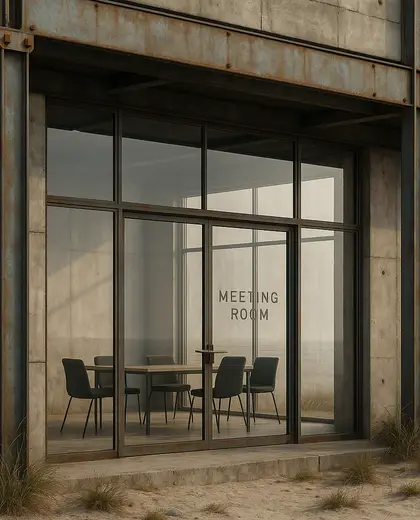
This composition is defined by exposed structure, metal detailing, and large planar surfaces that keep the exterior honest and durable. Common materials include steel, concrete, brick, and dark-framed glazing, often arranged in a disciplined grid. The palette leans toward charcoal, black, grey, rust, and weathered neutrals.
- facade
- industrial
— References
References to explore
What makes a facade feel industrial?
It usually relies on visible construction logic, such as steel frames, large windows, brick or concrete surfaces, and little decorative trim.
Can an industrial facade still feel warm?
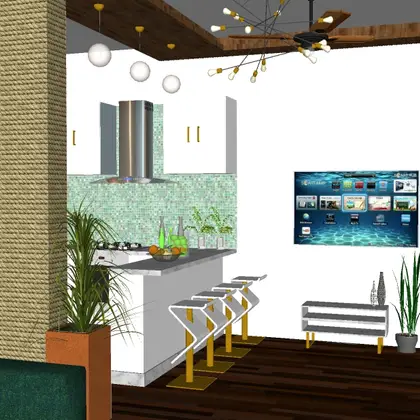
Yes. Wood accents, warmer brick tones, softer lighting, and textured masonry can balance the harder materials.
— The style
What defines it
Steel, concrete, brick, corrugated metal, and dark glazing are the most common components.
Typically muted and grounded: charcoal, black, graphite, rust, and warm grey with little ornament.
Works well with minimal massing, loft-like openings, raw textures, and exposed structural lines.
— Professionals
Who has already built it



- the achievers archsmart home professionals · Delhi · 1 projectsView profile →
- home interior decoratorscarpenters · Rampur · 3 projectsView profile →
- pavit ceramics pvt ltdceramic manufacturers · Ahmedabad · 2 projectsView profile →
- Bristolfurniture sellers · Bangalore · 6 projectsView profile →
— Explore
Keep exploring
— ARTICLES
Related reading
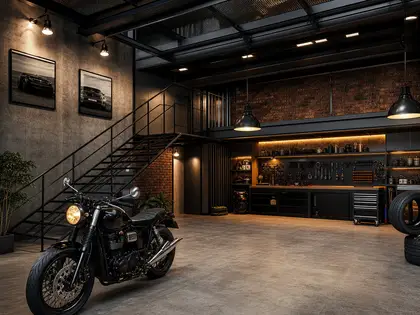
garage renovation budget guide: what it really costs in India
A practical India-focused budget guide for renovating a garage, covering realistic cost bands, smart spending choices, hidden expenses, and where industrial detailing makes sense.
Read article →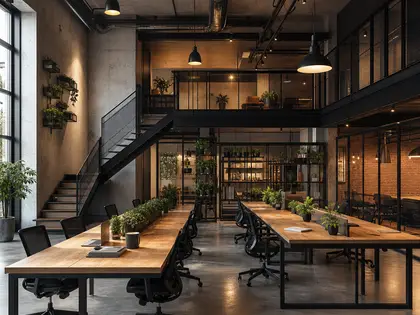
Industrial coworking space: how to get the look right
A practical style guide to create an industrial coworking space with exposed finishes, durable materials, smart lighting and functional work zones that feel productive, urban and professional.
Read article →— Questions
Frequently asked questions
What makes a facade feel industrial?
It usually relies on visible construction logic, such as steel frames, large windows, brick or concrete surfaces, and little decorative trim.
Can an industrial facade still feel warm?
Yes. Wood accents, warmer brick tones, softer lighting, and textured masonry can balance the harder materials.
Is this style suitable for a house as well as a commercial building?
Yes. It can be adapted to homes, especially when the scale is softened and the openings are arranged to suit residential privacy and daylight needs.