— Ideas & inspiration
Sustainable composition
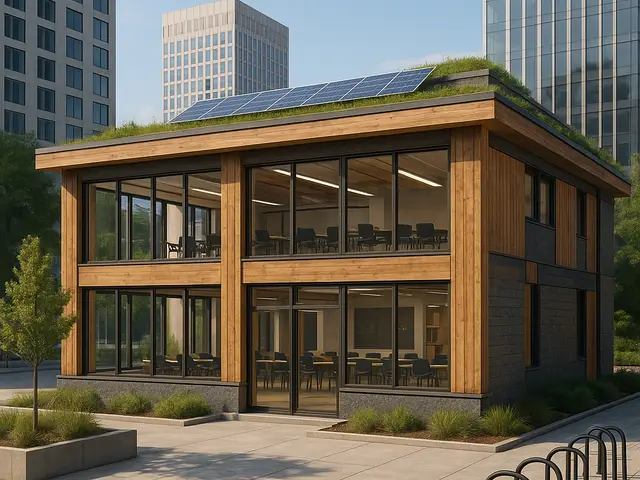
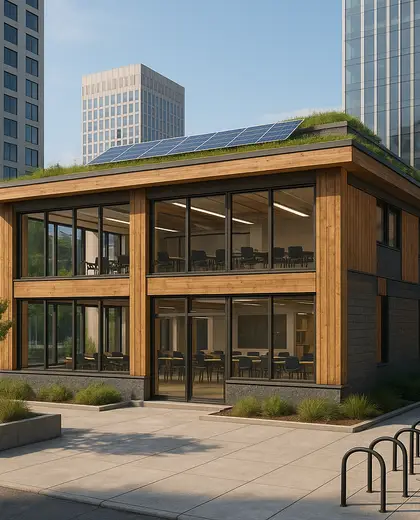
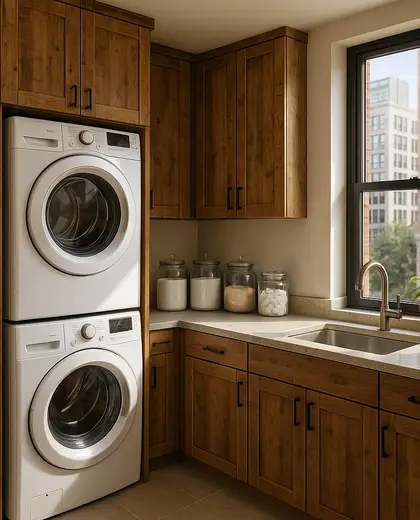
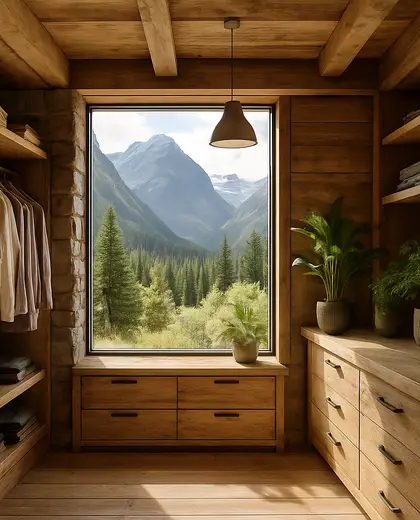
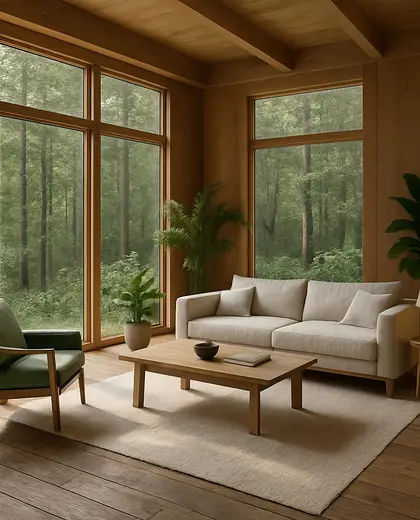
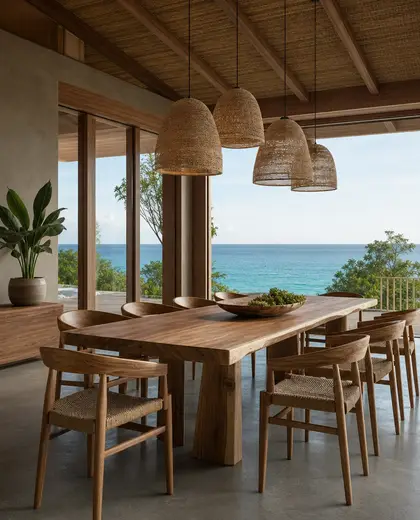
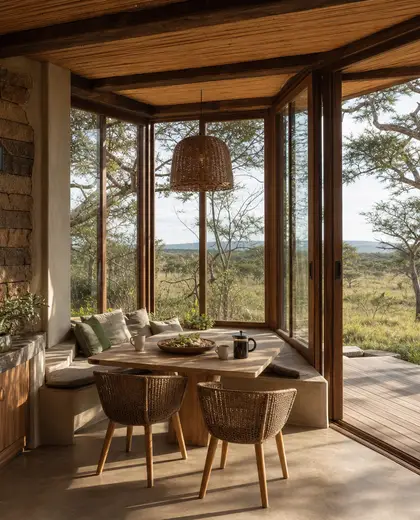
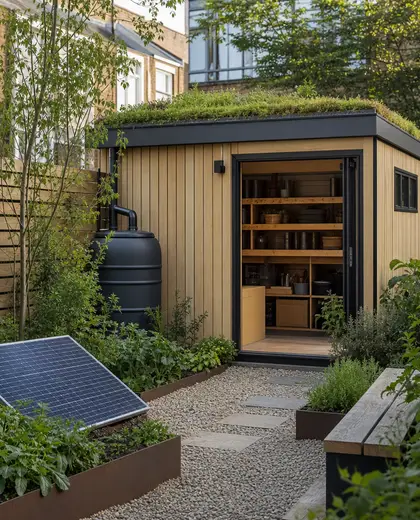
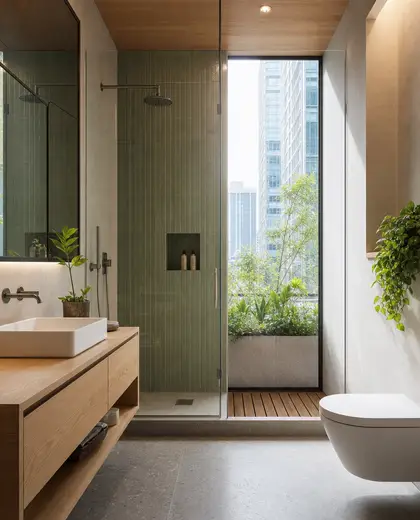
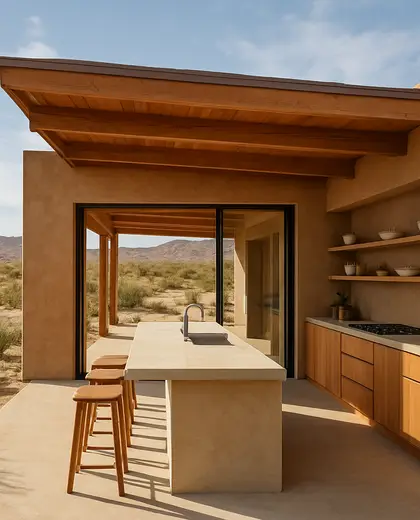
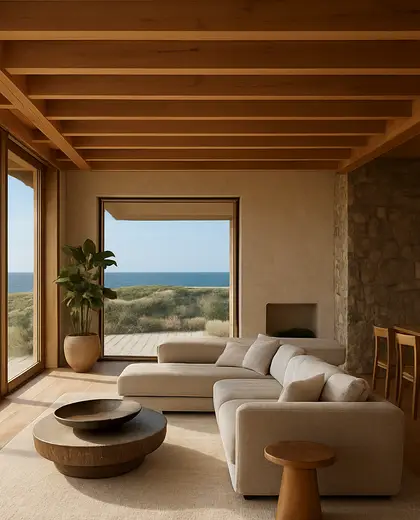
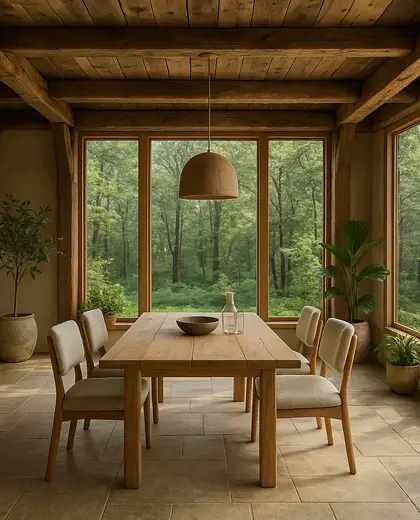
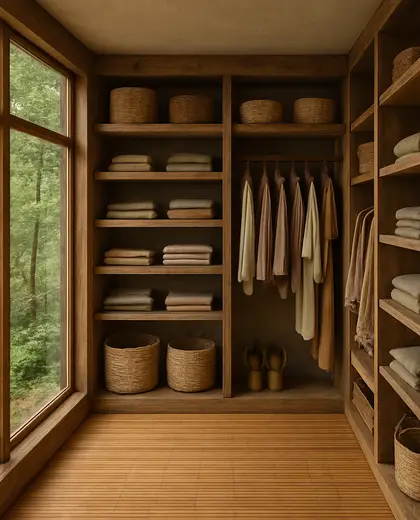
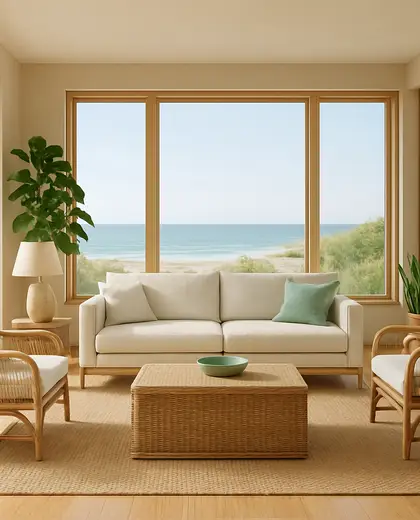
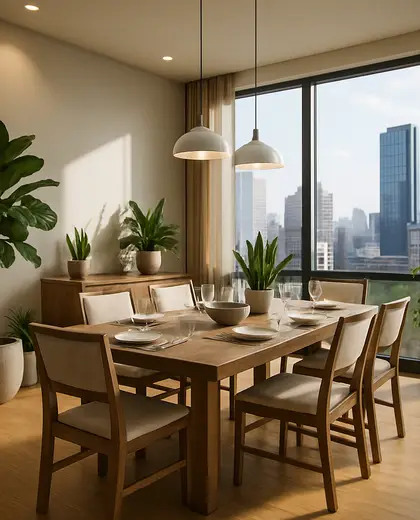
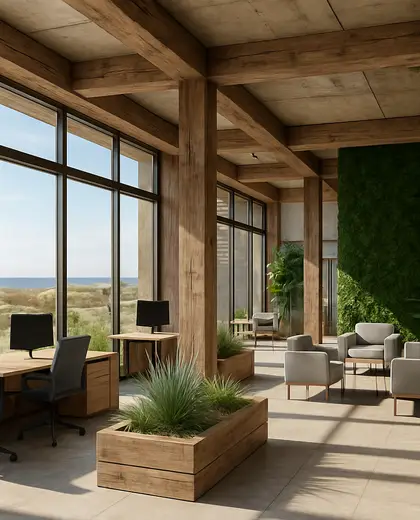
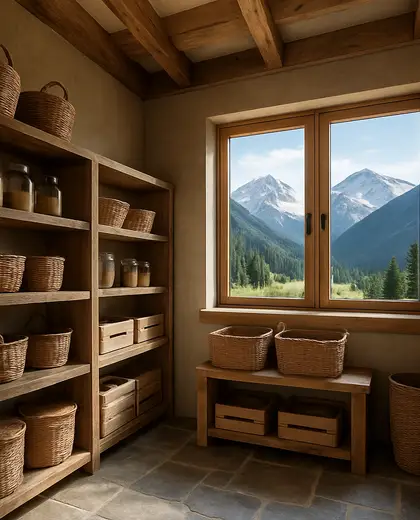
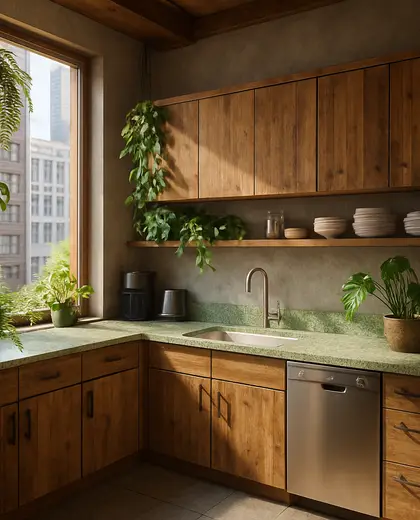
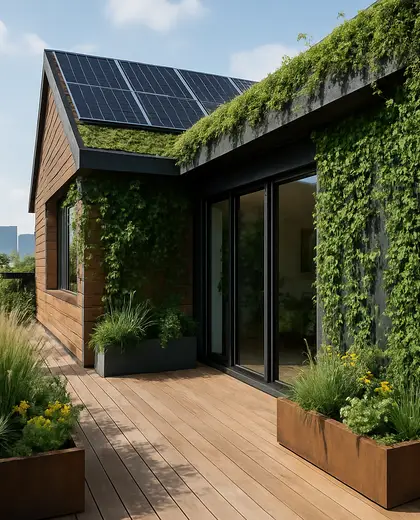
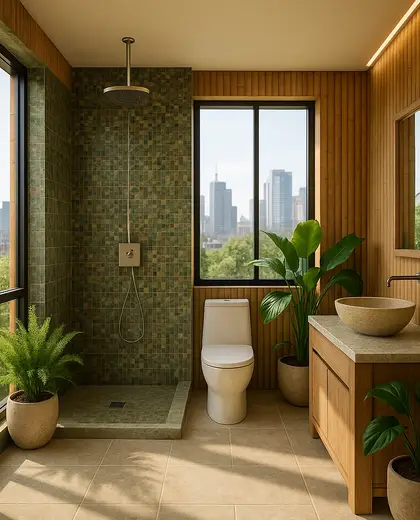
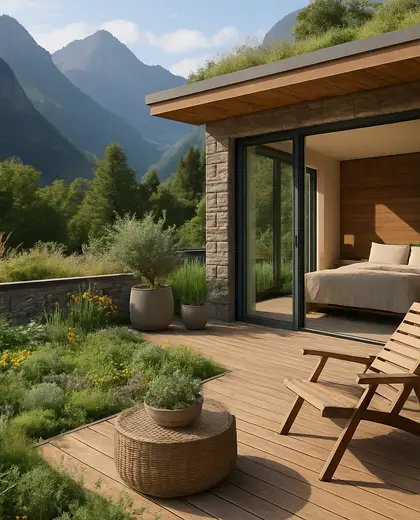
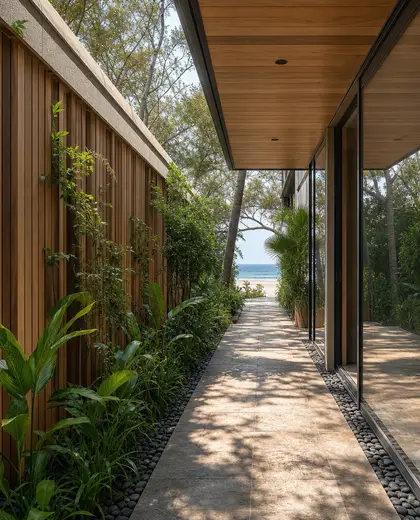
A sustainable composition is defined by low-impact materials, efficient detailing, and a restrained, durable palette. It typically uses timber, recycled content, natural stone, lime plaster, reclaimed finishes, and high-performance glazing, with forms that support daylight, ventilation, and energy efficiency. The overall look is calm and practical, with fewer decorative layers and more emphasis on longevity and repairability.
- sustainable
— References
References to explore




What makes a home composition sustainable?
It combines lower-impact materials with energy-conscious design, durable finishes, and details that reduce waste over time. Good insulation, natural light, ventilation, and repairable assemblies are part of the composition.
Does sustainable mean the home has to look rustic?
No. It can look very refined and modern. The style is usually quieter and more honest in its material choices, but it can be paired with clean lines or contemporary forms.

Can I use sustainable materials in only part of the house?
Yes. Many homeowners start with the most visible or high-impact areas, such as flooring, wall finishes, cabinetry, or windows. The composition can still feel coherent if the palette and detailing stay consistent.
— The style
What defines it
Timber, reclaimed wood, recycled metal, cork, linoleum, stone, lime plaster, and low-VOC finishes are common choices.
Earthy neutrals, greens, warm greys, sand, and muted timber tones keep the composition grounded and natural.
Works well with minimalist, biophilic, Scandinavian, and contemporary interiors, especially where daylight and indoor-outdoor connection matter.
— Professionals
Who has already built it




- mawar electrical serviceselectricians · Bengaluru · 1 projectsView profile →
- the achievers archsmart home professionals · Delhi · 1 projectsView profile →
- home interior decoratorscarpenters · Rampur · 3 projectsView profile →
- pavit ceramics pvt ltdceramic manufacturers · Ahmedabad · 2 projectsView profile →
— Explore
Keep exploring
— ARTICLES
Related reading
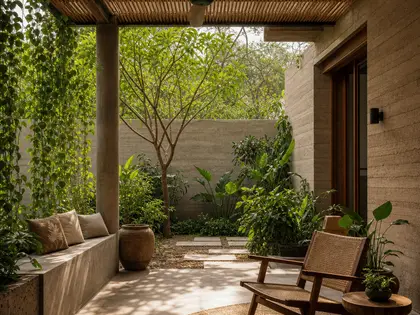
5 practical patio tips for a cooler, easier outdoor space
Simple, India-friendly patio ideas to make your outdoor area cooler, cleaner and more usable through the year.
Read article →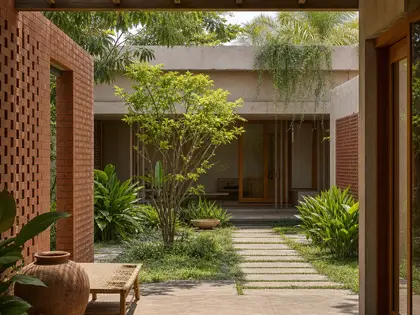
5 courtyard mistakes that spoil a beautiful outdoor room
Avoid the most common courtyard planning errors with practical, India-friendly tips for shade, drainage, paving, planting and low-maintenance comfort.
Read article →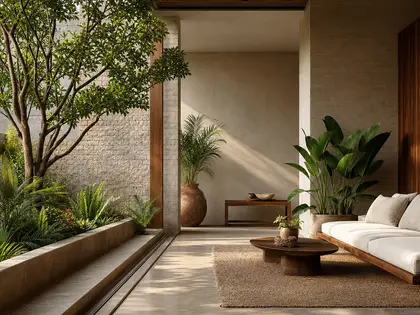
edging planning: where to begin for a cleaner, smarter landscape
A practical, India-ready starting guide for planning edging in gardens, driveways and outdoor spaces, from priorities and timelines to the key decisions that must be fixed before work begins.
Read article →— Questions
Frequently asked questions
What makes a home composition sustainable?
It combines lower-impact materials with energy-conscious design, durable finishes, and details that reduce waste over time. Good insulation, natural light, ventilation, and repairable assemblies are part of the composition.
Does sustainable mean the home has to look rustic?
No. It can look very refined and modern. The style is usually quieter and more honest in its material choices, but it can be paired with clean lines or contemporary forms.
Can I use sustainable materials in only part of the house?
Yes. Many homeowners start with the most visible or high-impact areas, such as flooring, wall finishes, cabinetry, or windows. The composition can still feel coherent if the palette and detailing stay consistent.