— Ideas & inspiration
Sustainable alpine architecture in clear, low-impact forms
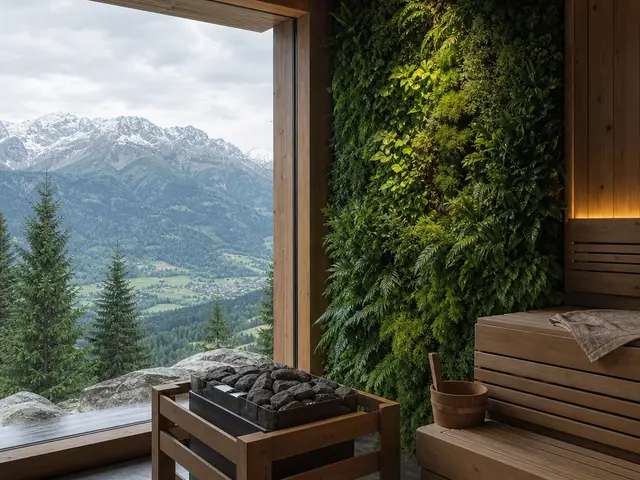
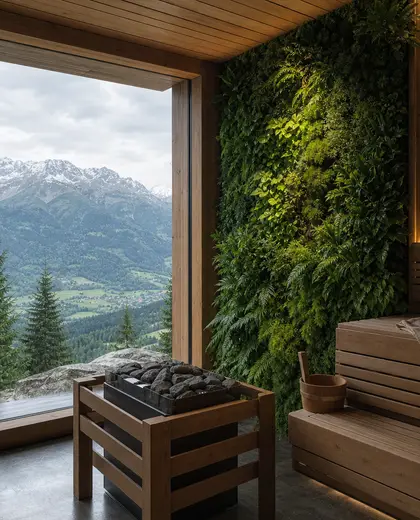
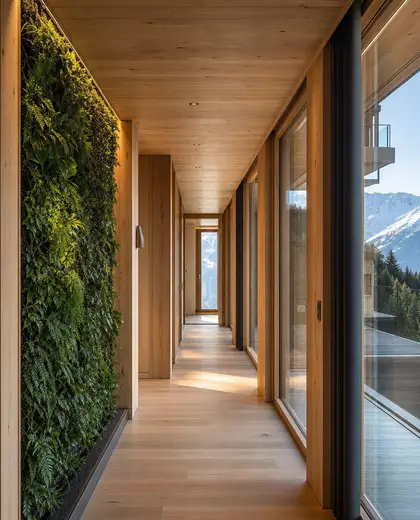
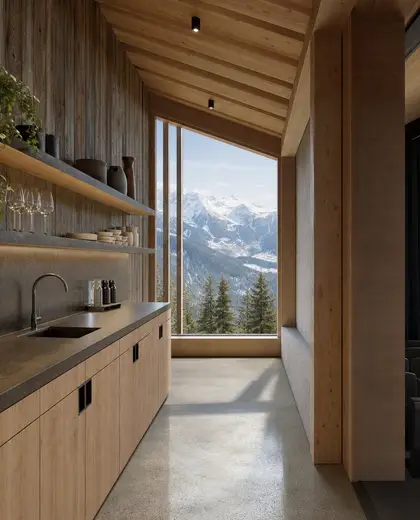
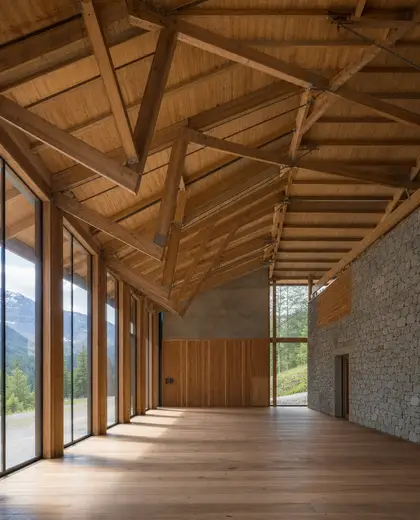
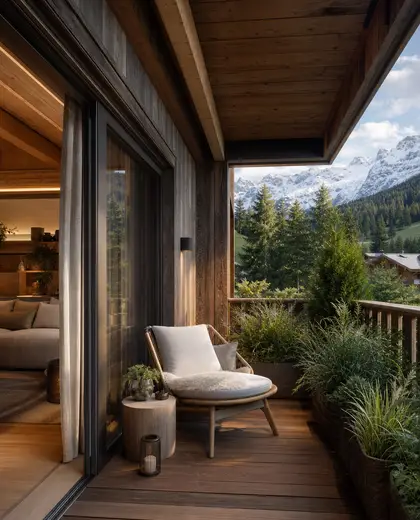
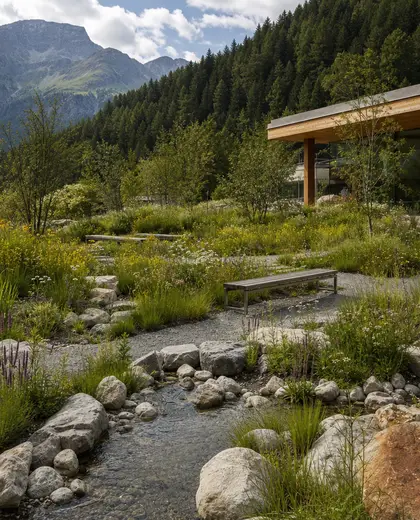
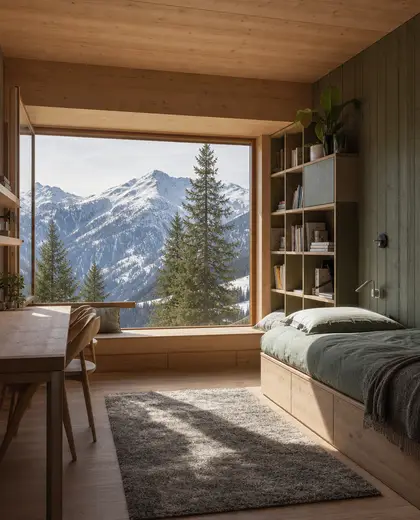
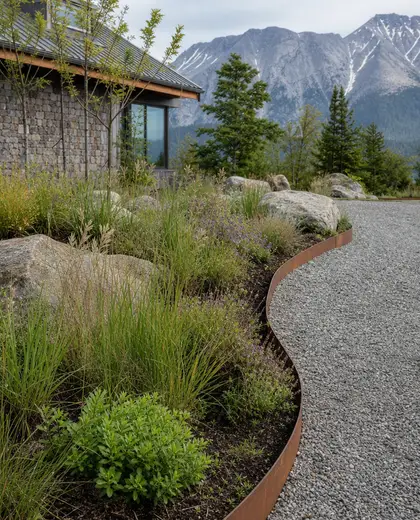
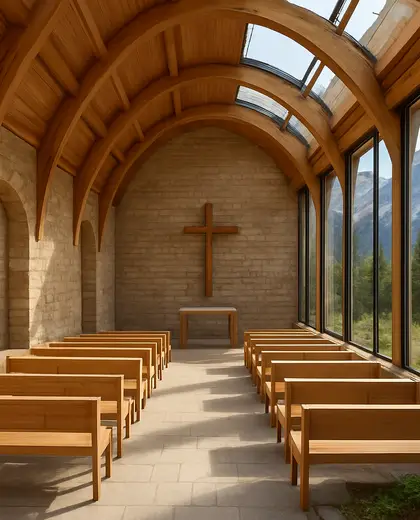
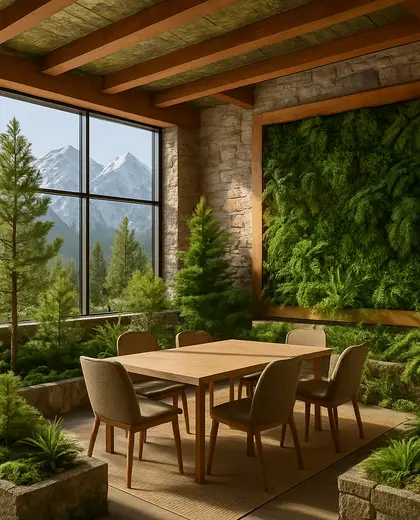
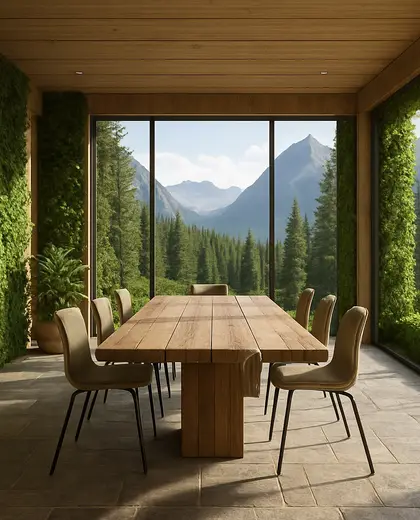
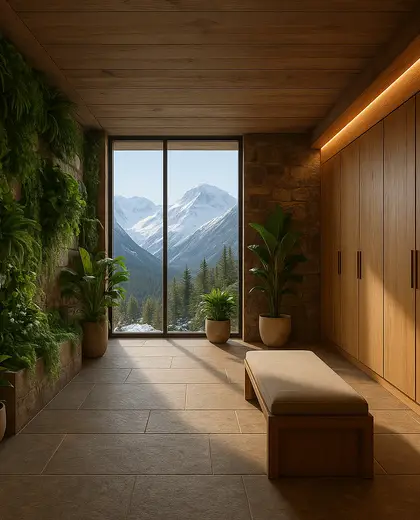
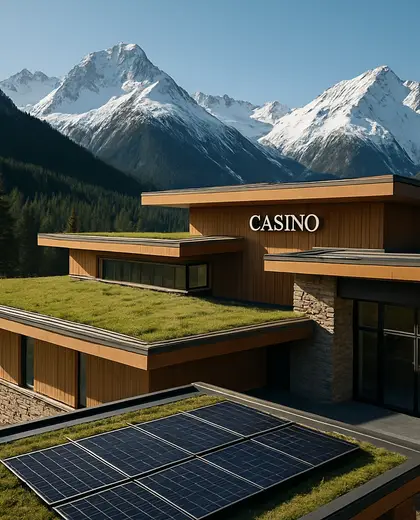
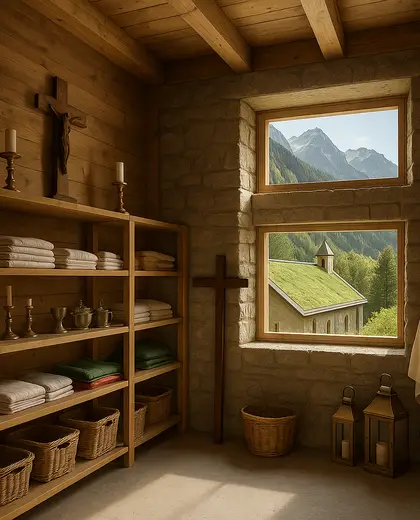
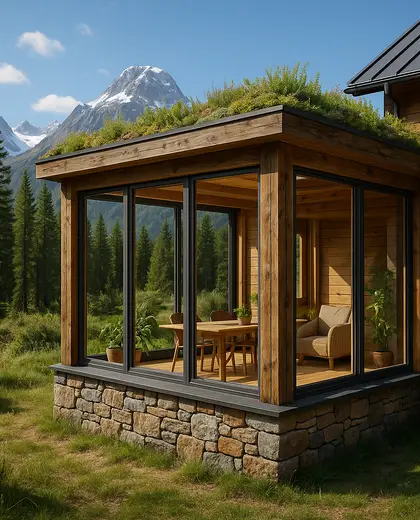
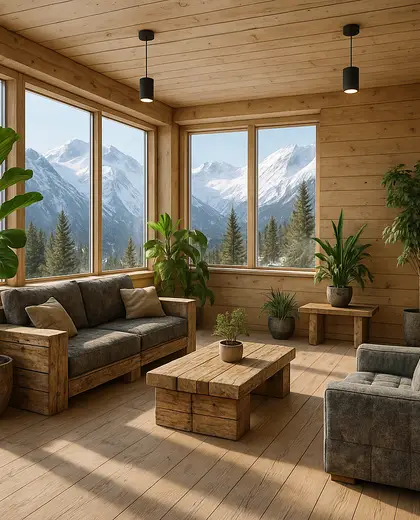
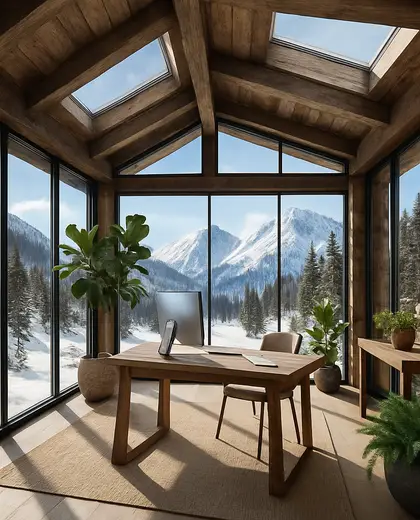
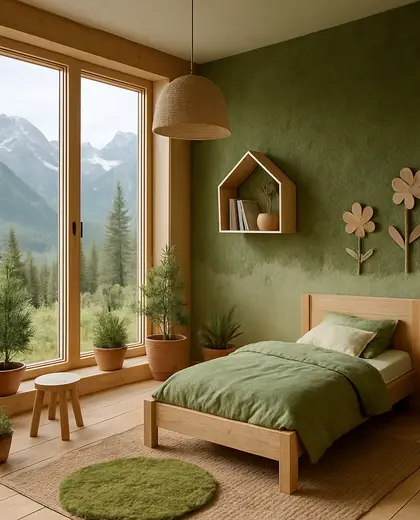
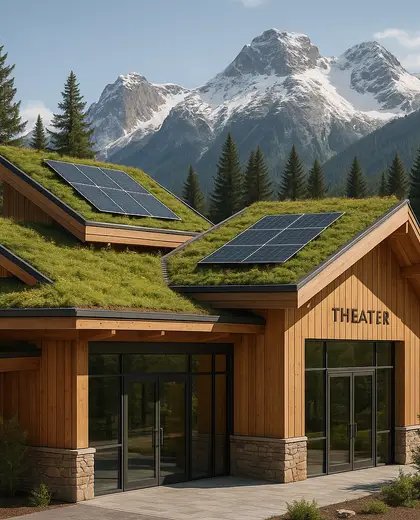
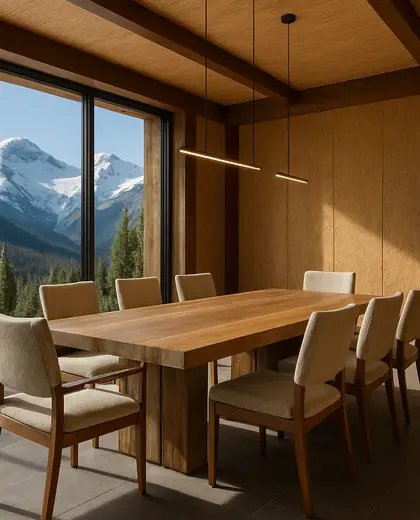
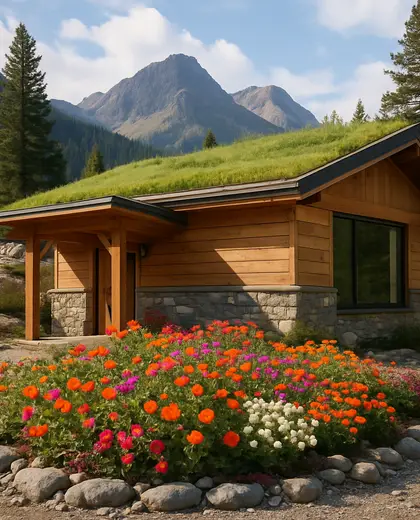
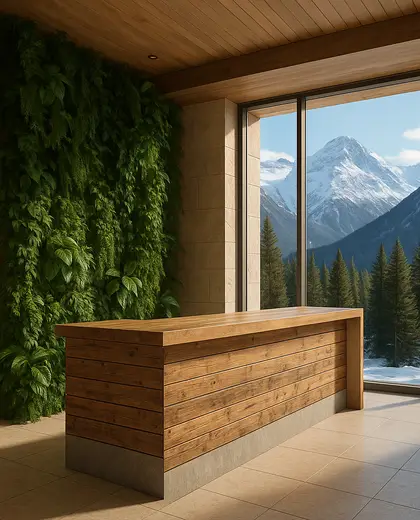
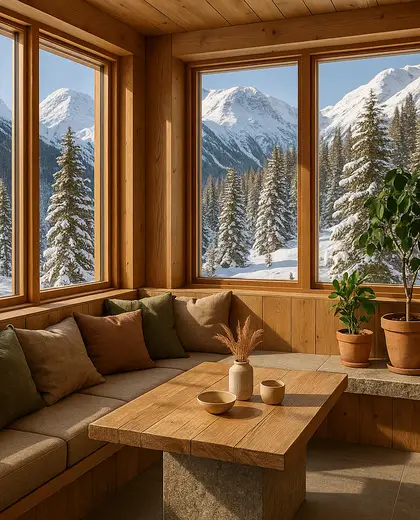
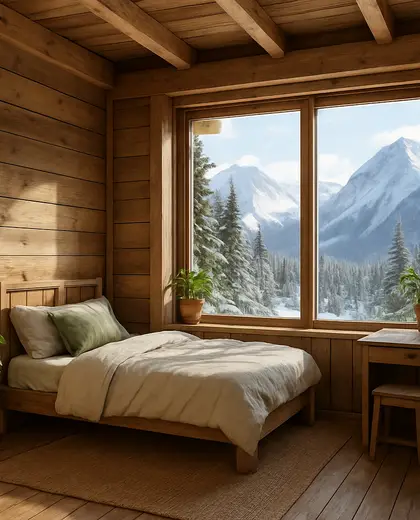
This composition pairs alpine building traditions with low-impact construction, often using timber, stone, lime plaster, and high-performance insulation. The palette is usually muted and natural: weathered wood, grey stone, off-white plaster, and dark metal details that hold up in mountain climates. Steep roofs, deep eaves, compact volumes, and generous openings for views and daylight define the look.
- sustainable
- alpine
— References
References to explore
Can an alpine house still be energy efficient?
Yes. Good insulation, airtight construction, efficient glazing, and careful orientation are key parts of the design.
Does sustainable alpine design always look rustic?
No. It can be rustic, but it can also feel modern with clean lines, larger openings, and restrained detailing.
What should I prioritize if I want this style?
Start with the site, climate, and material choices. After that, shape and detailing should support snow, weather, daylight, and long-term durability.
— The style
What defines it
Locally sourced timber, stone, recycled metals, lime-based finishes, and high-performance glazing.
Soft greys, warm wood tones, off-white mineral surfaces, charcoal accents, and weathered natural textures.
Alpine forms, compact massing, deep eaves, thermal performance, and a strong connection to the landscape.
— Professionals
Who has already built it


- Bristolfurniture sellers · Bangalore · 6 projectsView profile →
- FurnitureRootsfurniture makers · Jodhpur · 6 projectsView profile →
- Bakajoiners · Chennai · 5 projectsView profile →
- Natural Veneersbuilding material distributors · Mumbai · 4 projectsView profile →
— Explore
Keep exploring
— ARTICLES
Related reading
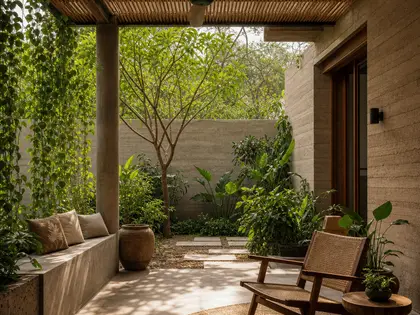
5 practical patio tips for a cooler, easier outdoor space
Simple, India-friendly patio ideas to make your outdoor area cooler, cleaner and more usable through the year.
Read article →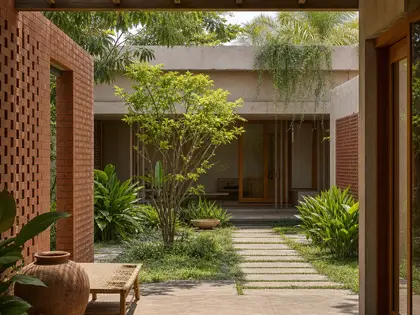
5 courtyard mistakes that spoil a beautiful outdoor room
Avoid the most common courtyard planning errors with practical, India-friendly tips for shade, drainage, paving, planting and low-maintenance comfort.
Read article →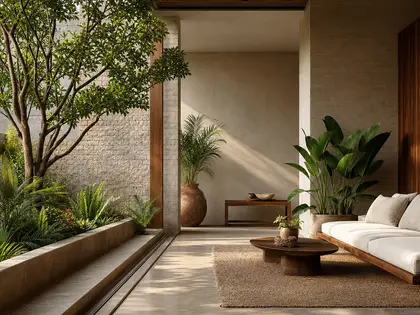
edging planning: where to begin for a cleaner, smarter landscape
A practical, India-ready starting guide for planning edging in gardens, driveways and outdoor spaces, from priorities and timelines to the key decisions that must be fixed before work begins.
Read article →— Questions
Frequently asked questions
Can an alpine house still be energy efficient?
Yes. Good insulation, airtight construction, efficient glazing, and careful orientation are key parts of the design.
Does sustainable alpine design always look rustic?
No. It can be rustic, but it can also feel modern with clean lines, larger openings, and restrained detailing.
What should I prioritize if I want this style?
Start with the site, climate, and material choices. After that, shape and detailing should support snow, weather, daylight, and long-term durability.