— Ideas & inspiration
Sustainable architecture in the forest
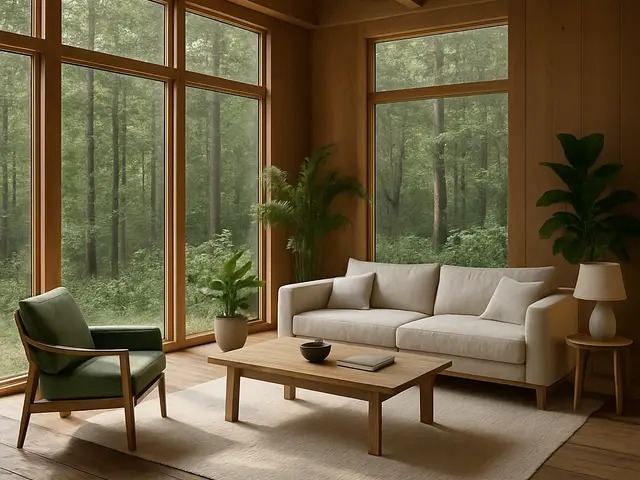
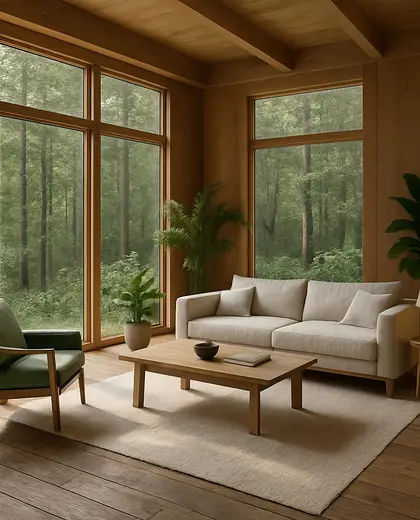
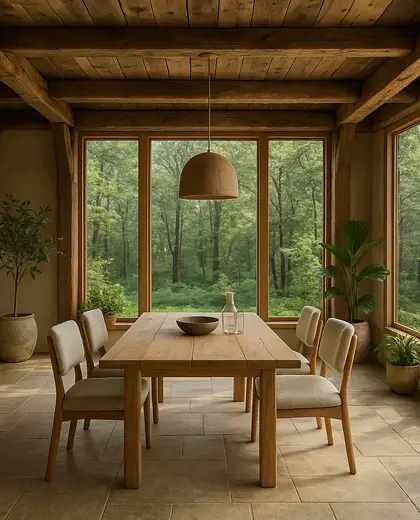
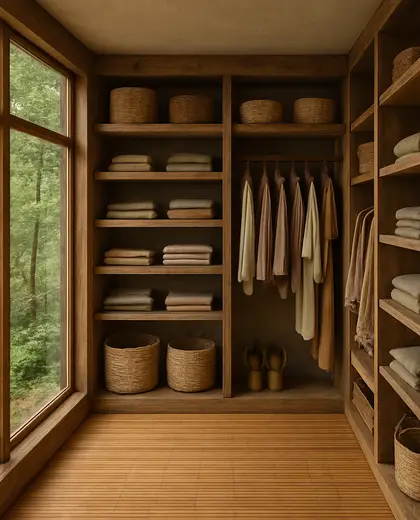
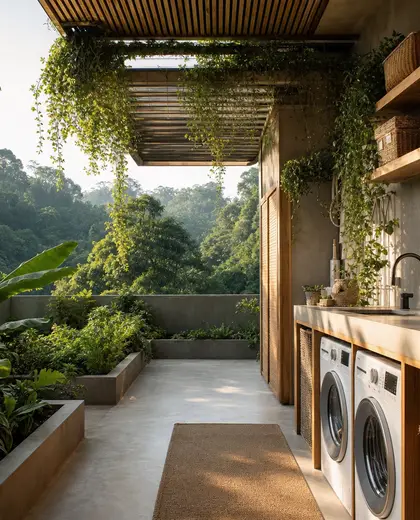
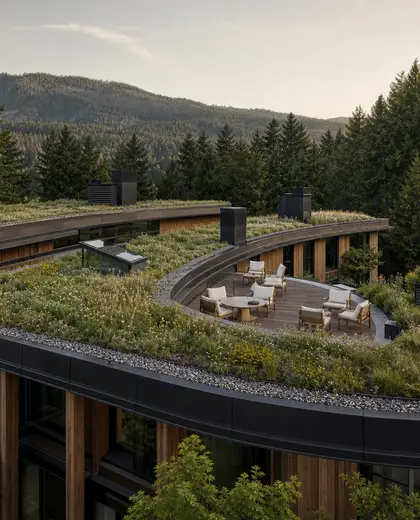
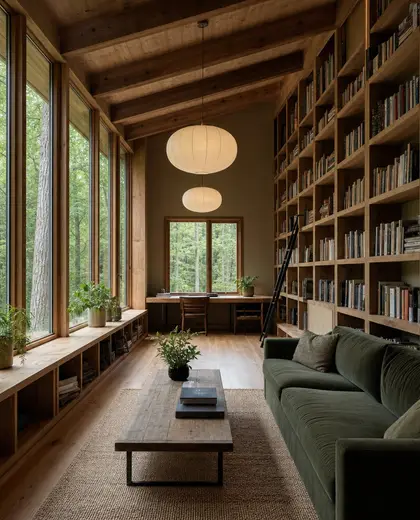
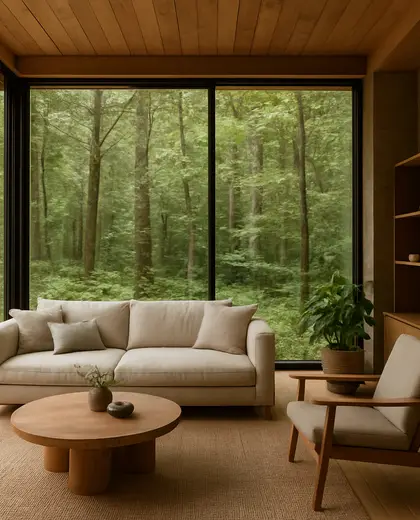
This composition is defined by low-impact structures set into a wooded site with timber, stone, and other renewable or recycled materials. The palette stays rooted in greens, browns, moss, charcoal, and weathered natural finishes, often with large openings that frame the trees and bring daylight deep inside. Details are usually simple and restrained, with green roofs, elevated decks, and deep overhangs helping the building sit quietly among the landscape.
- sustainable
- forest
— References
References to explore

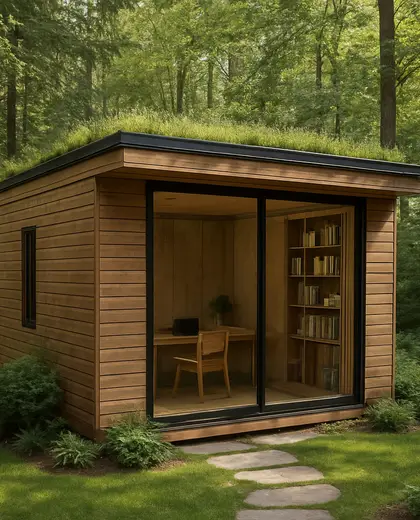

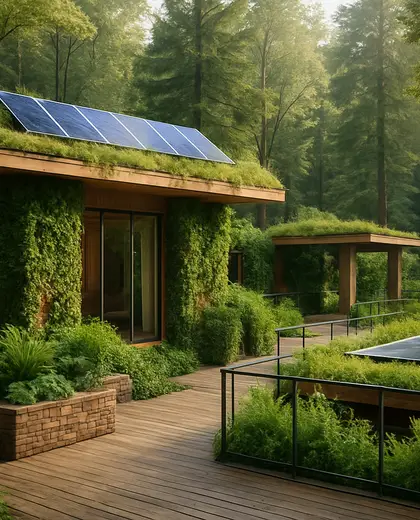
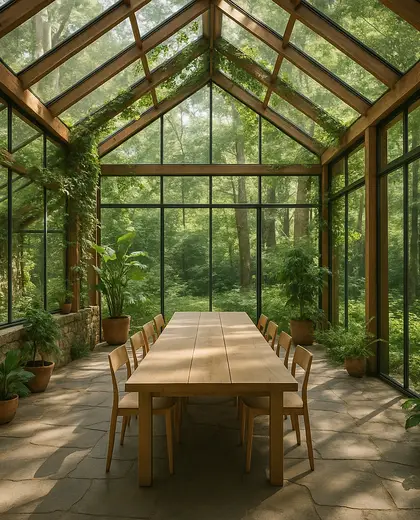
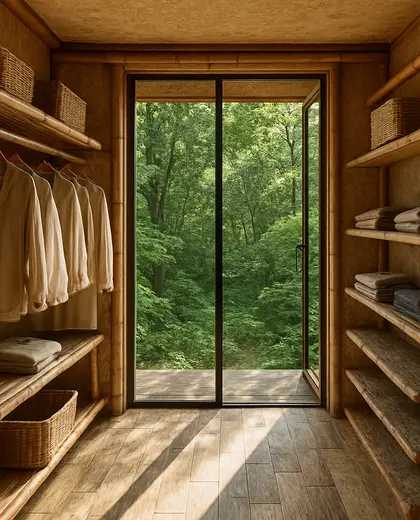
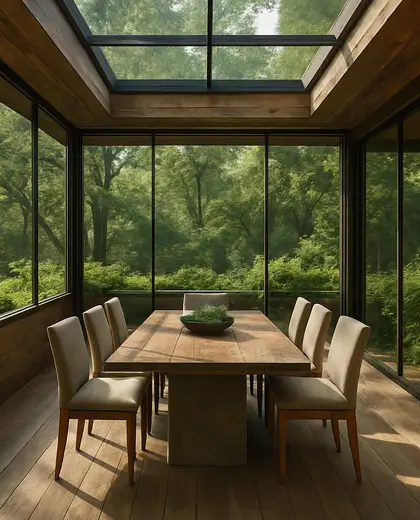
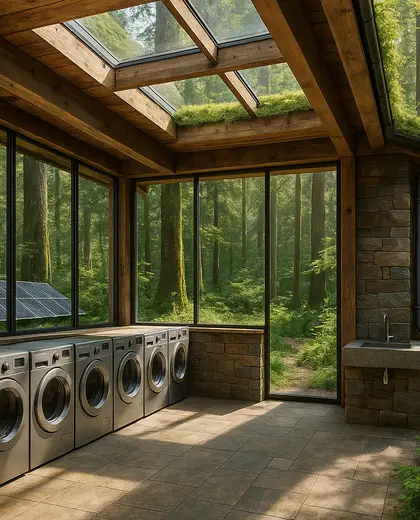
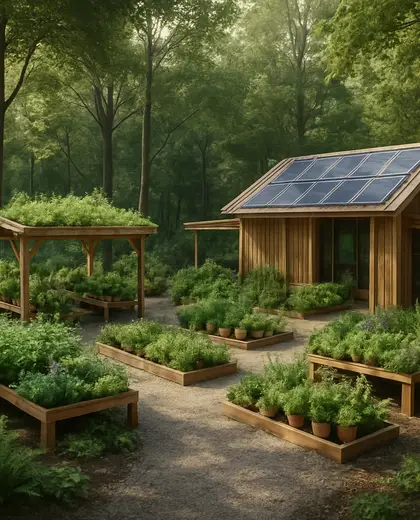
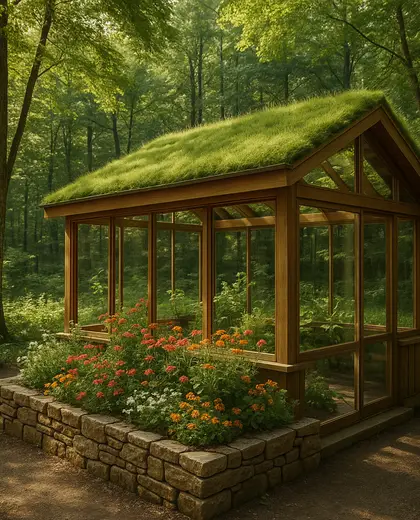
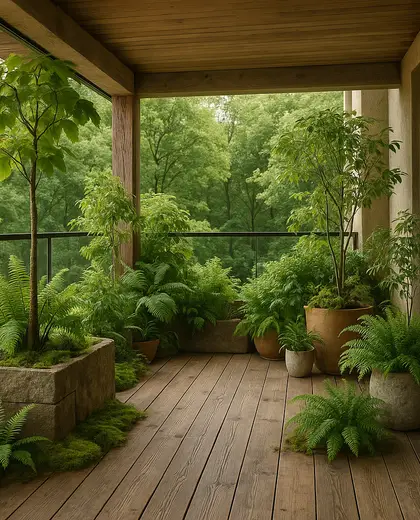
Will a sustainable forest-style home need to be all wood?
No. Wood is common, but it is often balanced with stone, metal, and glass for durability and weather protection.
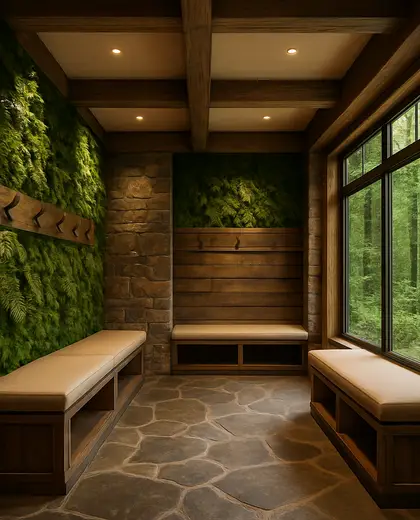
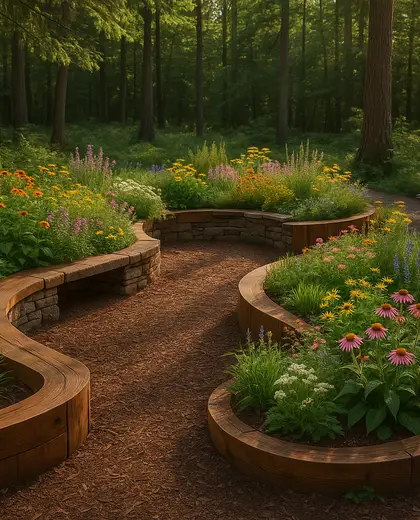
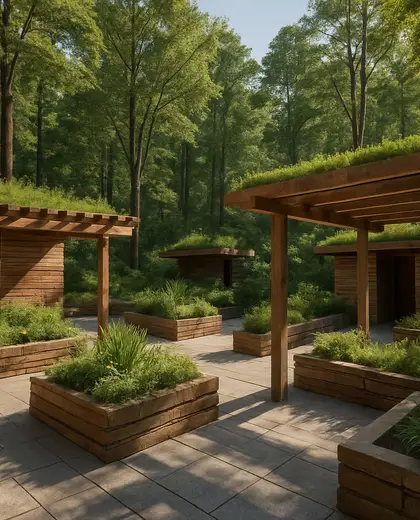
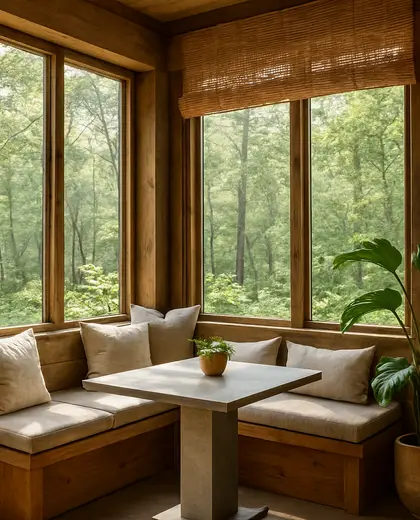
How does this style handle the surrounding trees and terrain?
It usually works with the existing site by limiting ground disturbance, using compact forms, and aligning openings with views and light.
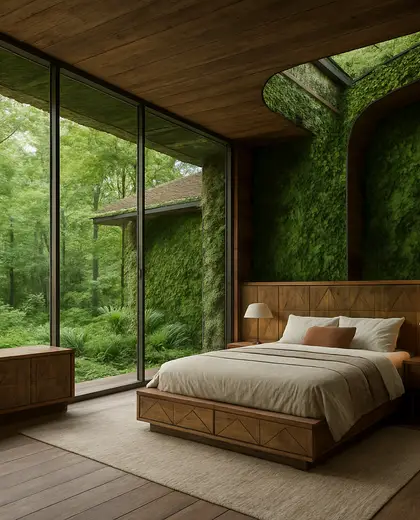
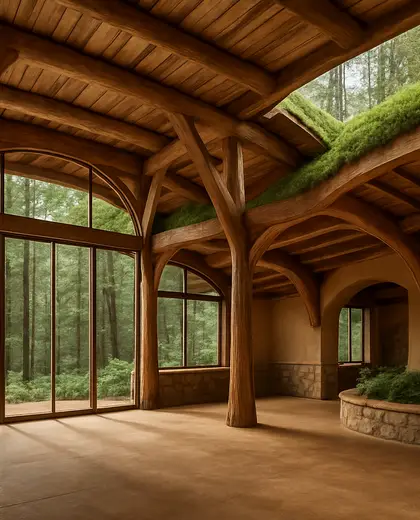
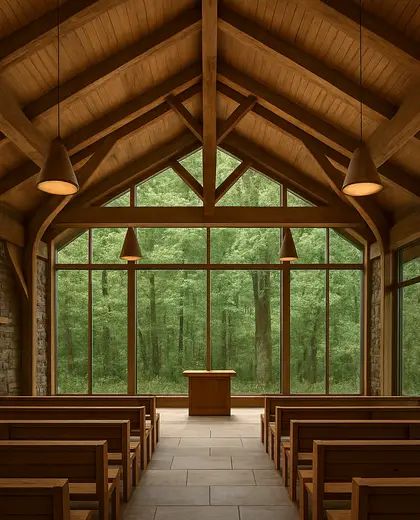
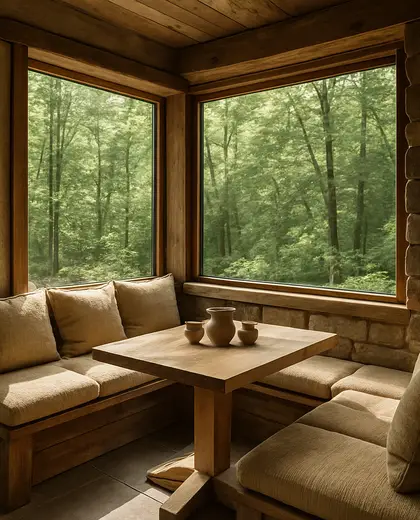
Can this composition feel modern rather than rustic?
Yes. Clean lines, simple volumes, and refined detailing can make it feel contemporary while still using natural materials and a forest-inspired palette.
— The style
What defines it
Timber, stone, reclaimed wood, low-carbon concrete, and glass are commonly used.
Earth tones, moss green, bark brown, charcoal, and muted natural finishes dominate.
It pairs with woodland settings, biophilic interiors, green roofs, and site-sensitive massing.
— Professionals
Who has already built it




- Bristolfurniture sellers · Bangalore · 6 projectsView profile →
- FurnitureRootsfurniture makers · Jodhpur · 6 projectsView profile →
- Bakajoiners · Chennai · 5 projectsView profile →
- Natural Veneersbuilding material distributors · Mumbai · 4 projectsView profile →
— Explore
Keep exploring
— ARTICLES
Related reading
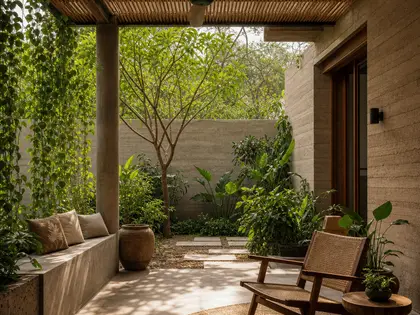
5 practical patio tips for a cooler, easier outdoor space
Simple, India-friendly patio ideas to make your outdoor area cooler, cleaner and more usable through the year.
Read article →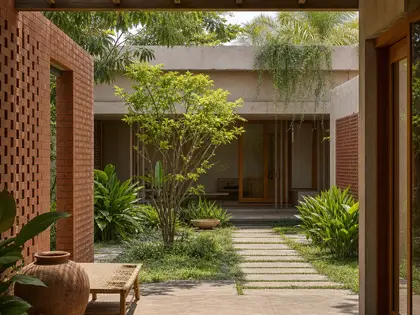
5 courtyard mistakes that spoil a beautiful outdoor room
Avoid the most common courtyard planning errors with practical, India-friendly tips for shade, drainage, paving, planting and low-maintenance comfort.
Read article →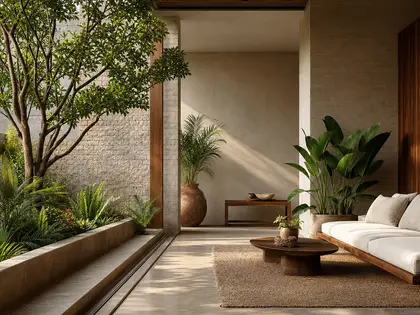
edging planning: where to begin for a cleaner, smarter landscape
A practical, India-ready starting guide for planning edging in gardens, driveways and outdoor spaces, from priorities and timelines to the key decisions that must be fixed before work begins.
Read article →— Questions
Frequently asked questions
Will a sustainable forest-style home need to be all wood?
No. Wood is common, but it is often balanced with stone, metal, and glass for durability and weather protection.
How does this style handle the surrounding trees and terrain?
It usually works with the existing site by limiting ground disturbance, using compact forms, and aligning openings with views and light.
Can this composition feel modern rather than rustic?
Yes. Clean lines, simple volumes, and refined detailing can make it feel contemporary while still using natural materials and a forest-inspired palette.