— Ideas & inspiration
Sustainable desert architecture
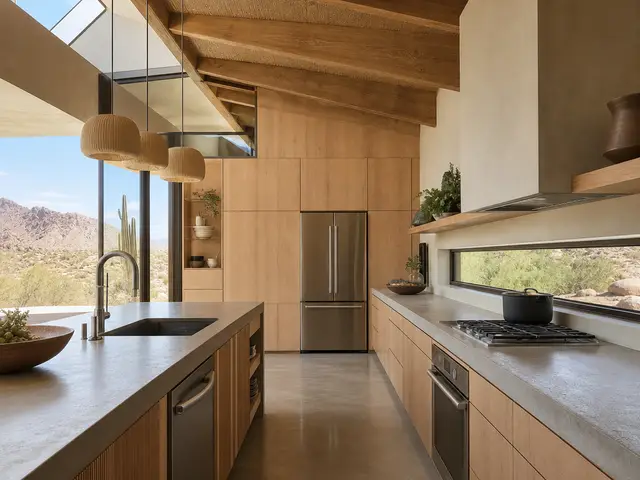
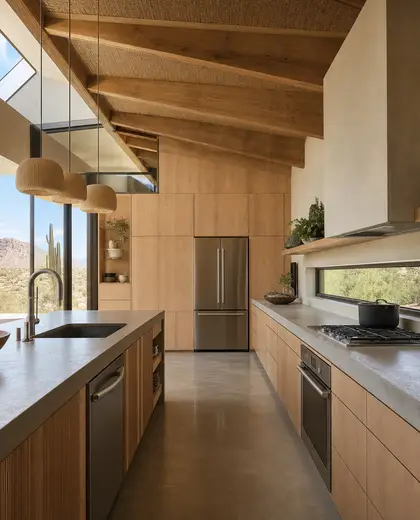
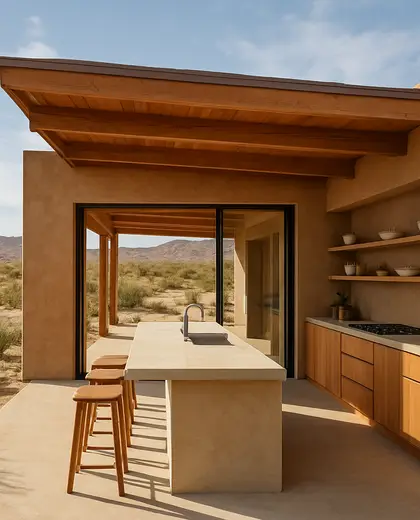
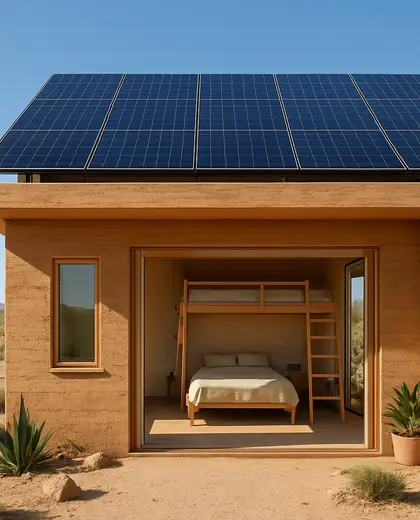
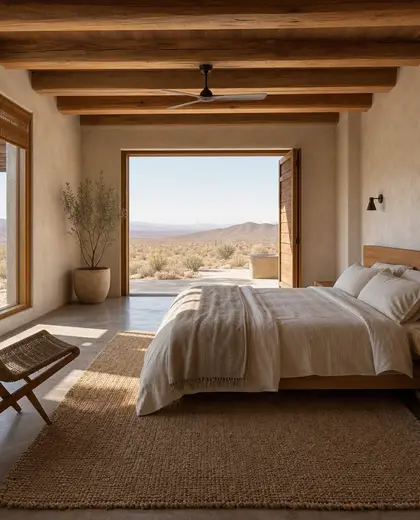
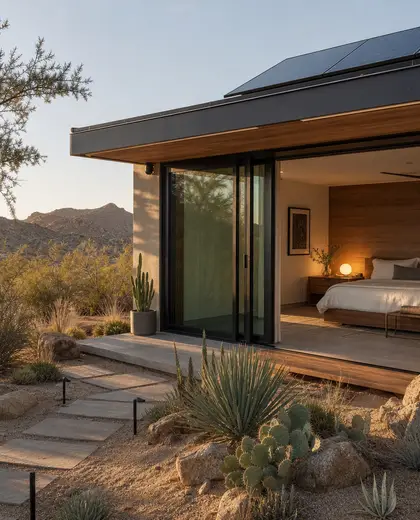
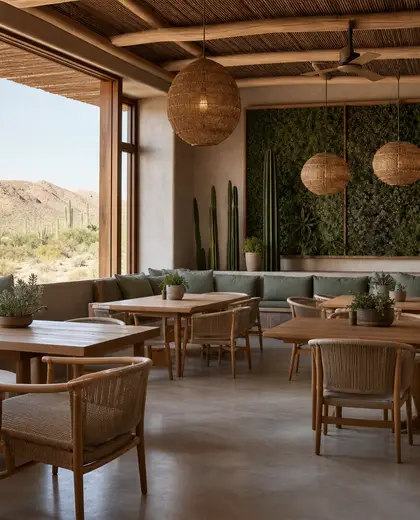
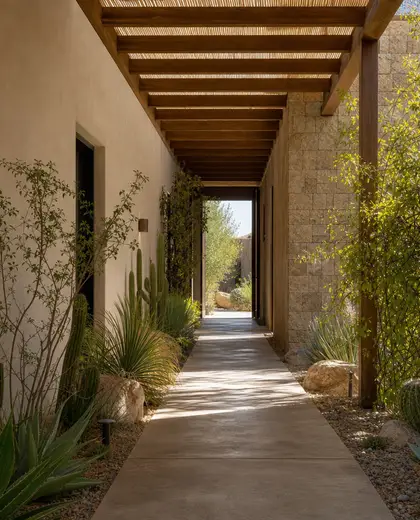
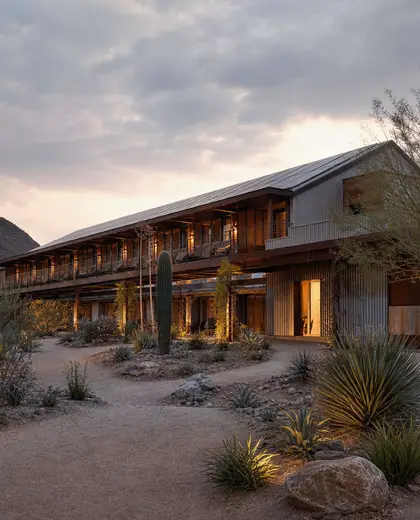
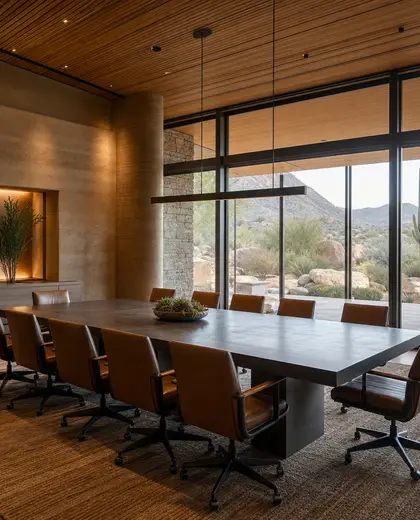
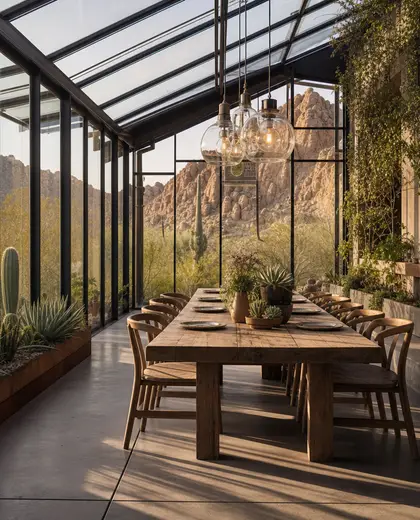
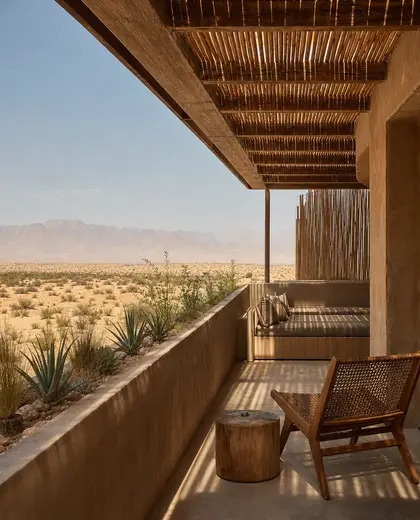
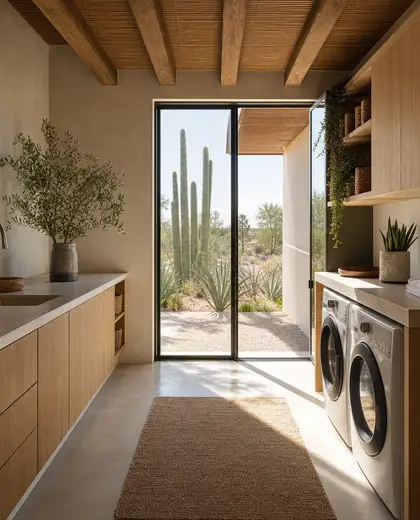
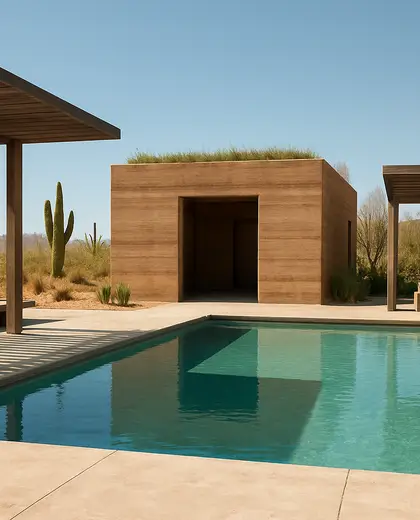
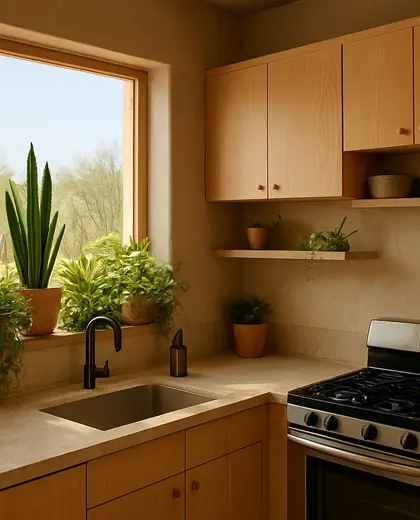
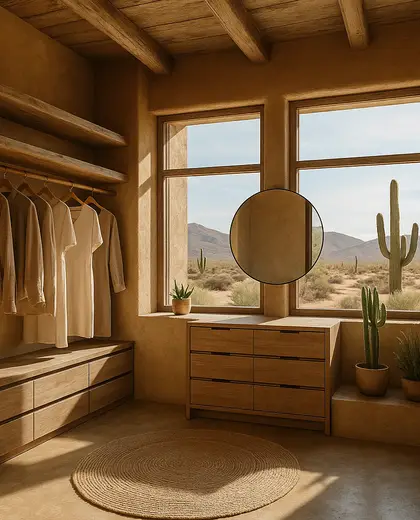
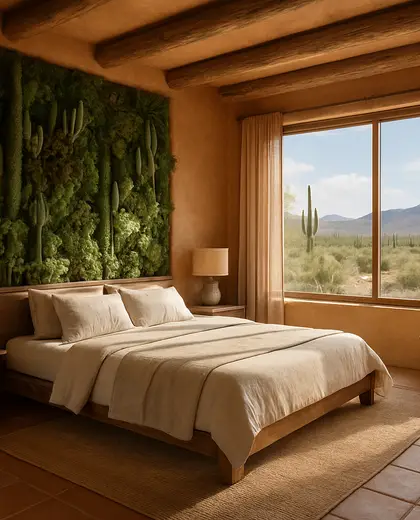
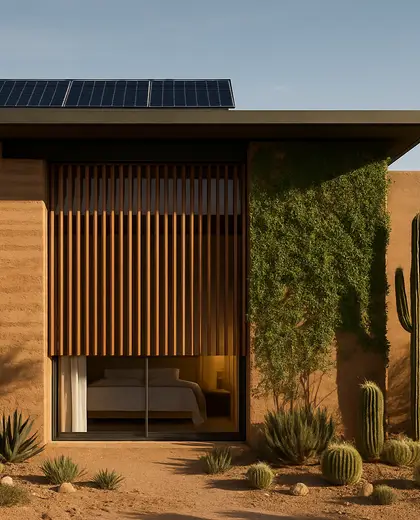
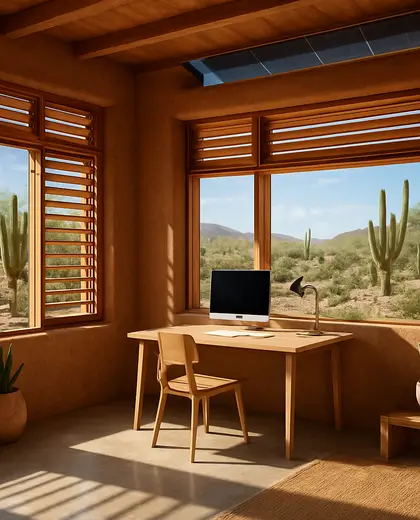
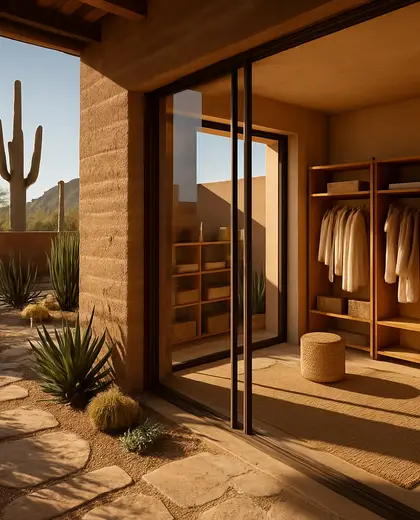
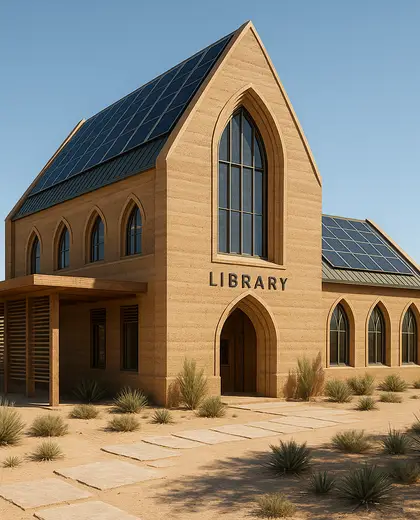
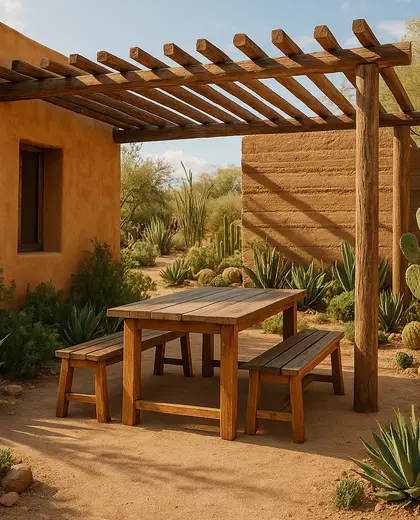
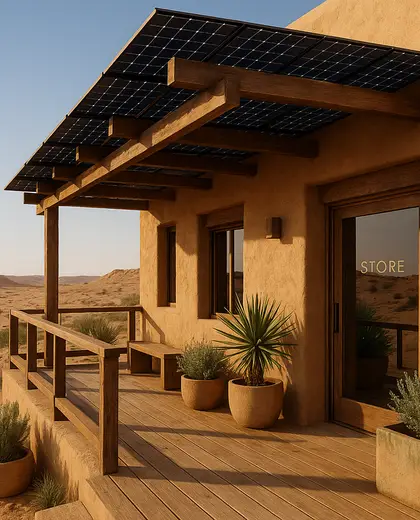
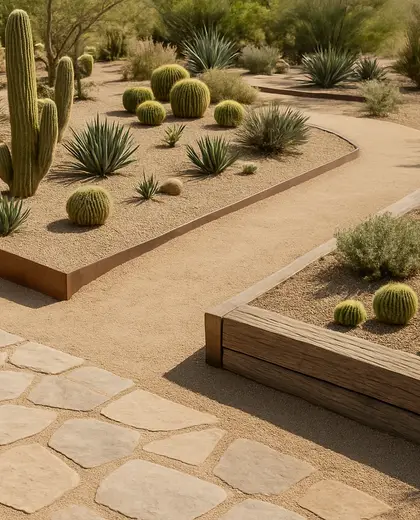
Sustainable desert architecture is defined by thick thermal mass, deep shade, and careful water use. It relies on local stone, rammed earth, lime plaster, timber screens, and high-performance glazing to keep interiors cool while reducing energy demand. The palette is usually sun-baked and restrained, with sand, clay, taupe, and muted green accents.
- sustainable
- desert
— References
References to explore
How do I keep a desert house comfortable without overusing air conditioning?
Use passive strategies first: orient openings carefully, add deep overhangs, increase insulation, and rely on thermal mass and cross-ventilation. Shaded outdoor rooms and courtyard planning also help reduce heat gain.
What materials work best in a sustainable desert climate?
Materials with high thermal mass and low maintenance needs work well, such as rammed earth, stone, adobe, and lime-based finishes. Durable metal or timber shading elements can be added where needed, provided they are detailed for intense sun exposure.
Can this style still feel modern and light?
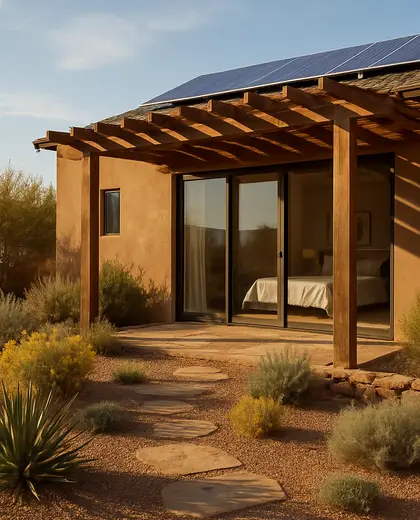
Yes. Keep the massing simple, use large shaded openings, and pair earthy surfaces with clean lines and minimal detailing. Light can come through screened courtyards, clerestories, and carefully placed glazing rather than exposed glass walls.
— The style
What defines it
Rammed earth, adobe, stone, lime plaster, shaded timber, and low-emissivity glass.
Warm neutrals inspired by sand, soil, and weathered rock, often softened with off-white and dusty green.
Passive cooling, courtyards, recessed openings, pergolas, drought-tolerant planting, and rain or gray-water systems.
— Professionals
Who has already built it

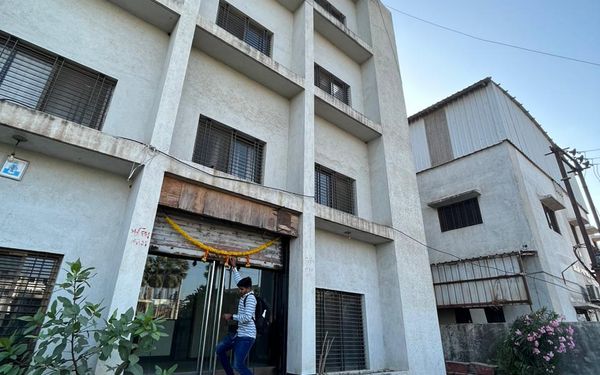

- mawar electrical serviceselectricians · Bengaluru · 1 projectsView profile →
- the achievers archsmart home professionals · Delhi · 1 projectsView profile →
- home interior decoratorscarpenters · Rampur · 3 projectsView profile →
- pavit ceramics pvt ltdceramic manufacturers · Ahmedabad · 2 projectsView profile →
— Explore
Keep exploring
— ARTICLES
Related reading
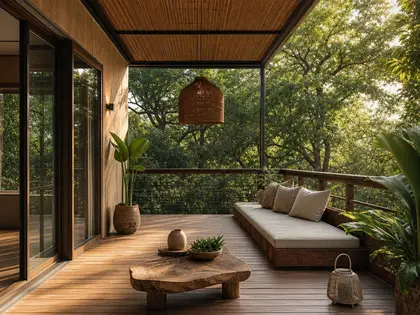
deck trends to know for a smarter, cleaner outdoor upgrade
A practical look at the latest deck trends in materials, colours, layout and tech, plus what is fading and easy ways to refresh without a full rebuild.
Read article →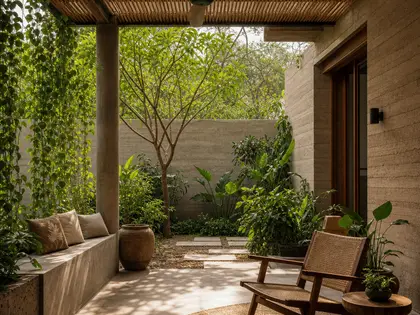
5 practical patio tips for a cooler, easier outdoor space
Simple, India-friendly patio ideas to make your outdoor area cooler, cleaner and more usable through the year.
Read article →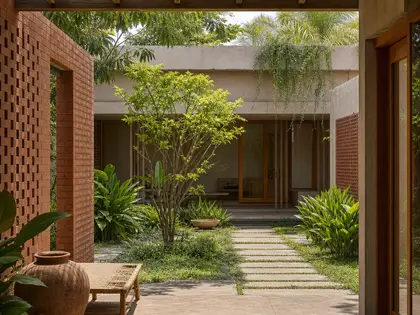
5 courtyard mistakes that spoil a beautiful outdoor room
Avoid the most common courtyard planning errors with practical, India-friendly tips for shade, drainage, paving, planting and low-maintenance comfort.
Read article →— Questions
Frequently asked questions
How do I keep a desert house comfortable without overusing air conditioning?
Use passive strategies first: orient openings carefully, add deep overhangs, increase insulation, and rely on thermal mass and cross-ventilation. Shaded outdoor rooms and courtyard planning also help reduce heat gain.
What materials work best in a sustainable desert climate?
Materials with high thermal mass and low maintenance needs work well, such as rammed earth, stone, adobe, and lime-based finishes. Durable metal or timber shading elements can be added where needed, provided they are detailed for intense sun exposure.
Can this style still feel modern and light?
Yes. Keep the massing simple, use large shaded openings, and pair earthy surfaces with clean lines and minimal detailing. Light can come through screened courtyards, clerestories, and carefully placed glazing rather than exposed glass walls.