— Ideas & inspiration
Renaissance composition
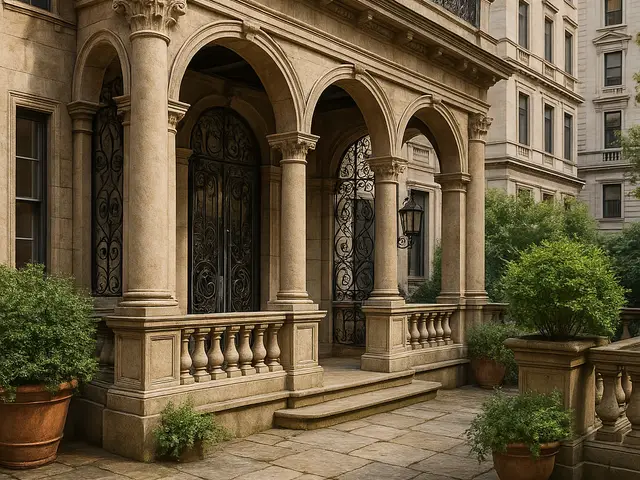
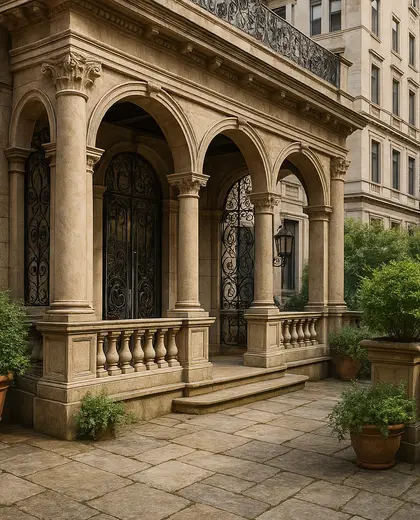
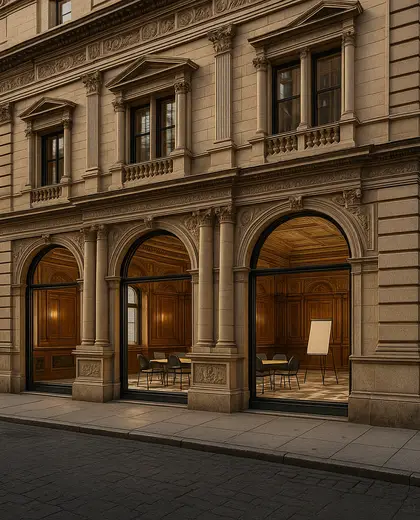
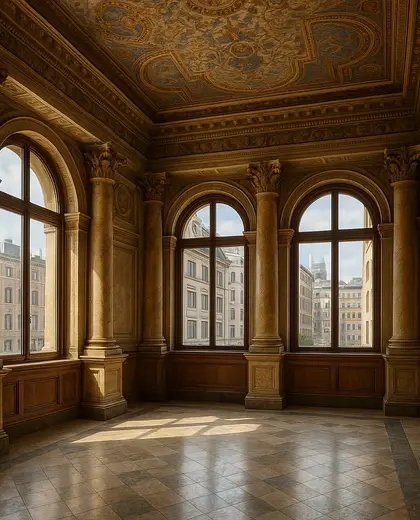
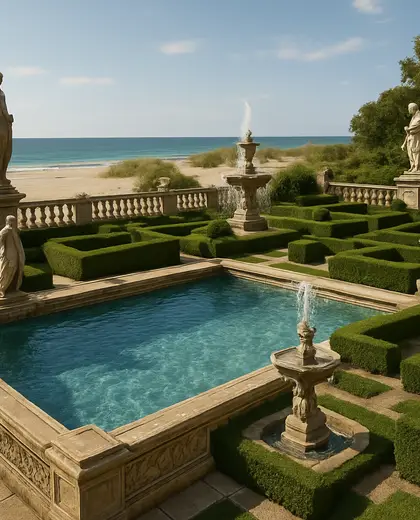
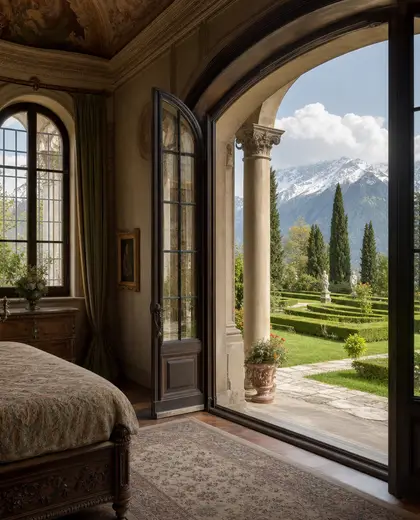
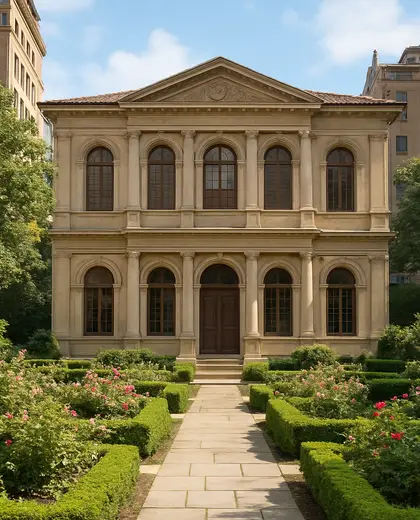
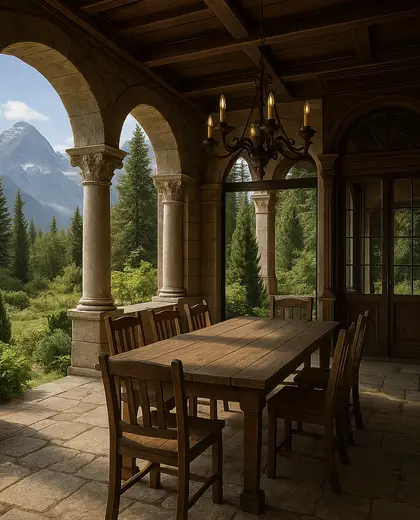
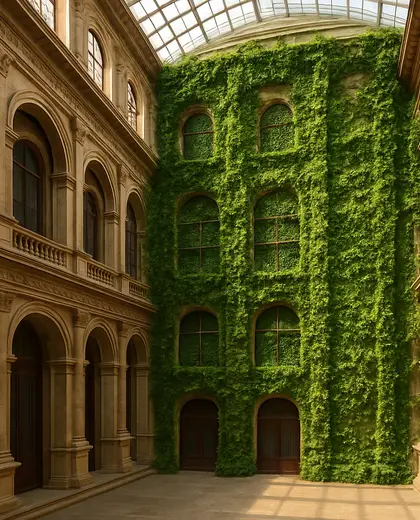
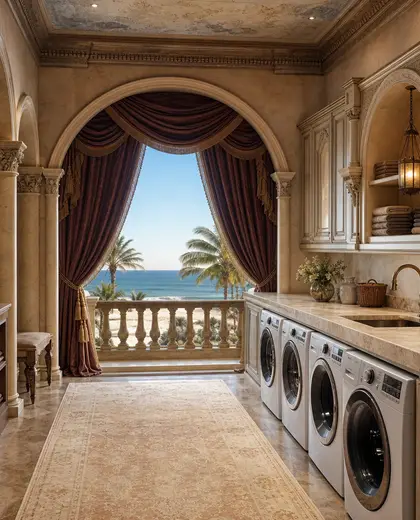
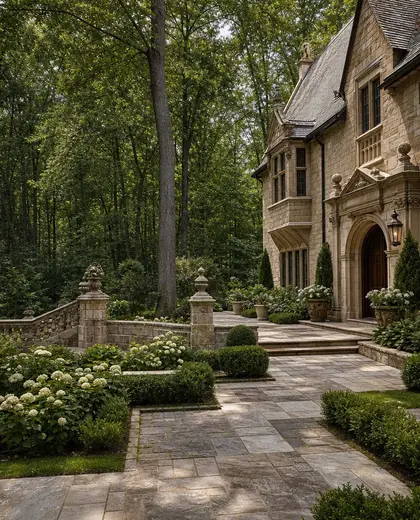
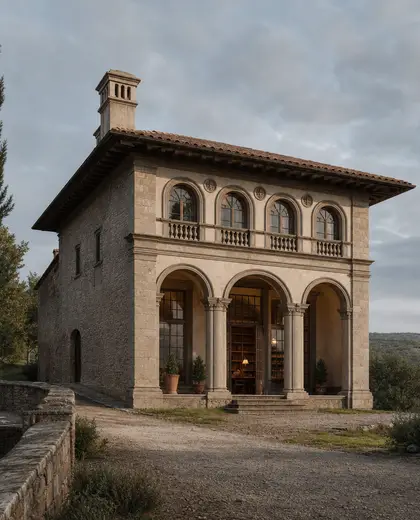
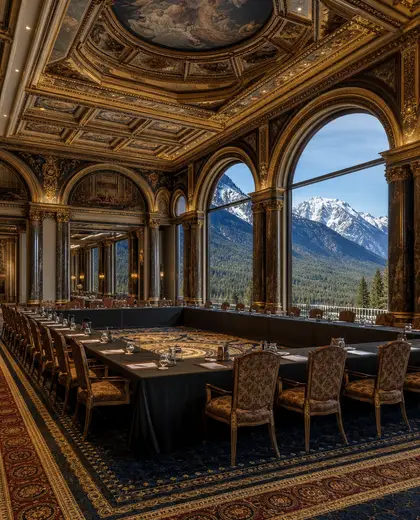
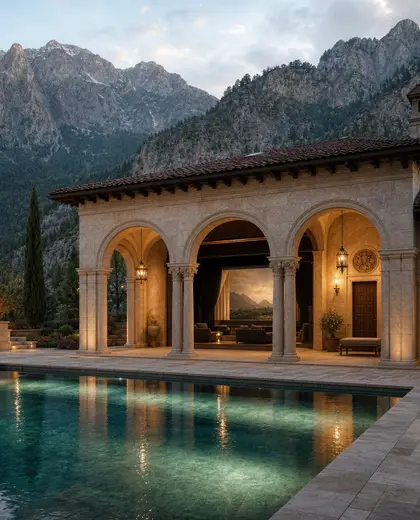
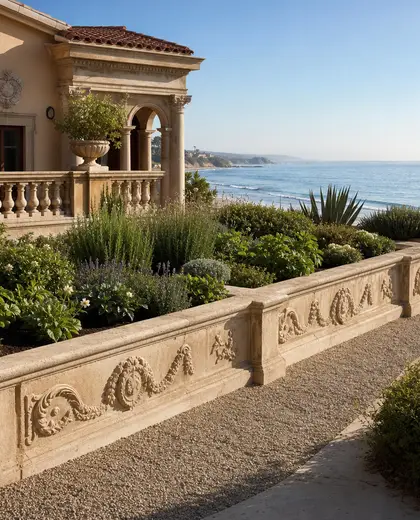
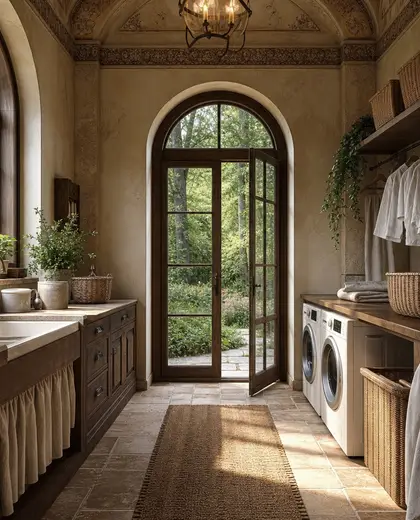
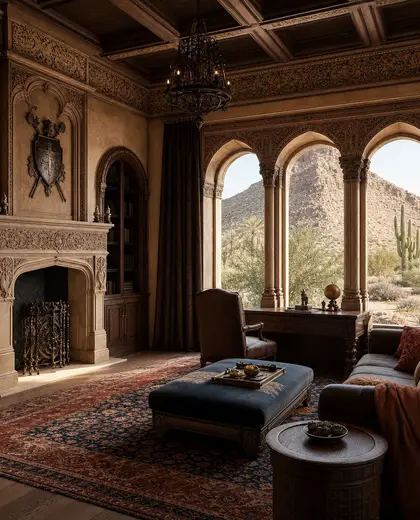
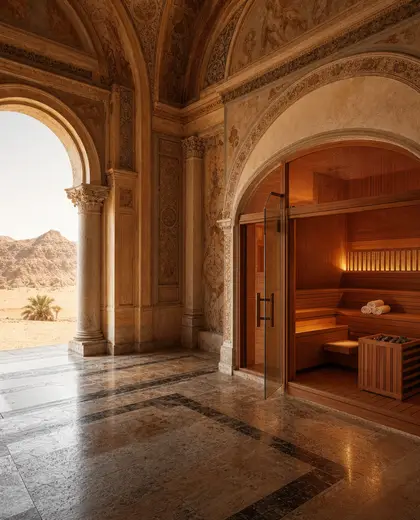
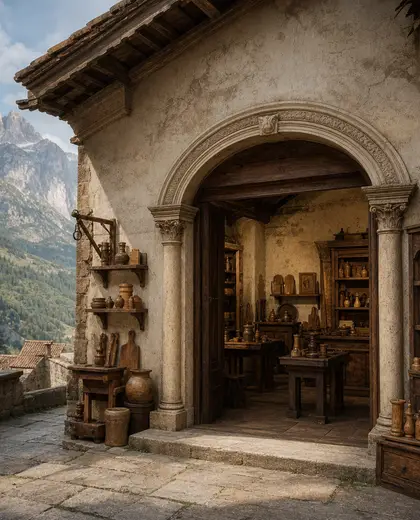
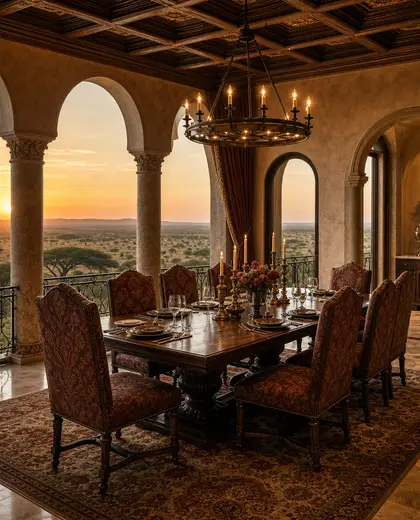
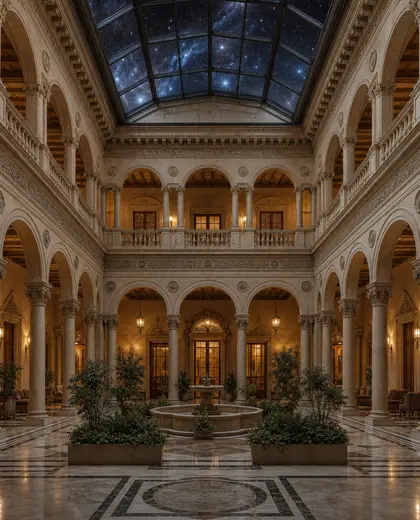
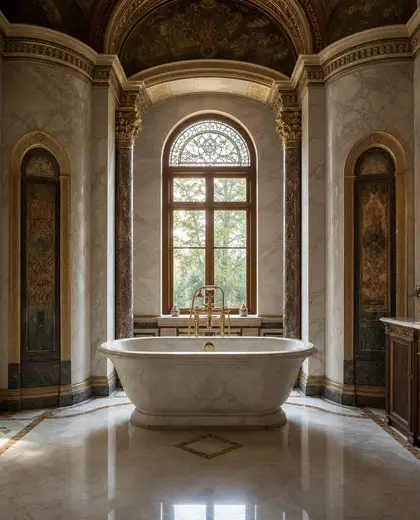
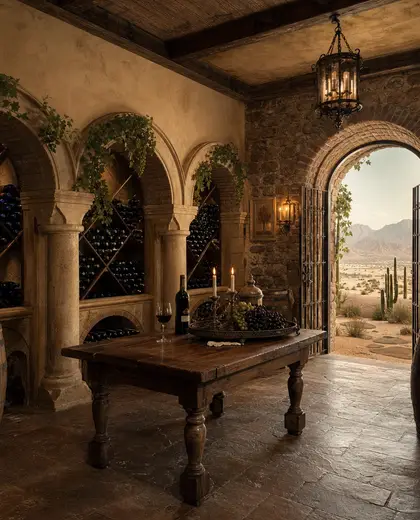
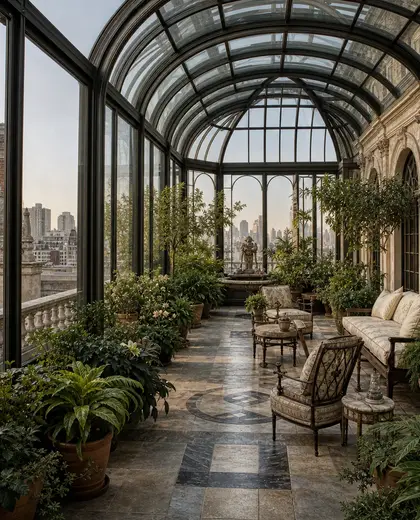
Renaissance composition is defined by symmetry, classical proportions, and richly detailed surfaces. It typically uses stone, plaster, carved wood, marble, and decorative mouldings in a warm, grounded palette of creams, ochres, deep reds, greens, and gold accents. The look combines architectural order with ornate elements such as columns, arches, coffered ceilings, medallions, and framed artwork.
- renaissance
— References
References to explore
Can Renaissance style work in a modern home?
Yes, if you keep the composition restrained. A few classical details, balanced proportions, and a limited palette can give the space a Renaissance character without making it feel like a historic replica.
What finishes suit this composition best?
Matte plaster, honed stone, polished marble, stained wood, and subtle metal accents fit well. Highly glossy or industrial finishes usually feel out of place unless they are used very sparingly.

Does Renaissance composition require very large rooms?
It reads best in rooms with enough height and wall surface for mouldings, art, and symmetry, but it can be adapted to smaller spaces. In compact rooms, reduce ornament and focus on proportion, a strong central axis, and a few key classical details.
— The style
What defines it
Marble, plaster, carved wood, stone, bronze, and patterned textiles.
Cream, ivory, warm beige, terracotta, deep red, olive green, dark brown, and muted gold.
Classical mouldings, arches, column details, painted ceilings, tapestries, and formal furniture.
— Professionals
Who has already built it
- arunava dattaarchitects · 6 projectsView profile →
- the achievers archsmart home professionals · Delhi · 1 projectsView profile →
- home interior decoratorscarpenters · Rampur · 3 projectsView profile →
- pavit ceramics pvt ltdceramic manufacturers · Ahmedabad · 2 projectsView profile →
— Questions
Frequently asked questions
Can Renaissance style work in a modern home?
Yes, if you keep the composition restrained. A few classical details, balanced proportions, and a limited palette can give the space a Renaissance character without making it feel like a historic replica.
What finishes suit this composition best?
Matte plaster, honed stone, polished marble, stained wood, and subtle metal accents fit well. Highly glossy or industrial finishes usually feel out of place unless they are used very sparingly.
Does Renaissance composition require very large rooms?
It reads best in rooms with enough height and wall surface for mouldings, art, and symmetry, but it can be adapted to smaller spaces. In compact rooms, reduce ornament and focus on proportion, a strong central axis, and a few key classical details.