— Ideas & inspiration
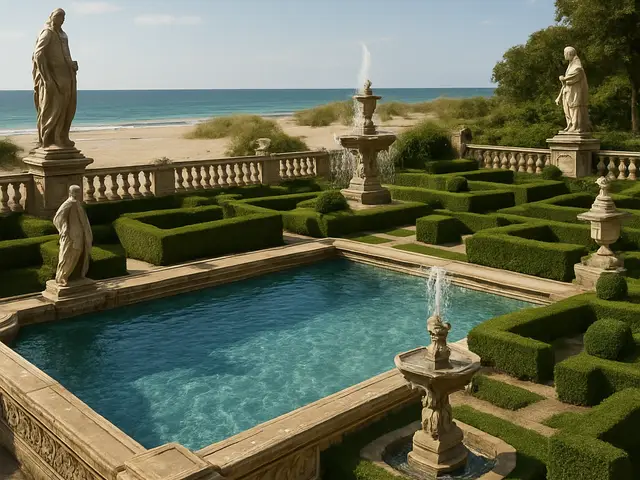
Renaissance grace on the shore
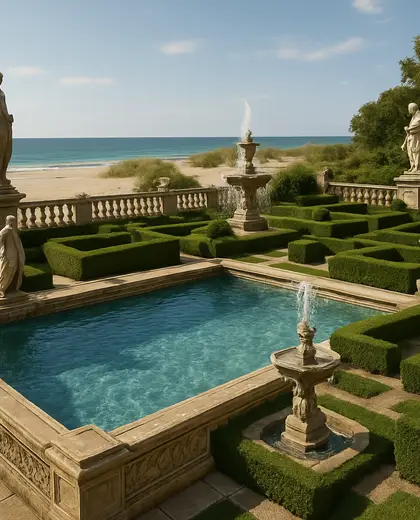
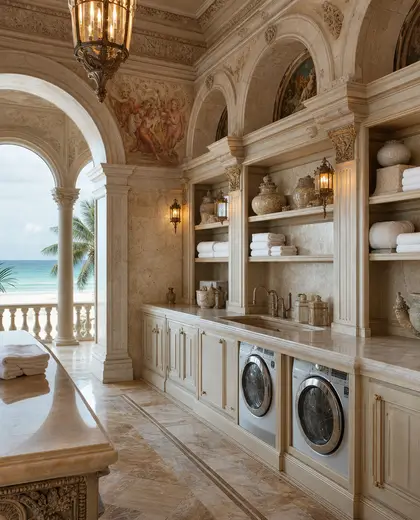
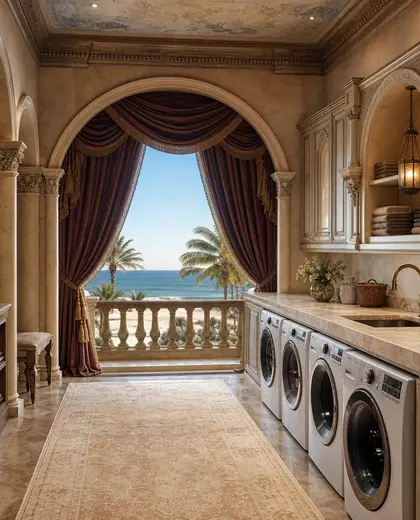
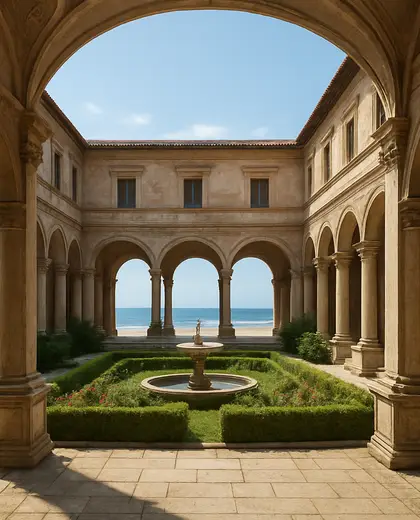
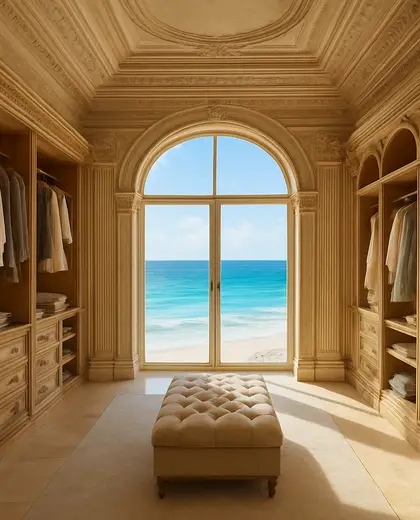
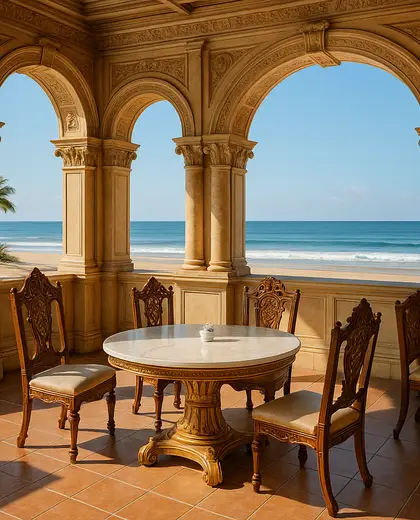
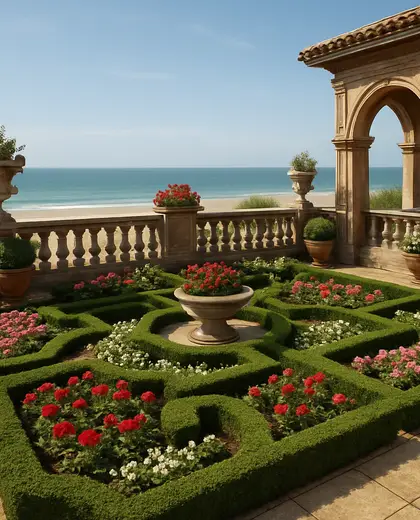
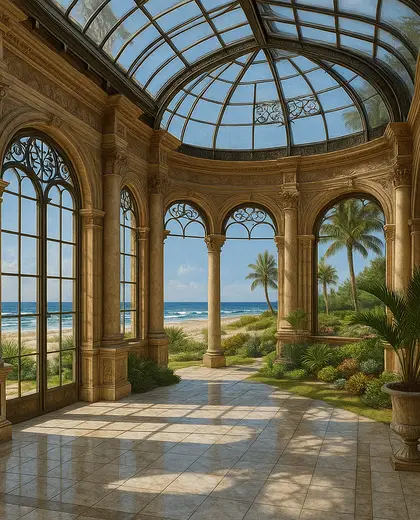
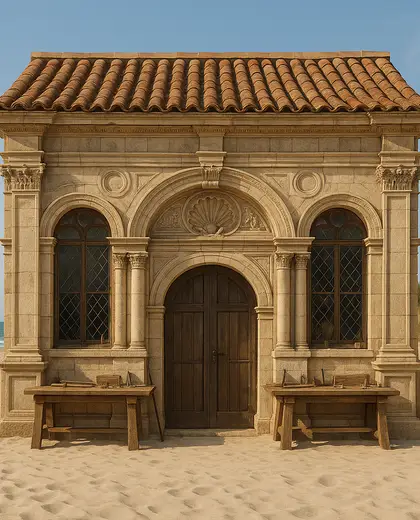
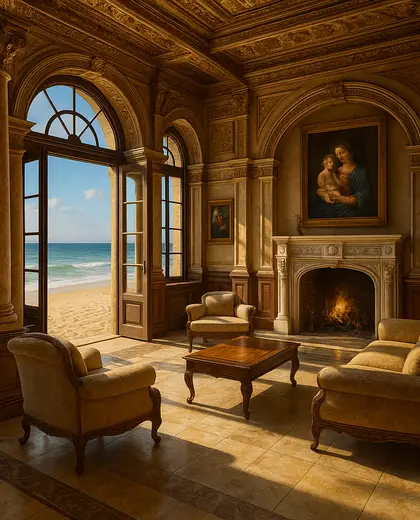
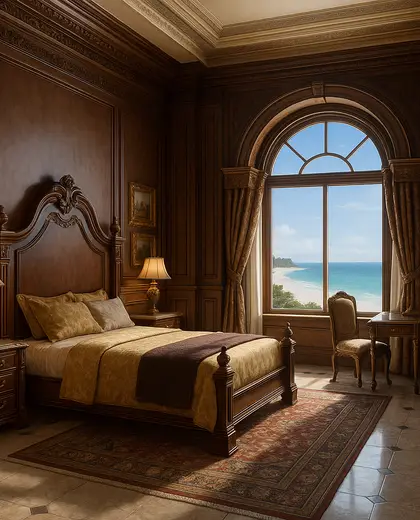
This composition pairs Renaissance symmetry and classical detailing with a relaxed coastal setting. Expect stucco or stone facades, arched openings, columned loggias, and tiled roofs softened by light-washed finishes, natural wood, and breezy indoor-outdoor transitions. The result is formal in proportion but tempered by beach textures, sun-faded surfaces, and open terraces.
- renaissance
- beach
— References
References to explore
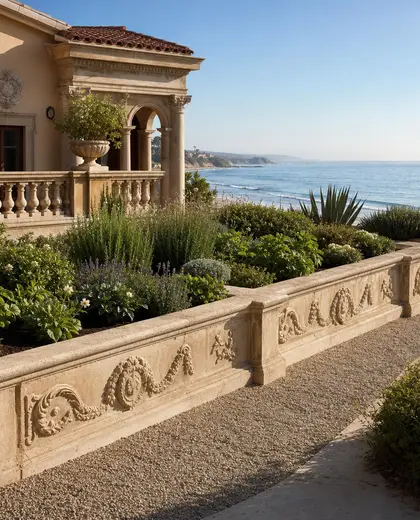
Will this style feel too formal for a beach house?
It can, if every surface is polished and ornate. It feels more livable when the classical structure is kept, but the finishes are softened with weathered textures, lighter colors, and open terraces.
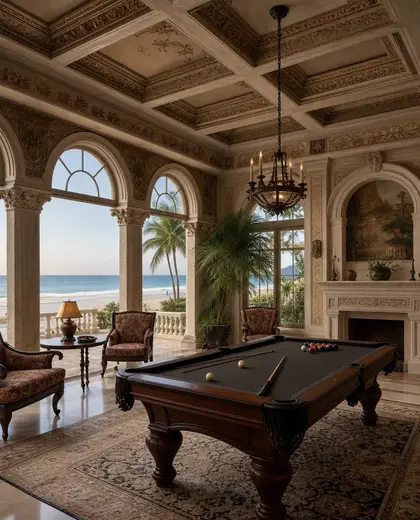
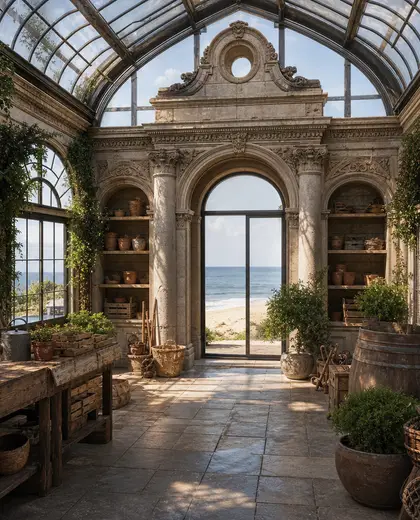
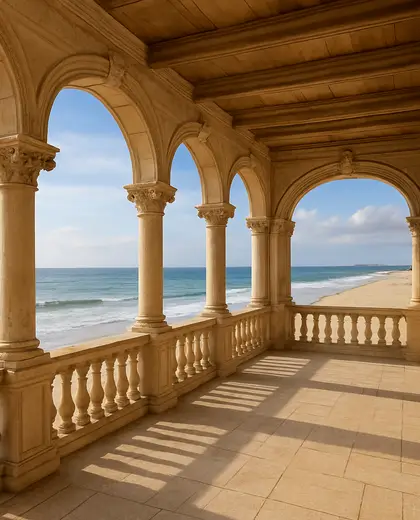
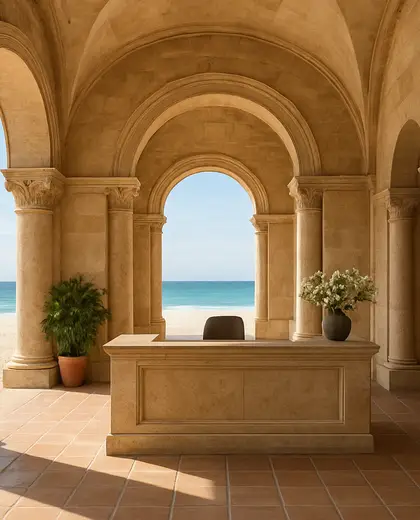
What exterior features make the Renaissance influence clear?
Look for balanced facades, arched windows or doors, pilasters or columns, cornices, and a strong central entry. On the coast, these elements are usually simplified and paired with more open outdoor living areas.
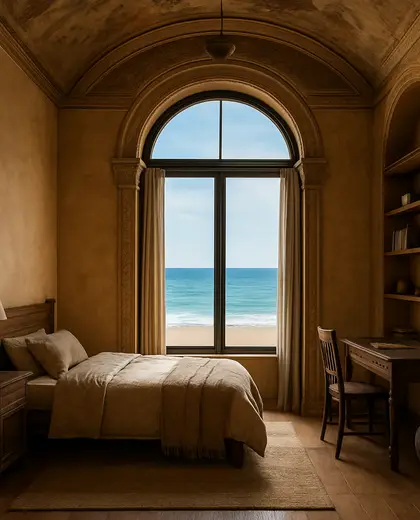
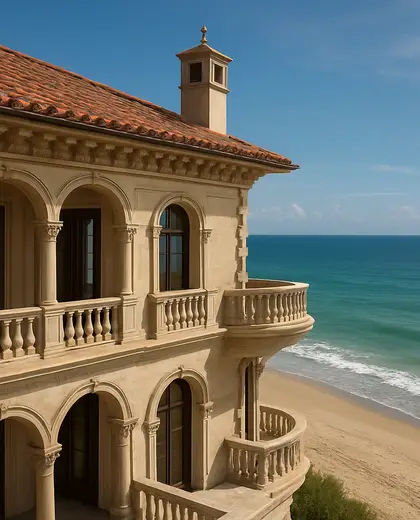
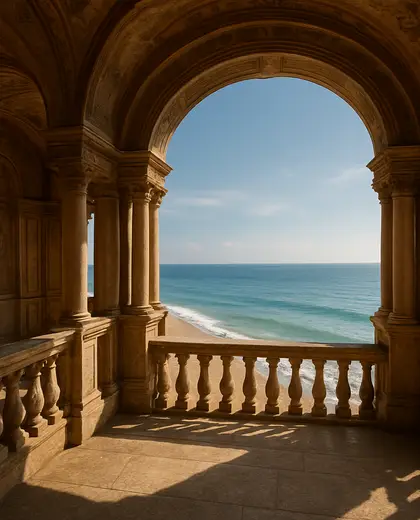
What interior finishes work best with this composition?
Stone or plaster walls, timber beams, terracotta or pale stone floors, and restrained decorative moldings work well. Linen, rattan, and natural fiber furnishings help keep the interior relaxed and beach-appropriate.
— The style
What defines it
Stucco, limestone or travertine, clay tile, carved wood, ironwork, and glazed ceramic details.
Warm whites, sand, pale stone, terracotta, sea-glass blue, and muted gold accents.
Classical symmetry, arches, columns, balustrades, shaded verandas, and coastal glazing or terraces.
— Professionals
Who has already built it
- praveen kumar singh3d renderers · Ranchi · 6 projectsView profile →
- origin architectsarchitects · 6 projectsView profile →
- mawar electrical serviceselectricians · Bengaluru · 1 projectsView profile →
- anurag vermainterior designers · 6 projectsView profile →
— Explore
Keep exploring
— Questions
Frequently asked questions
Will this style feel too formal for a beach house?
It can, if every surface is polished and ornate. It feels more livable when the classical structure is kept, but the finishes are softened with weathered textures, lighter colors, and open terraces.
What exterior features make the Renaissance influence clear?
Look for balanced facades, arched windows or doors, pilasters or columns, cornices, and a strong central entry. On the coast, these elements are usually simplified and paired with more open outdoor living areas.
What interior finishes work best with this composition?
Stone or plaster walls, timber beams, terracotta or pale stone floors, and restrained decorative moldings work well. Linen, rattan, and natural fiber furnishings help keep the interior relaxed and beach-appropriate.