— Ideas & inspiration
Renaissance details in the urban fabric
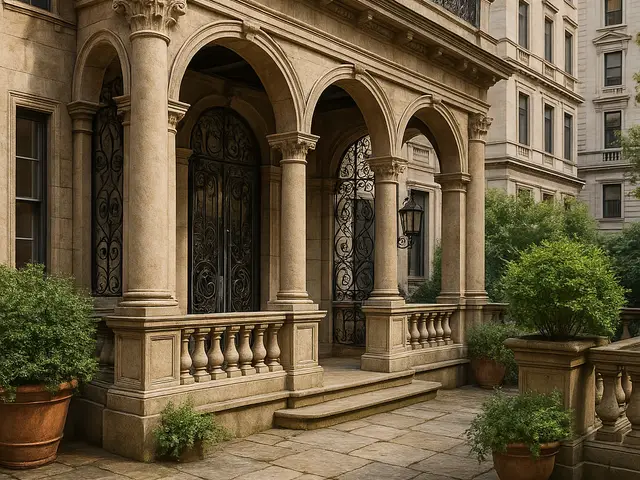
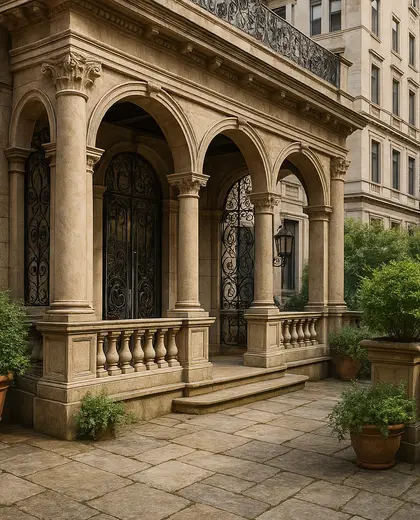
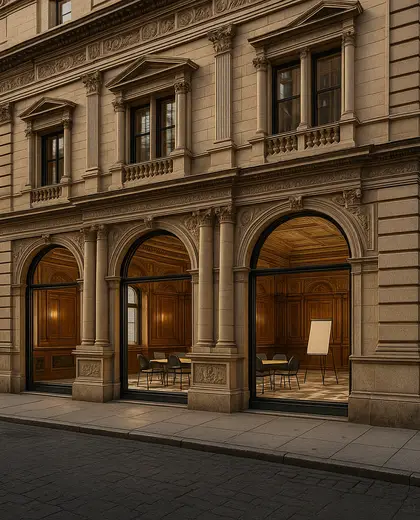
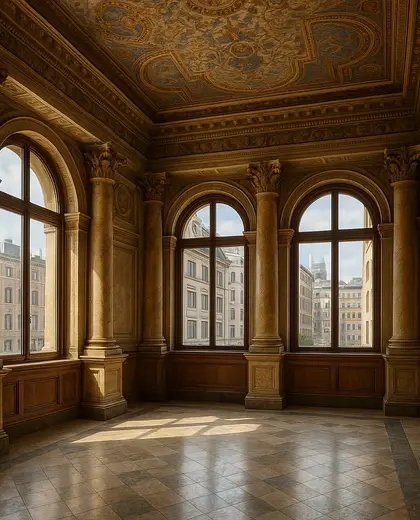
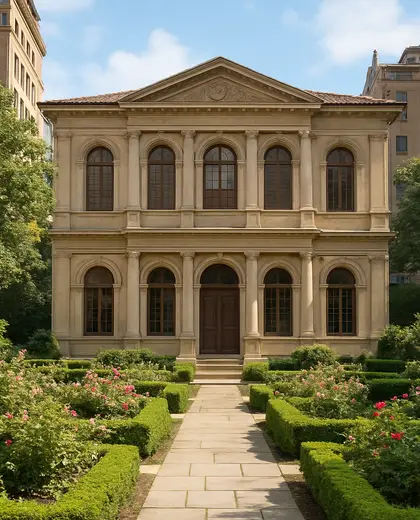
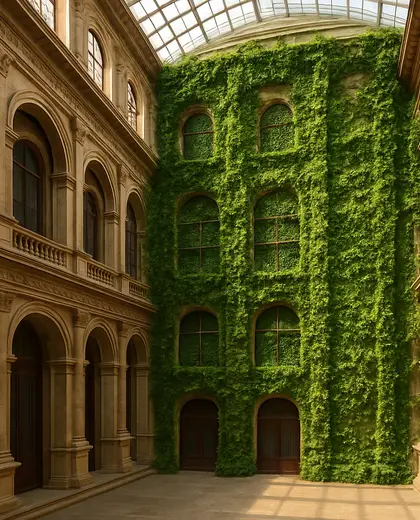
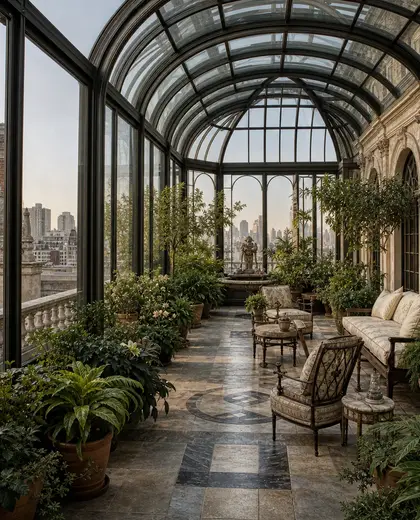
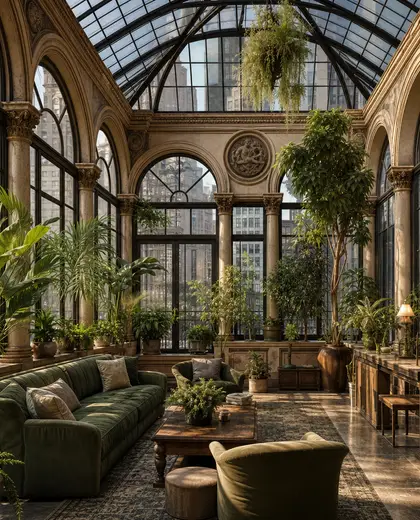
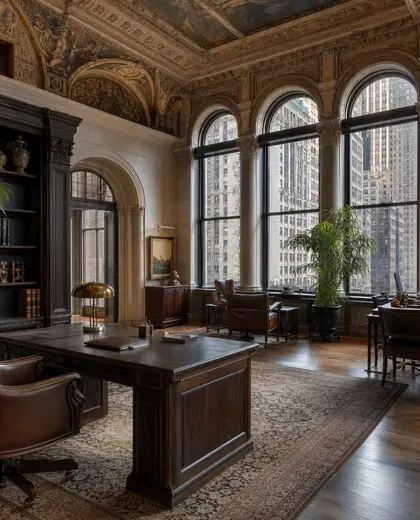
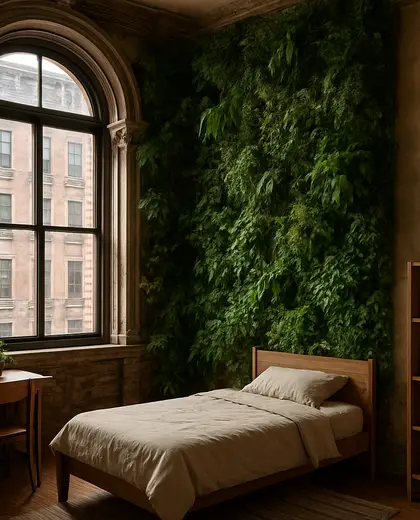
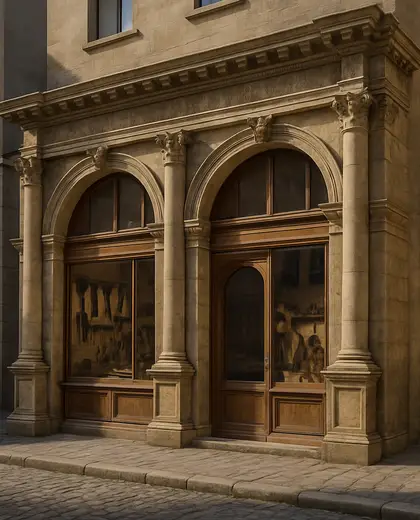
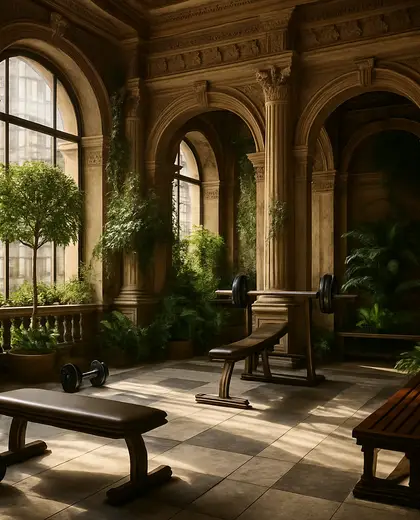
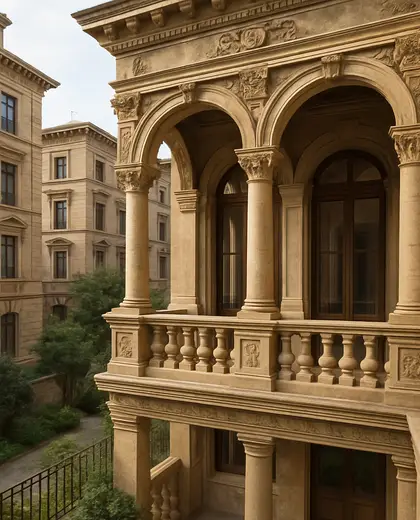
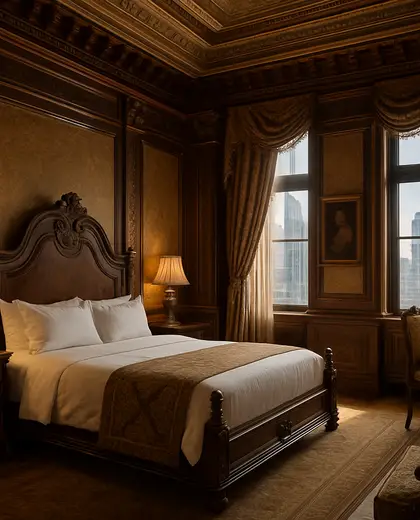
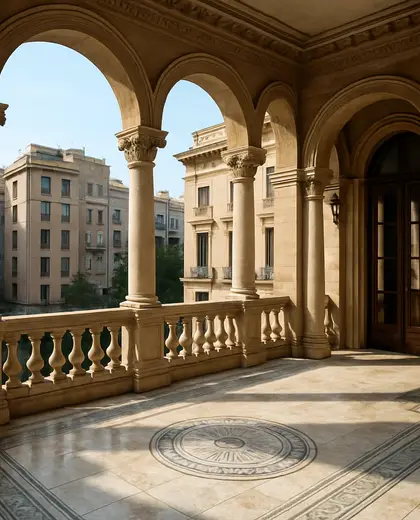
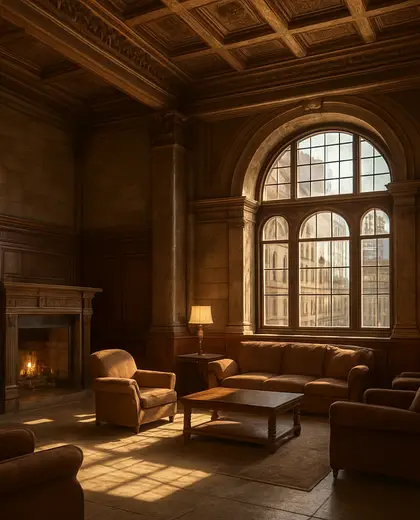
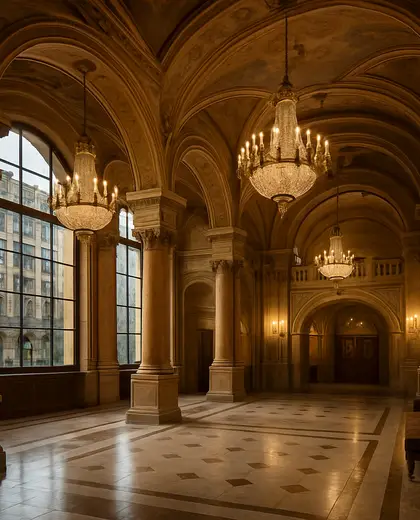
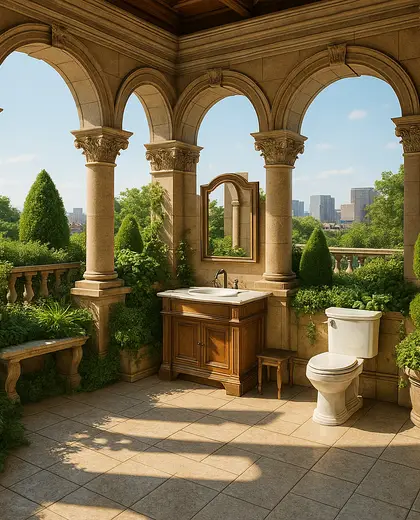
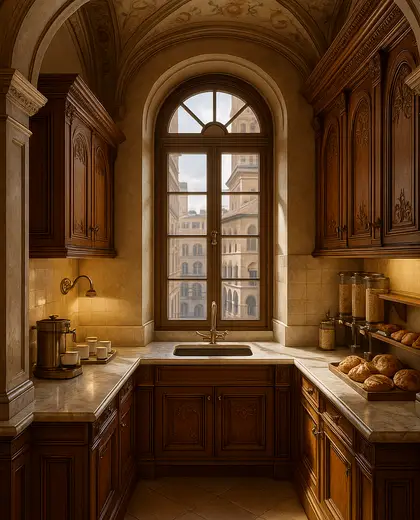
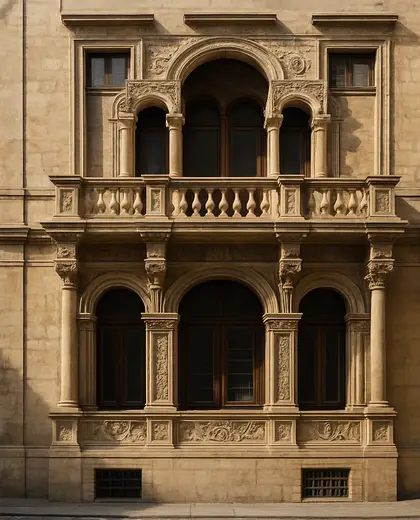
This composition pairs classical renaissance motifs with the density and practicality of city living. Expect stone or stucco facades, arched openings, pilasters, cornices, and balanced proportions, often translated into a tighter urban footprint with taller elevations and more compact plans. The result is formal and elegant, but grounded in the scale and rhythm of the street.
- renaissance
- urban
— References
References to explore
Does this style work on a narrow city lot?
Yes. It can be adapted to a slimmer façade by emphasizing vertical proportions, stacked windows, and a restrained classical order.
Will it feel too ornate for a modern neighborhood?
It can be kept subtle. Using simplified ornament, cleaner lines, and a limited material palette makes it feel more urban and less monumental.
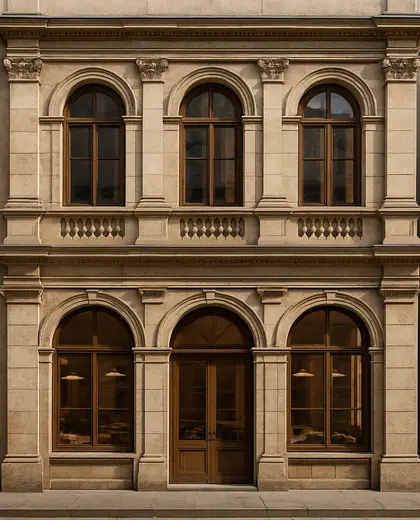
What exterior details make it read as renaissance?
Arched windows, cornices, pilasters, balanced symmetry, and refined masonry or stucco details are the clearest cues.
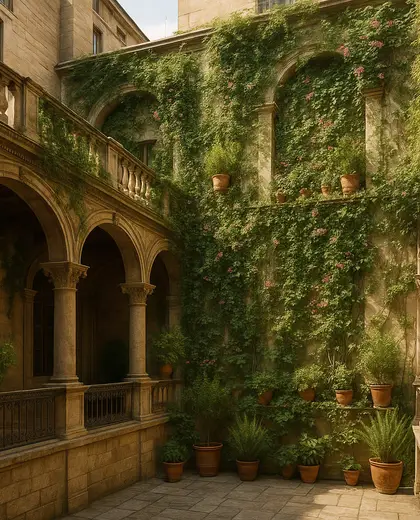
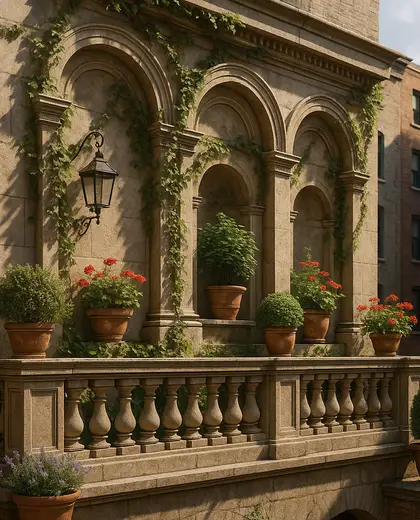
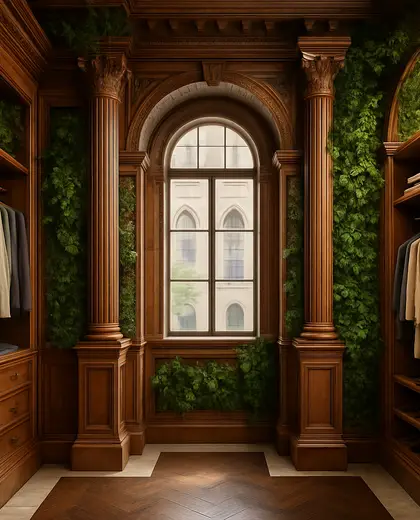
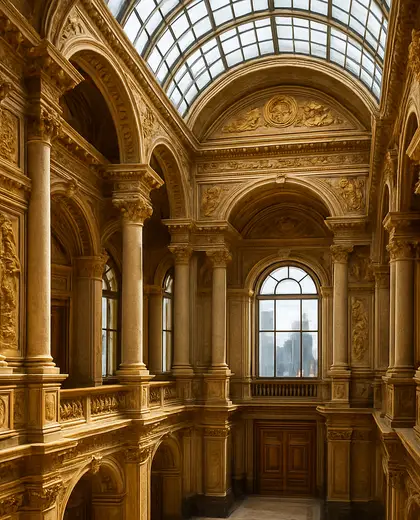
— The style
What defines it
Stone, stucco, plaster, terra-cotta, wrought iron, and occasional marble accents.
Warm neutrals, creams, muted ochres, sand, soft gray, and deeper accent tones like olive, burgundy, or bronze.
Urban townhouses, apartment façades, courtyard buildings, and street-facing schemes with classical symmetry.
— Professionals
Who has already built it
- rohan kandalkararchitects · 8 projectsView profile →
- the achievers archsmart home professionals · Delhi · 1 projectsView profile →
- home interior decoratorscarpenters · Rampur · 3 projectsView profile →
- pavit ceramics pvt ltdceramic manufacturers · Ahmedabad · 2 projectsView profile →
— Explore
Keep exploring
— Questions
Frequently asked questions
Does this style work on a narrow city lot?
Yes. It can be adapted to a slimmer façade by emphasizing vertical proportions, stacked windows, and a restrained classical order.
Will it feel too ornate for a modern neighborhood?
It can be kept subtle. Using simplified ornament, cleaner lines, and a limited material palette makes it feel more urban and less monumental.
What exterior details make it read as renaissance?
Arched windows, cornices, pilasters, balanced symmetry, and refined masonry or stucco details are the clearest cues.