— Ideas & inspiration
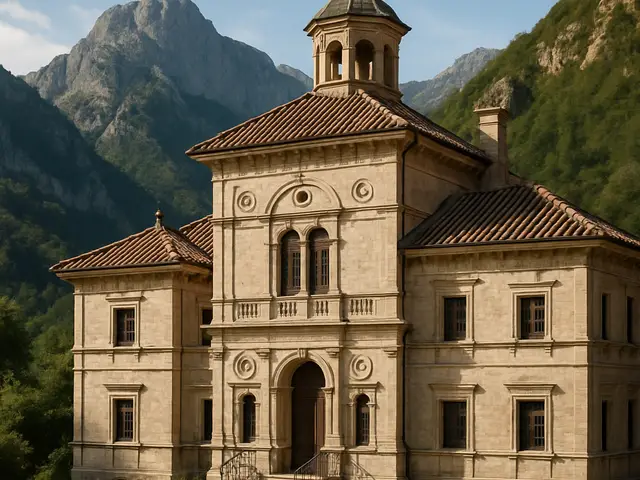
Renaissance details framed by mountain calm
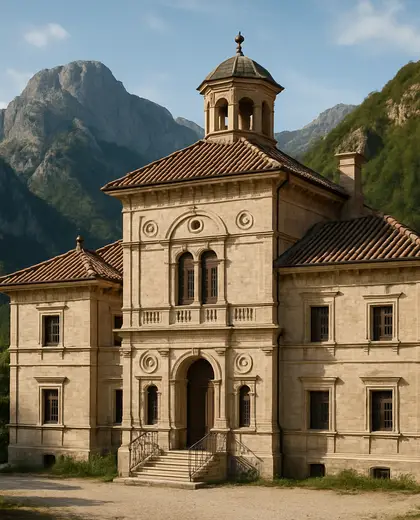
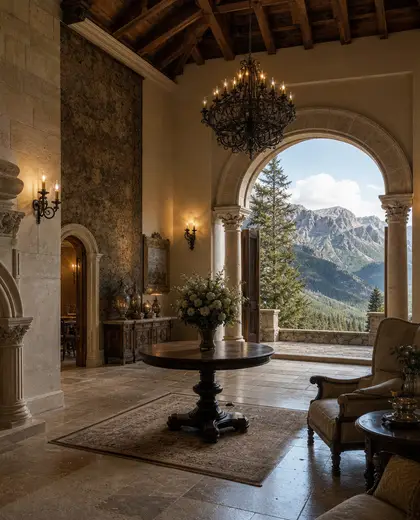
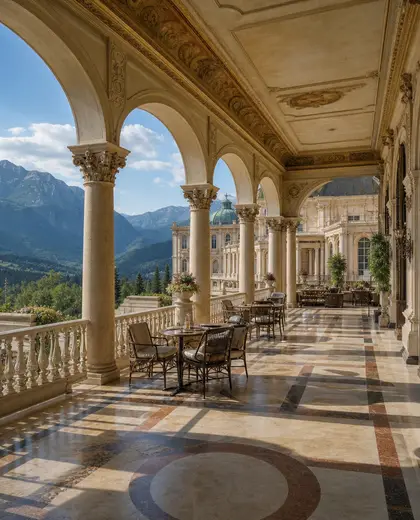
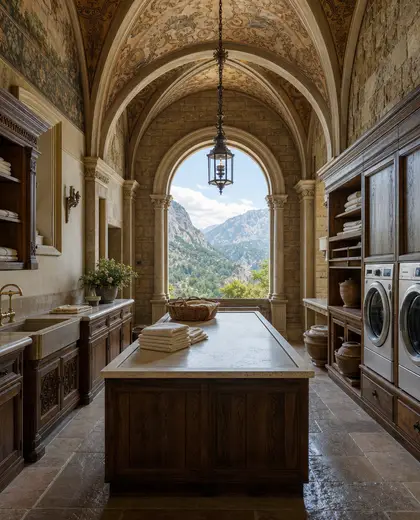
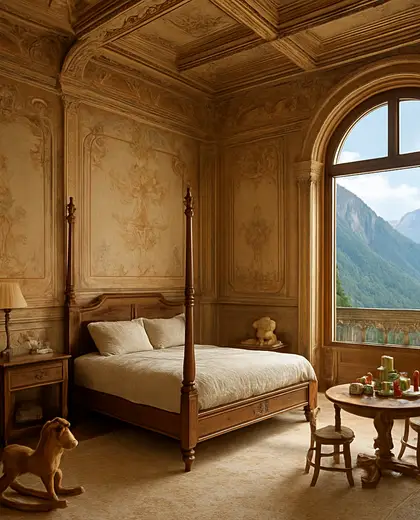
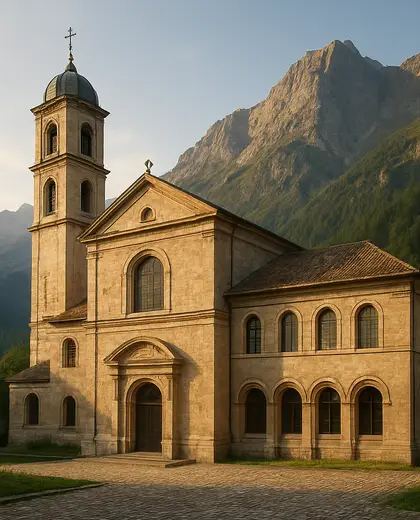
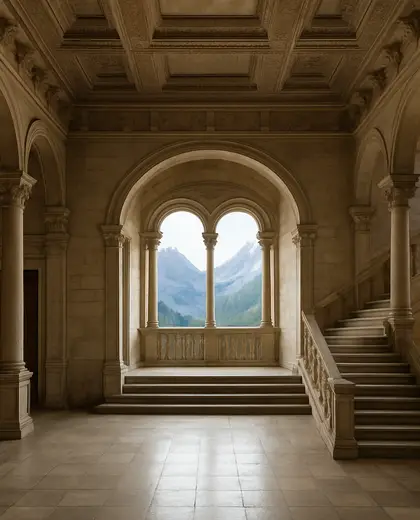
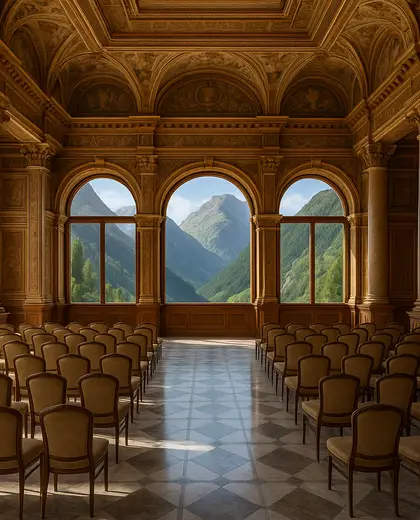
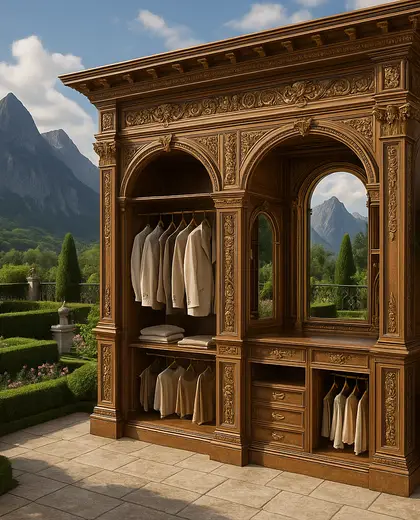
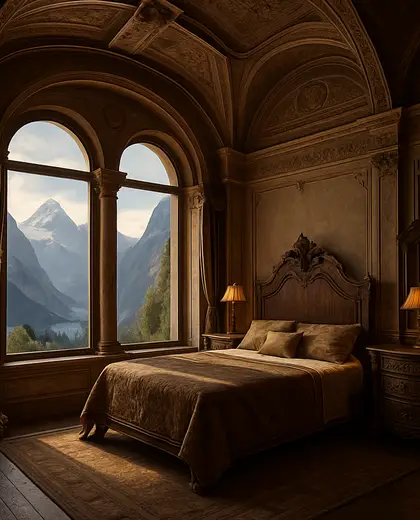
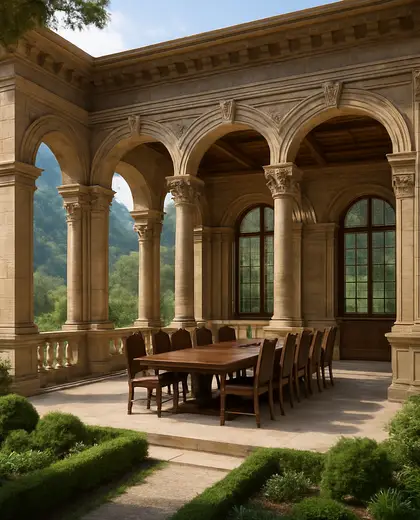
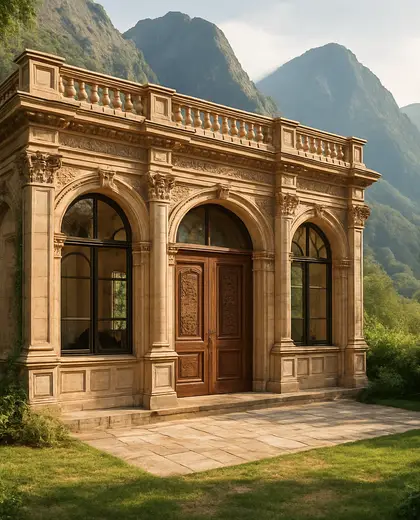
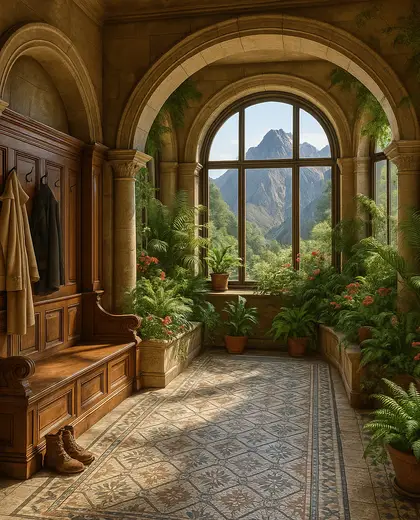
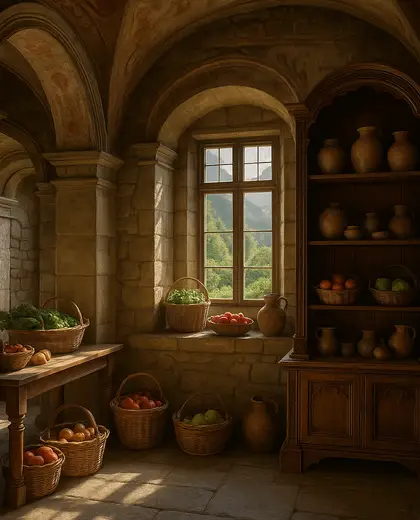
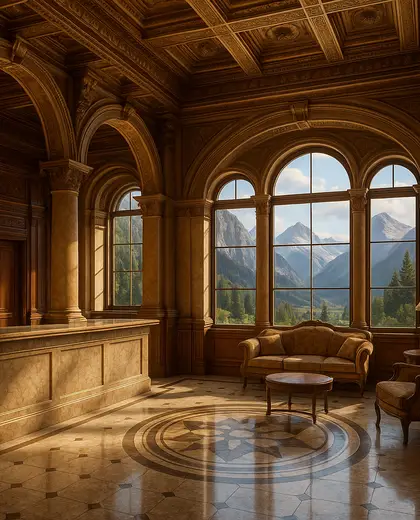
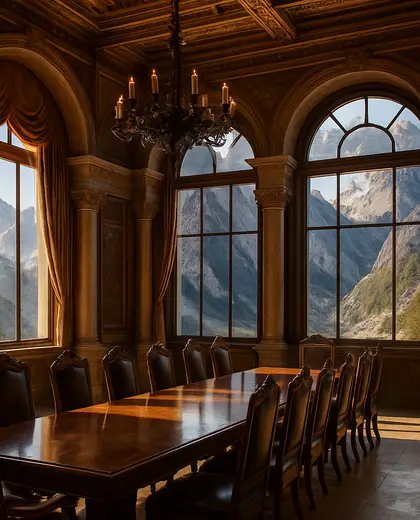
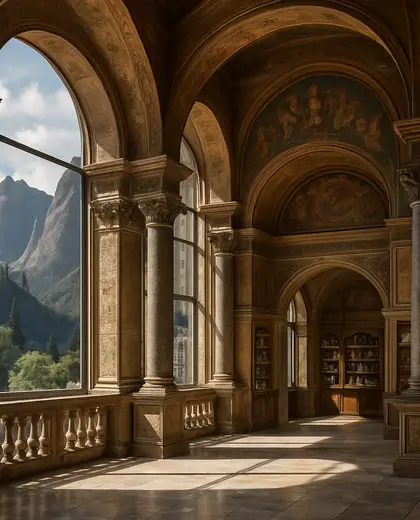
This composition pairs the symmetry and ornament of Renaissance architecture with the grounded presence of mountain settings. It typically uses stone, plaster, timber, and arched openings, softened by views, terraces, and robust massing that feels anchored to the landscape. The result is formal and refined, but with materials and proportions that suit colder light, steep sites, and durable outdoor living.
- renaissance
- mountain
— References
References to explore
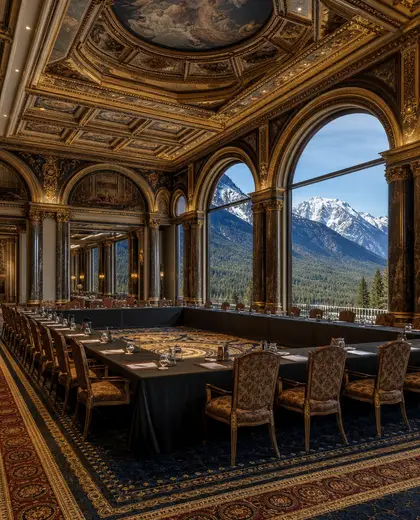
What makes a home feel Renaissance mountain rather than just traditional?
The composition keeps Renaissance symmetry, arches, and ornament, but adapts them to a mountain context with heavier stone bases, practical roof forms, and stronger links to terraces and views.
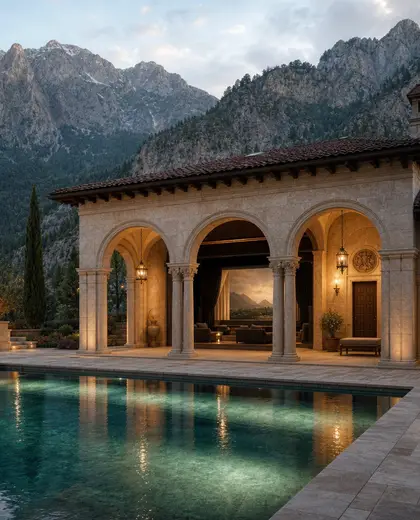
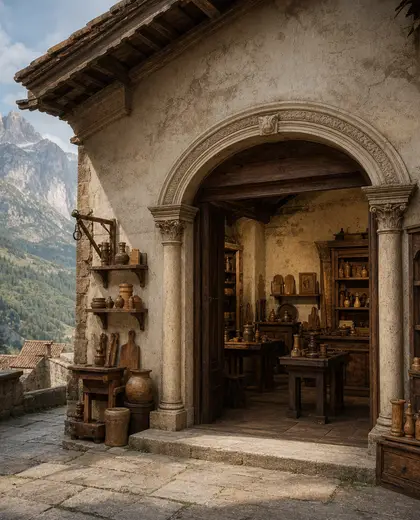
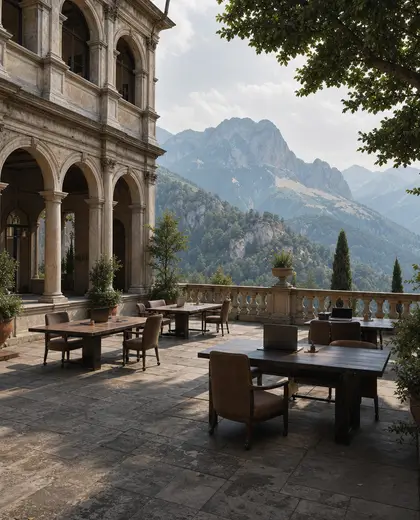
Which exterior materials work best for this style?
Natural stone, plaster, timber, and metal details work well because they age gracefully and feel believable in alpine conditions. Roof materials are usually chosen for durability and visual weight.
Can this style work on a modern mountain site?
Yes. The classical proportions can be simplified while keeping key cues such as balanced façades, arcades, and refined trim. That lets the house feel rooted in both history and its landscape.
— The style
What defines it
Stone, lime plaster, timber beams, terracotta roof tiles, wrought iron, and carved detailing.
Warm whites, muted ochres, deep earth browns, slate gray, and weathered natural tones.
Mountain stone, steep roofs, terraces, loggias, framed views, and rugged landscape edges.
— Professionals
Who has already built it
- pavitar guptaarchitects · Ambala · 6 projectsView profile →
- pavit ceramics pvt ltdceramic manufacturers · Ahmedabad · 2 projectsView profile →
- nikitha kumananinterior designers · 6 projectsView profile →
- Bristolfurniture sellers · Bangalore · 6 projectsView profile →
— Explore
Keep exploring
— Questions
Frequently asked questions
What makes a home feel Renaissance mountain rather than just traditional?
The composition keeps Renaissance symmetry, arches, and ornament, but adapts them to a mountain context with heavier stone bases, practical roof forms, and stronger links to terraces and views.
Which exterior materials work best for this style?
Natural stone, plaster, timber, and metal details work well because they age gracefully and feel believable in alpine conditions. Roof materials are usually chosen for durability and visual weight.
Can this style work on a modern mountain site?
Yes. The classical proportions can be simplified while keeping key cues such as balanced façades, arcades, and refined trim. That lets the house feel rooted in both history and its landscape.