— Ideas & inspiration
Neoclassical
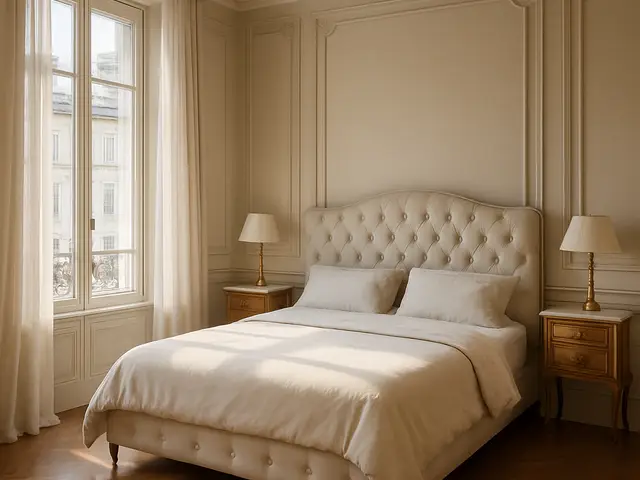
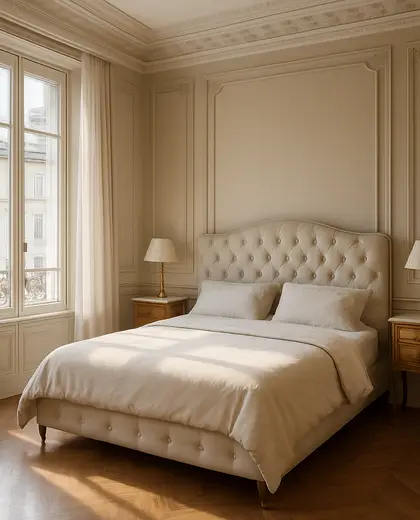
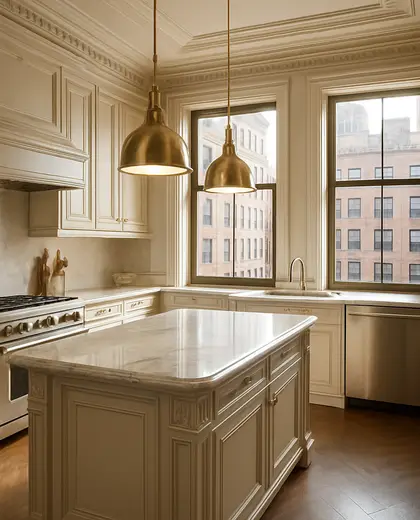
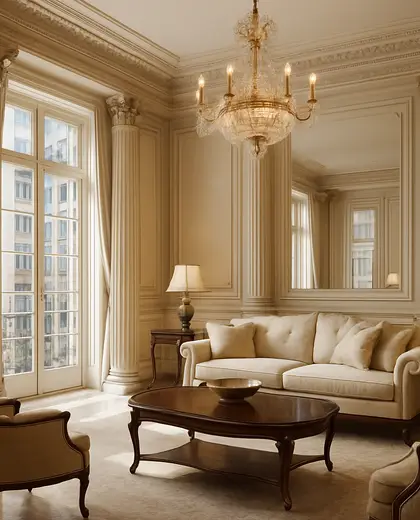
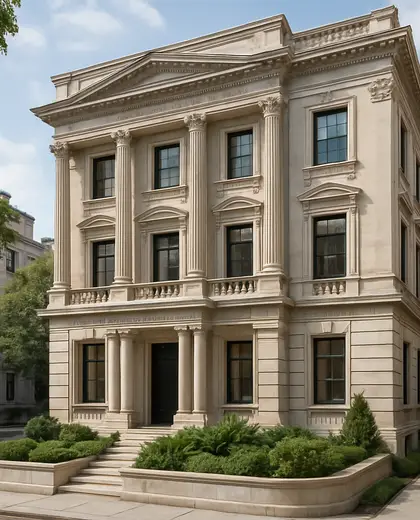
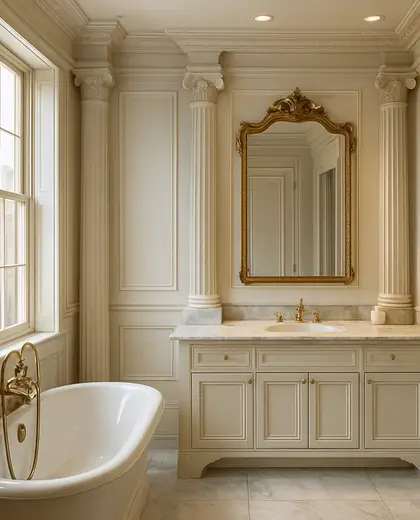
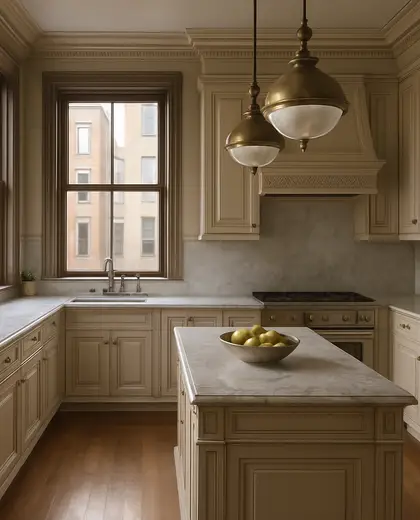
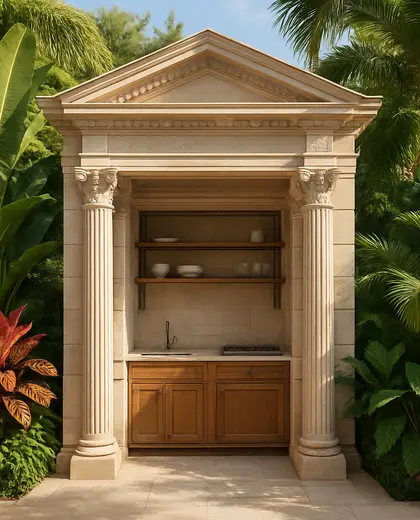
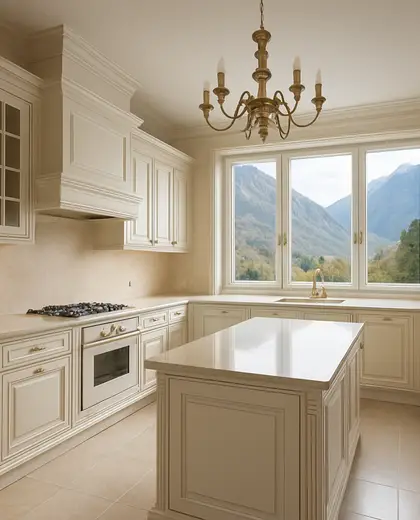
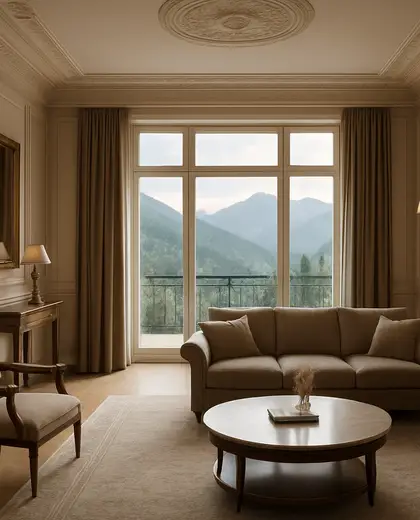
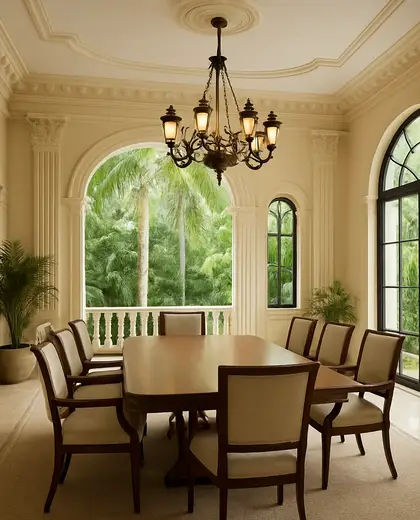
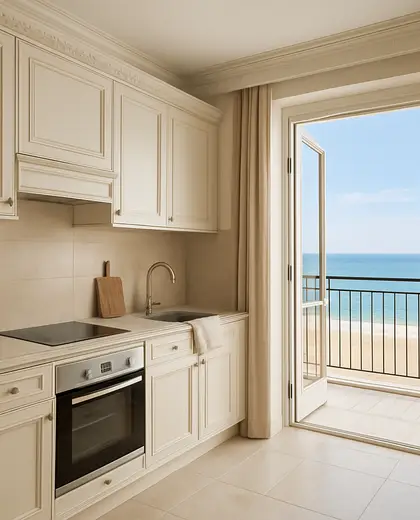
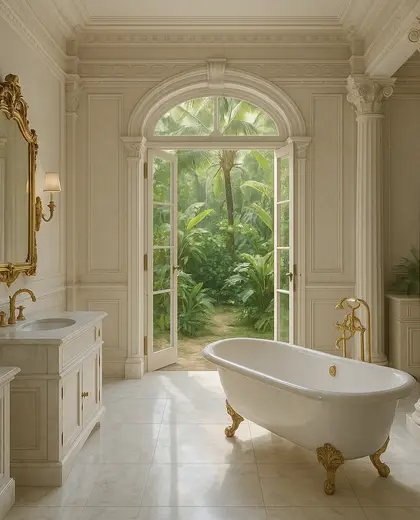
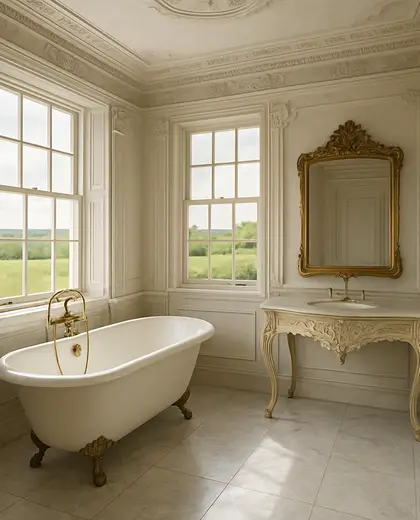
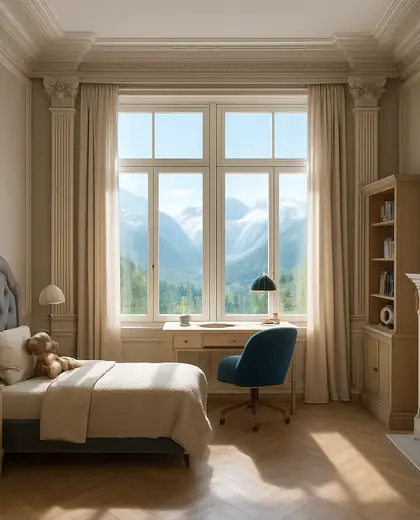
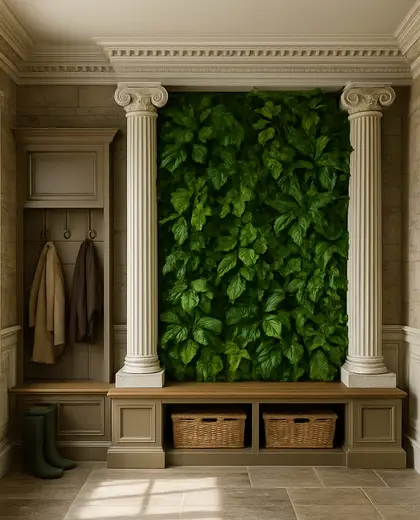
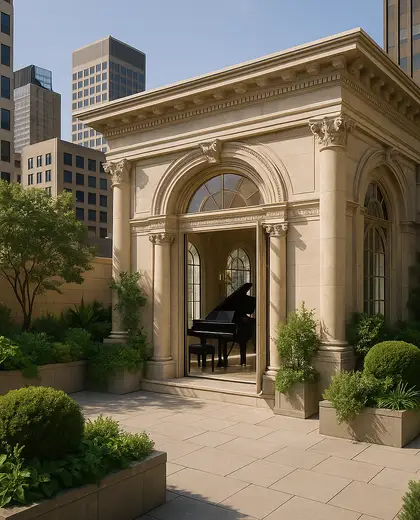
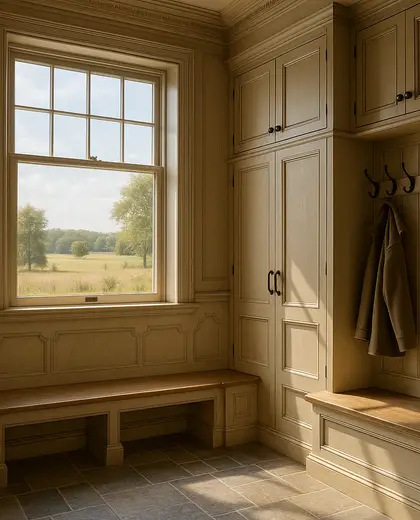
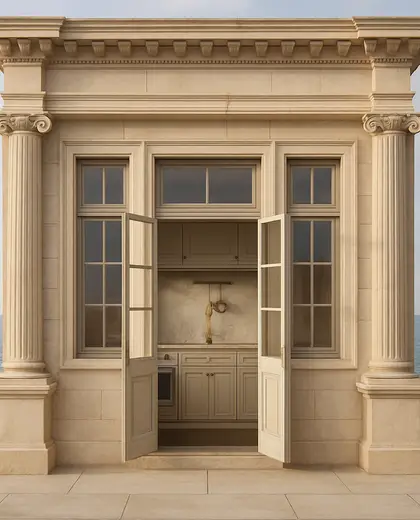
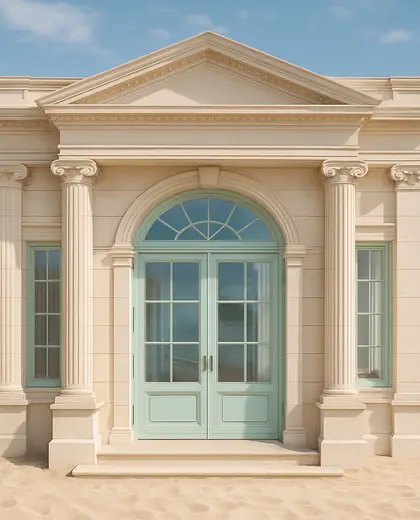
Neoclassical composition is defined by balanced symmetry, refined moldings, and classical details such as columns, pilasters, cornices, and paneled walls. It typically uses stone, plaster, wood, marble, brass, and upholstered textiles in a restrained, formal arrangement. The palette is usually light and muted, with whites, creams, taupe, soft gray, and occasional deep accent tones.
- neoclassical
— References
References to explore
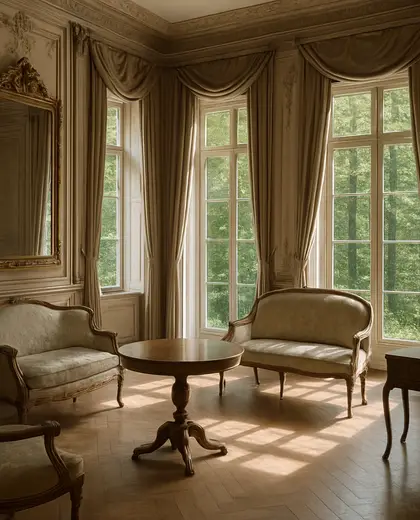
What makes a space feel neoclassical instead of traditional?
Neoclassical spaces use classical motifs, but they are cleaner and more controlled than ornate historic styles. The layout is usually symmetrical, the detailing is crisp, and decoration is edited rather than layered.


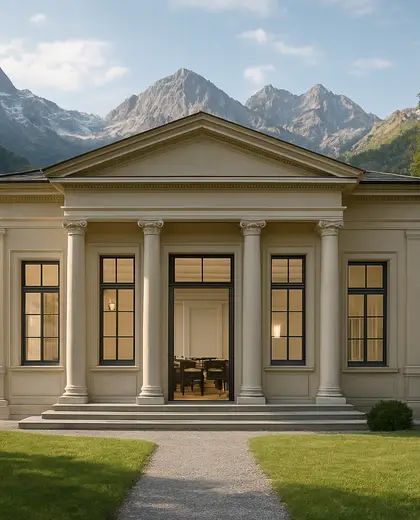
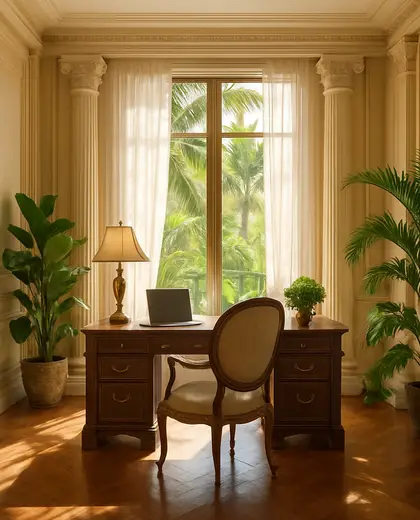
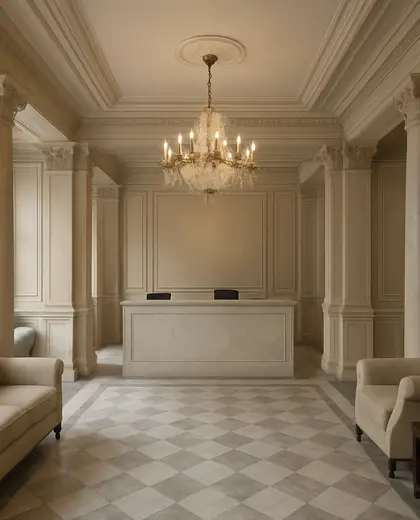
Can neoclassical work in a small home?
Yes, if the details are scaled carefully. Use lighter colors, simpler moldings, and fewer decorative elements so the room still feels open.

Does neoclassical have to feel formal?
No, it can be softened with relaxed upholstery, simpler lighting, and contemporary pieces. The key is keeping the classical structure while reducing visual clutter.

— The style
What defines it
Plaster moldings, marble, painted wood, brass, velvet, linen, and occasionally stone or parquet flooring.
Mostly white, cream, ivory, beige, gray, and soft greige, with dark wood or muted jewel tones used sparingly for contrast.
Modern lighting, contemporary art, natural wood, and simple furniture silhouettes to keep the space from feeling overly ornate.
— Professionals
Who has already built it




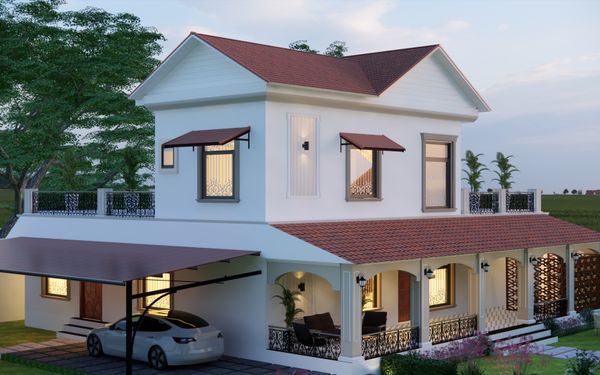

- ar ravina lohararchitects · Pune · 3 projectsView profile →
- mawar electrical serviceselectricians · Bengaluru · 1 projectsView profile →
- the achievers archsmart home professionals · Delhi · 1 projectsView profile →
- home interior decoratorscarpenters · Rampur · 3 projectsView profile →
— Questions
Frequently asked questions
What makes a space feel neoclassical instead of traditional?
Neoclassical spaces use classical motifs, but they are cleaner and more controlled than ornate historic styles. The layout is usually symmetrical, the detailing is crisp, and decoration is edited rather than layered.
Can neoclassical work in a small home?
Yes, if the details are scaled carefully. Use lighter colors, simpler moldings, and fewer decorative elements so the room still feels open.
Does neoclassical have to feel formal?
No, it can be softened with relaxed upholstery, simpler lighting, and contemporary pieces. The key is keeping the classical structure while reducing visual clutter.