— Ideas & inspiration
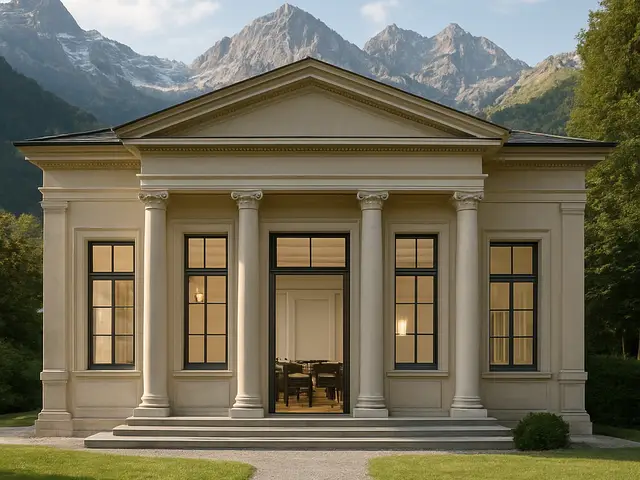
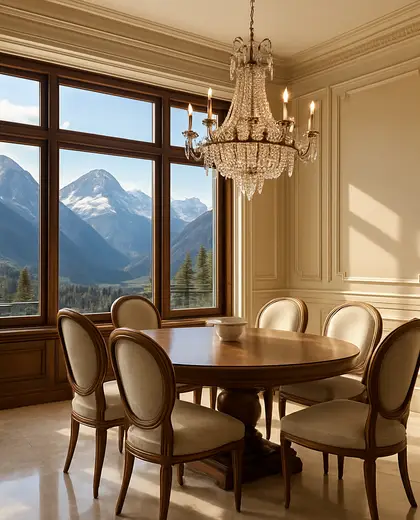
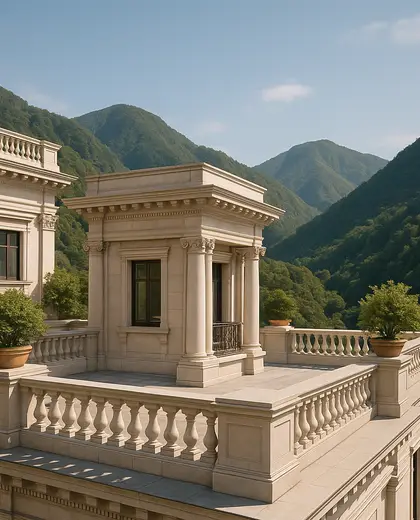
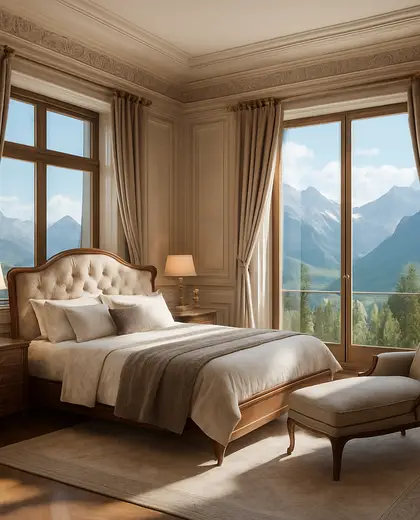
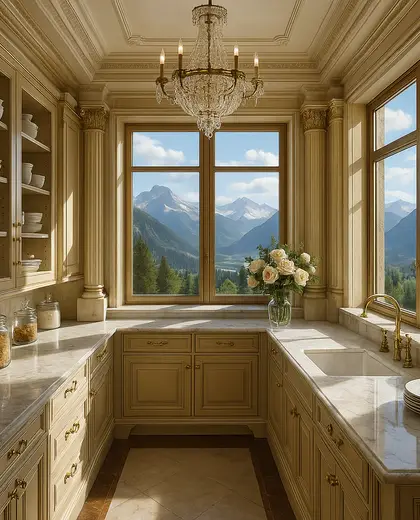
Neoclassical warmth framed by mountain light
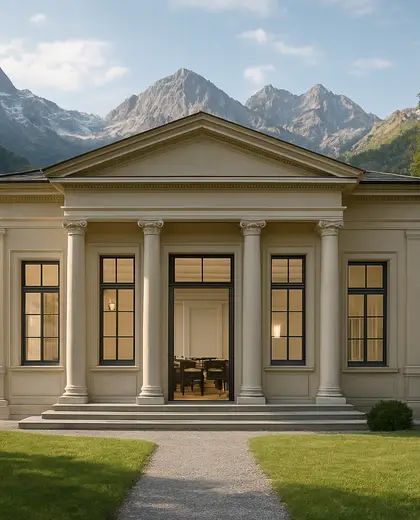
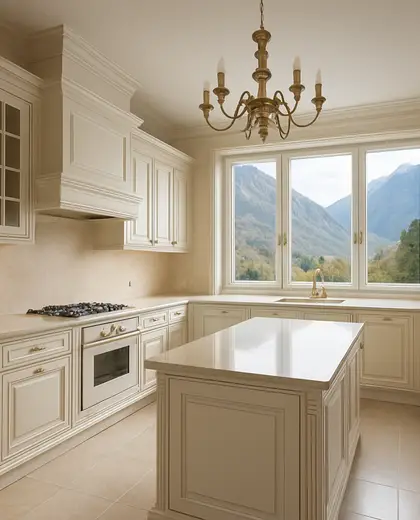
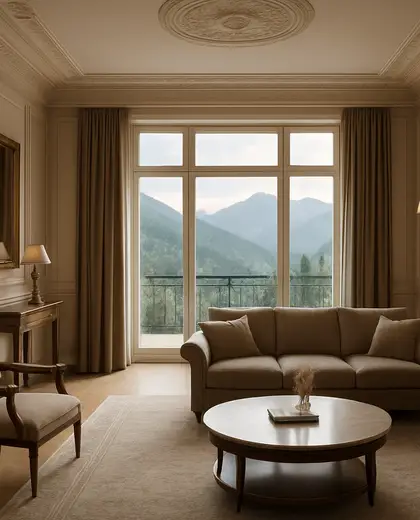
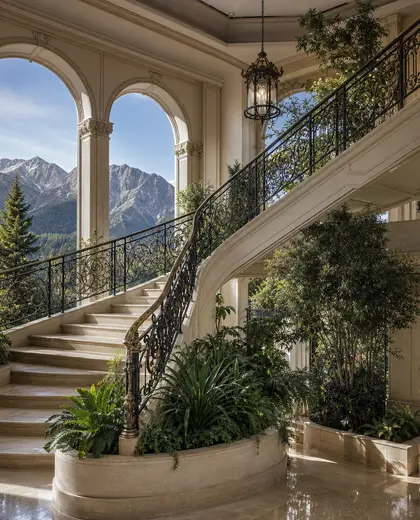
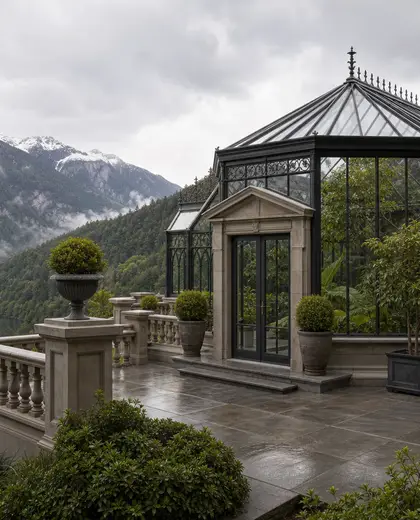
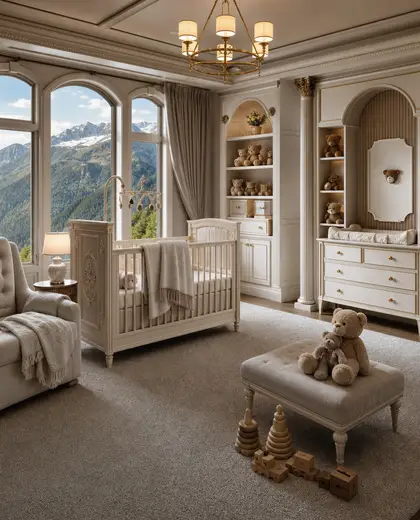
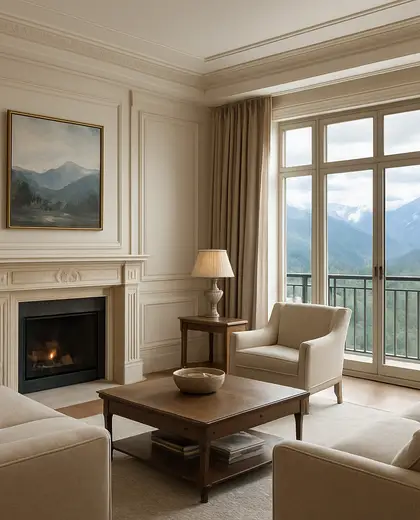
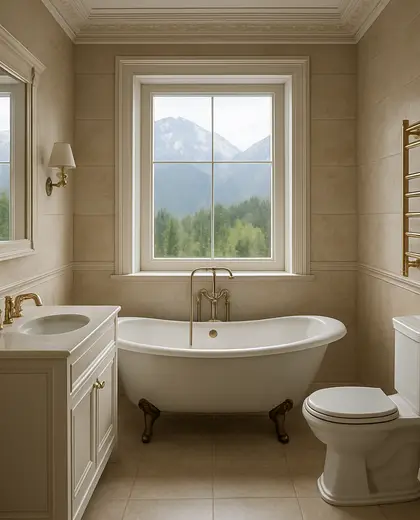
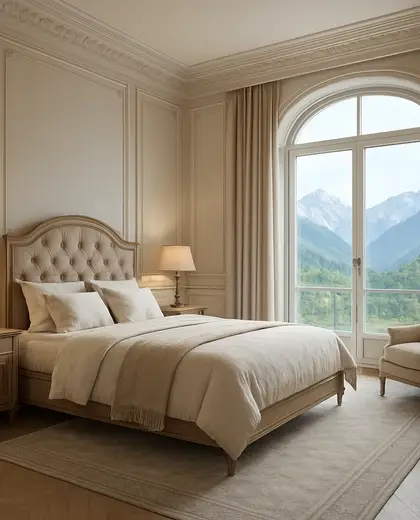
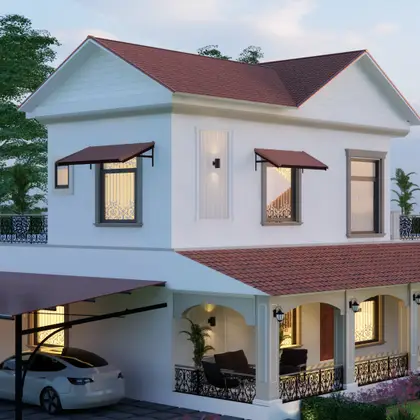
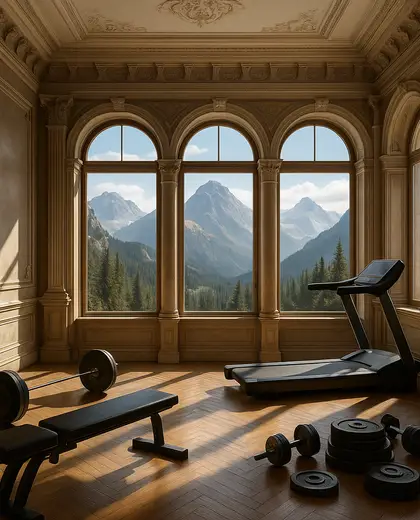
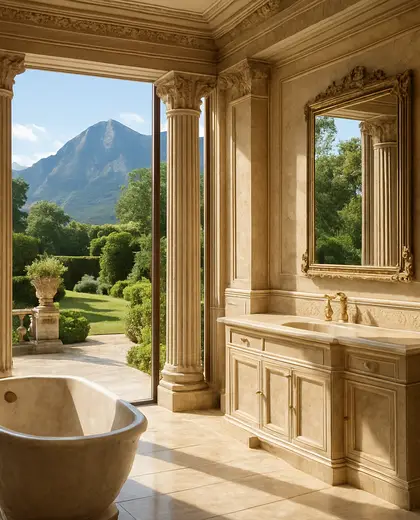
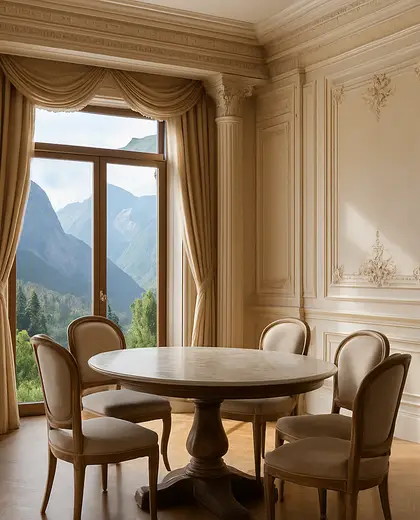
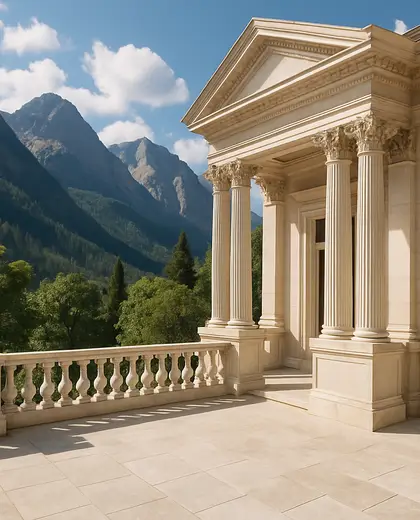
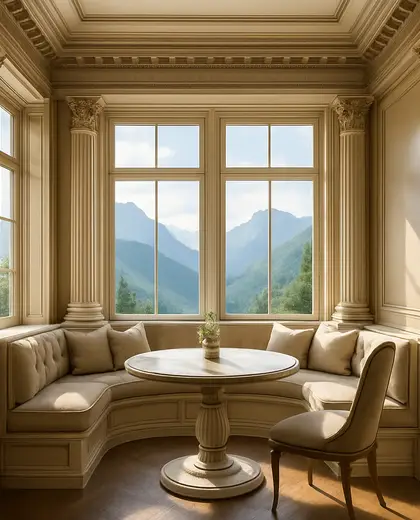
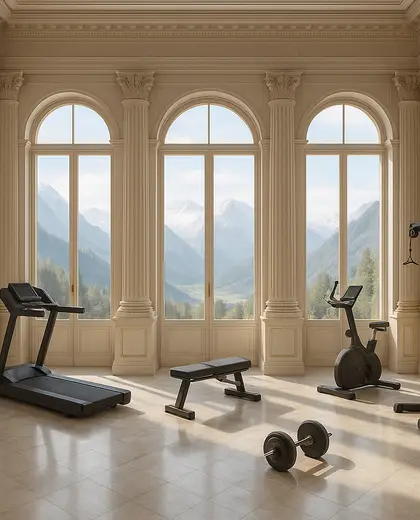
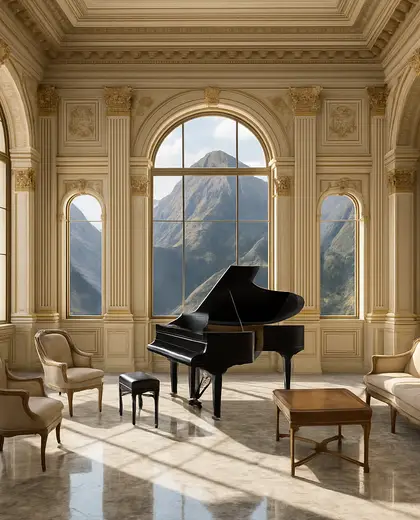
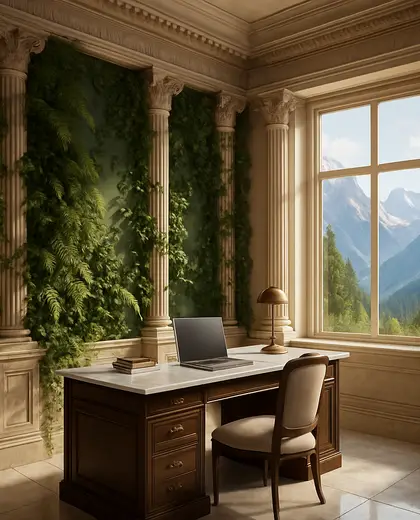
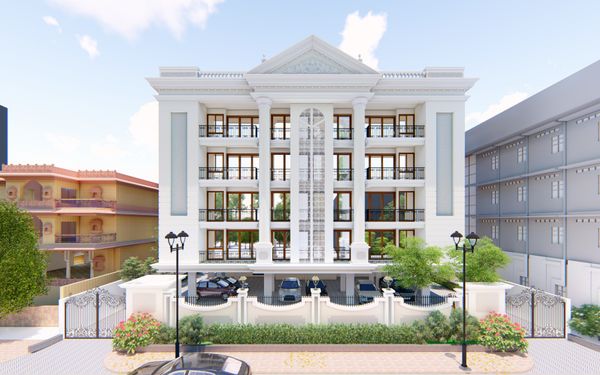
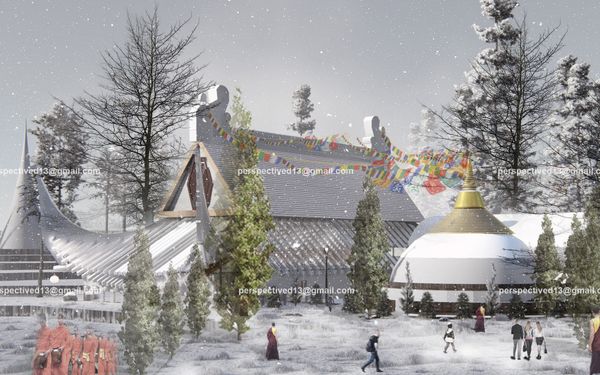
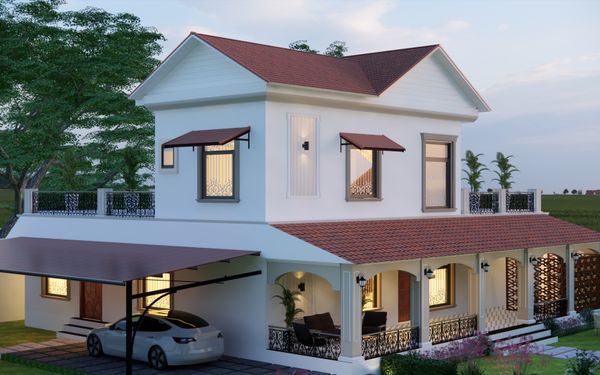
This composition pairs neoclassical symmetry and proportion with the grounded character of mountain architecture. Expect stone or timber exteriors, tall openings, simple rooflines, and restrained classical details set against a palette of warm neutrals, gray stone, and natural wood. The result feels formal but sturdy, with elegant columns, pilasters, cornices, or balanced façades adapted to a rugged setting.
- neoclassical
- mountain
— References
References to explore
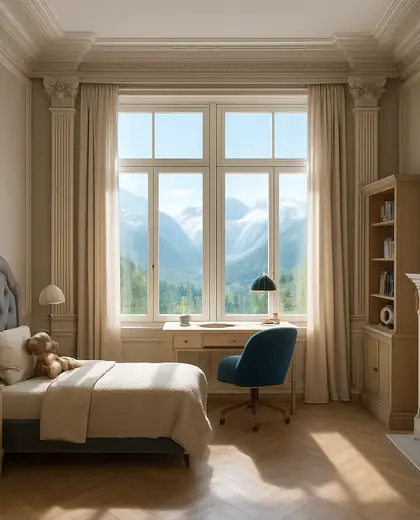
How does neoclassical style work in a mountain setting?
It is usually simplified and grounded: the symmetry and proportions stay, while the materials become heavier and more weather-aware, with stone bases, deeper eaves, and stronger roof profiles.
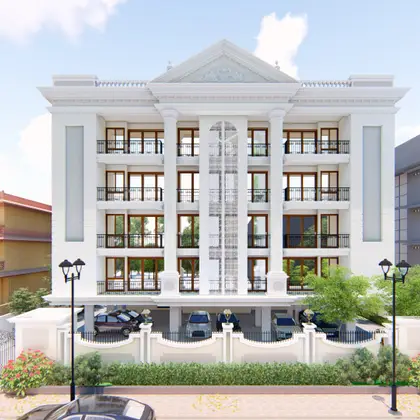
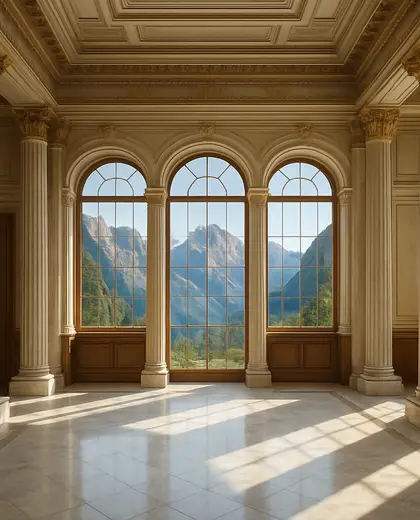
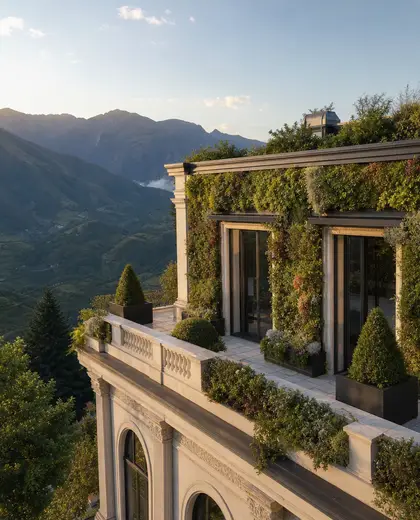
What details make it feel neoclassical without looking formal?
Use balanced façades, tall windows, modest columns or pilasters, clean cornices, and limited ornament so the house reads elegant rather than ornate.
Which materials are best for this look?
Stone and timber are the most common choices, often paired with plaster, painted trim, and metal roofing to keep the house durable and visually calm in a mountain climate.
— The style
What defines it
Natural stone, wood cladding, lime plaster, metal roofing, and refined trim details.
Warm whites, soft beige, taupe, charcoal, slate gray, and muted timber tones.
Mountain forms, heavy masonry bases, steep roofs, broad porches, and classical symmetry.
— Professionals
Who has already built it



- pavit ceramics pvt ltdceramic manufacturers · Ahmedabad · 2 projectsView profile →
- breathing design studiosarchitects · Mumbai · 1 projectsView profile →
- Bristolfurniture sellers · Bangalore · 6 projectsView profile →
- FurnitureRootsfurniture makers · Jodhpur · 6 projectsView profile →
— Explore
Keep exploring
— Questions
Frequently asked questions
How does neoclassical style work in a mountain setting?
It is usually simplified and grounded: the symmetry and proportions stay, while the materials become heavier and more weather-aware, with stone bases, deeper eaves, and stronger roof profiles.
What details make it feel neoclassical without looking formal?
Use balanced façades, tall windows, modest columns or pilasters, clean cornices, and limited ornament so the house reads elegant rather than ornate.
Which materials are best for this look?
Stone and timber are the most common choices, often paired with plaster, painted trim, and metal roofing to keep the house durable and visually calm in a mountain climate.