— Ideas & inspiration
Neoclassical elegance in an urban setting
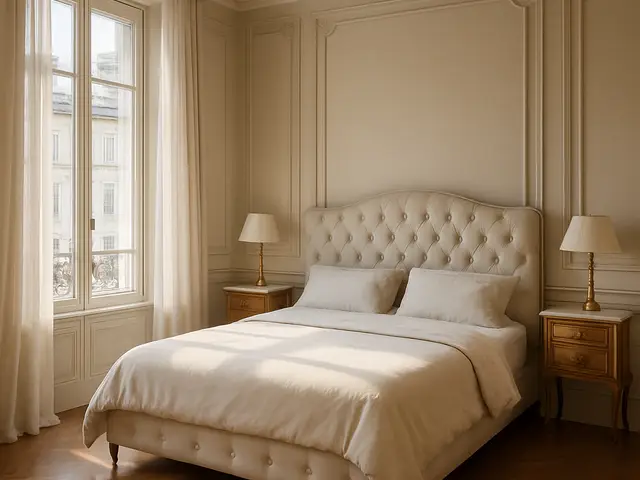
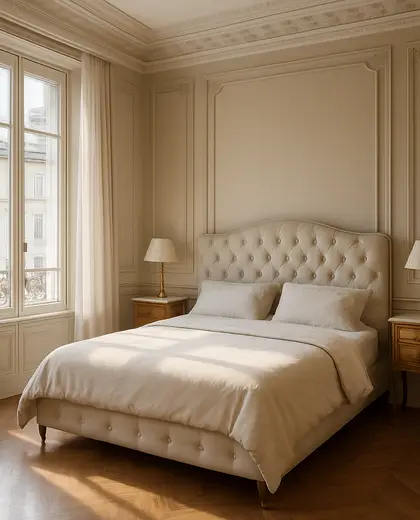
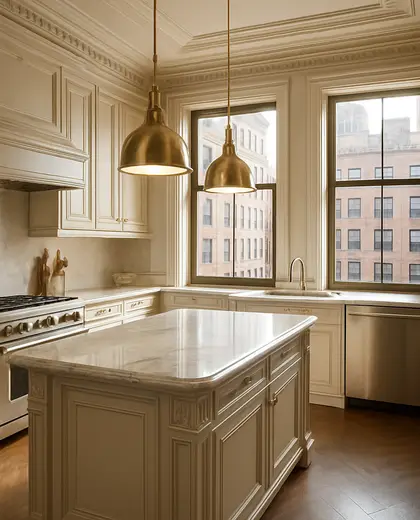
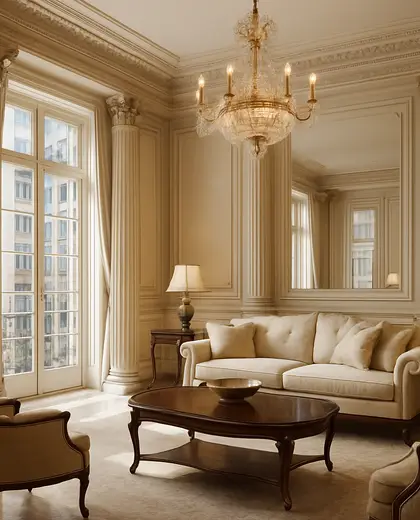
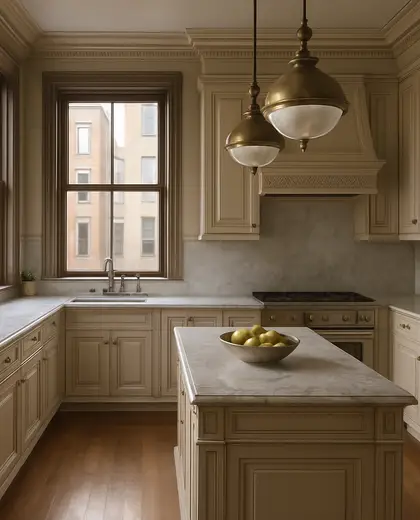
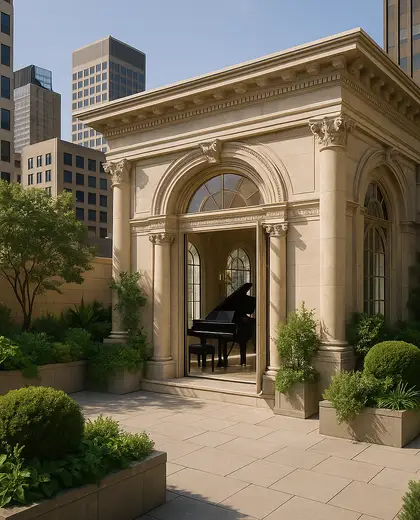
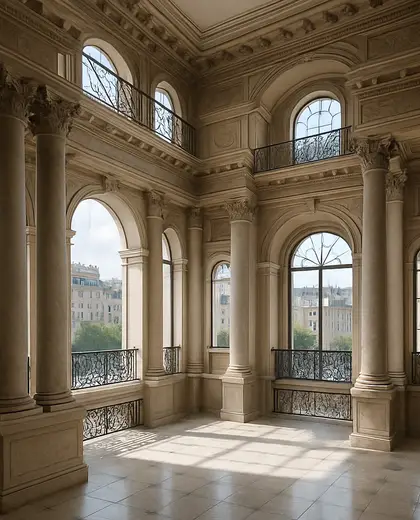
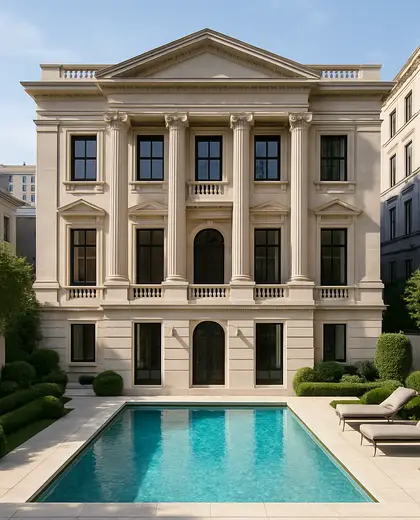
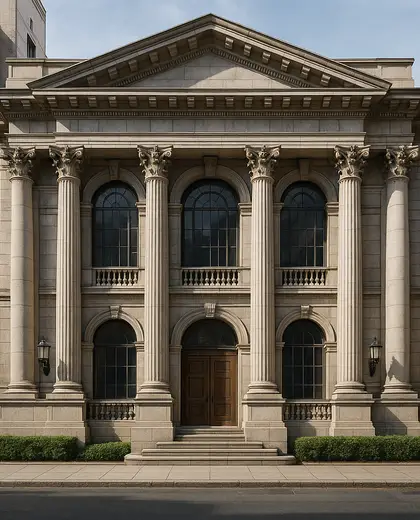
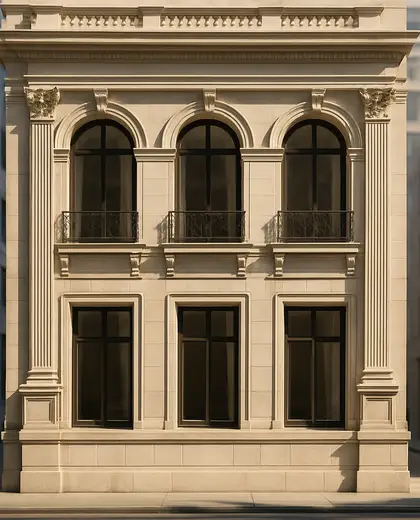
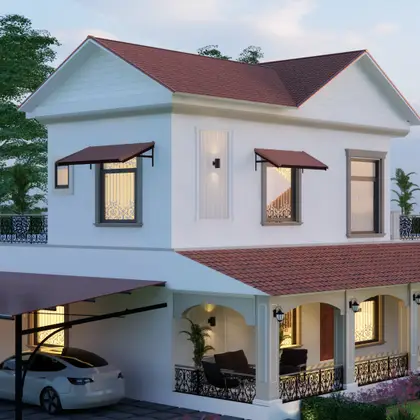
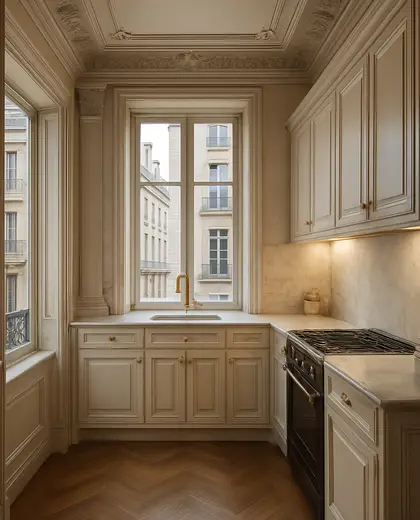
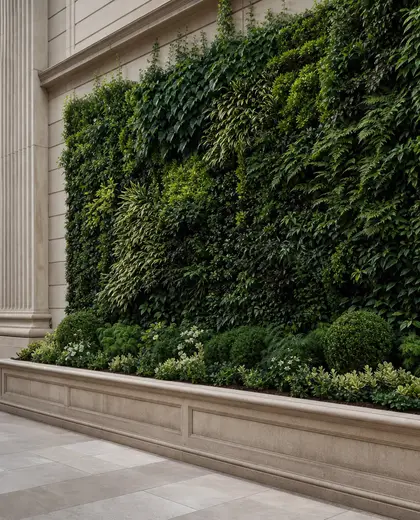
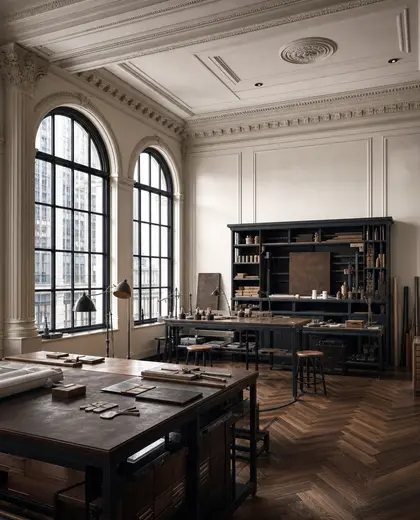
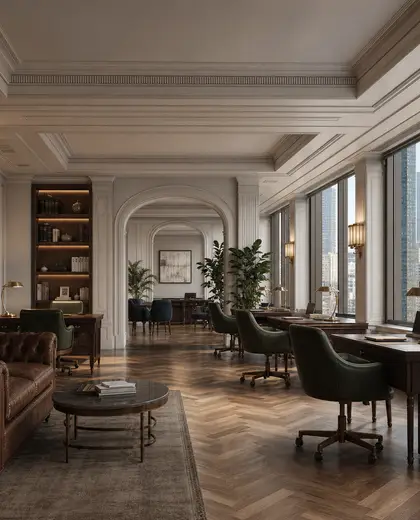
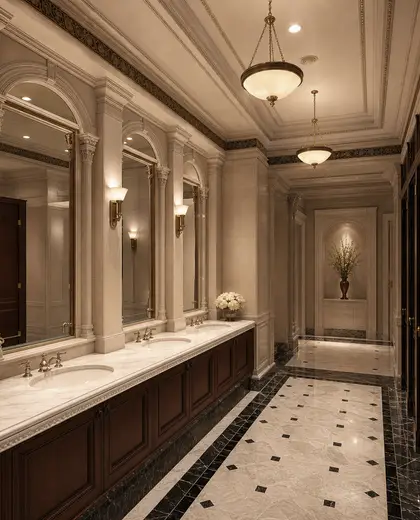
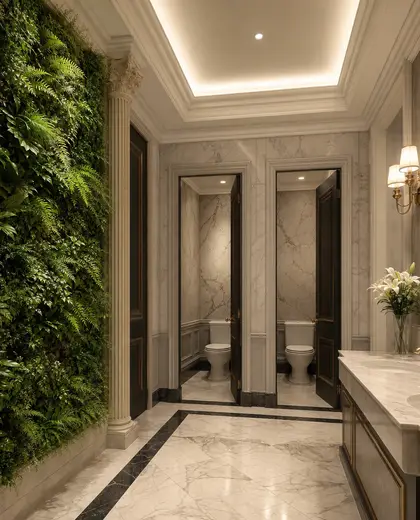
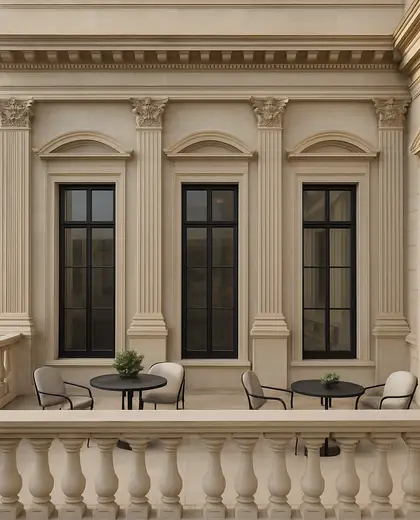
This composition pairs neoclassical symmetry and ornament with the grit and scale of the city. Expect stone, plaster, wrought iron, and tall windows, often set against a restrained palette of white, cream, gray, charcoal, and black. The look is defined by columns, cornices, balanced facades, and refined detailing adapted to dense streets and compact lots.
- neoclassical
- urban
— References
References to explore
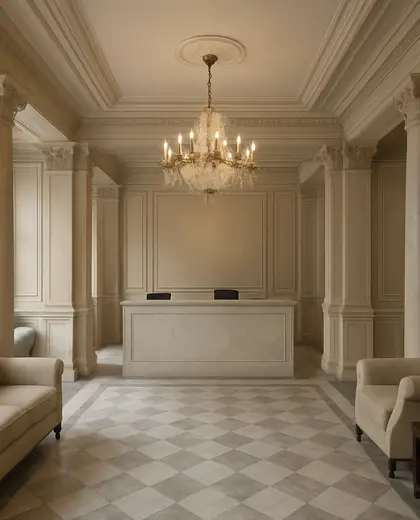
Will a neoclassical urban look feel too formal for a city home?
It can feel formal, but urban planning usually softens it with simpler massing, slimmer profiles, and fewer decorative layers.
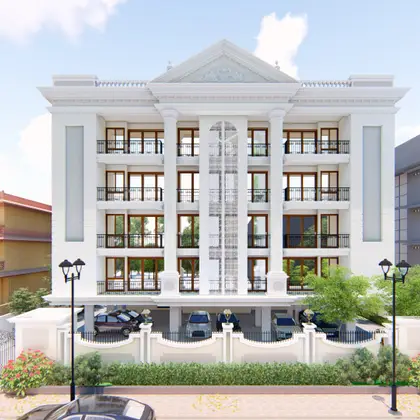
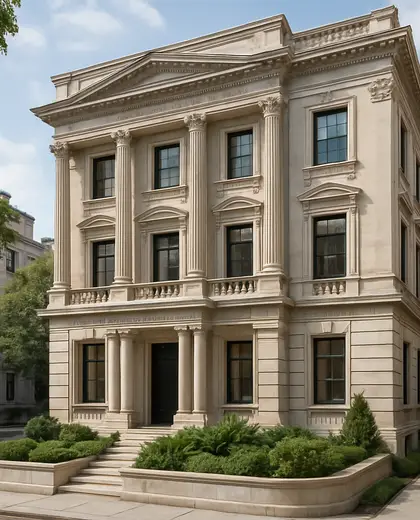
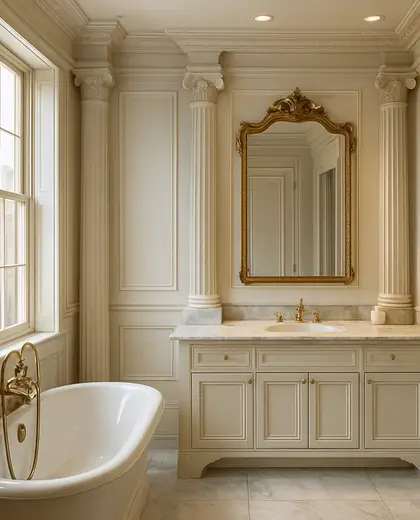
What exterior details make this style read as neoclassical?
Look for symmetry, pilasters or columns, cornices, balustrades, centered entries, and evenly spaced windows.

Does this composition work on a narrow city lot?
Yes. The style adapts well when the facade keeps classical order while using a compact footprint and taller proportions.
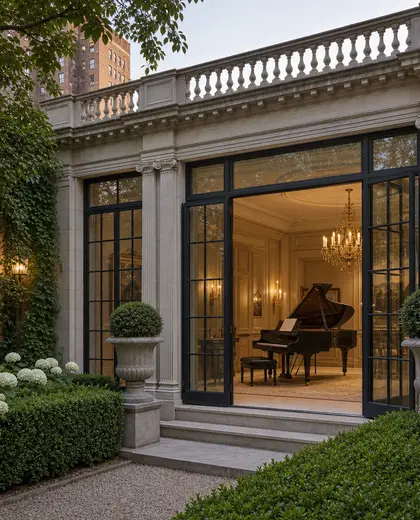
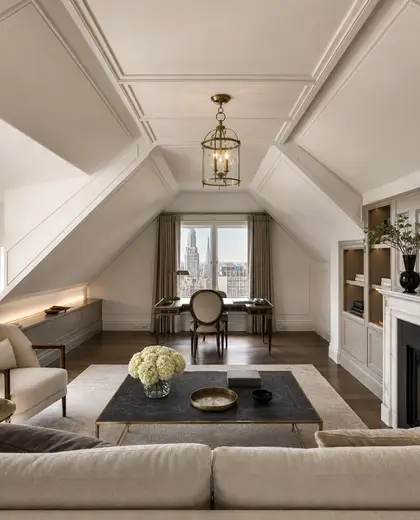
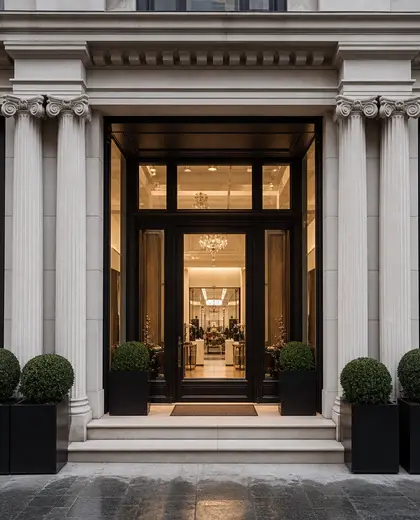
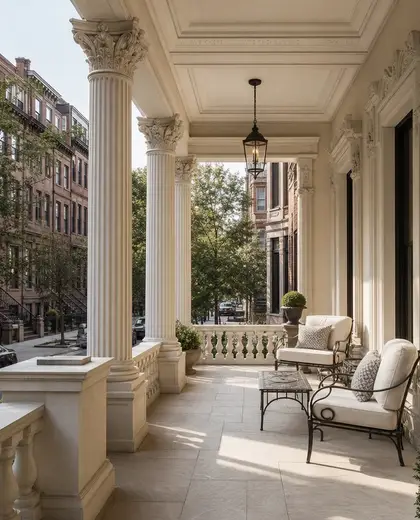

— The style
What defines it
Stone, stucco or plaster, painted wood, wrought iron, and sometimes glass and metal details.
Mostly neutral: white, ivory, warm gray, charcoal, black, with occasional muted bronze or deep green accents.
Urban materials and proportions such as larger window openings, tighter frontage, paved entries, and contemporary construction.
— Professionals
Who has already built it
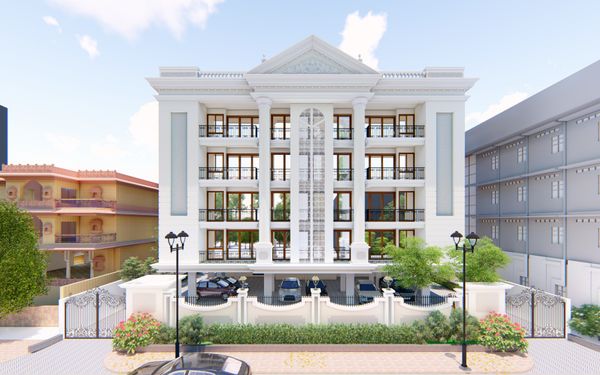



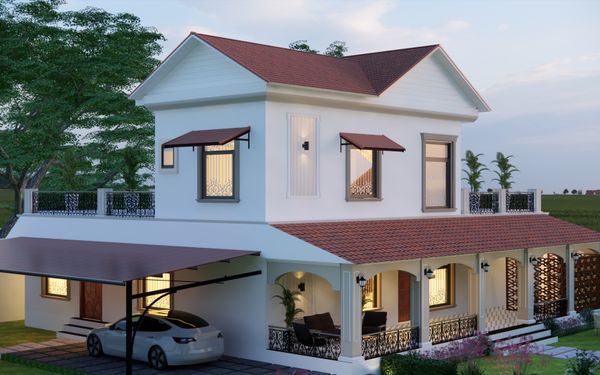

- sunal groverarchitects · 2 projectsView profile →
- the achievers archsmart home professionals · Delhi · 1 projectsView profile →
- home interior decoratorscarpenters · Rampur · 3 projectsView profile →
- pavit ceramics pvt ltdceramic manufacturers · Ahmedabad · 2 projectsView profile →
— Explore
Keep exploring
— Questions
Frequently asked questions
Will a neoclassical urban look feel too formal for a city home?
It can feel formal, but urban planning usually softens it with simpler massing, slimmer profiles, and fewer decorative layers.
What exterior details make this style read as neoclassical?
Look for symmetry, pilasters or columns, cornices, balustrades, centered entries, and evenly spaced windows.
Does this composition work on a narrow city lot?
Yes. The style adapts well when the facade keeps classical order while using a compact footprint and taller proportions.