— Ideas & inspiration
Urban kitchen living
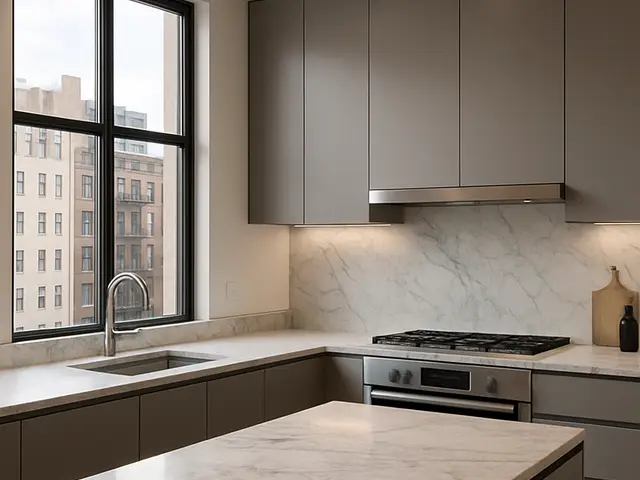
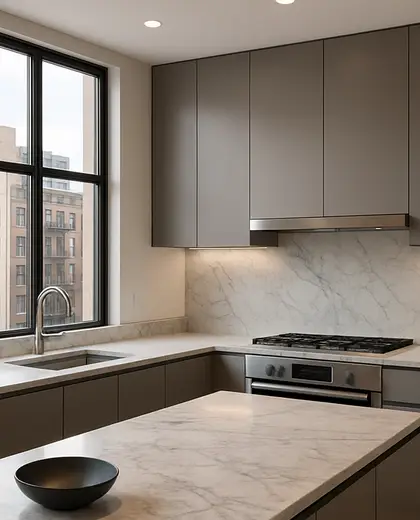
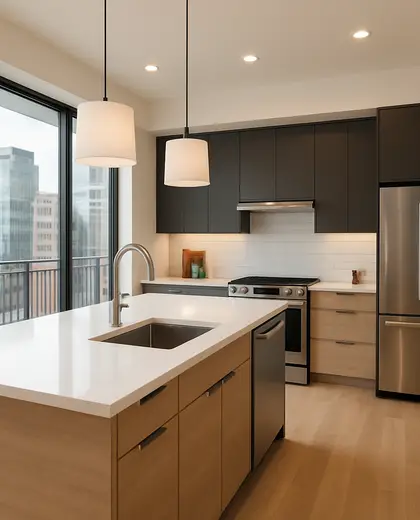
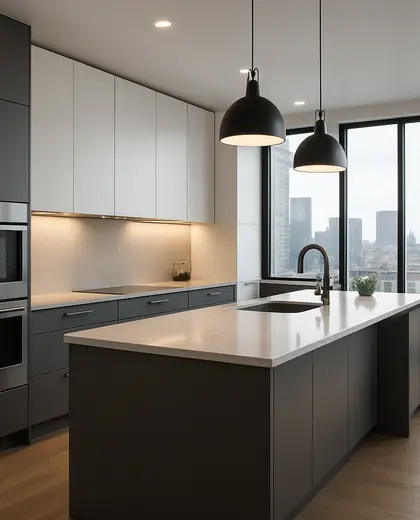
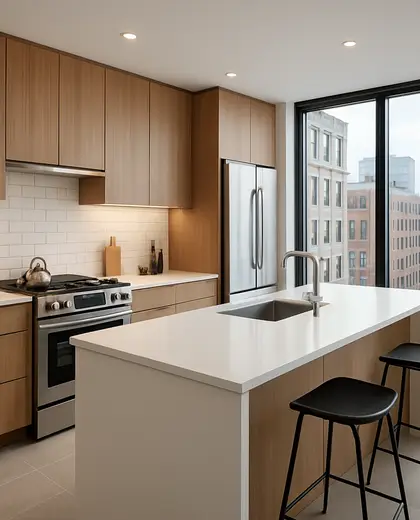
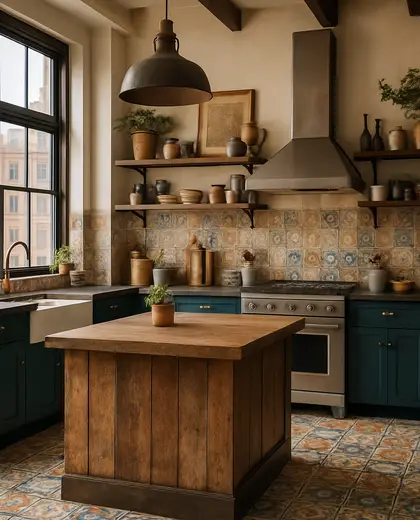
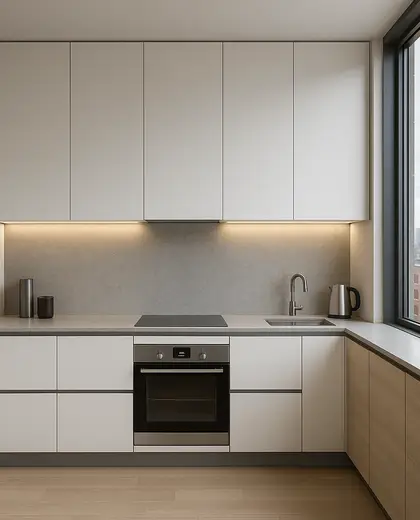
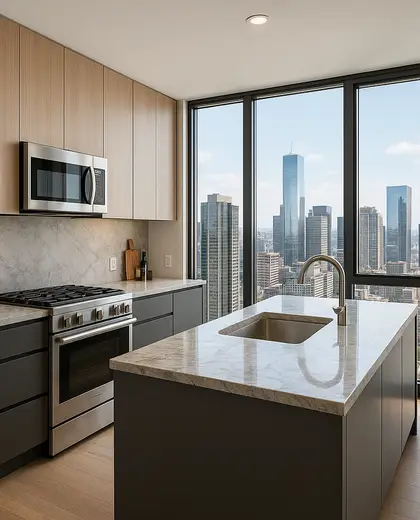
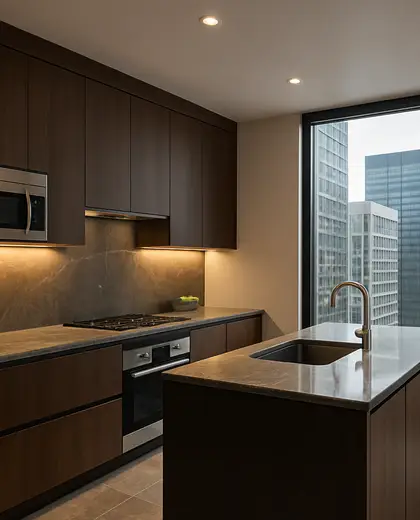
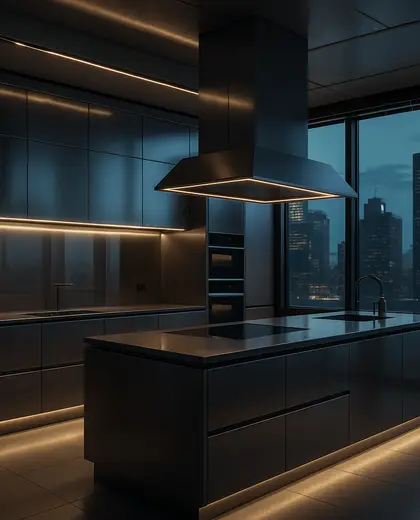
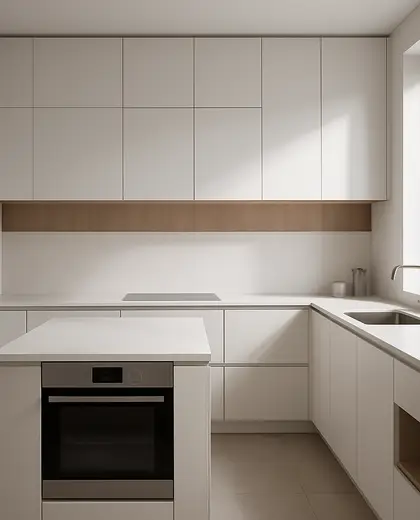
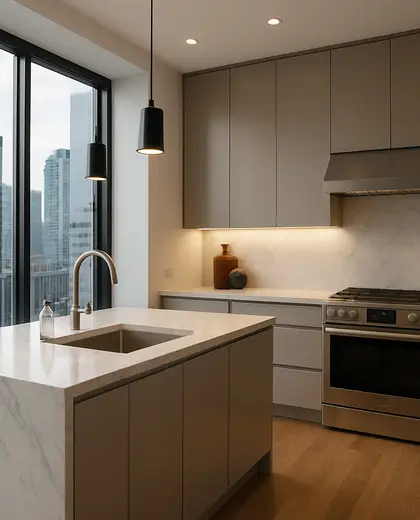
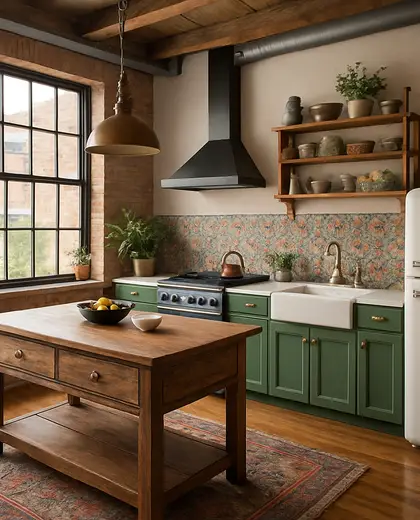
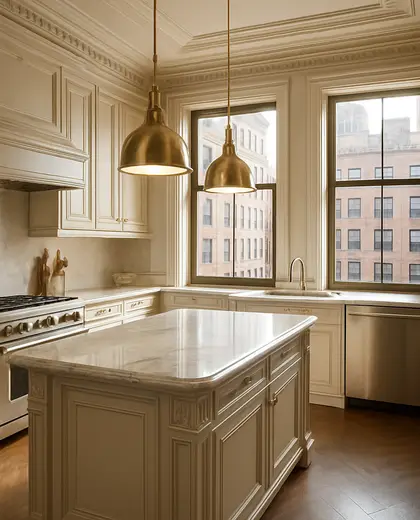
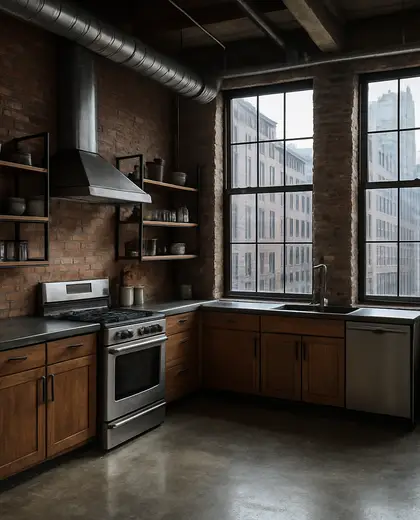
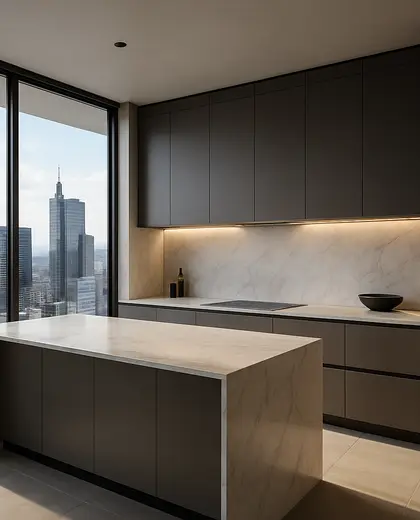
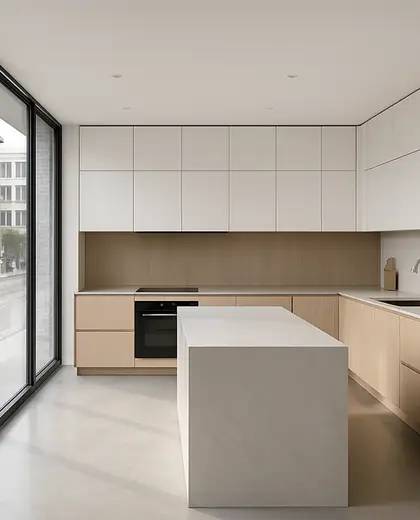
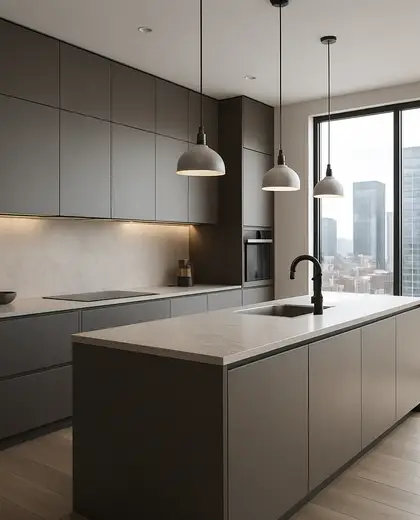
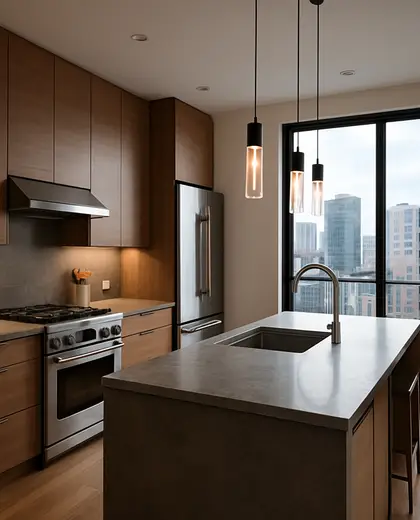
An urban kitchen is defined by durable, city-ready materials such as concrete, steel, stone, dark wood, and matte lacquer. The palette often leans toward neutral greys, black, white, and warm wood tones, with clean lines, integrated storage, and open-plan layouts that connect cooking to living. Exposed structure, tall windows, and industrial details are common, giving the space a compact but refined metropolitan character.
- kitchen
- urban
— References
References to explore
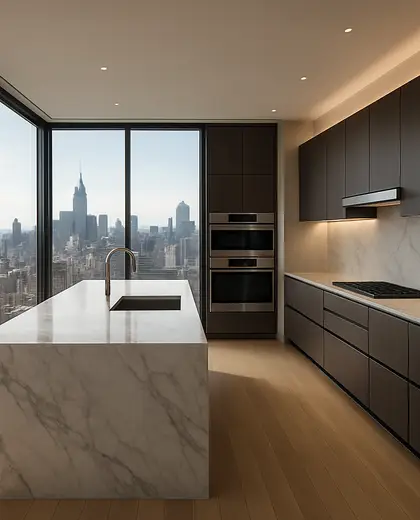
What makes a kitchen feel urban rather than traditional?
An urban kitchen usually uses sharper lines, harder-wearing materials, and a more restrained palette. It often emphasizes an open layout and architectural features instead of decorative detailing.
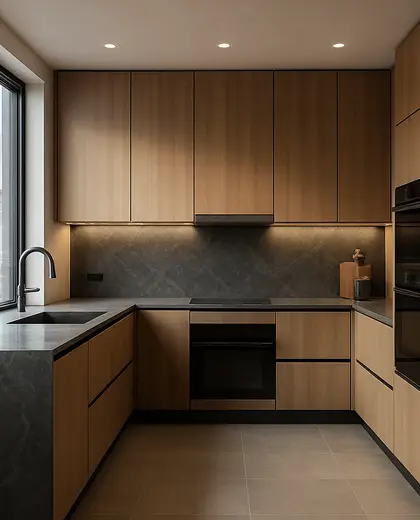
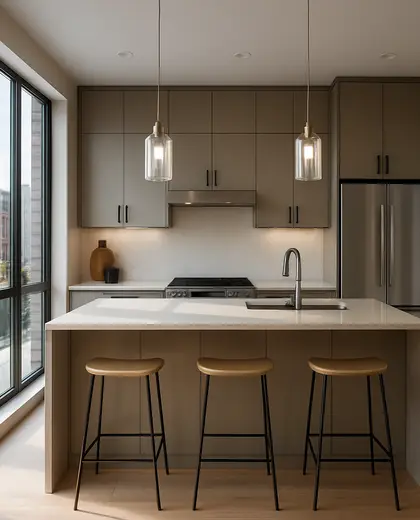
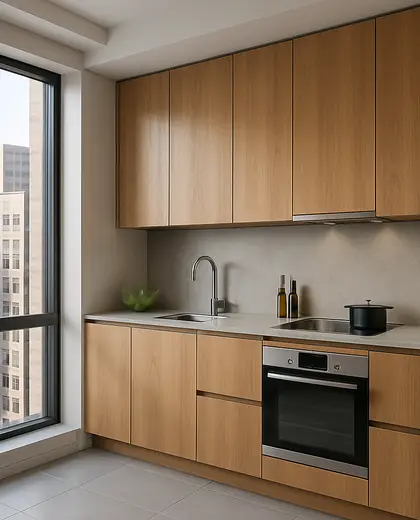
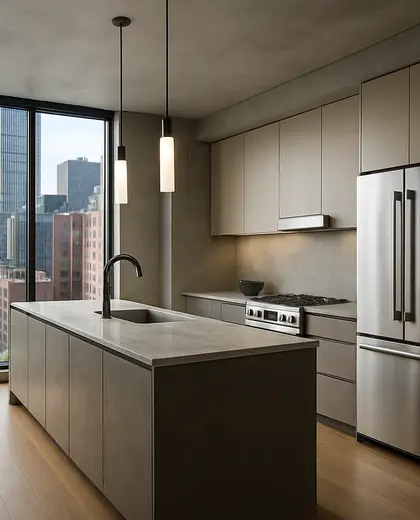
Can an urban kitchen still feel warm?
Yes. Warmth usually comes from timber, layered lighting, textured surfaces, and softer furnishings rather than ornate finishes. The look stays clean, but not cold.
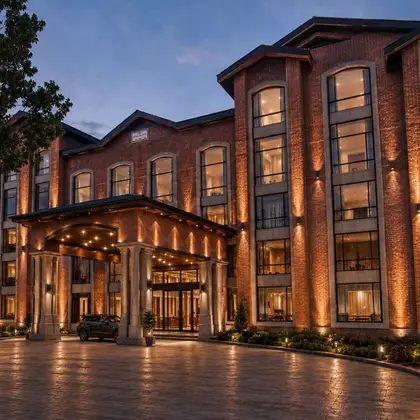
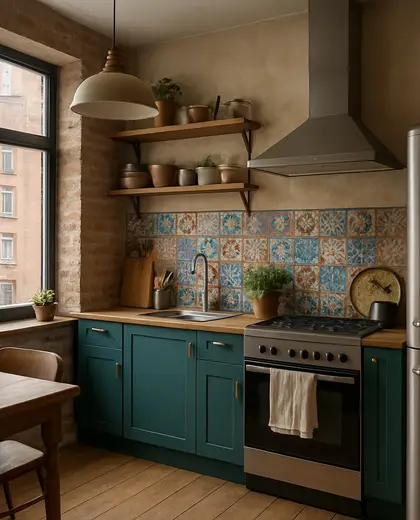
Does this style work in small apartments?
It can work very well in compact homes because it favors efficient storage, slim profiles, and simple surfaces. The key is keeping the layout clear and avoiding visual clutter.
— The style
What defines it
Concrete, stainless steel, stone, glass, blackened metal, and sealed wood are common choices for an urban kitchen.
Mostly neutral and restrained: grey, charcoal, black, white, and natural timber, sometimes softened with warm lighting or muted color accents.
Often paired with open living areas, loft-style interiors, dining zones, and architectural elements such as brick, exposed beams, or large city-facing windows.
— Professionals
Who has already built it



- sanket jagtapinterior designers · Kalyan · 7 projectsView profile →
- the achievers archsmart home professionals · Delhi · 1 projectsView profile →
- home interior decoratorscarpenters · Rampur · 3 projectsView profile →
- pavit ceramics pvt ltdceramic manufacturers · Ahmedabad · 2 projectsView profile →
— Questions
Frequently asked questions
What makes a kitchen feel urban rather than traditional?
An urban kitchen usually uses sharper lines, harder-wearing materials, and a more restrained palette. It often emphasizes an open layout and architectural features instead of decorative detailing.
Can an urban kitchen still feel warm?
Yes. Warmth usually comes from timber, layered lighting, textured surfaces, and softer furnishings rather than ornate finishes. The look stays clean, but not cold.
Does this style work in small apartments?
It can work very well in compact homes because it favors efficient storage, slim profiles, and simple surfaces. The key is keeping the layout clear and avoiding visual clutter.