— Blog · 3 November 2026 · 4 min read
garage renovation budget guide: what it really costs in India
A practical India-focused budget guide for renovating a garage, covering realistic cost bands, smart spending choices, hidden expenses, and where industrial detailing makes sense.
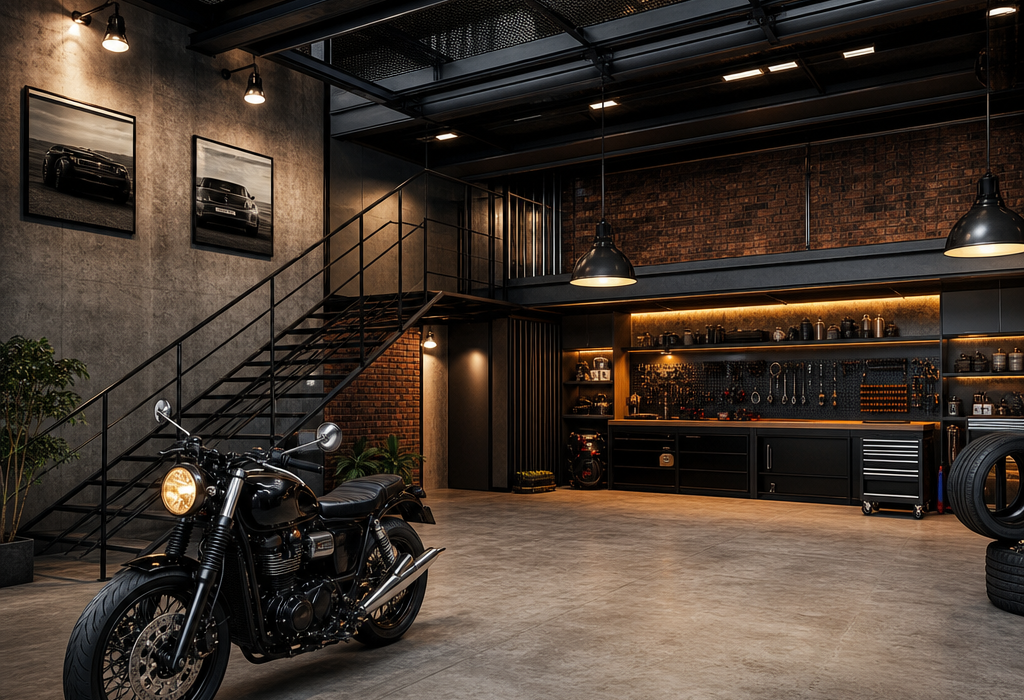
Start with the right budget band
For a basic garage refresh in India, a simple repaint, floor patching, new lighting, and minor electrical fixes can often sit in the lower budget range, roughly around ₹50,000 to ₹1.5 lakh depending on size and condition. A mid-level renovation with epoxy flooring, better storage, upgraded shutter or door hardware, added power points, and improved waterproofing may move into the ₹1.5 lakh to ₹4 lakh bracket. If you are converting the space into a polished multi-use garage with insulation, false ceiling, custom cabinets, tiled or coated flooring, and smart lighting, costs can easily go higher. The biggest price difference usually comes from whether you are just improving usability or completely changing the garage into a finished interior-like space.
What pushes the cost up or down
Garage costs rise quickly when there is dampness, cracked flooring, termite damage in adjacent woodwork, weak wiring, or a leaking terrace above. The size of the garage, ceiling height, number of vehicles, and whether the space needs civil changes also matter. In Indian homes, a garage attached to the main house may need better finishes to match the rest of the home, while a detached garage can be kept more utilitarian. Material choice makes a large difference too: vitrified tiles, epoxy coating, aluminium shutters, and modular storage cost more than basic cement repair, washable paint, and MS shelving. Labour rates vary by city as well, so renovation in Mumbai, Bengaluru, Delhi NCR, or Pune will usually cost more than in smaller towns.
Where it pays to invest and where you can save
It is worth investing in waterproofing, floor strength, electrical safety, and good storage because these elements affect daily use and long-term durability. If you plan to park a car, choose a floor finish that resists tyre marks, oil stains, and dust; epoxy or heavy-duty floor coating is often better than a cosmetic paint job. Also spend on proper lighting, especially LED battens or surface-mounted fixtures, because garages are often used for tools, cleaning, and quick maintenance. You can save on decorative finishes, fancy wall cladding, or premium designer hardware if the garage is mainly for parking and storage. A simple industrial look often works best here: exposed conduits neatly arranged, metal racks, durable paint, and clean surfaces can look intentional without overspending.
Hidden costs people often forget
Many homeowners forget the smaller items that quietly add up, such as dismantling and debris removal, repainting the gate or shutter, replacing old locks, moving stored items, and temporary parking arrangements during the work. If the garage floor is lowered, raised, or re-sloped for drainage, civil work can add more than expected. There may also be extra costs for new cable runs, switchboards, water seepage treatment, anti-termite treatment near plinth areas, and the repair of skirting or plaster after plumbing or electrical work. If you want a neat finish, leave room in the budget for edge trims, sealants, and touch-up painting.
Plan the renovation in the smartest order
Begin with the essentials: structural repair, waterproofing, electrical upgrades, and flooring. After that, add storage, wall protection, and the final coat of paint. This order helps avoid rework and keeps spending under control. For an Indian home, a practical garage should feel tough, easy to clean, and safe rather than over-decorated. A clear budget split often works best: most of the money on durability, a smaller portion on looks, and just enough left for unforeseen fixes. That approach gives you a garage that stays functional through monsoons, dusty roads, and everyday use without inflating the bill.
Find the best architects and designers for your garage project
Free, no commitment / Less than 5 minutes
Are you an architect or designer? Sign up for free! »