— Ideas & inspiration
Vertical Garden
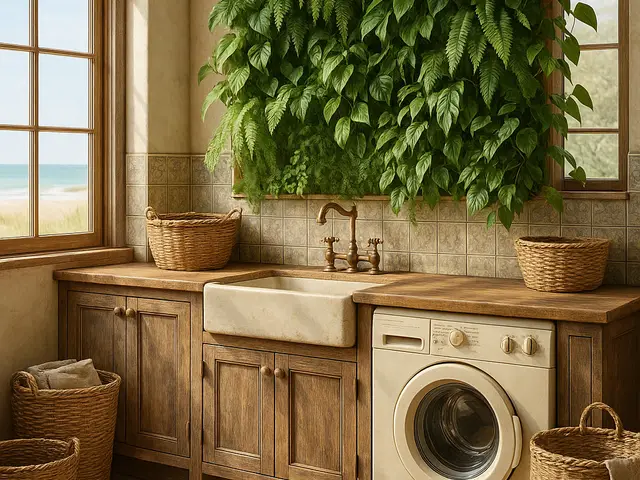
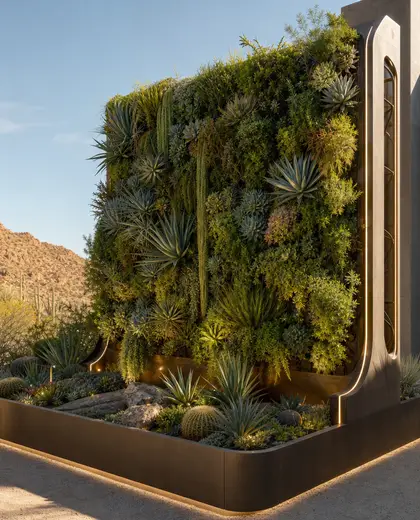
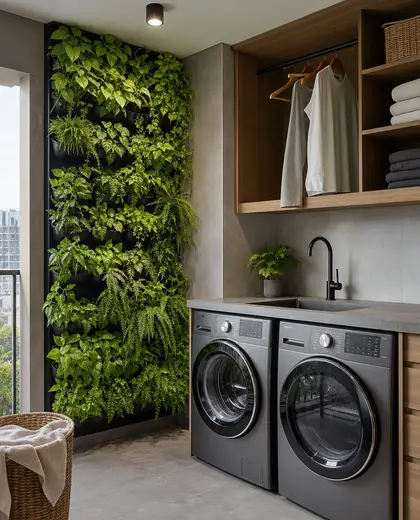
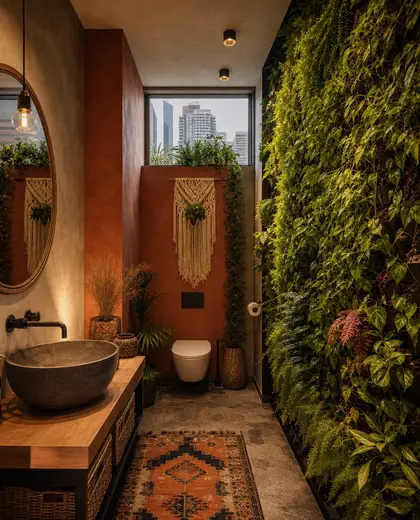
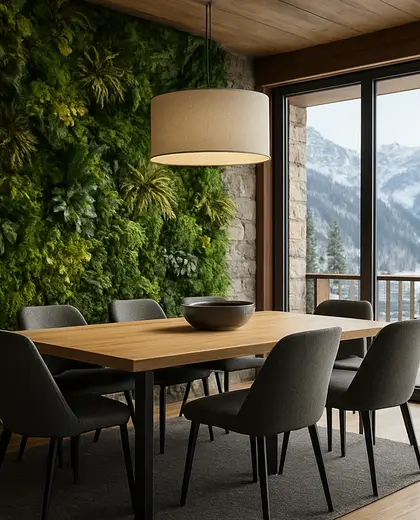
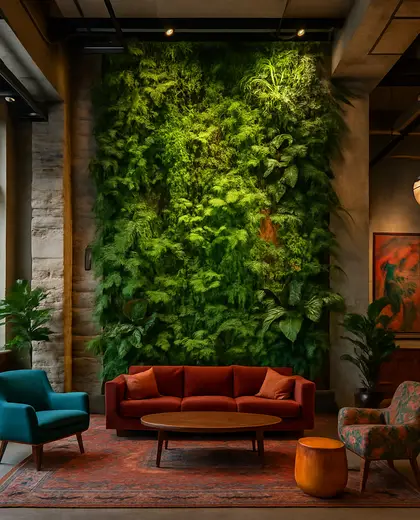
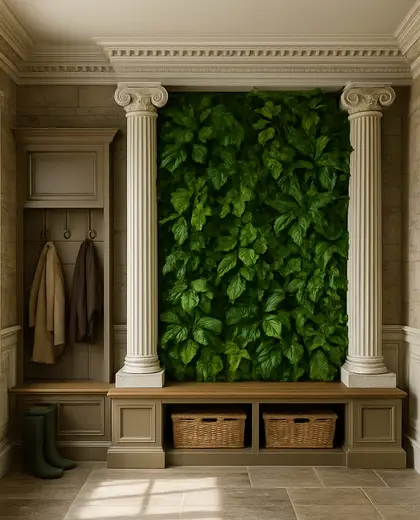
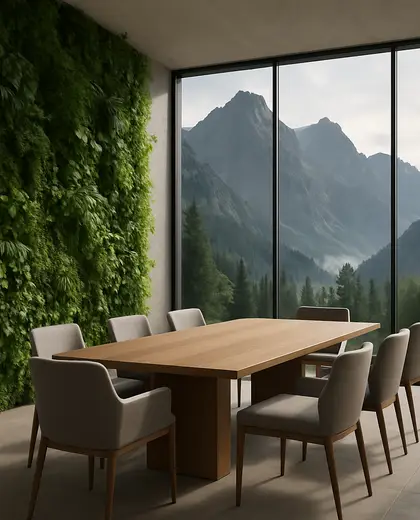
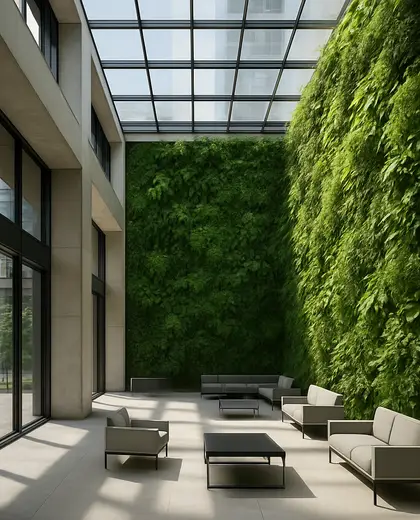
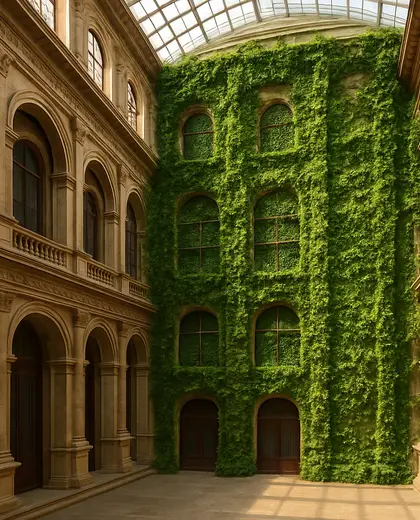
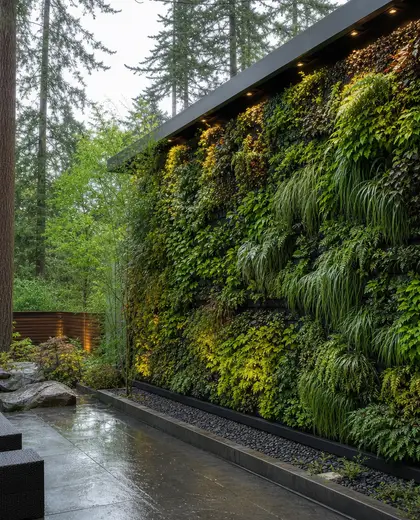
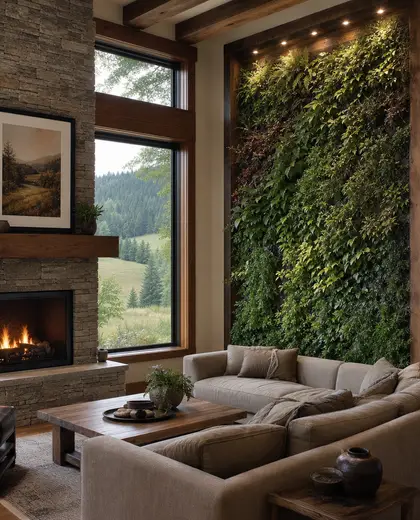
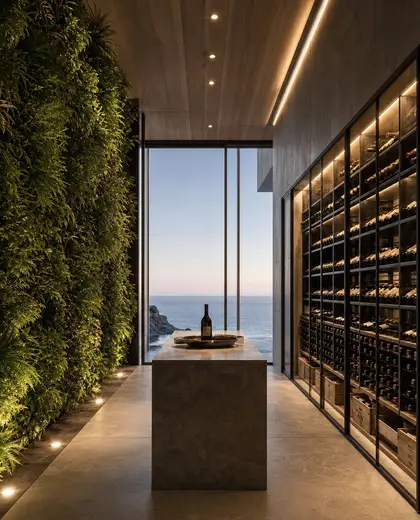
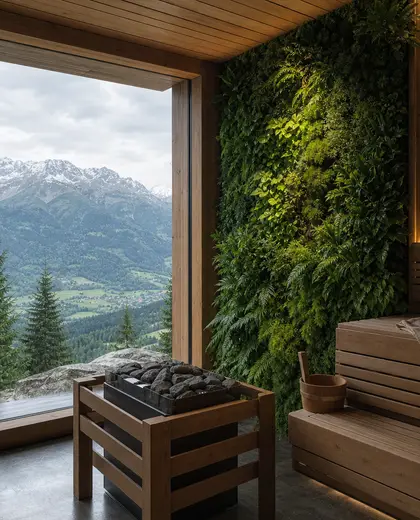
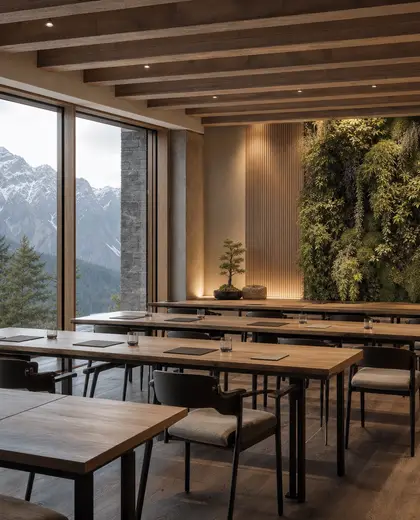
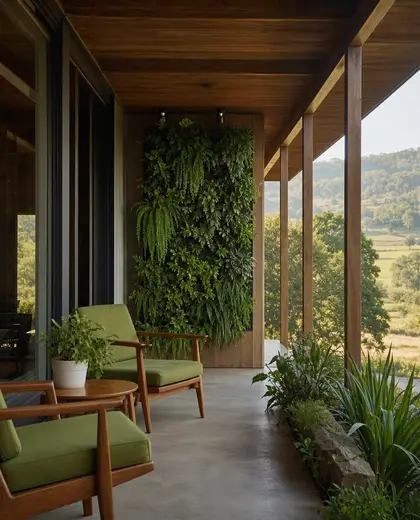
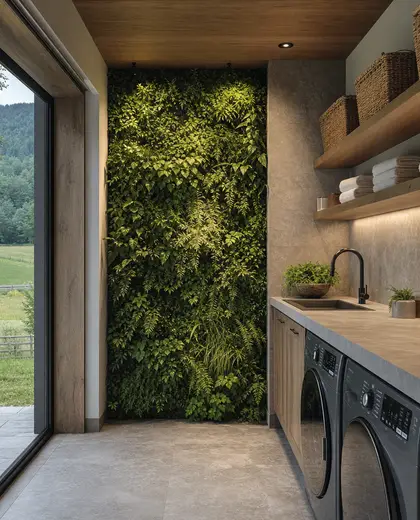
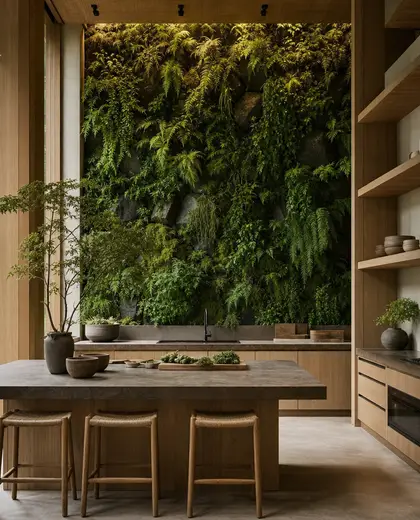
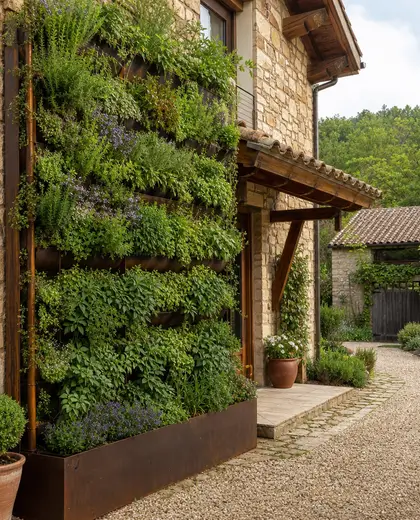
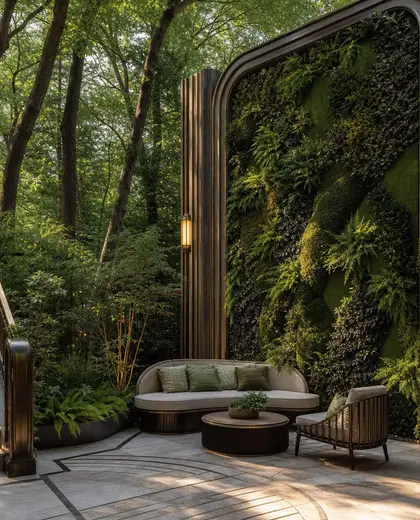
A vertical garden is a planted wall system made with structure, waterproofing, growing medium or modular pockets, irrigation, and drainage. It is defined by dense living greenery arranged on a vertical plane, often with species selected for shade tolerance, humidity, and low root volume. Typical finishes pair the plants with metal frames, felt panels, planters, or timber battens, while the supporting wall is usually hidden behind a protective layer.
- vertical garden
— References
References to explore

Can a vertical garden be used indoors?
Yes, if the wall can support the system and the plants get enough light. Indoor versions usually need a reliable irrigation plan and either daylight or grow lighting.

Does a vertical garden need a lot of maintenance?
It needs regular care, but the amount depends on the plant selection and irrigation system. Typical upkeep includes checking watering, trimming, replacing weak plants, and monitoring drainage.

What should I check before installing one?
Confirm wall load capacity, waterproofing, access to water and drainage, and the amount of light the wall receives. These conditions affect plant health and the long-term performance of the system.


— The style
What defines it
Modular planting trays, felt pockets, metal or aluminum frames, waterproof membranes, irrigation lines, drainage layers, and sometimes timber or ceramic edging.
Mostly green in layered tones, with natural browns, dark metal, black supports, and muted stone or concrete backdrops.
Works well with concrete, timber, glass, stone, and minimalist interiors or courtyards where a strong natural focal point is needed.
— Professionals
Who has already built it
- origin architectsarchitects · 6 projectsView profile →
- mawar electrical serviceselectricians · Bengaluru · 1 projectsView profile →
- anurag vermainterior designers · 6 projectsView profile →
- the achievers archsmart home professionals · Delhi · 1 projectsView profile →
— Questions
Frequently asked questions
Can a vertical garden be used indoors?
Yes, if the wall can support the system and the plants get enough light. Indoor versions usually need a reliable irrigation plan and either daylight or grow lighting.
Does a vertical garden need a lot of maintenance?
It needs regular care, but the amount depends on the plant selection and irrigation system. Typical upkeep includes checking watering, trimming, replacing weak plants, and monitoring drainage.
What should I check before installing one?
Confirm wall load capacity, waterproofing, access to water and drainage, and the amount of light the wall receives. These conditions affect plant health and the long-term performance of the system.