— Ideas & inspiration
Sustainable vertical gardens for contemporary homes
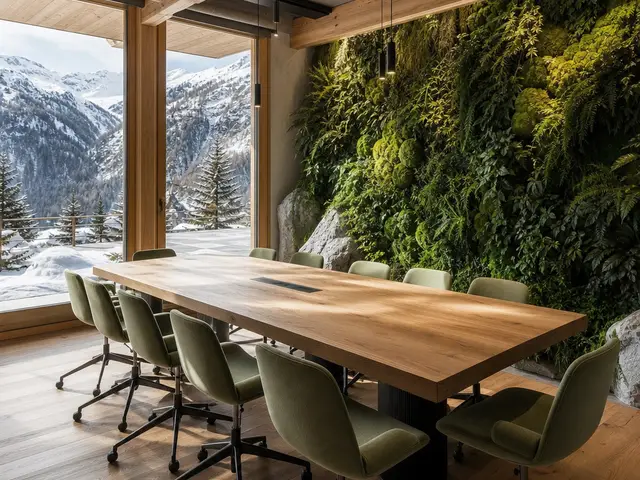
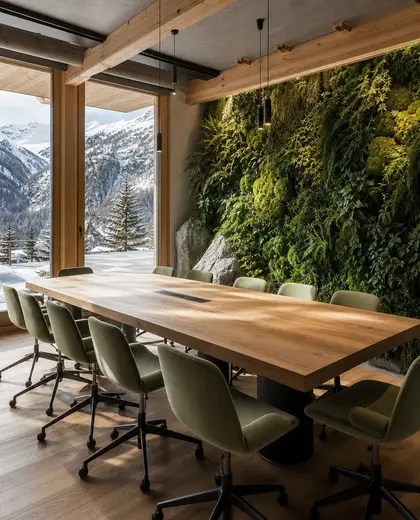
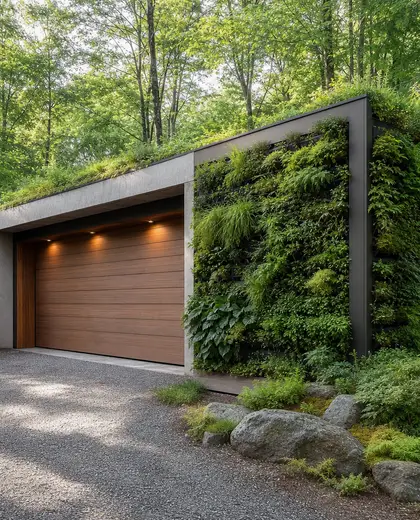
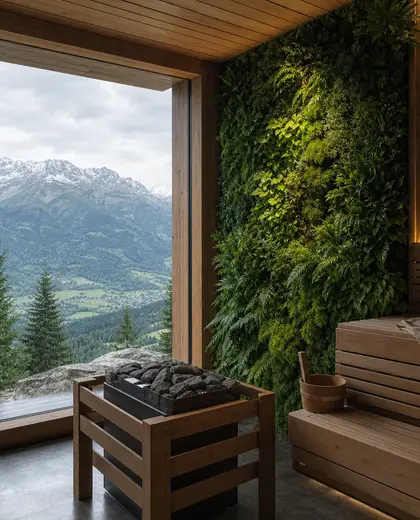
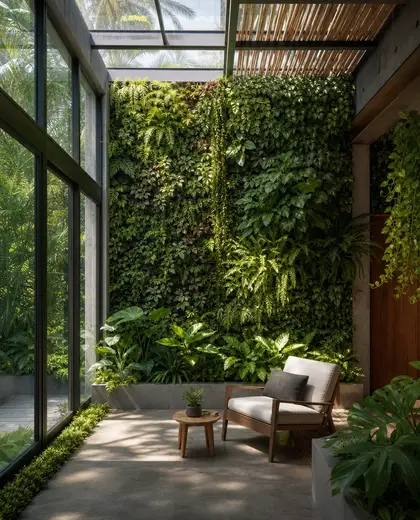
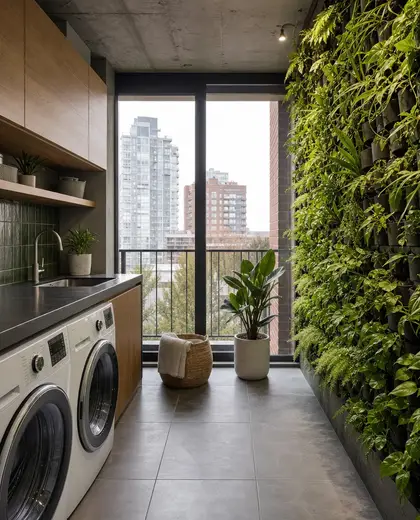
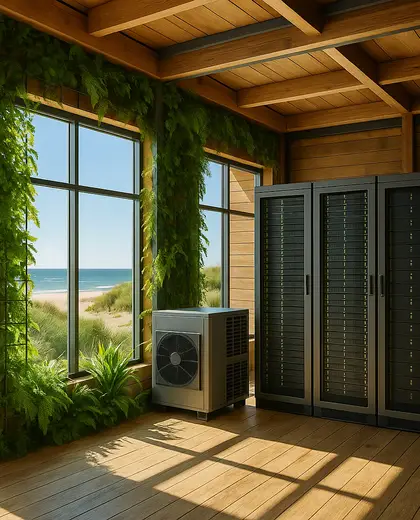
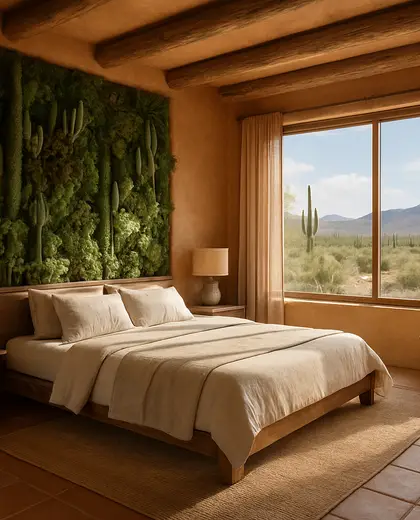
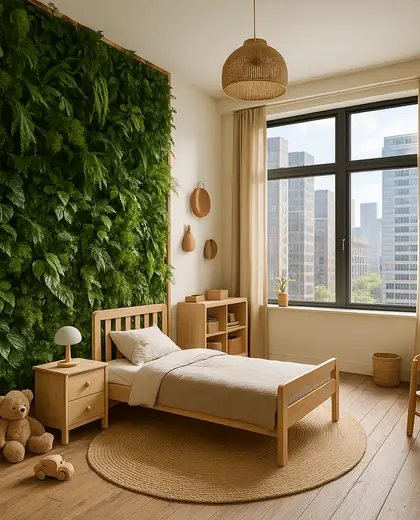
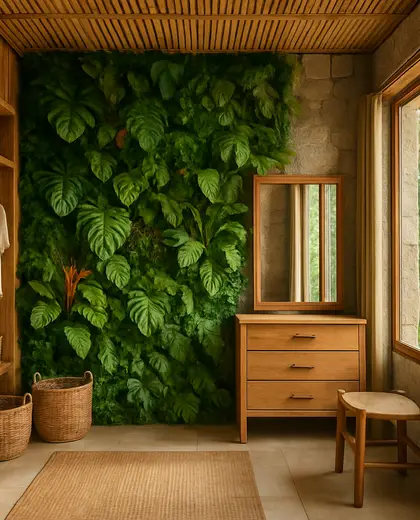
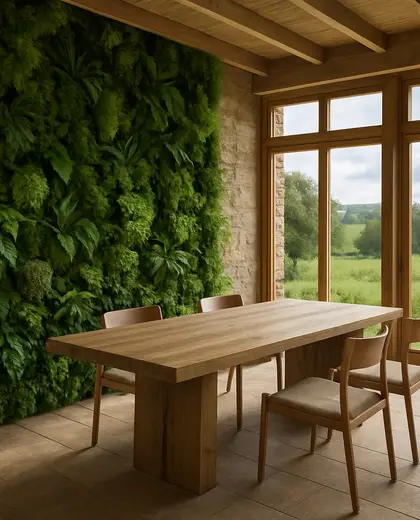
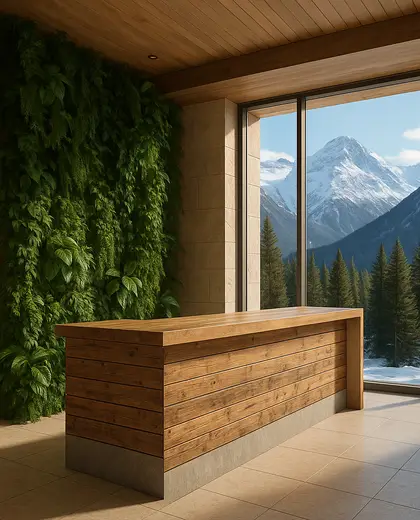
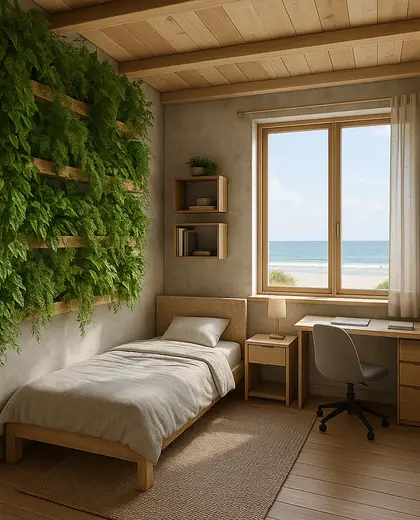
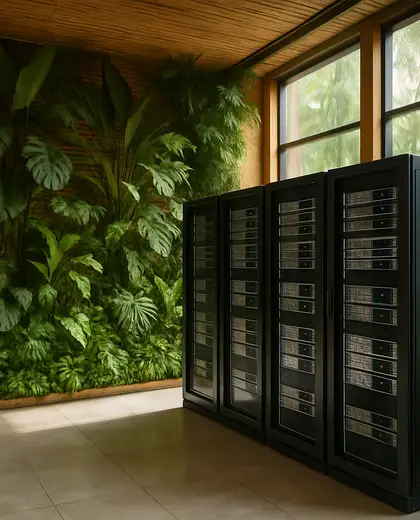
This composition pairs living green walls with low-impact building choices such as recycled planters, irrigation-efficient systems, and breathable backings. The look is usually built from dense foliage, natural fibers, and matte finishes in greens, soft neutrals, stone, and timber tones. Its defining elements are planted vertical panels, integrated drainage, and materials selected to reduce water use and maintenance.
- vertical garden
- sustainable
— References
References to explore

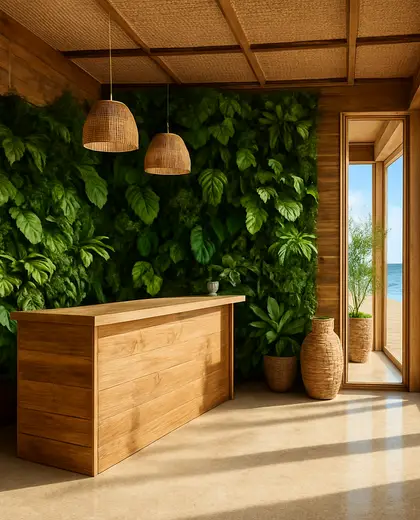

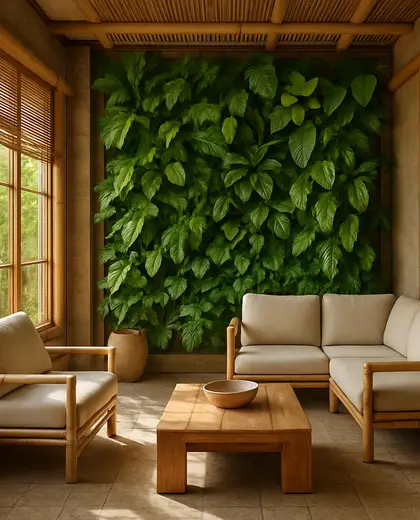
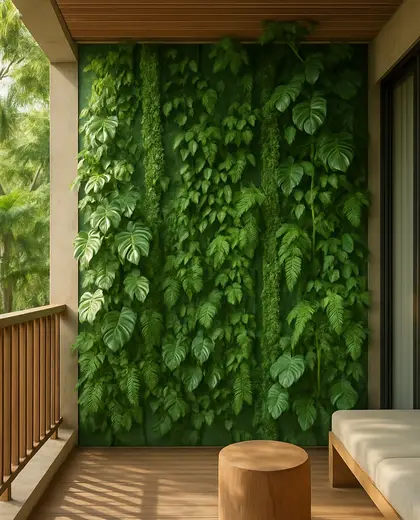
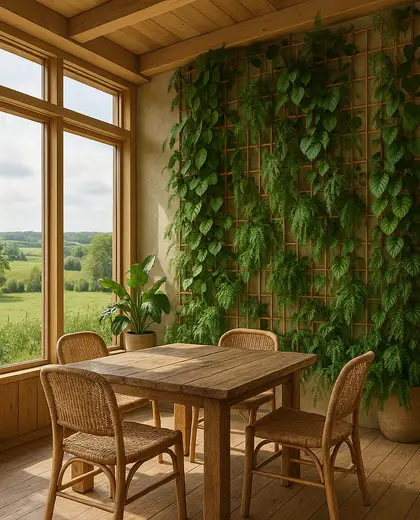
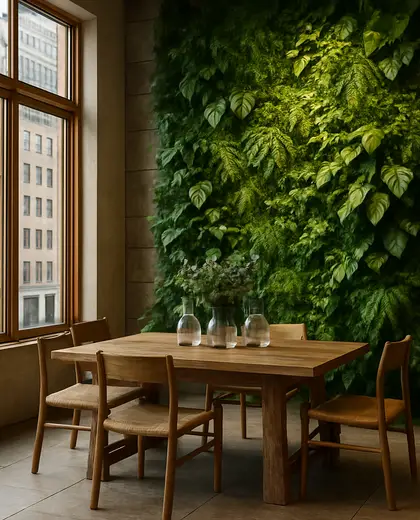
Can a vertical garden really be sustainable?
Yes, if it uses drought-tolerant plants, efficient irrigation, recycled or durable components, and a setup that limits runoff and wasted water.
— The style
What defines it
Modular planters, metal or timber frames, recycled substrates, capillary mats, and integrated drip irrigation.
Leaf greens, moss, warm wood, stone gray, off-white, and muted black accents.
Works with courtyards, terraces, patios, screened facades, and other biophilic sustainable interiors or exteriors.
— Professionals
Who has already built it


- home interior decoratorscarpenters · Rampur · 3 projectsView profile →
- pavit ceramics pvt ltdceramic manufacturers · Ahmedabad · 2 projectsView profile →
- Bristolfurniture sellers · Bangalore · 6 projectsView profile →
- FurnitureRootsfurniture makers · Jodhpur · 6 projectsView profile →
— Explore
Keep exploring
— ARTICLES
Related reading
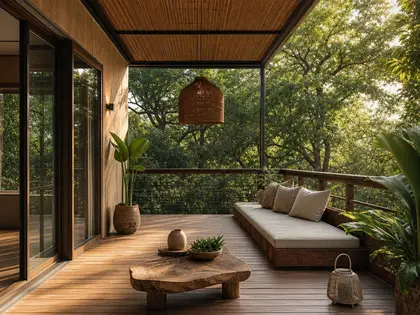
deck trends to know for a smarter, cleaner outdoor upgrade
A practical look at the latest deck trends in materials, colours, layout and tech, plus what is fading and easy ways to refresh without a full rebuild.
Read article →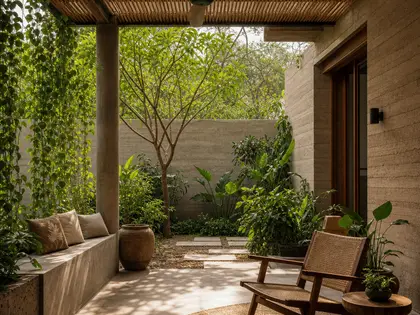
5 practical patio tips for a cooler, easier outdoor space
Simple, India-friendly patio ideas to make your outdoor area cooler, cleaner and more usable through the year.
Read article →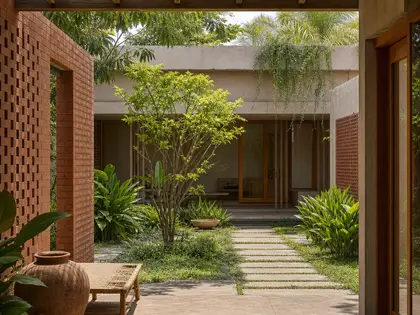
5 courtyard mistakes that spoil a beautiful outdoor room
Avoid the most common courtyard planning errors with practical, India-friendly tips for shade, drainage, paving, planting and low-maintenance comfort.
Read article →— Questions
Frequently asked questions
Can a vertical garden really be sustainable?
Yes, if it uses drought-tolerant plants, efficient irrigation, recycled or durable components, and a setup that limits runoff and wasted water.
What kind of maintenance does it need?
It needs regular pruning, occasional plant replacement, and checks on irrigation and drainage, but the workload can be reduced with the right plant selection.
Where does this composition work best in a home?
It works best where there is enough light and easy access for upkeep, such as a patio wall, entry courtyard, balcony, or interior atrium.