— Ideas & inspiration
Room composition
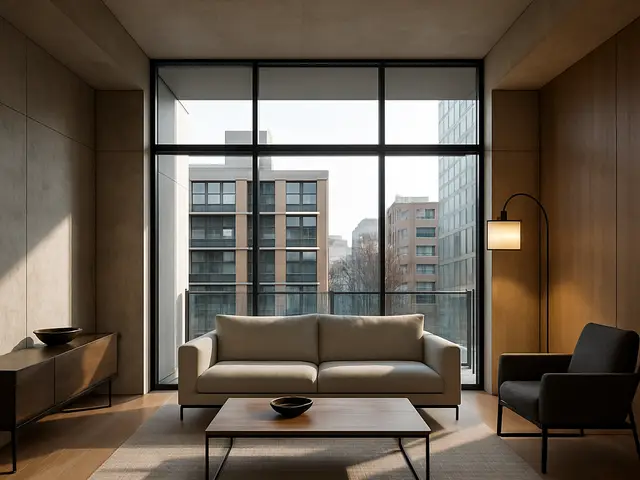
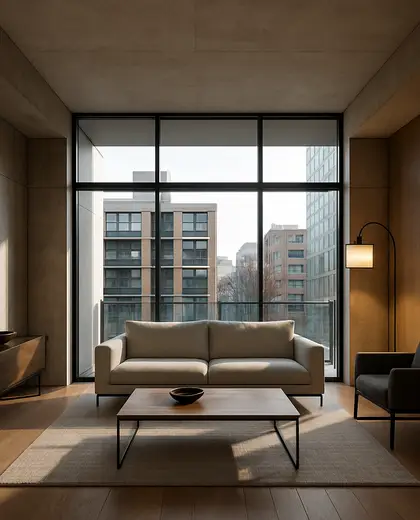
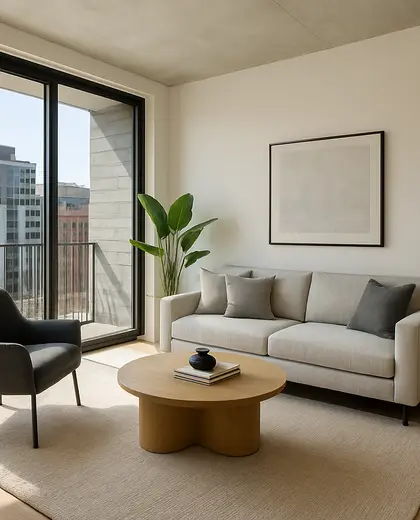
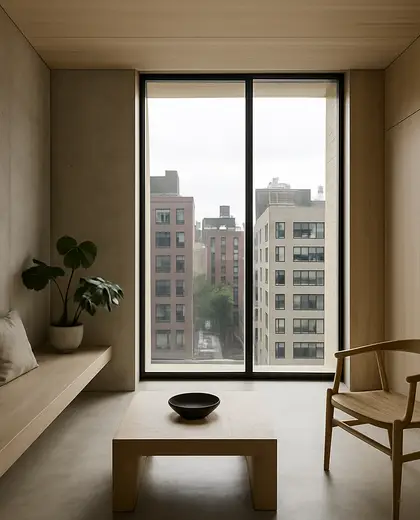
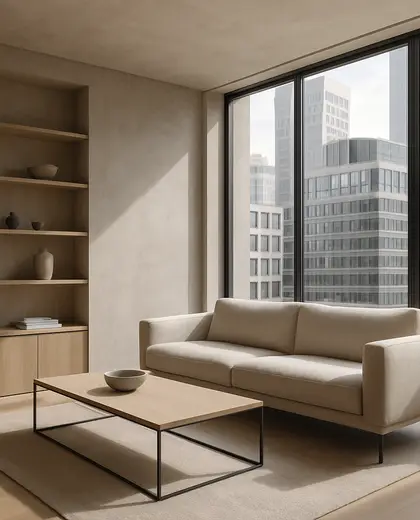
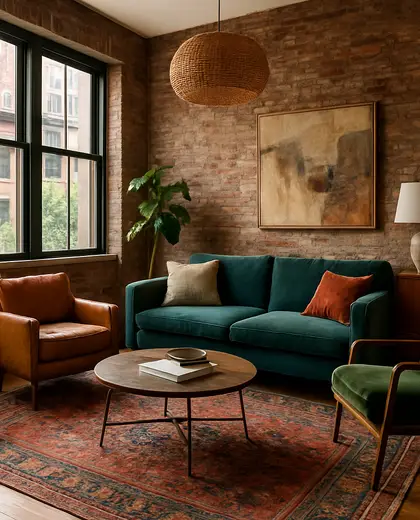
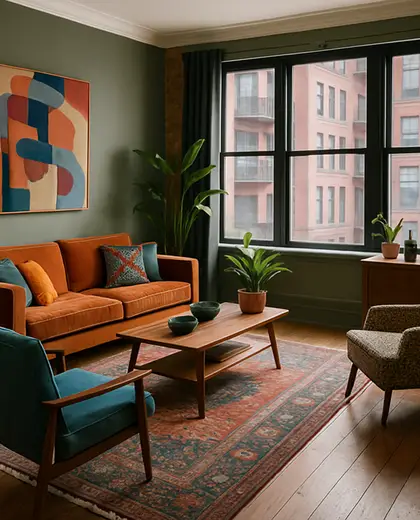
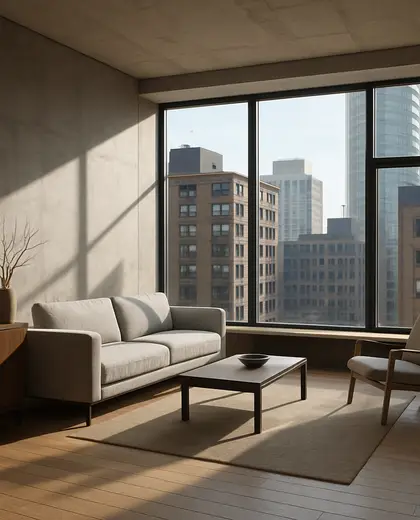
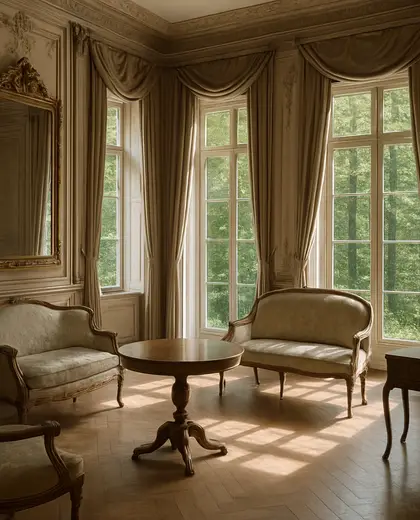
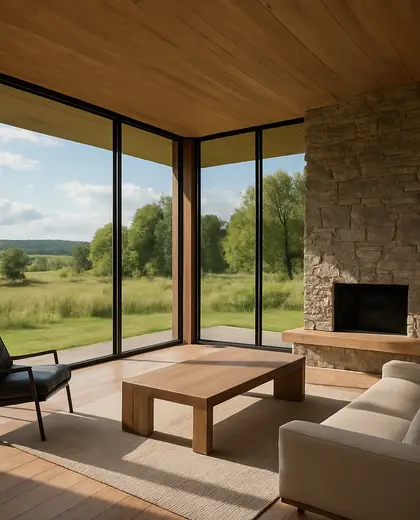
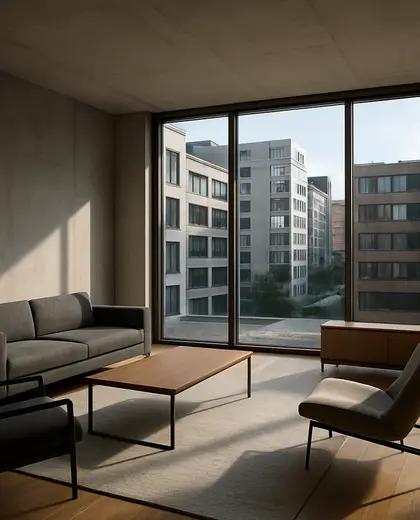
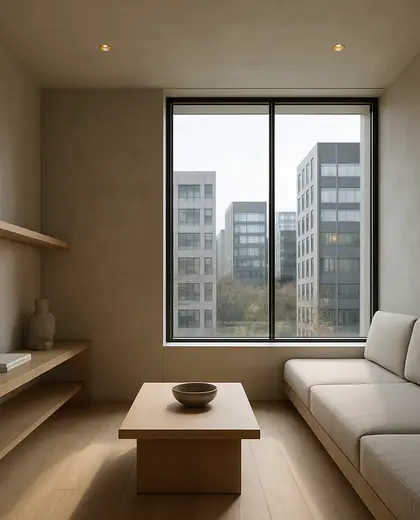
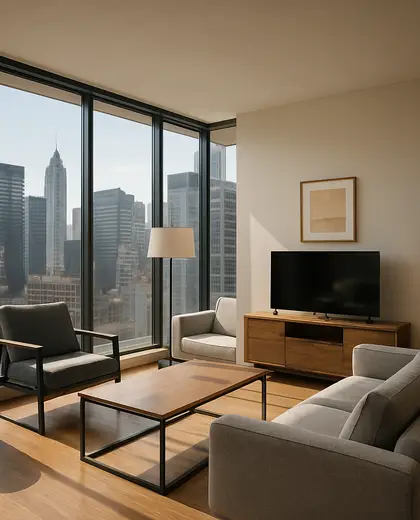
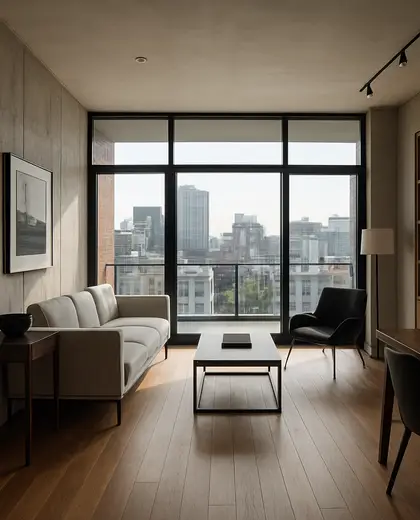
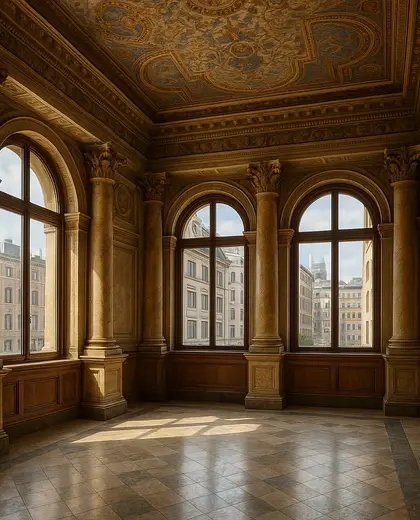
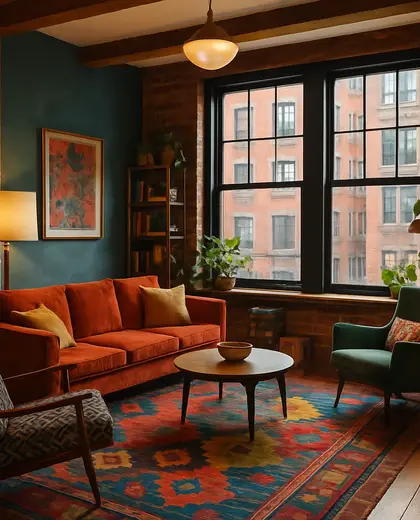
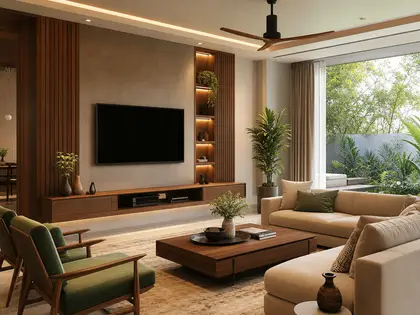
A room composition is defined by the arrangement of walls, floor, ceiling, openings, and built-in elements within a contained interior volume. It usually relies on a clear structure, such as plastered walls, wood or stone flooring, painted finishes, and carefully placed windows, doors, storage, and lighting. The look is shaped by proportion, circulation, and the balance between fixed architecture and movable furniture.
- room
— References
References to explore
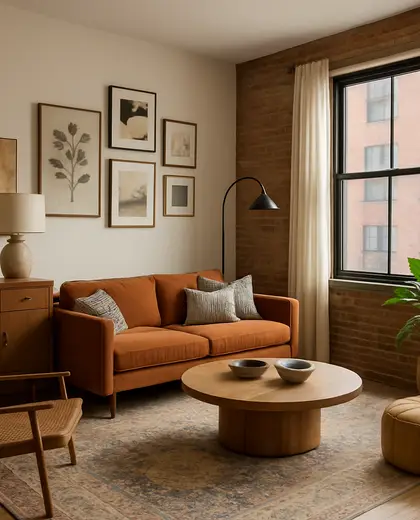
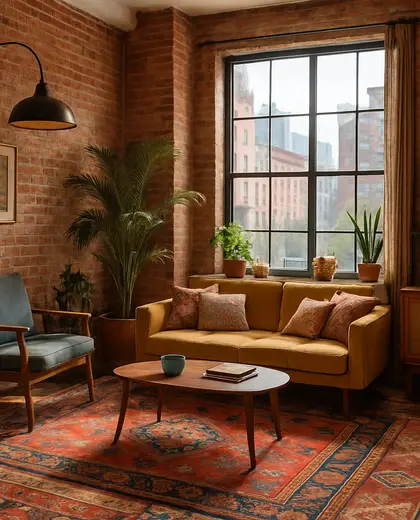
What makes a room composition different from just furnishing a room?
A room composition starts with the architectural layout and fixed elements, not only the furniture. It considers proportions, openings, surfaces, and how people move through the space.
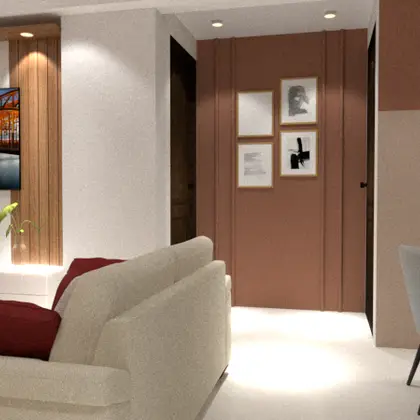
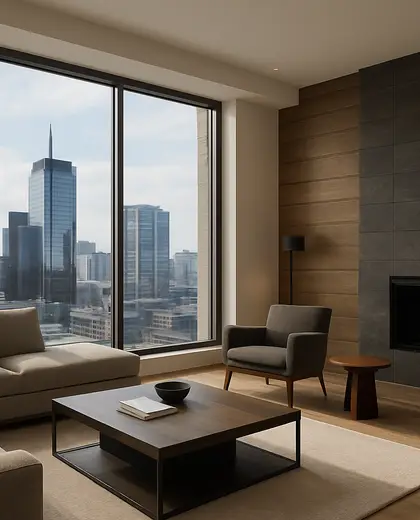
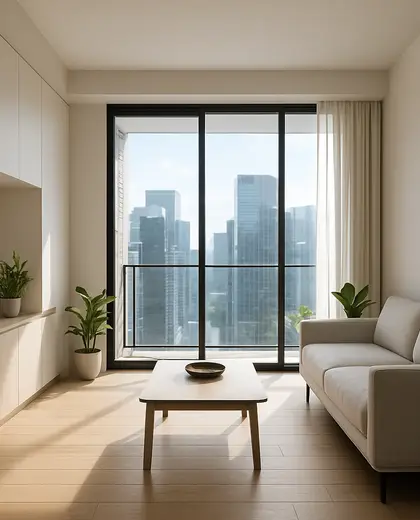

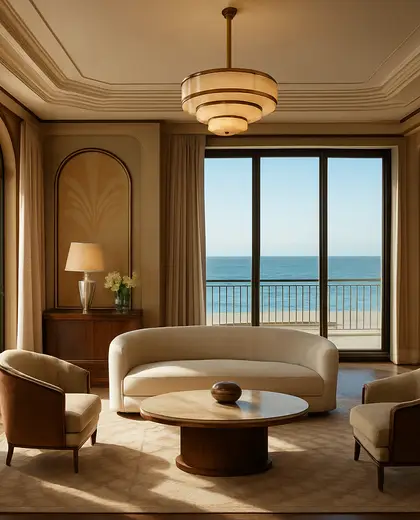
Can a room composition work in a small home?
Yes, but it needs tighter planning around storage, circulation, and light. Small rooms often benefit from simple finishes and built-in elements that reduce visual clutter.
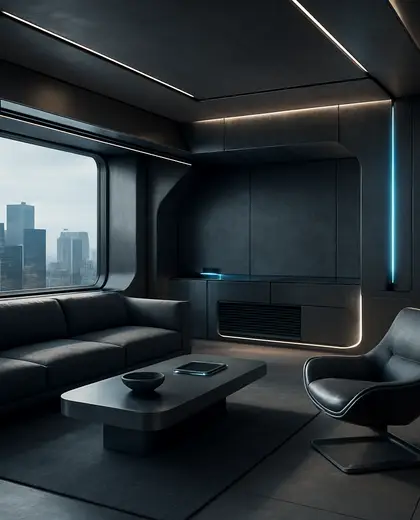
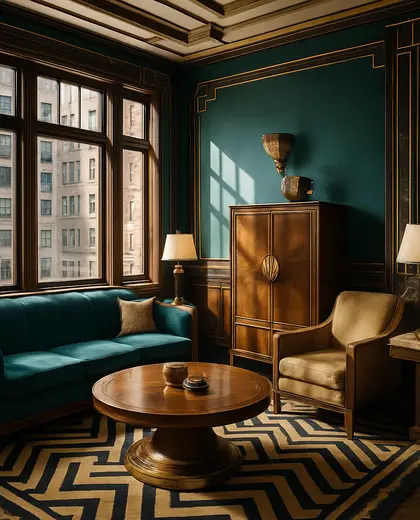
Does this composition require expensive materials?
Not necessarily. The effect depends more on consistency, proportion, and detailing than on using premium materials everywhere.
— The style
What defines it
Common materials include plaster, drywall, wood, stone, concrete, glass, and metal, often combined with textiles and joinery.
Room compositions usually use restrained, coherent palettes: whites, warm neutrals, natural wood tones, grays, and muted accent colors.
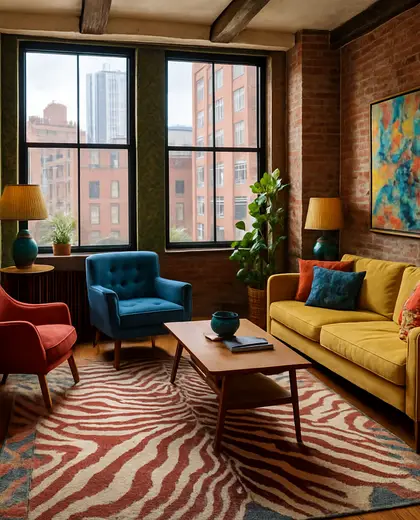
It works with built-ins, furniture, curtains, rugs, lighting, and decorative objects to create a finished interior.
— Professionals
Who has already built it
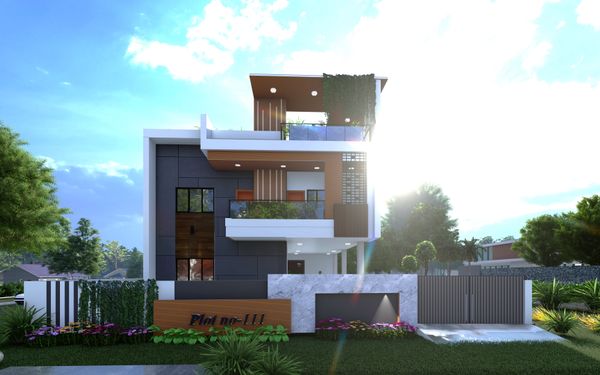

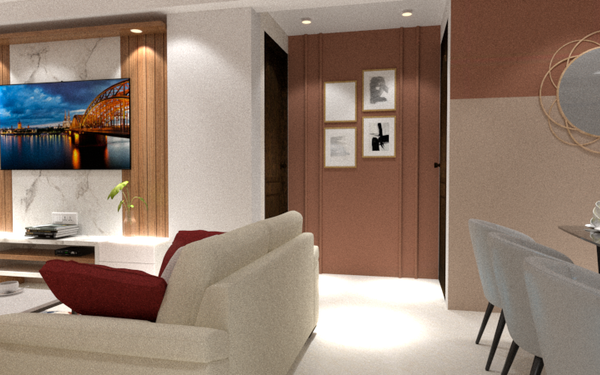

- the achievers archsmart home professionals · Delhi · 1 projectsView profile →
- home interior decoratorscarpenters · Rampur · 3 projectsView profile →
- pavit ceramics pvt ltdceramic manufacturers · Ahmedabad · 2 projectsView profile →
- Bristolfurniture sellers · Bangalore · 6 projectsView profile →
— Explore
Keep exploring
— Questions
Frequently asked questions
What makes a room composition different from just furnishing a room?
A room composition starts with the architectural layout and fixed elements, not only the furniture. It considers proportions, openings, surfaces, and how people move through the space.
Can a room composition work in a small home?
Yes, but it needs tighter planning around storage, circulation, and light. Small rooms often benefit from simple finishes and built-in elements that reduce visual clutter.
Does this composition require expensive materials?
Not necessarily. The effect depends more on consistency, proportion, and detailing than on using premium materials everywhere.