— Ideas & inspiration
Minimalist room calm through restraint
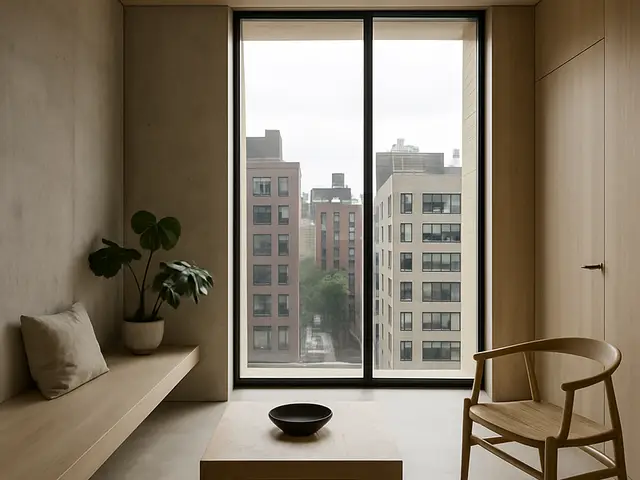
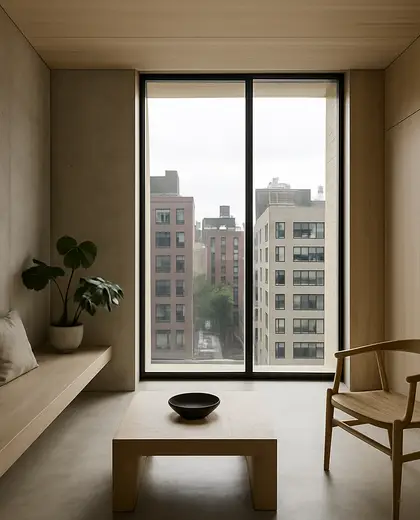
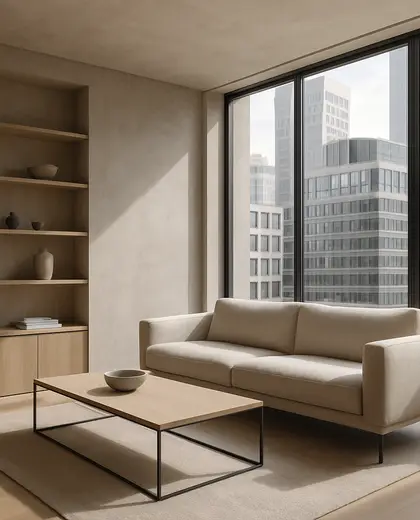
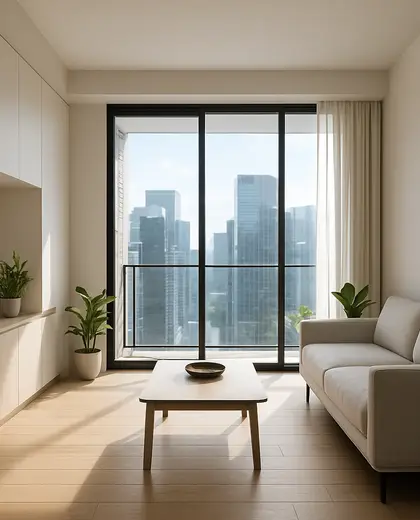
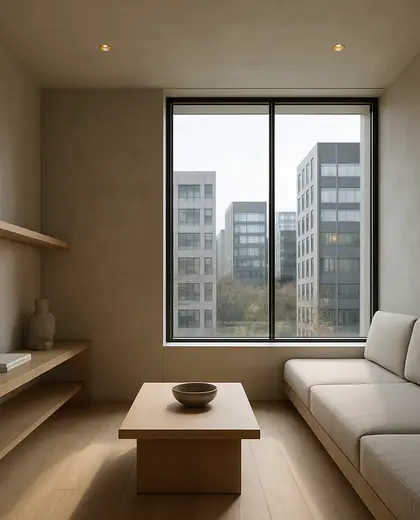
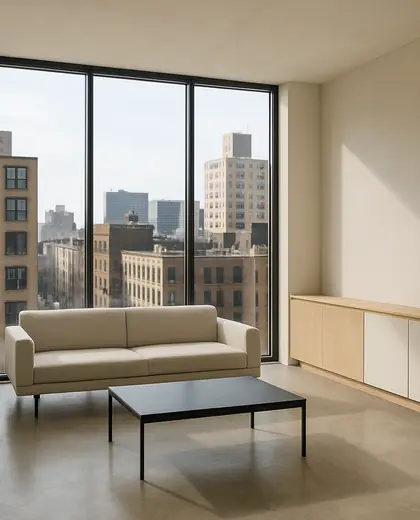
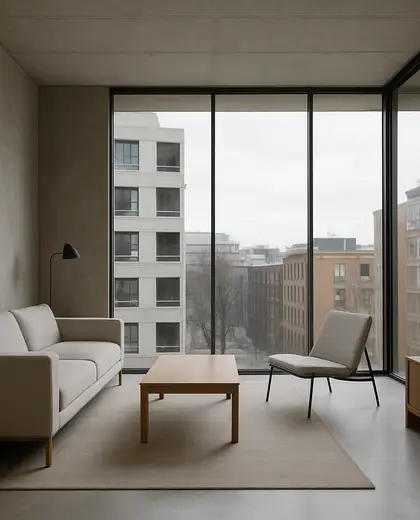
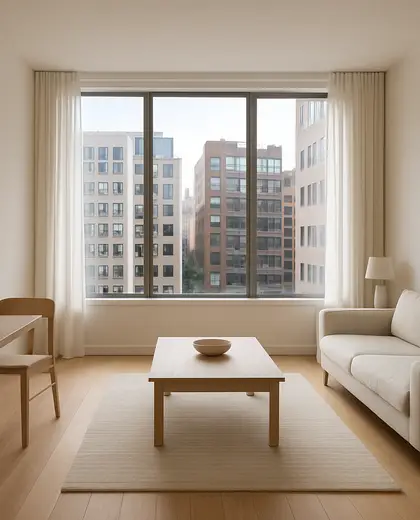
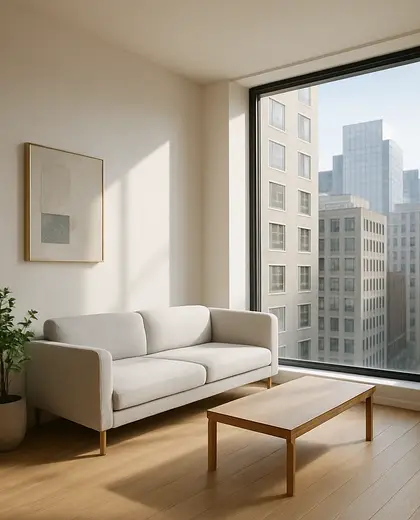
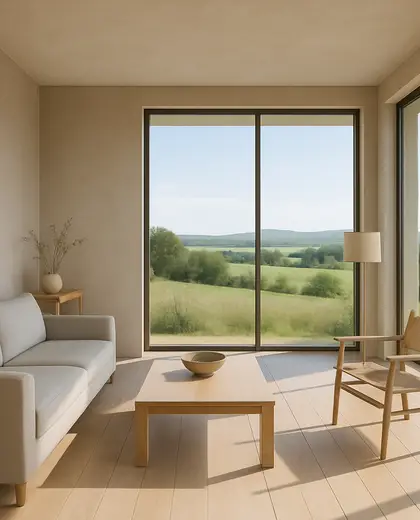
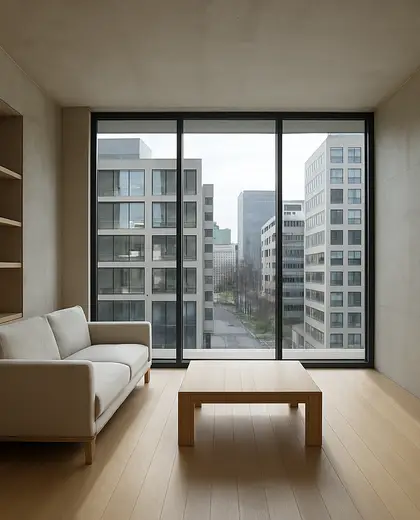
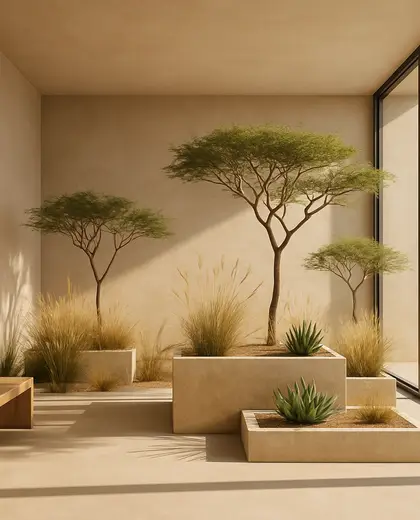
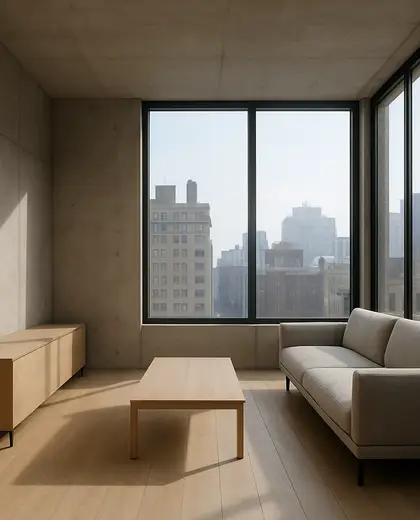
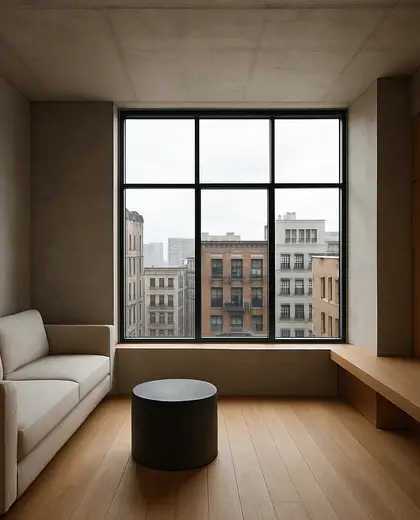
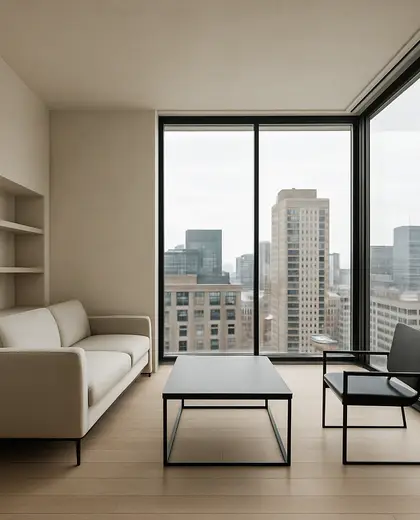
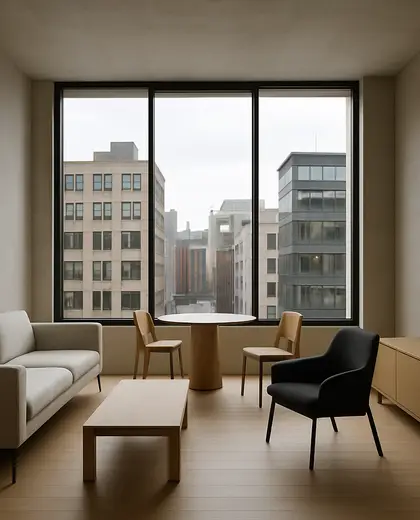
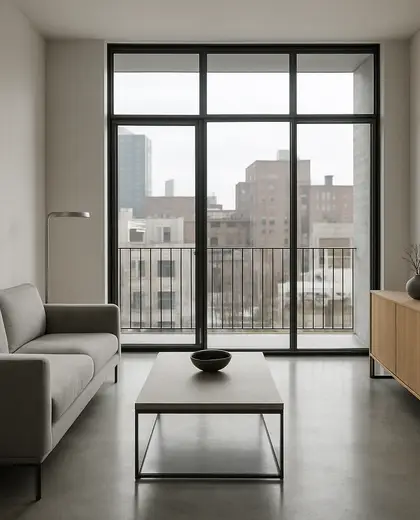
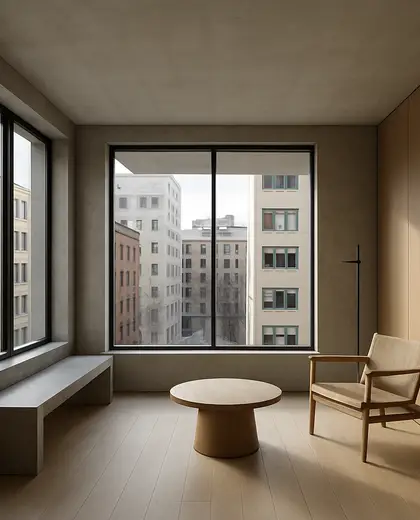
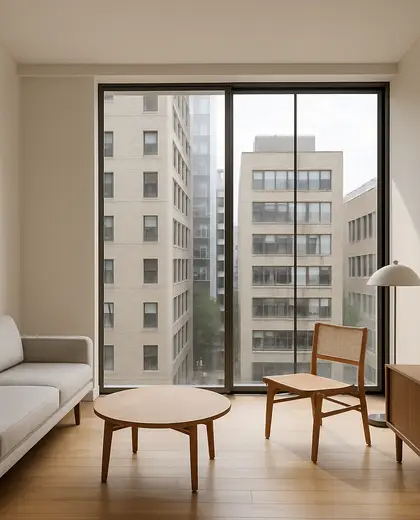
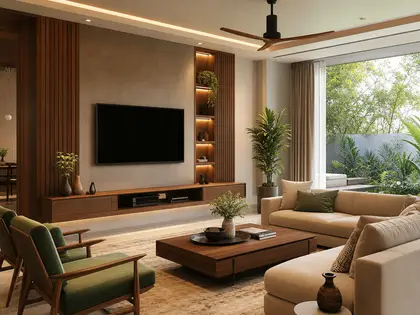
A minimalist room is defined by clean lines, open space, and a reduced set of furnishings. It usually relies on simple materials such as painted plaster, wood, stone, glass, and matte metal, with built-in storage to keep the room visually quiet. The overall effect comes from light, proportion, and the absence of clutter rather than decoration.
- room
- minimalist
— References
References to explore
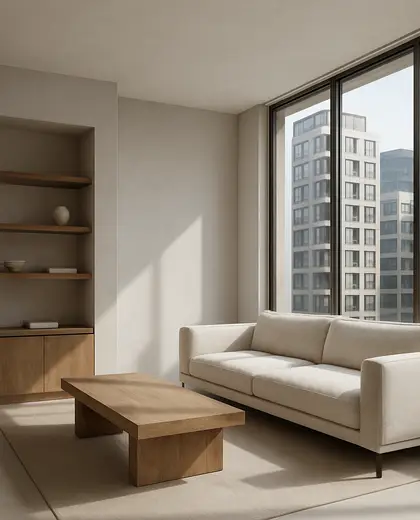
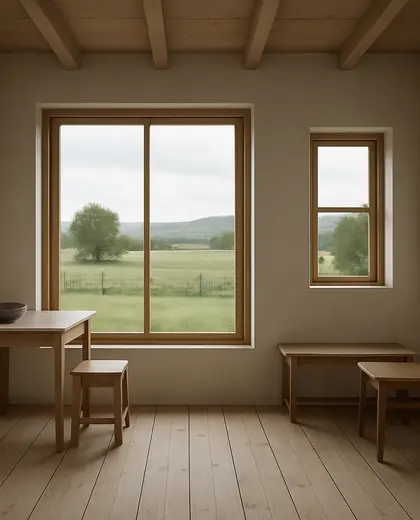
What makes a room feel minimalist instead of simply empty?
A minimalist room still feels intentional because the furniture, lighting, and storage are carefully edited. The space is quiet, but the proportions, textures, and placement of each element are deliberate.

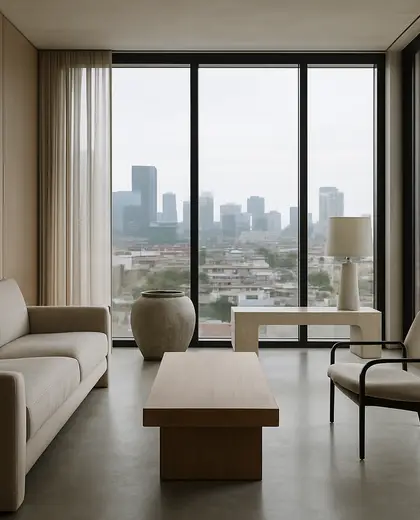
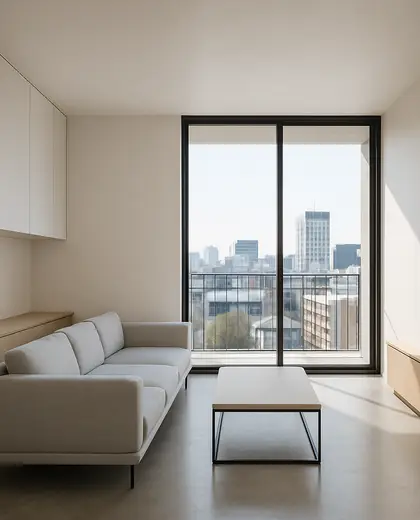
Can a minimalist room still feel warm?
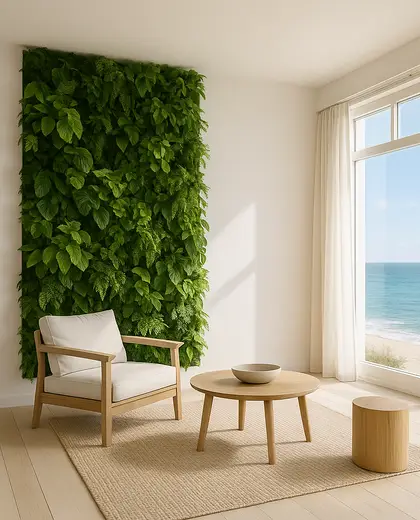
Yes. Warmth usually comes from natural wood, soft textiles, indirect lighting, and subtle texture rather than ornament.
What should I avoid in a minimalist room?
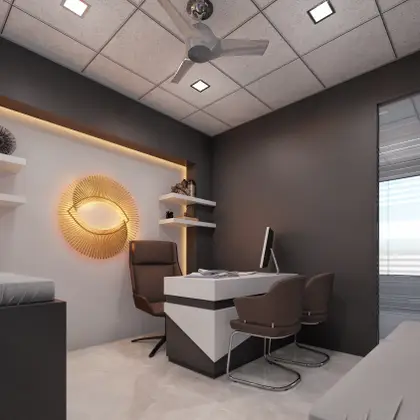
Avoid too many contrasting finishes, visible clutter, oversized decorative accessories, and busy patterns that compete with the room’s calm structure.
— The style
What defines it
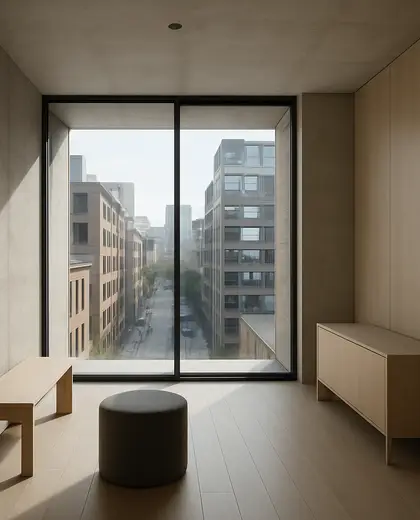
Painted walls, smooth plaster, light wood, stone, glass, and understated metal details are common choices.
Neutrals lead the palette: white, soft beige, warm gray, black accents, and muted natural tones.
It pairs well with open-plan layouts, hidden storage, natural light, and a few carefully chosen objects or artworks.
— Professionals
Who has already built it




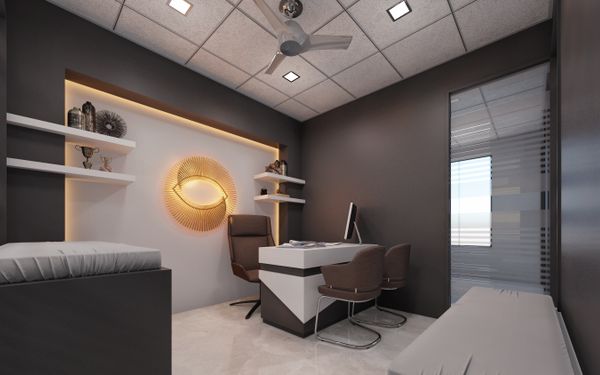

- pavit ceramics pvt ltdceramic manufacturers · Ahmedabad · 2 projectsView profile →
- chaitanya anvekarinterior designers · Mumbai · 7 projectsView profile →
- urban arch studioarchitects · 4 projectsView profile →
- ar rini jariwalalandscape designers · Surat · 4 projectsView profile →
— Explore
Keep exploring
— Questions
Frequently asked questions
What makes a room feel minimalist instead of simply empty?
A minimalist room still feels intentional because the furniture, lighting, and storage are carefully edited. The space is quiet, but the proportions, textures, and placement of each element are deliberate.
Can a minimalist room still feel warm?
Yes. Warmth usually comes from natural wood, soft textiles, indirect lighting, and subtle texture rather than ornament.
What should I avoid in a minimalist room?
Avoid too many contrasting finishes, visible clutter, oversized decorative accessories, and busy patterns that compete with the room’s calm structure.