— Ideas & inspiration
Rooms shaped by the city
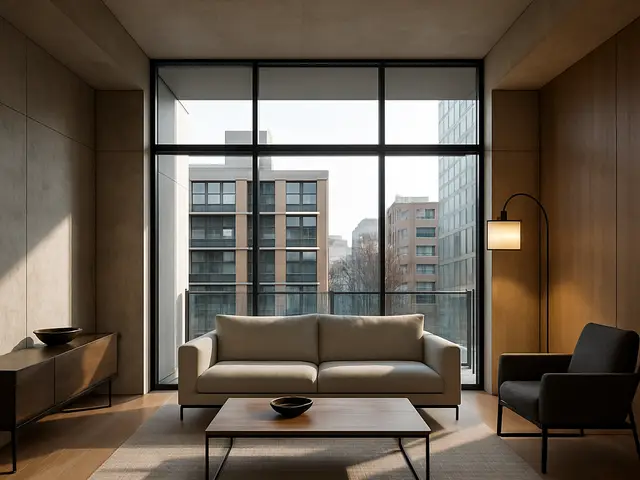
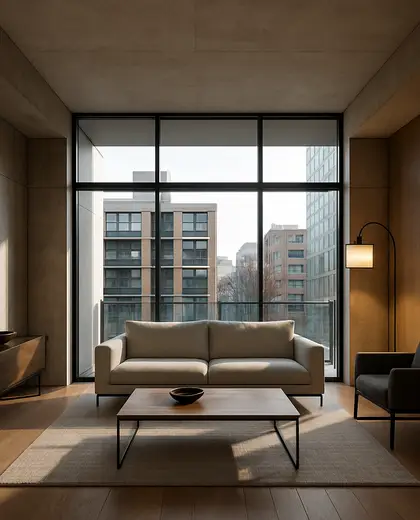
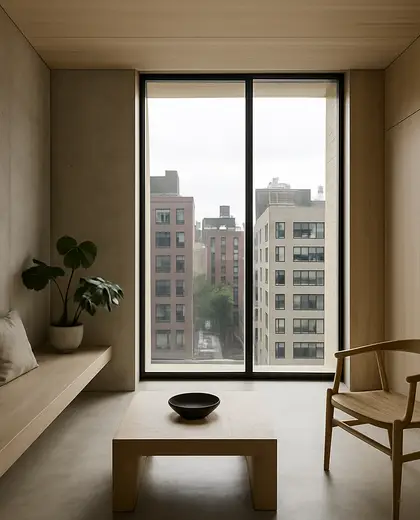
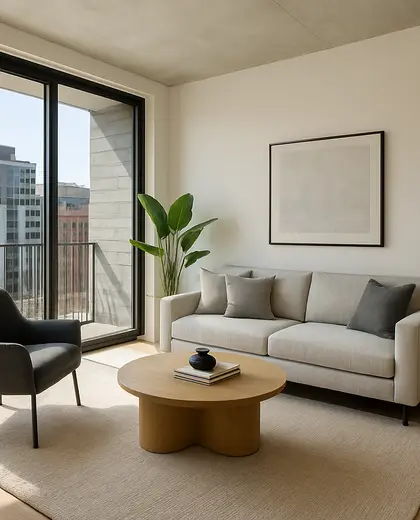
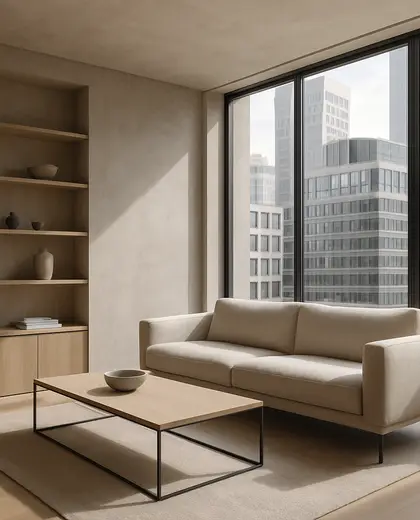
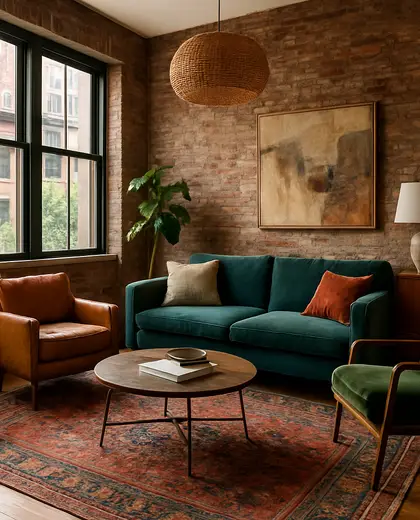
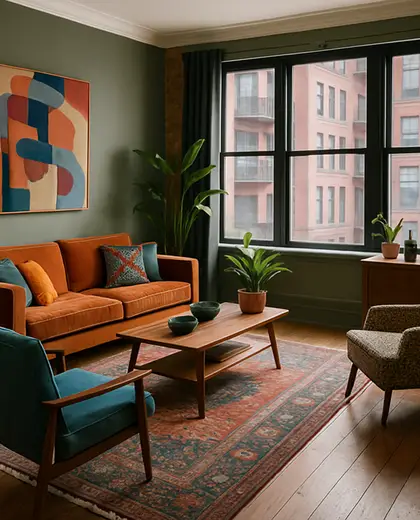
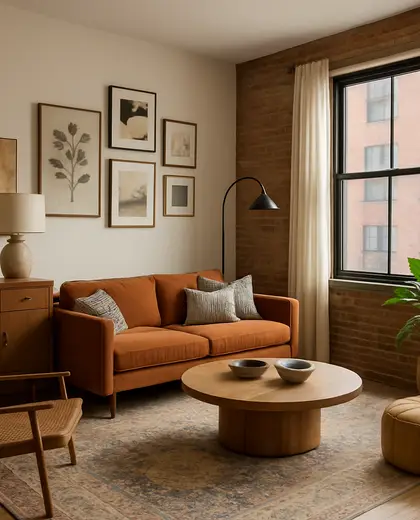
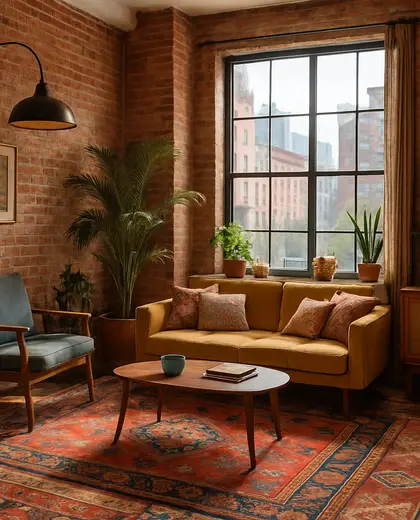
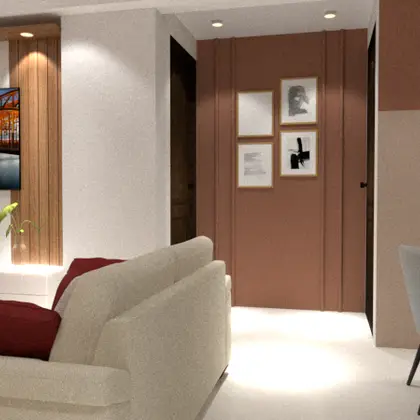
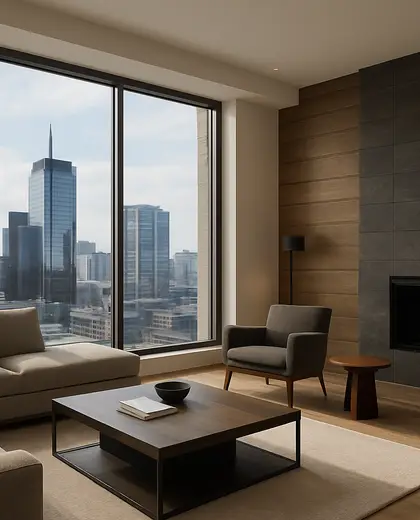
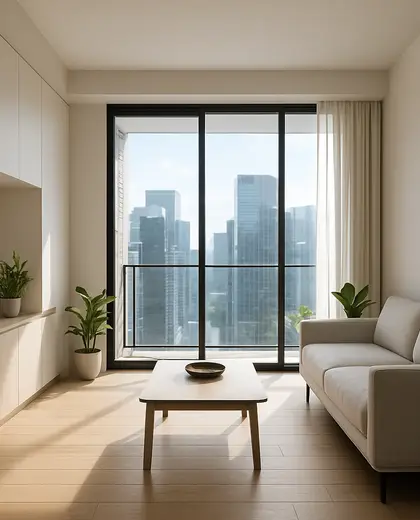
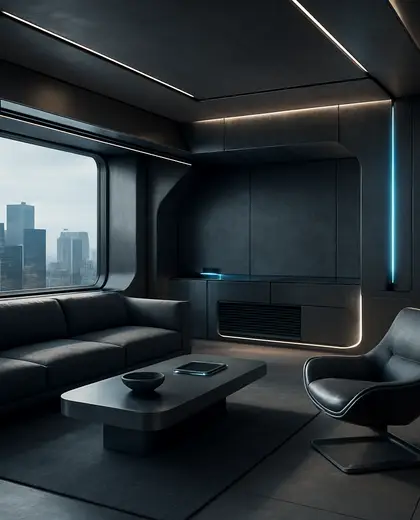
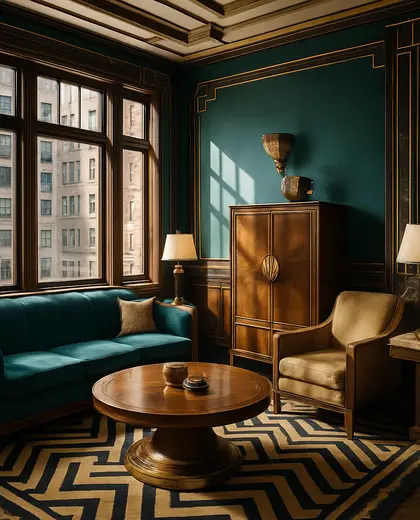
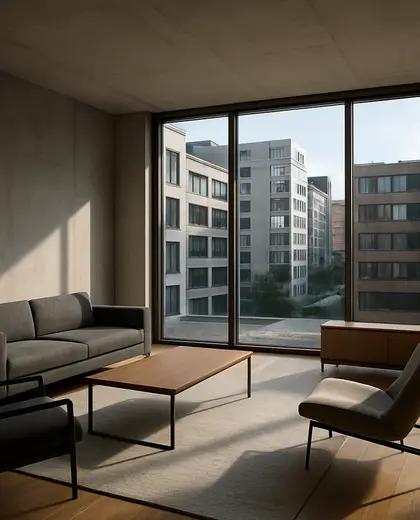
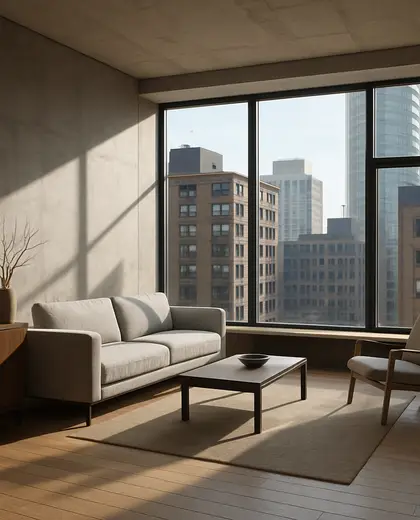
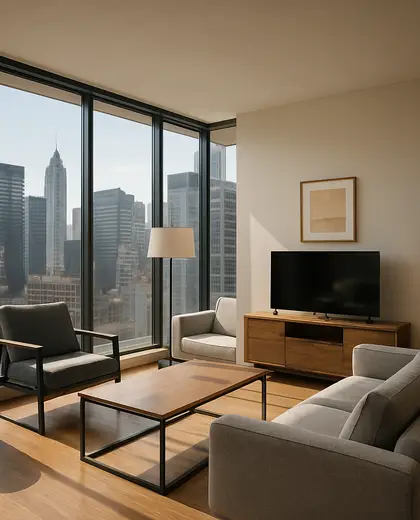
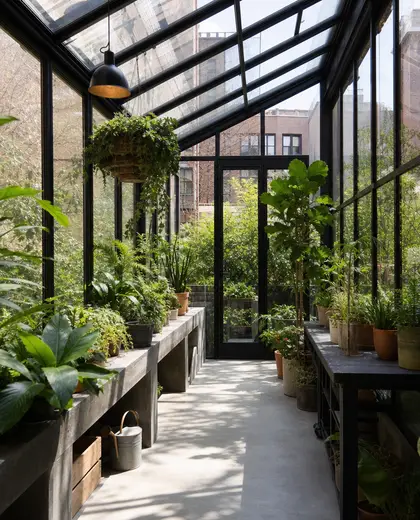
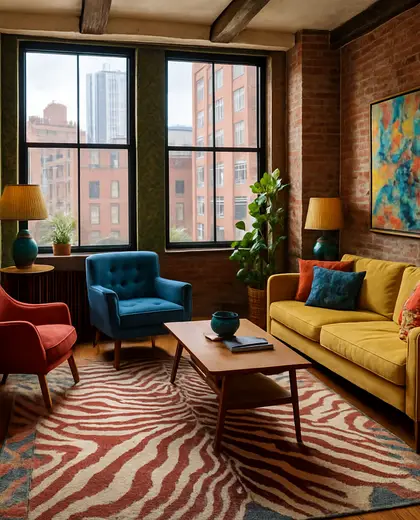
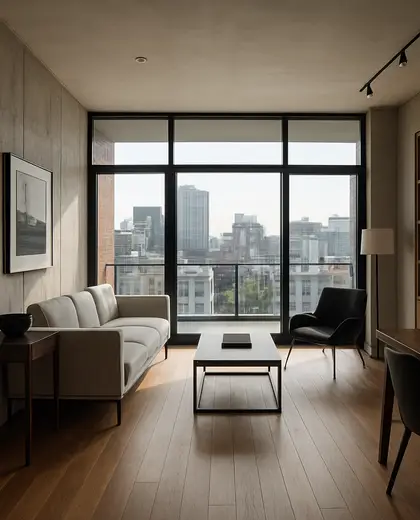
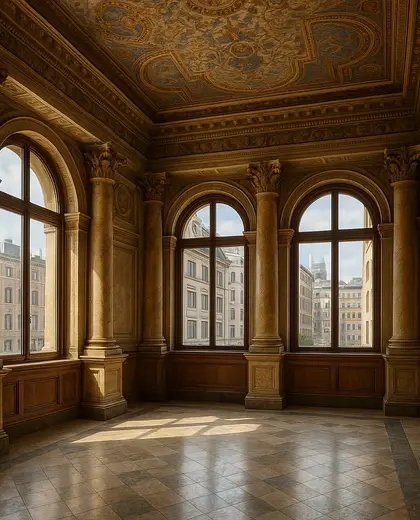
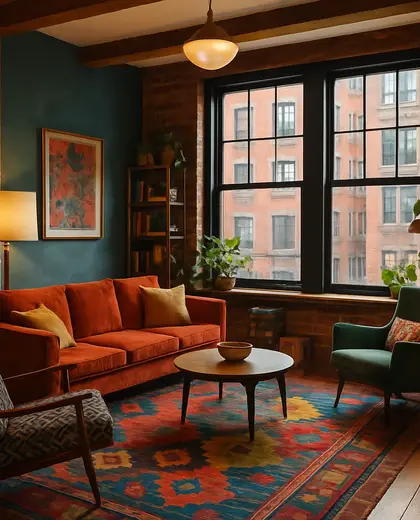
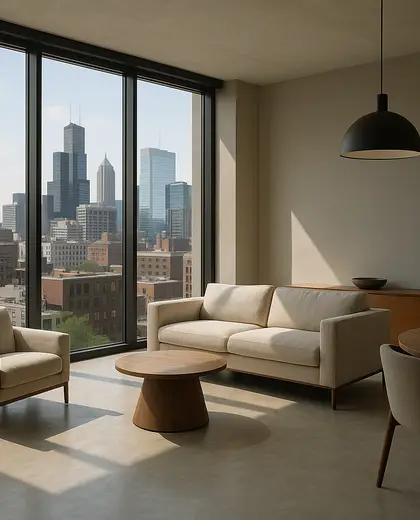
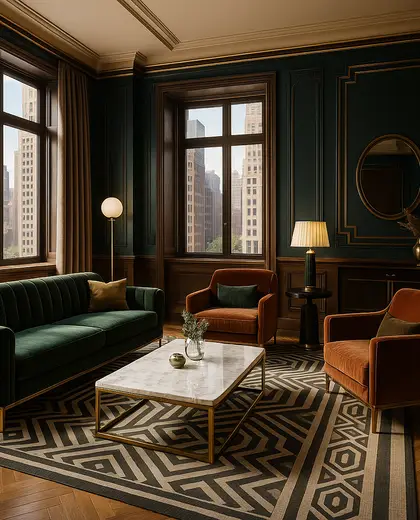
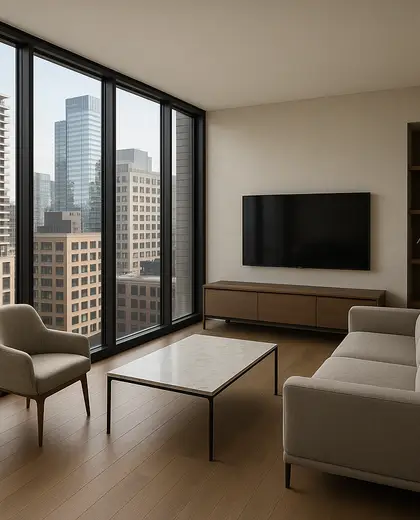
This composition pairs the intimacy of a room with the scale, textures, and visual rhythm of urban architecture. It typically uses concrete, brick, glass, metal, and exposed surfaces, with a palette drawn from greys, charcoal, muted neutrals, and weathered tones. Large openings, structured layouts, and graphic lines connect interior space to streets, facades, and surrounding city views.
- room
- urban
— References
References to explore
How do I make a room feel urban without making it cold?
Use a restrained material mix and keep one or two warmer elements, such as wood, textured fabric, or softer lighting, to balance the harder surfaces.
What finishes work best in an urban room composition?
Matte or lightly textured finishes usually work best, especially on walls, floors, and metal details, because they support the raw architectural character.
Can this style work in a small room?
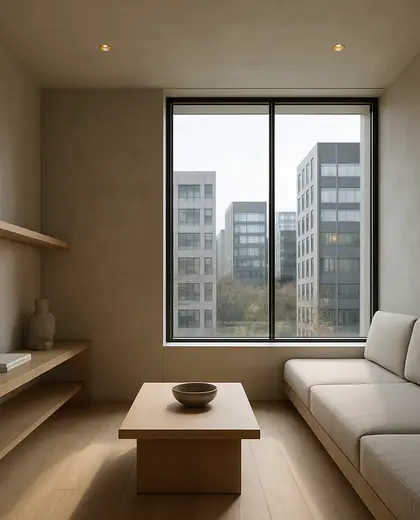
Yes. A small room can still feel urban with simple built-ins, clear sightlines, compact glazing, and a limited palette that emphasizes structure over ornament.
— The style
What defines it
Concrete, brick, steel, glass, timber, and exposed plaster are common, often left with a raw or lightly finished look.
Greys, black, white, charcoal, muted beige, and occasional rust or oxidized accents keep the room grounded and urban.
This composition combines domestic room planning with city-inspired elements such as industrial details, tall glazing, and strong geometric frames.
— Professionals
Who has already built it


- Bristolfurniture sellers · Bangalore · 6 projectsView profile →
- FurnitureRootsfurniture makers · Jodhpur · 6 projectsView profile →
- Bakajoiners · Chennai · 5 projectsView profile →
- Natural Veneersbuilding material distributors · Mumbai · 4 projectsView profile →
— Explore
Keep exploring
— Questions
Frequently asked questions
How do I make a room feel urban without making it cold?
Use a restrained material mix and keep one or two warmer elements, such as wood, textured fabric, or softer lighting, to balance the harder surfaces.
What finishes work best in an urban room composition?
Matte or lightly textured finishes usually work best, especially on walls, floors, and metal details, because they support the raw architectural character.
Can this style work in a small room?
Yes. A small room can still feel urban with simple built-ins, clear sightlines, compact glazing, and a limited palette that emphasizes structure over ornament.