— Ideas & inspiration
Coworking spaces with architectural clarity
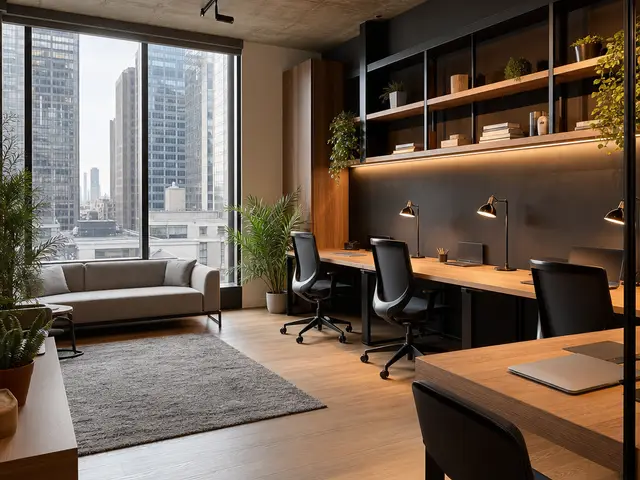
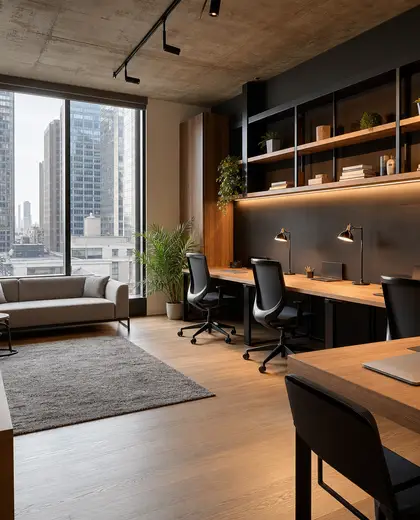
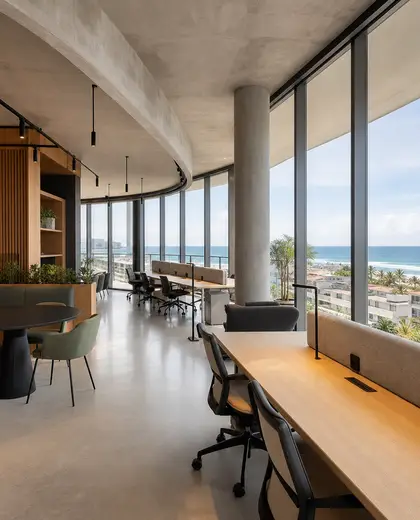
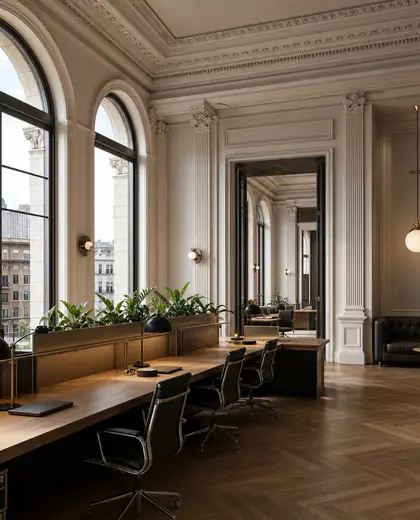
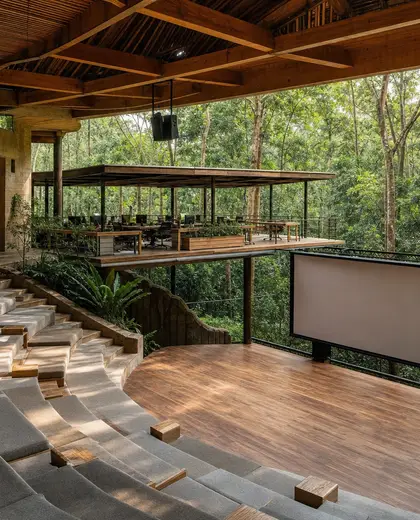
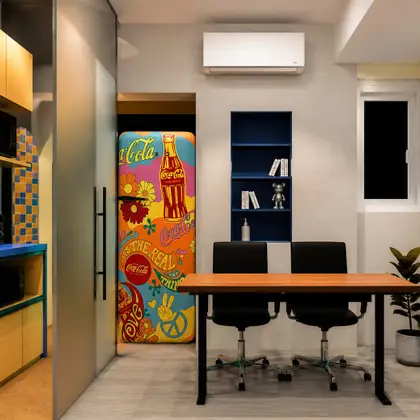
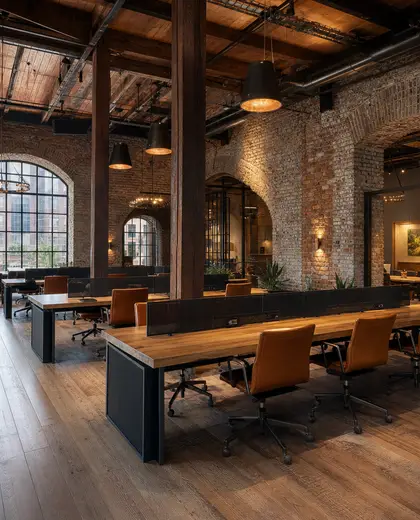
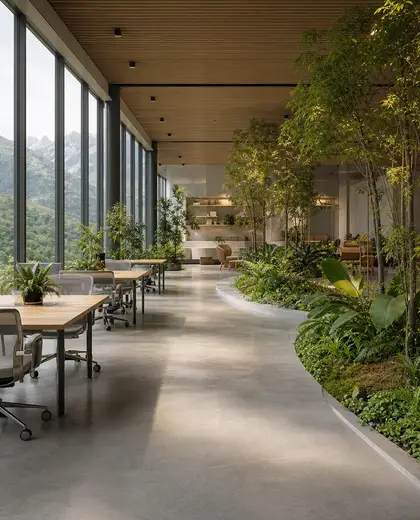
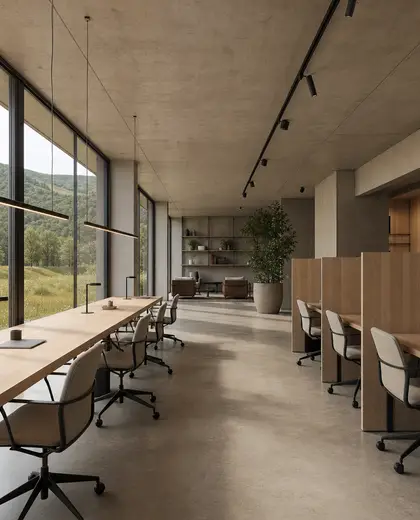
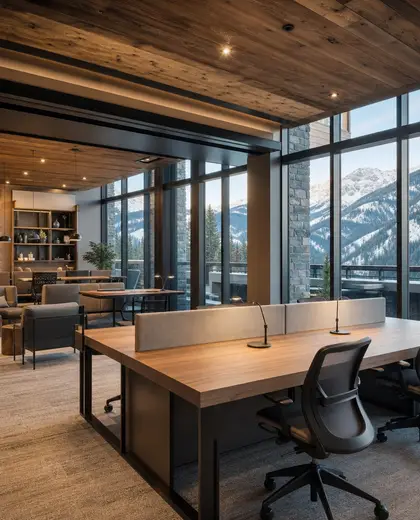
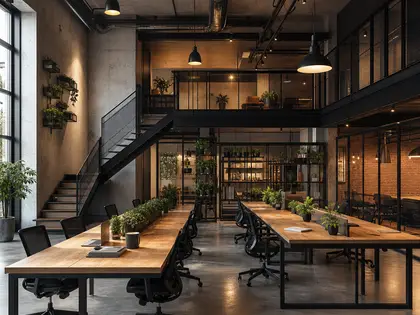
This composition is defined by open, flexible floor plans, modular workstations, and strong circulation that keeps movement easy. Materials are usually durable and acoustic-minded, such as wood, glass, metal, felt, and polished concrete, with a palette that stays neutral and light. The look often includes shared tables, phone booths, lounge corners, planted zones, and exposed structure to balance focus and collaboration.
- coworking space
— References
References to explore

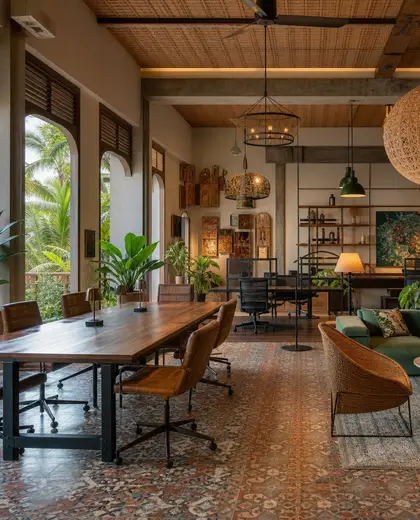
What makes a coworking space feel well designed?
Clear zoning, comfortable acoustics, adaptable furniture, and enough power and data access for different work styles are the main factors.
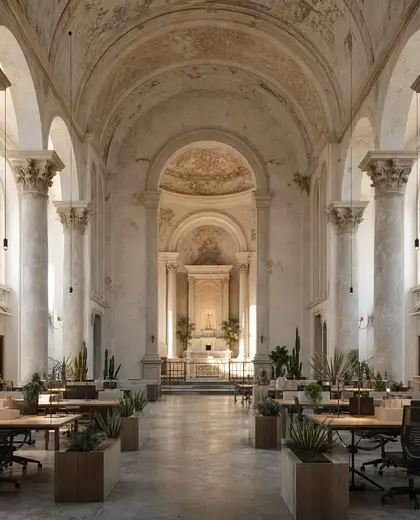
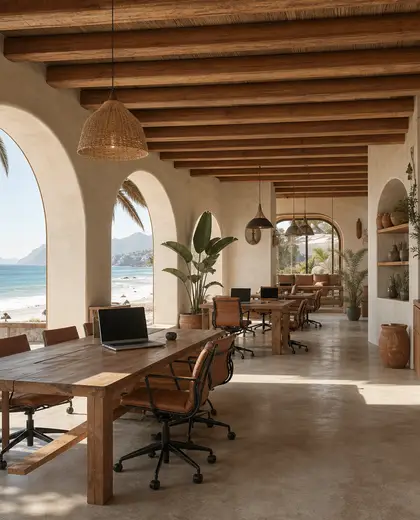

Which materials work best in a coworking space?
Hard-wearing finishes such as timber, metal, terrazzo or concrete, plus acoustic materials like felt or fabric panels, work well for daily use.
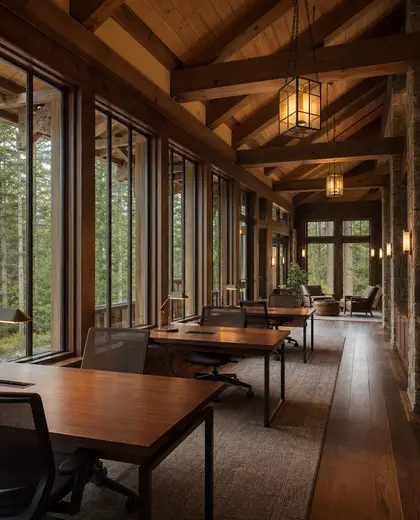

Can a coworking space still feel warm and inviting?
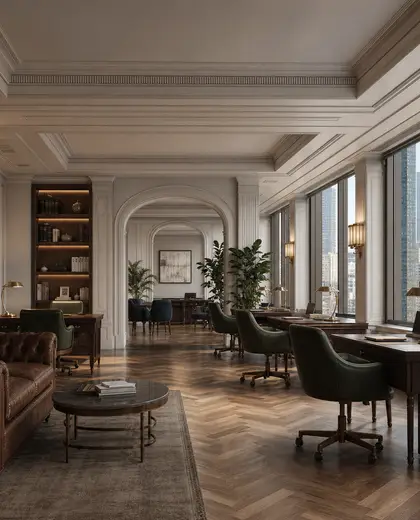
Yes. Warm wood finishes, soft lighting, plants, and varied seating can make the space feel welcoming without losing its professional character.
— The style
What defines it
Wood, glass, metal, felt panels, acoustic fabric, and polished concrete are common for durability and noise control.
Neutral tones like white, gray, black, and warm timber are often paired with muted greens or soft accent colors.
Private meeting rooms, lounge seating, breakout areas, reception zones, and integrated storage to support both individual work and group use.
— Professionals
Who has already built it
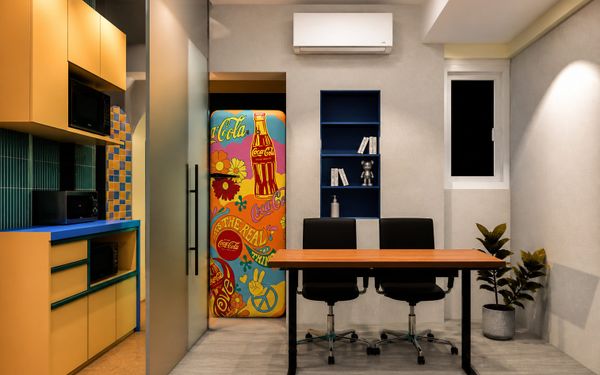



- home interior decoratorscarpenters · Rampur · 3 projectsView profile →
- pavit ceramics pvt ltdceramic manufacturers · Ahmedabad · 2 projectsView profile →
- Bristolfurniture sellers · Bangalore · 6 projectsView profile →
- FurnitureRootsfurniture makers · Jodhpur · 6 projectsView profile →
— Questions
Frequently asked questions
What makes a coworking space feel well designed?
Clear zoning, comfortable acoustics, adaptable furniture, and enough power and data access for different work styles are the main factors.
Which materials work best in a coworking space?
Hard-wearing finishes such as timber, metal, terrazzo or concrete, plus acoustic materials like felt or fabric panels, work well for daily use.
Can a coworking space still feel warm and inviting?
Yes. Warm wood finishes, soft lighting, plants, and varied seating can make the space feel welcoming without losing its professional character.