— Ideas & inspiration
Building composition
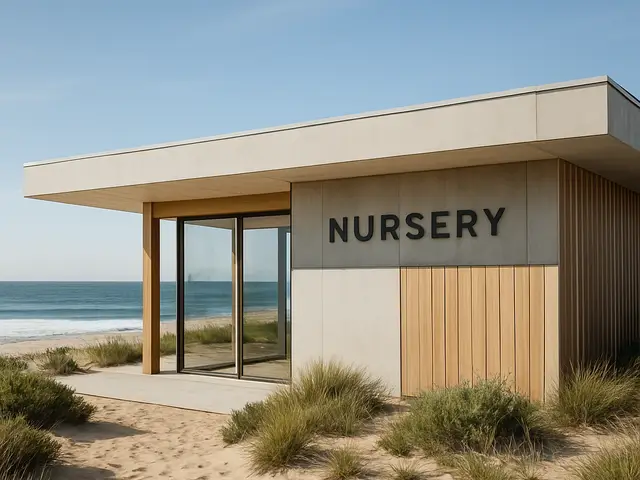
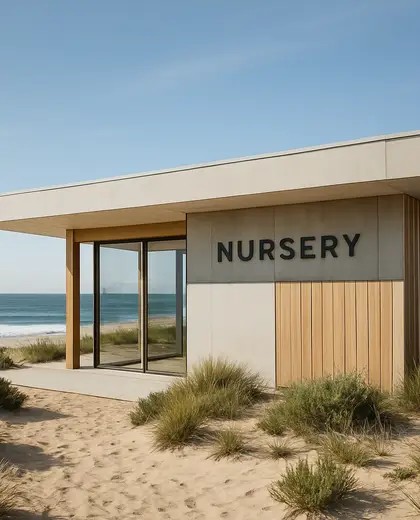
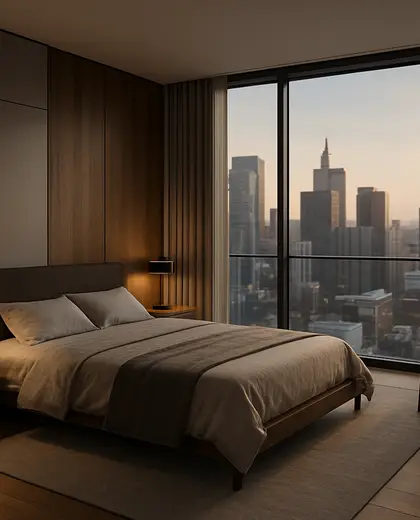
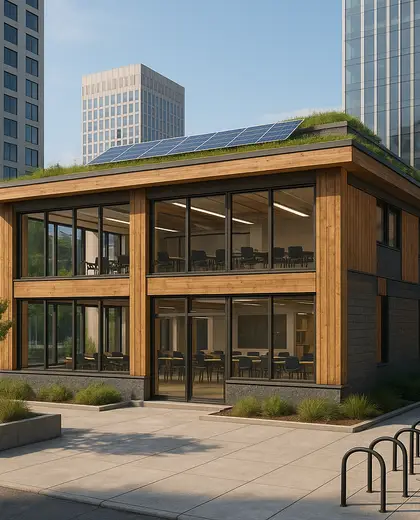
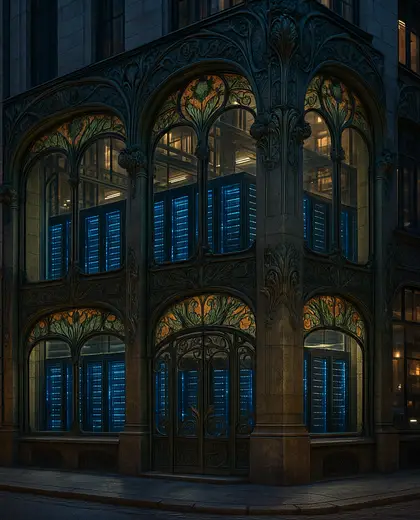
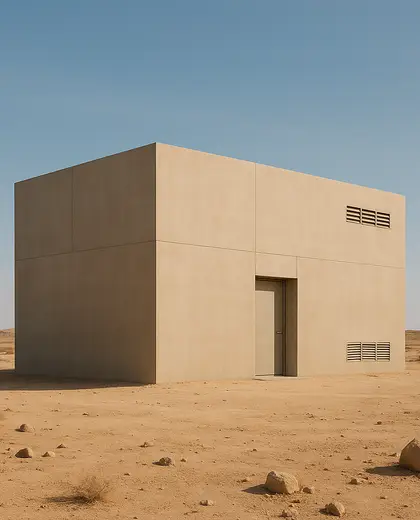
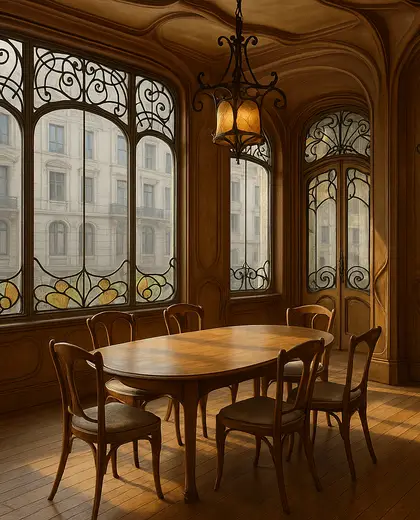
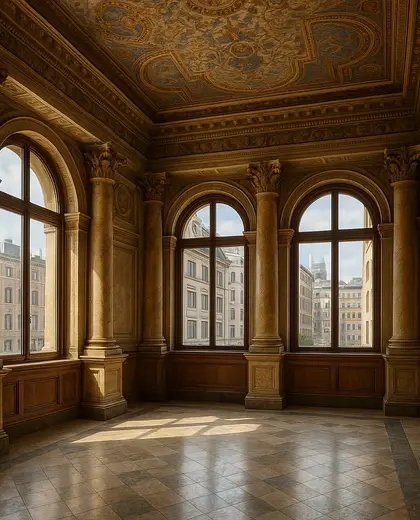
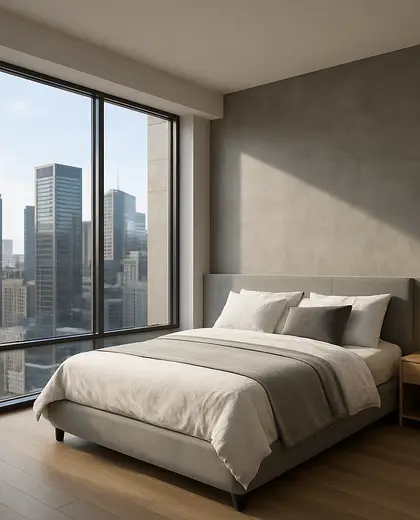
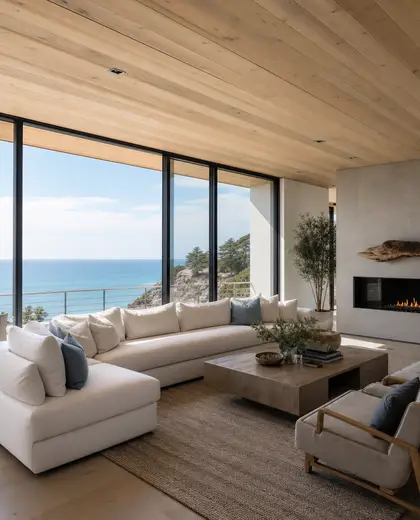
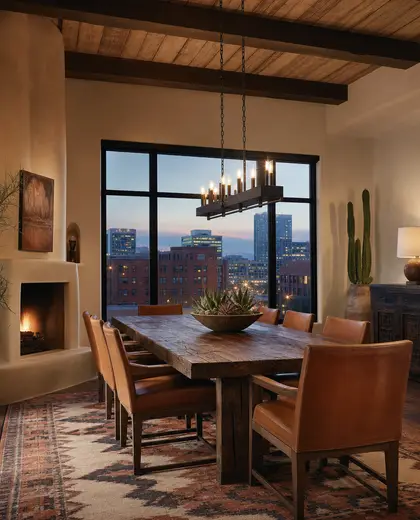
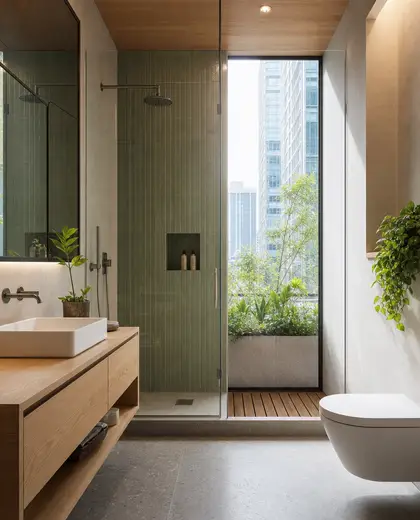
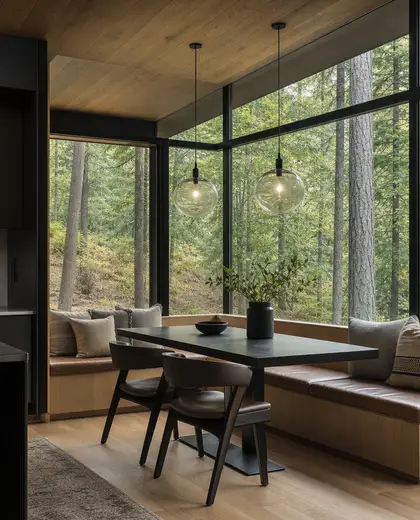
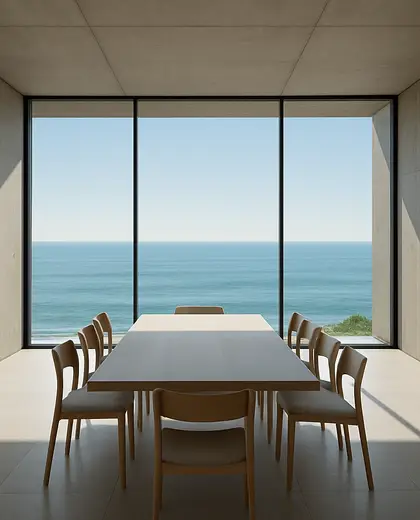
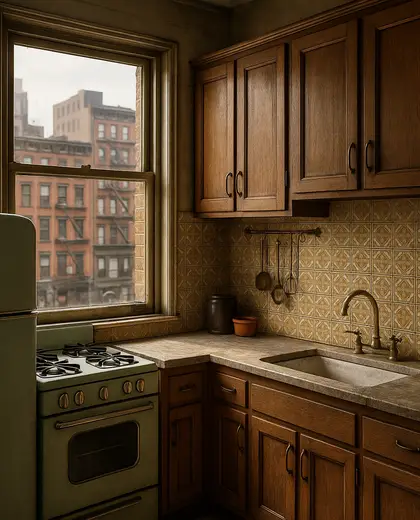
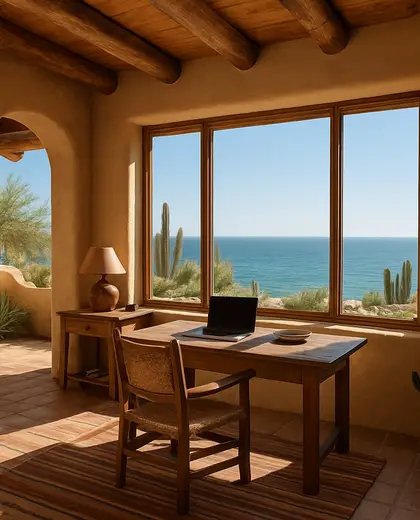
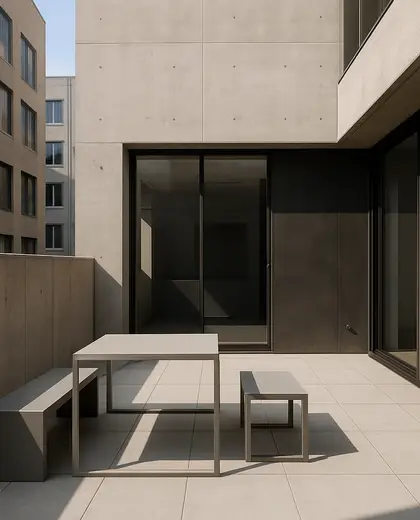
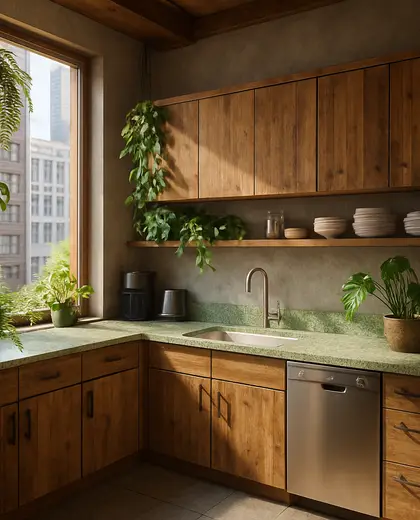
Building composition is defined by the assembled shell: walls, roof, openings, and structural rhythms expressed through brick, concrete, stone, timber, or metal. The palette is usually grounded and material-led, with neutrals, muted earth tones, and dark accents that let massing and texture read clearly. It often combines with landscape, glazing, and simple detailing to keep the overall form solid and legible.
- building
— References
References to explore
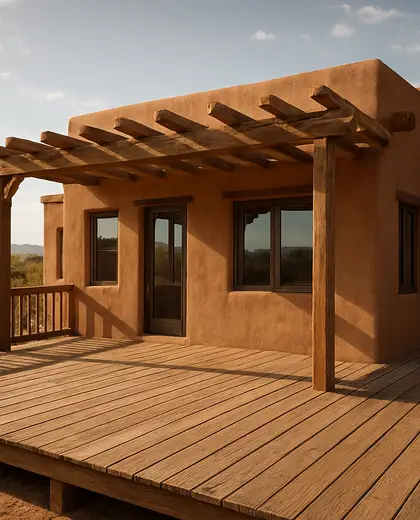
Is this composition suitable for a small home?
Yes. It can work on small homes if the massing is kept simple and openings are placed carefully so the building feels clear rather than heavy.
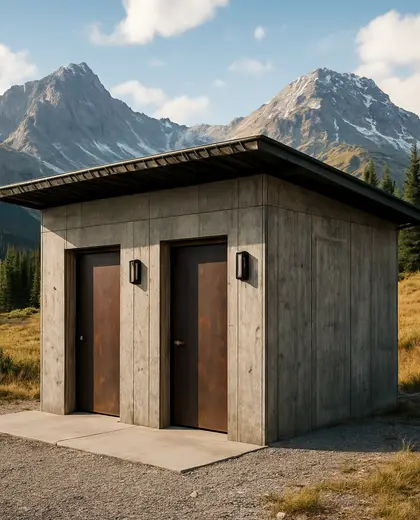
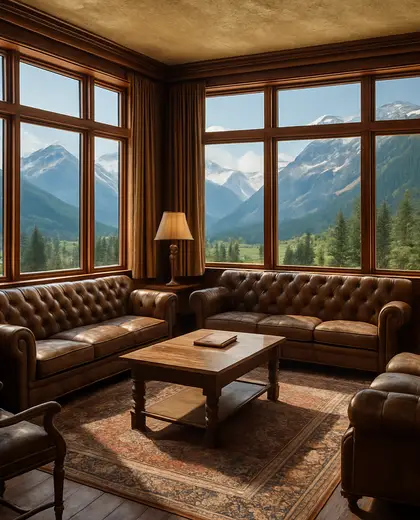
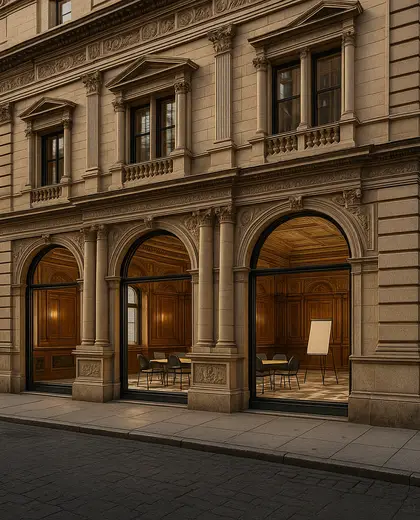
Does it have to look industrial?
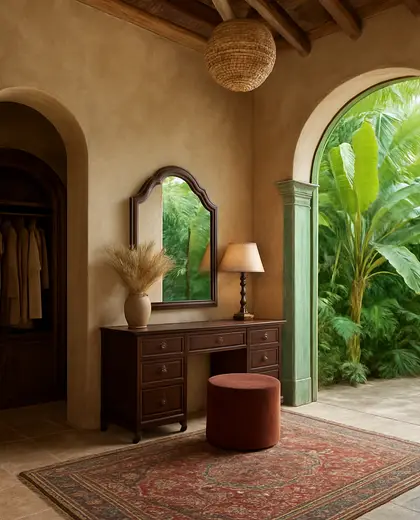
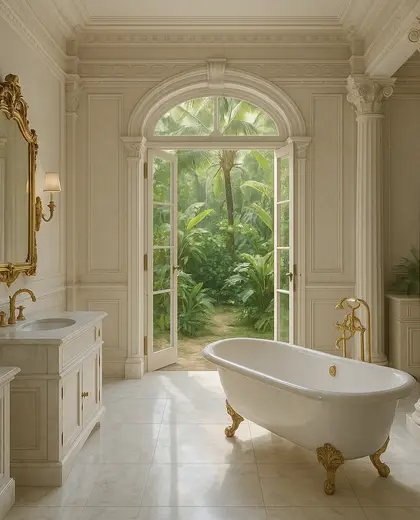
No. It can feel industrial, but it can also read as warm or traditional depending on whether you use brick, timber, stone, or softer finishes.
What should I prioritize when planning it?
Focus on proportion, the relationship between solid and void, and durable materials that age well. The composition depends more on how the parts are arranged than on decorative elements.
— The style
What defines it
Brick, board-formed concrete, stone, timber cladding, steel, and glass are common, often used in a structural or visibly layered way.
Typically restrained and architectural: greys, warm browns, off-whites, charcoal, and other muted natural tones.
Pairs well with landscape planting, large openings, exposed structure, and minimal detailing to emphasize form and proportion.
— Professionals
Who has already built it
- wanderlust architectsarchitects · Jaipur · 8 projectsView profile →
- Bristolfurniture sellers · Bangalore · 6 projectsView profile →
- FurnitureRootsfurniture makers · Jodhpur · 6 projectsView profile →
- Bakajoiners · Chennai · 5 projectsView profile →
— Questions
Frequently asked questions
Is this composition suitable for a small home?
Yes. It can work on small homes if the massing is kept simple and openings are placed carefully so the building feels clear rather than heavy.
Does it have to look industrial?
No. It can feel industrial, but it can also read as warm or traditional depending on whether you use brick, timber, stone, or softer finishes.
What should I prioritize when planning it?
Focus on proportion, the relationship between solid and void, and durable materials that age well. The composition depends more on how the parts are arranged than on decorative elements.