— Ideas & inspiration
Built for the coast
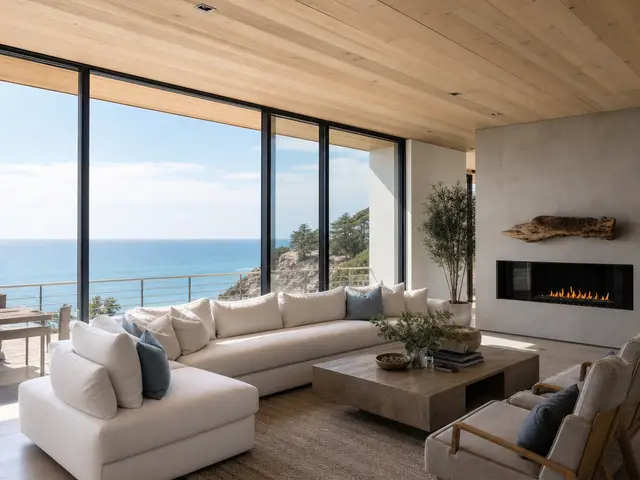
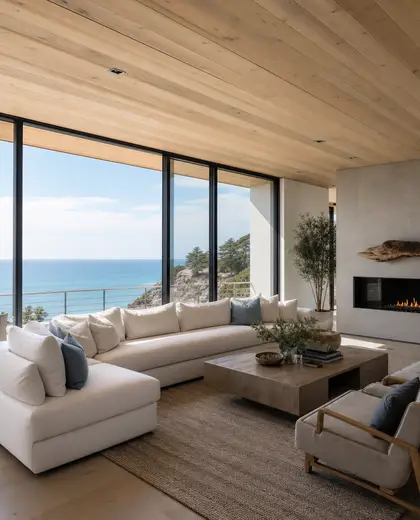
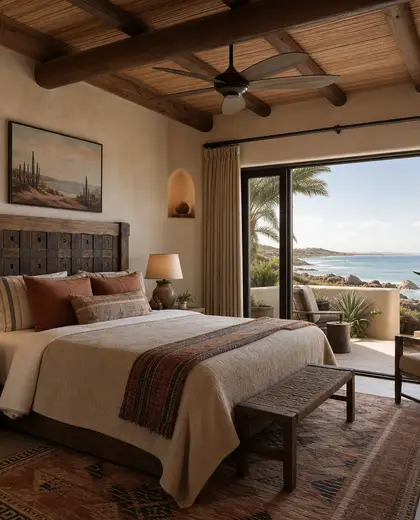
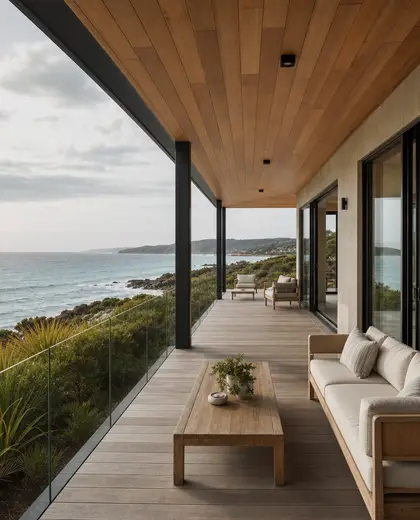
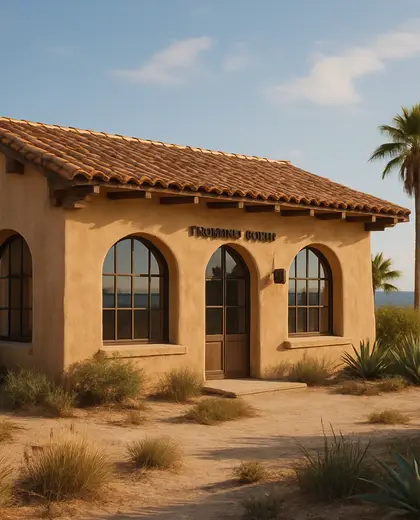
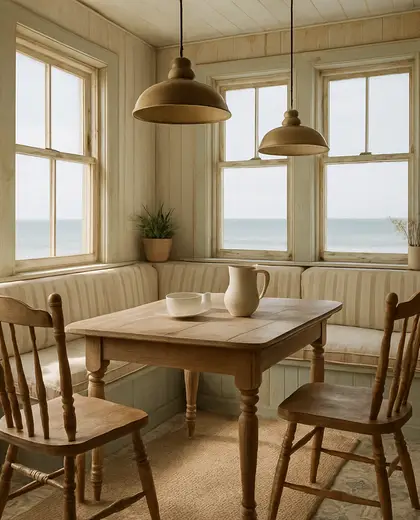
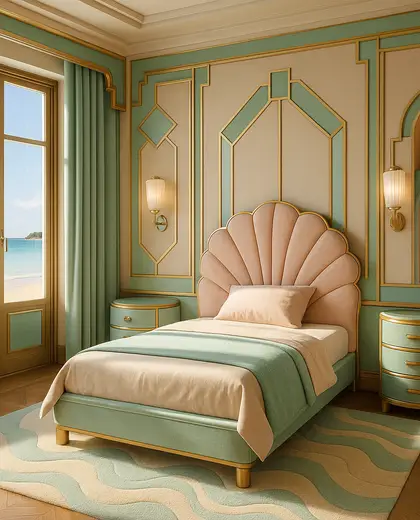
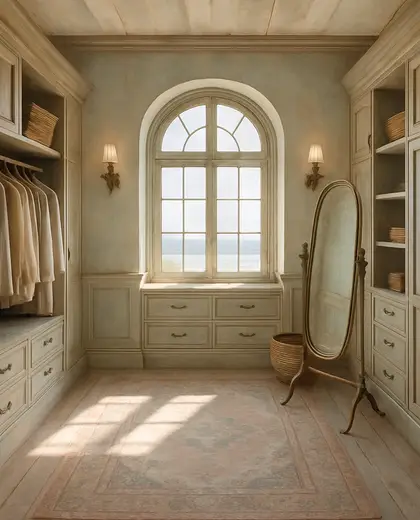
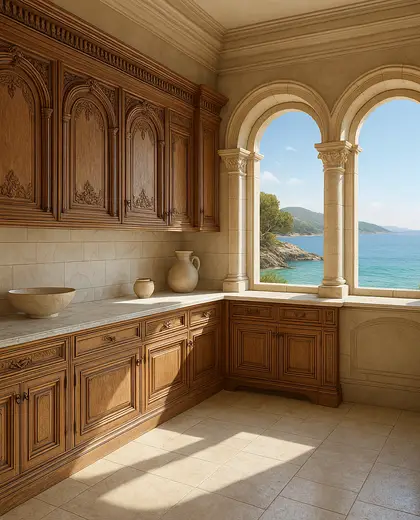
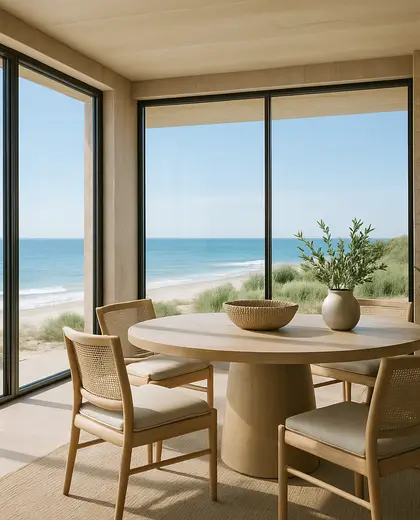
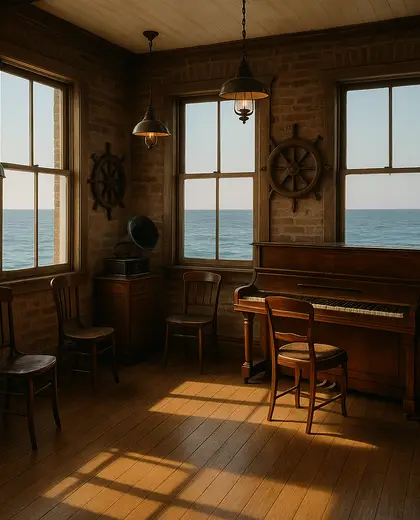
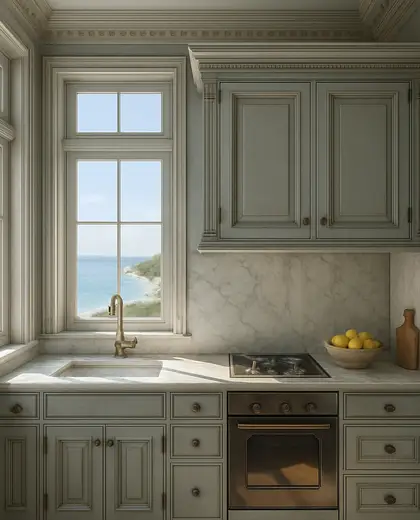
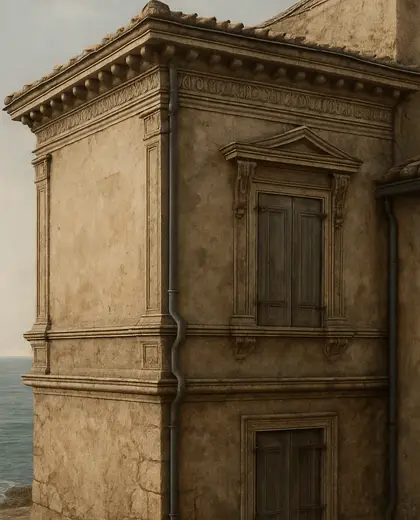
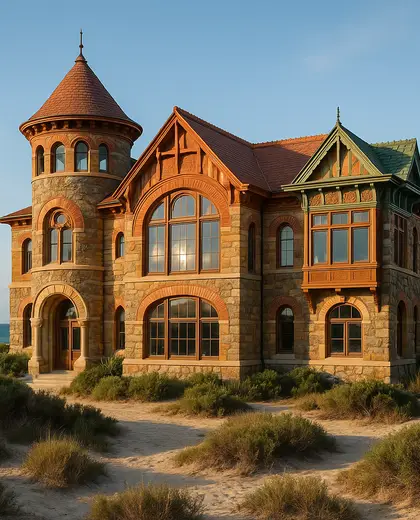
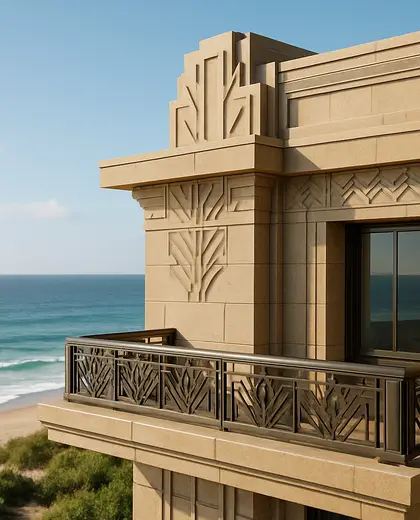
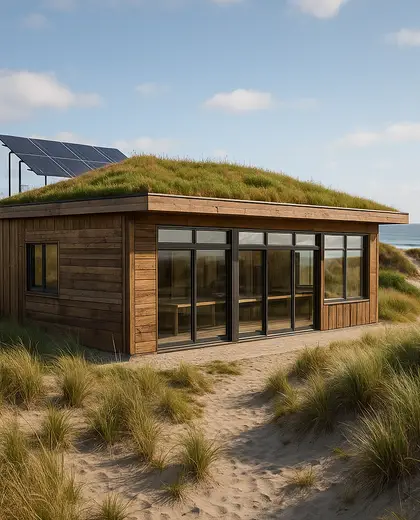
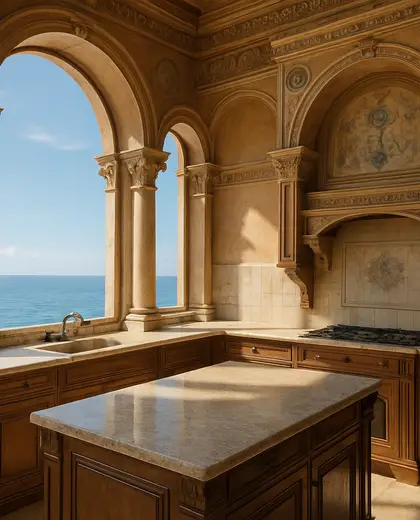
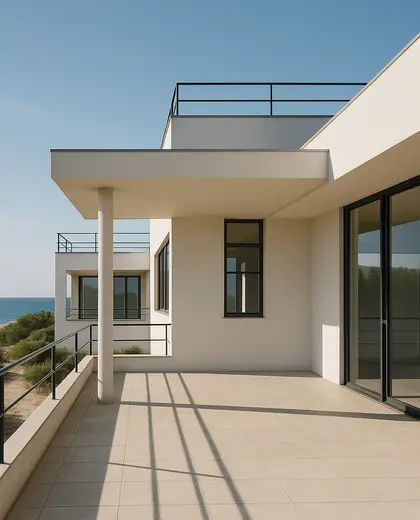
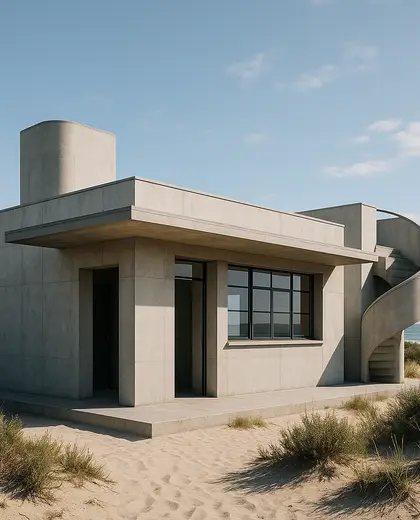
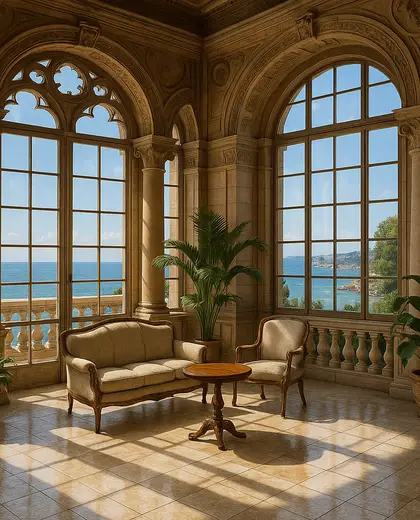
This composition pairs robust building forms with a coastal mood shaped by light, breeze, and salt air. It typically uses weather-resistant materials such as timber, stone, concrete, and metal, with open layouts, shaded edges, and large openings to frame sea views. The palette stays natural and subdued, often centered on sand, white, grey, driftwood, and blue-grey tones.
- building
- coastal
— References
References to explore
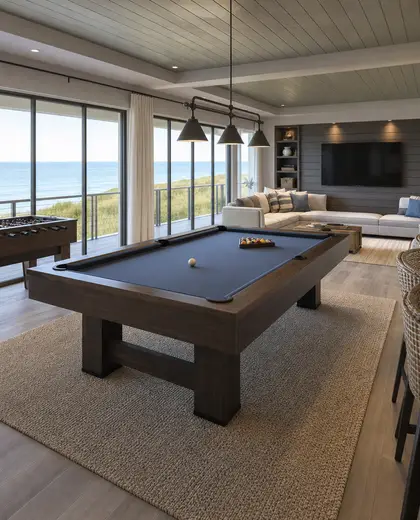
How do I make a building feel coastal without using obvious nautical decor?
Use light, natural materials, relaxed textures, and a restrained palette. Coastal character usually comes more from daylight, ventilation, and views than from themed accessories.
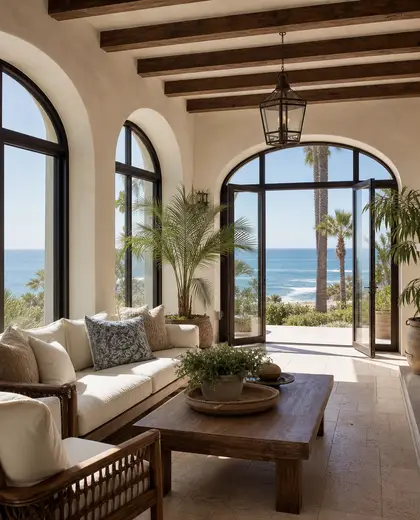
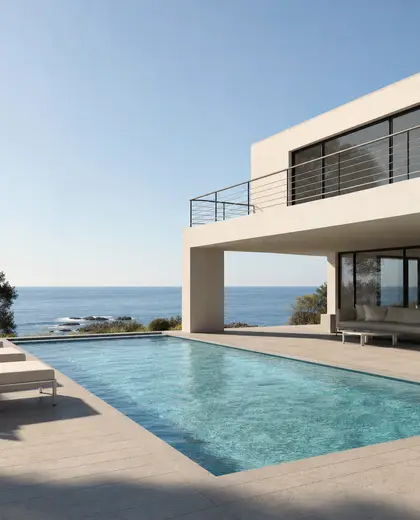
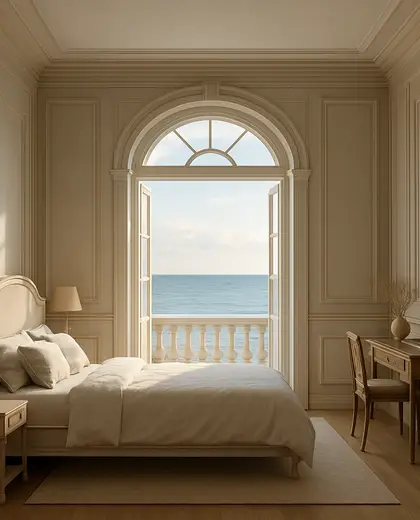
What materials hold up well in a coastal environment?
Choose materials that resist moisture, salt, and corrosion, such as treated timber, stone, concrete, stainless steel, and marine-grade hardware. Good detailing and drainage matter as much as the material itself.

Does a coastal building need to be fully open to the outdoors?
Not necessarily. Many successful designs balance openness with protected zones, using shading, screened openings, and sheltered terraces to manage wind, sun, and rain while keeping a strong connection to the coast.
— The style
What defines it
Weather-resistant timber, textured stone, exposed concrete, metal, glass, and marine-grade finishes.
Soft neutrals inspired by sand, shells, weathered wood, whitewash, grey, and muted blue tones.
Open-plan interiors, terraces, breezeways, deep overhangs, and large windows oriented toward the water.
— Professionals
Who has already built it
- sbv srinivasarchitects · Bengaluru · 6 projectsView profile →
- the achievers archsmart home professionals · Delhi · 1 projectsView profile →
- home interior decoratorscarpenters · Rampur · 3 projectsView profile →
- pavit ceramics pvt ltdceramic manufacturers · Ahmedabad · 2 projectsView profile →
— Explore
Keep exploring
— Questions
Frequently asked questions
How do I make a building feel coastal without using obvious nautical decor?
Use light, natural materials, relaxed textures, and a restrained palette. Coastal character usually comes more from daylight, ventilation, and views than from themed accessories.
What materials hold up well in a coastal environment?
Choose materials that resist moisture, salt, and corrosion, such as treated timber, stone, concrete, stainless steel, and marine-grade hardware. Good detailing and drainage matter as much as the material itself.
Does a coastal building need to be fully open to the outdoors?
Not necessarily. Many successful designs balance openness with protected zones, using shading, screened openings, and sheltered terraces to manage wind, sun, and rain while keeping a strong connection to the coast.